How To Make Car Reviews That People Actually Trust
This guide helps you craft trustworthy car reviews. It focuses on clear, honest feedback and understanding the reader’s needs. Learn to build credibility by sharing genuine experiences and important details that matter most to car buyers. Your reviews will become a go-to source.
Understanding Trust in Car Reviews
When someone searches for a car review, they’re not just looking for specs. They want to know if this car fits their life. They want to avoid costly mistakes.

VKQTS
2PCS Reflective Senior Driver Car Magnet,All-Day Visible…
- REFLECTIVE DESIGN: These car magnets feature reflective PVC material that maintains clear visibility in most weather conditions. T…
- STRONG MAGNETIC HOLD: With powerful magnetic backing, these magnet bumper sticker maintain a secure position on your vehicle. The…
- SAFETY REMINDER FUNCTION: This elderly driver bumper magnets for car serves as a visual alert to other motorists, helping promote…
As an Amazon Associate I earn from qualifying purchases.
They dream about that perfect drive.
Trust is the bedrock of any good review. Without it, all your hard work means little. People scan reviews quickly.
They look for signals that tell them, “This person knows what they’re talking about and they’re being honest with me.”

The Core Elements of a Trustworthy Review
Building trust starts with a few key ideas. Think about them as the foundation of your review building. First, honesty is key.
Always tell the truth, even if it’s not flattering. Second, be thorough. Cover the important parts people need to know.
Third, show you understand the car. Know its strengths and weaknesses. Finally, connect with your reader.
Speak to them like a friend. Share your own feelings and experiences. This makes your words more believable.
My Own Struggle: The Time I Almost Fooled Myself
I remember one time, early in my reviewing days. I was testing a new sports sedan. It looked amazing.
It felt fast on the highway. The sound of the engine was pure music. I was ready to write a glowing review.
But then, it started to rain heavily. The car’s tires felt… off. The steering was a bit vague.
In stop-and-go traffic, the transmission felt jerky. It wasn’t a deal-breaker for short drives, but for daily commuting? I started to doubt my initial excitement.
I sat there, staring at my notes. My gut told me this car wasn’t as perfect as it first seemed. I almost wrote the good review anyway.
But I stopped myself. I thought about the real driver. What about their daily commute?
What about when the weather turns bad? I decided to include all of it. I talked about the fun parts but also the parts that might make someone think twice.
It was scary, but it felt right. And guess what? Readers thanked me for that honesty.
Quick Scan: What Matters Most
Performance: How does it feel to drive? Is it smooth? Quick?
Comfort: Are the seats comfy? Is the ride smooth?
Tech: Is the infotainment easy to use? Does it work well?
Safety: What safety features are included? How do they work?
Value: Is the price fair for what you get?
Honesty and Transparency: The Golden Rules
Being honest means more than just saying if you liked the car or not. It means being open about everything you observed. If a car has a great sound system but a terrible navigation screen, say that.
Don’t sugarcoat the bad parts.
Share your experiences. Did a feature not work as expected? Did you notice a strange noise?
These real-world details are what readers latch onto. They can imagine themselves in those situations.
It’s also good to mention any potential biases. Were you given the car for free? Did you have a limited time with it?
Letting people know these things helps them weigh your opinion. Transparency builds a strong bridge to your audience.
Deep Dive into Key Car Aspects
Every car has different parts that matter to different people. We need to look at these parts closely. Let’s break them down.
The Driving Experience: More Than Just Speed
This is often what people think about first. How does the car feel on the road? Is it fun?
Is it easy to control? We look at acceleration, braking, and handling. But also, think about the steering.
Is it light or heavy? Does it give you good feedback?
Consider the suspension. Does it soak up bumps? Or does every little pebble feel like a rock?
For many drivers, especially in cities, how a car behaves in stop-and-go traffic is vital. Is the transmission smooth? Does it hesitate?
Contrast: Normal vs. Concerning
Normal: A slight rumble on rough roads is expected. A bit of road noise on the highway is common. The engine making a soft hum when idling is typical.
Concerning: Loud clunks over small bumps. Constant, loud whining sounds from the engine. Shaking or vibrating that doesn’t stop.
Comfort and Interior: Your Rolling Living Room
People spend a lot of time in their cars. So, the inside matters a lot. How are the seats?
Are they supportive for long drives? Is there enough legroom and headroom for everyone, not just the driver?
Think about the materials used. Do they feel cheap and plasticky? Or do they feel nice to the touch?
Noise is also a big factor here. How quiet is the cabin? Can you have a normal conversation without shouting?
Climate control is another piece. Does the air conditioning blow cold quickly? Does the heater keep you warm on a chilly day?
Easy-to-reach controls are also part of comfort. You don’t want to be fumbling around.
Technology and Infotainment: Staying Connected
Modern cars are packed with tech. We need to see how well it all works. Is the touchscreen responsive?
Are the menus easy to understand? Connecting your phone via Apple CarPlay or Android Auto should be simple and reliable.
Consider the navigation system. Is it accurate? Is it easy to input an address?
Voice commands are great when they work, but they can be frustrating if they don’t understand you. How many USB ports are there? Where are they placed?
Safety tech is also huge. Things like blind-spot monitoring, automatic emergency braking, and adaptive cruise control can be lifesavers. How well do these systems perform in real-world driving?
Observation Flow: My Tech Test
Step 1: Get in the car. Connect my phone. Does it pair fast?
Step 2: Try the radio. Is the sound clear? Are stations easy to find?
Step 3: Test the navigation. Enter a common address. How long does it take?
Step 4: Use voice control for a common task, like calling a contact.
Step 5: Check the climate controls. Adjust fan speed and temperature. Do they react fast?
Step 6: Play with driver assistance features. Does blind-spot alert work reliably?
Safety First: What Protects You
Safety is a top priority for most car buyers. We need to cover the basics. What safety features come standard?
What are optional extras? Do your research on crash test ratings from organizations like the NHTSA or IIHS.
Beyond the ratings, think about how the car feels when you’re driving. Does it feel stable? Does it inspire confidence?
Mention specific safety technologies and how they perform. For instance, how sensitive is the lane-keeping assist? Does the automatic braking kick in smoothly or abruptly?
Fuel Economy and Emissions: The Green Factor
For many, running costs are a big concern. This includes how much gas the car uses. Clearly state the EPA estimates for city and highway driving.
But also, share your own real-world findings if possible. Sometimes, the actual MPG is different.
If the car is a hybrid or electric vehicle, explain its range and charging times. How does the battery perform in different temperatures? Mention any tax credits or incentives that might be available.
These details help people make informed financial decisions.
Split Insight: Range Anxiety
Label: Electric Vehicle Range
Note: While EV ranges are improving, real-world numbers can differ. Cold weather, high speeds, and using climate control often reduce the distance you can travel on a single charge. Always consider your typical driving habits and the car’s estimated range in those conditions.
Real-World Context: Where and How You’ll Use It
A car doesn’t exist in a vacuum. It lives in the real world with real drivers. We need to think about that context.
The Environment: City Streets, Open Roads, and Harsh Weather
How does a car handle a tight city parking spot? Is it easy to maneuver? On the highway, does it feel stable and quiet at speed?
What about rougher roads? Can it handle potholes without jarring everyone?
Consider the climate. If you live where it snows a lot, how does the car perform in snow or ice? Does it have good traction?
If it’s a place with extreme heat, how well does the AC cope? Mentioning these scenarios makes the review much more practical.
Your Habits: Commuting, Family Hauls, and Weekend Adventures
Most people use their cars for a mix of things. A daily commute is different from taking the kids to soccer practice. Think about the trunk space.
Is it big enough for groceries, strollers, or sports gear? How easy is it to get kids in and out of car seats?
Does the car have features that support your lifestyle? Cupholders in the right places? A good sound system for long drives?
Easy-to-clean surfaces if you have messy passengers? These details resonate with readers who have similar habits.
Quick Scan Table: Family Car Check
| Feature | Needs | Good for Families? |
|---|---|---|
| Trunk Space | Strollers, groceries, gear | Yes, if large and easy to access |
| Rear Seat Room | Car seats, adult passengers | Yes, if ample and includes LATCH anchors |
| Interior Materials | Spills, wear and tear | Yes, if durable and easy to wipe clean |
| Infotainment | Keeping kids entertained, navigation | Yes, if user-friendly with good connectivity |
| Safety Features | Protecting all occupants | Yes, if comprehensive and top-rated |
Design and Materials: The Look and Feel
While function is key, the look and feel of a car also matter. How is the exterior styling? Does it look modern or dated?
How is the paint quality? Are the panel gaps even?
Inside, we’ve talked about comfort. But also, consider the design of the dashboard. Is it clean and intuitive?
Or cluttered and confusing? Are the buttons well-placed? The choice of materials—like leather, soft-touch plastics, or metal accents—really affects the perceived quality and luxury of the car.
Think about the overall impression. Does the car feel well-built? Does it feel solid and substantial?
Or does it feel flimsy and cheap?
What This Means for You: When to Be Happy, When to Worry
Knowing these details helps you understand where a car stands. It helps you spot the good and the not-so-good.
When It’s Normal to See Certain Things
Some things are just part of car ownership. A car that gets 25 MPG in mixed driving is normal for many SUVs. A bit of wind noise at highway speeds is common.
Tires making a normal road noise is expected. The engine having a slight hum when it’s running is also normal.
Small, almost imperceptible vibrations when the engine is at its lowest idle can happen. The infotainment system might take a few seconds to boot up. These are not usually problems.
When to Start Worrying and What to Check
If a car makes loud, sudden noises when you hit a bump, that’s a red flag. If the engine sounds rough or is sputtering, that’s a concern. Strange smells, like burning oil or rubber, need immediate attention.
If the car pulls strongly to one side while driving straight, there’s likely an alignment issue. If the brakes feel spongy or make grinding sounds, get them checked. Unexplained warning lights on the dashboard are never good news.
Always check your owner’s manual for what they mean.
Stacked Micro-Sections: Red Flag Indicators
Loud Clunks: Over bumps suggests suspension issues.
Grinding Brakes: Means brake pads are worn out.
Smells: Burning smells often mean leaks or overheating.
Warning Lights: Yellow or red lights on the dash need attention.
Pulling to One Side: Indicates an alignment problem.
Quick Tips for Building Your Review Credibility
Here are some simple steps to make your car reviews more trusted.
- Be Specific: Instead of “it drives well,” say “it handles corners with little body roll.”
- Use Analogies: Compare the feel to something familiar. “The brakes felt as strong as a brick wall.”
- Include Your Own Data: If you can, track your MPG. Note how long it takes for the AC to cool the cabin.
- Mention Competitors: How does this car stack up against rivals? This shows broader knowledge.
- Add Photos (If Possible): Visuals help readers see what you’re talking about. Even simple phone photos work.
- Explain Technical Terms Simply: If you must use a term like “torque steer,” briefly explain what it is.
Frequently Asked Questions About Trustworthy Car Reviews
What’s the most important thing for a car review to be trusted?
Honesty is the number one thing. If readers feel you’re being truthful, even about flaws, they will trust you more than if you only point out the good parts.
Should I mention if a car company lent me the vehicle for review?
Yes, absolutely. Transparency is key. Always disclose if the car was provided by the manufacturer or dealer.
This helps readers understand your perspective.
How much detail is too much detail in a car review?
You want to be thorough but not overwhelming. Focus on details that impact the driving or ownership experience. Avoid overly technical jargon unless explained simply.
Think about what a typical car buyer would want to know.
Is it okay to have a strong opinion in a review?
Yes, it is. Your personal experience and opinion are valuable. Just make sure your opinions are backed up by observations and facts.
Explain why you feel a certain way.
How can I make my car reviews sound more personal and less robotic?
Share your own feelings and reactions. Use phrases like “I felt,” “I noticed,” or “What surprised me was.” Talk about how the car fit into your daily life. This human element builds connection.
What if I only have a short time with a car?
Acknowledge the limitation. Focus on the most critical aspects you could test. Highlight what you learned and what questions remain.
Readers appreciate honesty about the review’s scope.
Putting It All Together
Making car reviews that people trust is a journey. It’s about being honest, thorough, and relatable. Share your real experiences.
Focus on what truly matters to drivers in their daily lives. Your readers will thank you for it.
Related pick: Check today's price on Amazon
Products related to this article
Sponsored / affiliate links. As an Amazon Associate I earn from qualifying purchases. I may earn additional commission from eligible campaigns.
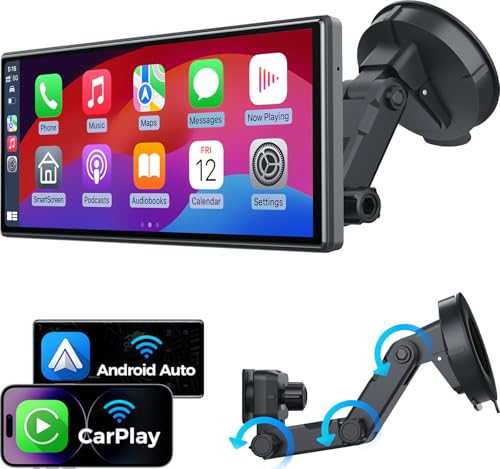 JATAZA 10.26" Wireless Apple Carplay Screen for Car, Secure Strong Bracket, Portable Apple CarPlay& Android Auto Car Stereo with GPS Navigation, Bluetooth, Mirror Link, Voice Control,Fits All Vehicles
 Ethos Clay Bar Kit Paint Puddy Car Detailing Clay 200g - Detail Kit Premium Clay Bars Auto Detailing Clay Bar for Car Detailing, Wash and Clean