How to Fix Too Much Oil in a Car Engine: 3 Removal Methods
Too much oil in a car engine causes foaming, seal leaks, and spark plug fouling once the level sits more than 5 to 10 millimeters above the dipstick max line. Ignoring it risks hydrolock, where the piston cannot move through trapped liquid and the engine can seize. This guide covers the 3 removal methods, the tools needed, and mistakes that make overfilling worse.
Why Too Much Oil Is A Problem
Best Oil Extractor Pump Pick
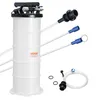
VEVOR Oil Extractor Pump – $41.90
Matches the Suction Pump method this guide recommends as the cleanest way to remove small amounts of excess oil.
- Best for: Step 5 Suction Pump method, removing small amounts without draining everything
- Why we picked it: 6.5L capacity handles a full drain if needed, not just a top-off
- Main drawback: Slower than the drain plug method for large overfills
Compare more overfill removal tools
 Option 1 NEIKO Drain Pan – $24.99
|
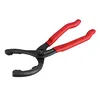 Option 2 WORKPRO Filter Pliers – $11.98
|
 Option 3 Performance Tool 16-Qt – $32.99
|
As an Amazon Associate we earn from qualifying purchases.
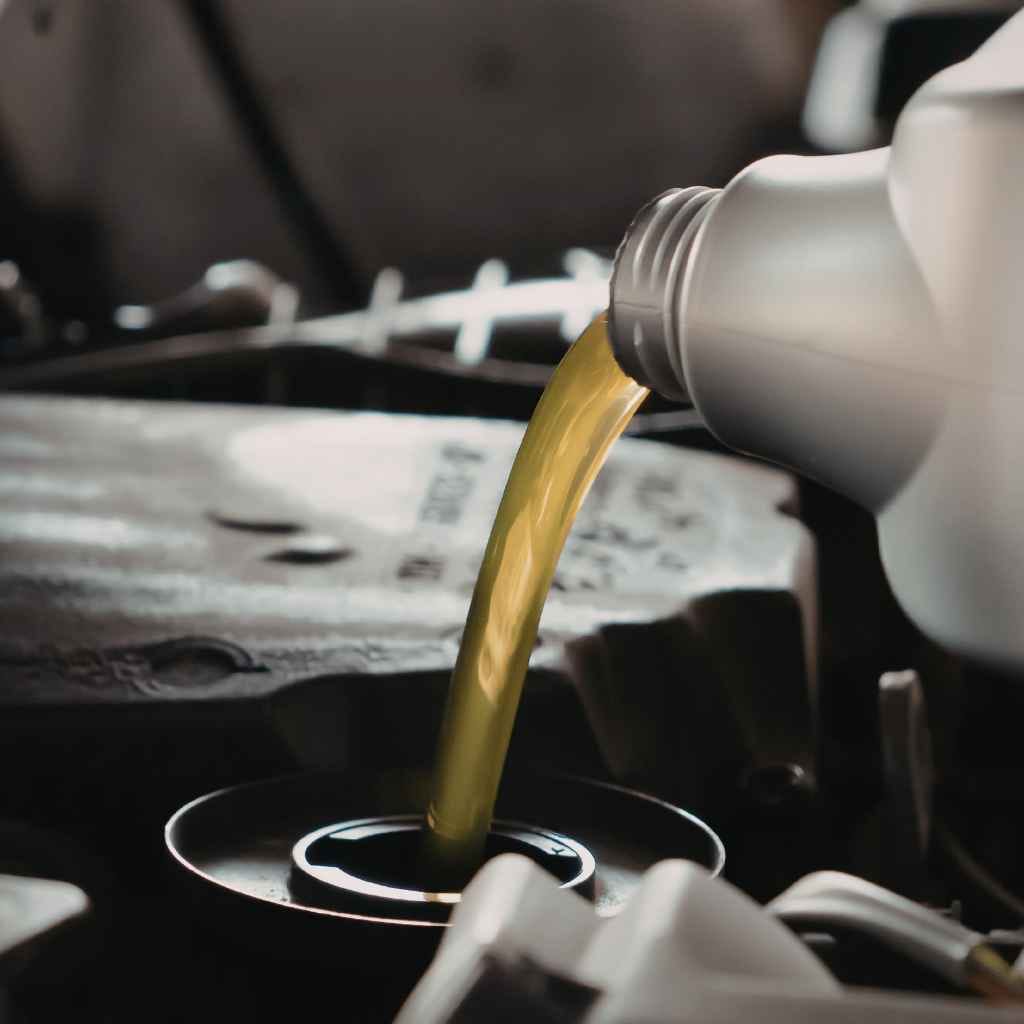
It’s easy to think “more oil is better,” but your engine is designed to run with a specific amount. Overfilling can create many problems:
- Oil foaming: When the oil level is too high, the moving crankshaft can whip air into the oil. This causes foaming, which reduces the oil’s ability to lubricate engine parts.
- Increased pressure: Extra oil raises pressure inside the engine, leading to leaks at seals and gaskets.
- Catalytic converter damage: Excess oil can find its way into the exhaust system, harming the catalytic converter. This is a very expensive part to replace.
- Spark plug fouling: Oil can reach the spark plugs, causing misfires and poor engine performance.
- Sensor errors: Modern engines use sensors that may react badly to too much oil, turning on the check engine light or causing the car to go into limp mode.
An engine with too much oil may not fail immediately, but the damage builds up quickly. Even a small overfill of 1 quart or liter can raise crankcase pressure enough to push oil past seals and gaskets, leading to leaks and, over time, more serious component wear.
How To Tell If Your Engine Has Too Much Oil
Sometimes people only discover the problem after an oil change. But there are clear signs you can look for:
- High oil level on dipstick: This is the main clue. If the oil mark is above the “Max” or “Full” line, there’s too much oil.
- White or blue exhaust smoke: This means oil is burning in the engine.
- Oil leaks: Puddles under your car or oil on the engine can be caused by high pressure from too much oil.
- Strong burning oil smell: A sharp, sweet smell from the engine bay or exhaust.
- Rough running or misfires: The engine may idle poorly or hesitate when you press the gas.
- Check engine light: Sensors may detect oil-related problems and trigger a warning.
If you notice one or more of these symptoms, check your oil level as soon as possible. Don’t wait for a major problem to develop.
How Much Oil Is Too Much?
Every engine is different. Most car engines hold between 4 to 6 quarts (about 4–6 liters) of oil. The safe level is between the “Min” and “Max” marks on the dipstick. If the oil is 5–10 millimeters (about ¼ to ½ inch) above the max line, you should remove the excess. Even a small overfill can cause problems in modern engines with tight tolerances.
Here’s a quick comparison of typical oil capacities for different car types:
| Vehicle Type | Average Oil Capacity | Danger Level (Over Max) |
|---|---|---|
| Small car (compact) | 3.5–4.5 quarts (3.3–4.3 L) | 1 quart (0.9 L) over |
| Sedan (mid-size) | 4–5.5 quarts (3.8–5.2 L) | 1.2 quarts (1.1 L) over |
| SUV/Truck | 5–8 quarts (4.7–7.6 L) | 1.5 quarts (1.4 L) over |
| Sports/Performance | 5–10 quarts (4.7–9.5 L) | 2 quarts (1.9 L) over |
Always check your car’s manual for the correct amount. Some engines are much less tolerant of overfilling than others.
What Causes Too Much Oil In The Engine?
Overfilling usually happens during an oil change. But other causes include:
- Adding oil too often: Topping up when it’s not needed.
- Not draining old oil fully: If old oil stays in the engine during a change, the new oil adds to it.
- Reading the dipstick incorrectly: Checking the level while the car is parked at an angle or engine is hot can give a false high reading.
- Using the wrong dipstick: Some replacement dipsticks are not marked correctly.
- Oil dilution: In rare cases, fuel or coolant leaks into the oil, raising the level (often a sign of other engine problems).
Knowing the cause helps you avoid repeating the mistake.
What Happens Inside The Engine When There’s Too Much Oil?
When there’s excess oil, the crankshaft (the spinning shaft inside the engine) dips into the oil pan and churns the oil. This is like mixing oil in a blender—air gets trapped in the oil, creating foam. Foamy oil cannot lubricate or cool the engine well. Metal parts run hotter and wear faster.
Overfilled oil can also push past seals and gaskets, leading to leaks. In the worst cases, oil can enter the intake system, burning in the cylinders or damaging the catalytic converter. This can cause “hydrolock,” where the piston cannot move because there’s too much liquid, and the engine can seize completely.
How To Fix Too Much Oil In Car Engine
If you find your engine has too much oil, don’t panic. Most of the time, you can fix it at home with a few tools and some patience. Here’s a step-by-step guide:
Step 1: Let The Engine Cool Down
Never try to remove oil from a hot engine. Hot oil can burn your skin, and metal parts expand when hot, giving a false reading. Wait at least 30–60 minutes after driving.
Step 2: Park On Level Ground
Make sure your car is parked on a flat surface. This ensures an accurate oil level reading and safer work conditions.
Step 3: Gather The Right Tools
You don’t need special equipment, but having the right items helps:
- Oil catch pan or a large container
- Wrench or socket (to remove the drain plug)
- Clean rags or paper towels
- Gloves
- Turkey baster or suction pump (for removing oil from the dipstick tube)
Step 4: Check The Oil Level Again
Pull the dipstick, wipe it clean, reinsert it fully, then pull it out and check the oil level. This avoids false readings and confirms the problem.
Step 5: Choose How To Remove Excess Oil
There are three main ways to remove extra oil:
1. Drain Plug Method
This is the most thorough way, but can be messy.
- Place the oil catch pan under the oil pan.
- Use the wrench to slowly loosen the drain plug—just enough for oil to start dripping.
- Remove a small amount (about half a quart at a time).
- Tighten the plug, check the dipstick, and repeat if needed.
2. Suction Pump Or Turkey Baster Method
This is cleaner and works well if the overfill is small.
- Insert the suction pump or turkey baster into the dipstick tube.
- Squeeze out small amounts of oil into a container.
- Check the dipstick after each removal.
3. Oil Filter Loosening
Only use this if the filter is easy to reach.
- Loosen the oil filter slightly—oil will drip out.
- Catch the oil, then retighten the filter.
Step 6: Check The Oil Level Again
After removing oil, wait a few minutes for the oil to settle. Check the dipstick. The level should be between “Min” and “Max. ” Don’t over-correct and end up with too little oil.
Step 7: Clean Up And Dispose Of Oil Properly
Don’t pour old oil down the drain or into the ground. Most auto parts stores and recycling centers accept used oil.
Step 8: Run The Engine And Recheck
Start the car and let it run for a minute. Turn it off, wait a few minutes, then check the dipstick again. This ensures the oil is at the correct level and any air bubbles are gone.
Mistakes To Avoid When Fixing Too Much Oil
It’s easy to make mistakes that can turn a simple job into a headache. Here are some common errors and how to avoid them:
- Draining too much oil: It’s better to remove a little at a time and check often.
- Leaving the drain plug loose: Always double-check that it’s tight to avoid leaks.
- Spilling oil in the engine bay: Clean up spills right away to prevent smoke or fire.
- Forgetting to check after running the engine: The oil level can change after circulation.
- Ignoring symptoms: If your engine still smokes or runs badly after fixing the oil level, get it checked by a mechanic.
How To Prevent Overfilling Oil In The Future
Prevention is always easier than repair. Here are some tips to avoid too much oil next time:
- Know your engine’s oil capacity: Check the owner’s manual or look online.
- Use a measuring jug: Pour in the correct amount, a little at a time.
- Check the dipstick as you fill: Don’t pour all at once—check as you go.
- Allow time for oil to settle: Wait a few minutes after filling, then recheck.
- Don’t top up unless needed: Only add oil when the level is below “Max.”
Here’s a comparison of what happens when you overfill vs. underfill your engine oil:
| Condition | Short-Term Effect | Long-Term Risk |
|---|---|---|
| Too much oil | Foaming, leaks, smoke | Catalytic converter damage, engine wear |
| Too little oil | Warning light, rough running | Severe engine damage, seizing |
| Correct level | Normal operation | Maximum engine life |
Special Considerations For Modern Engines
Many modern cars have sensitive sensors and tighter tolerances than older models. Even a small overfill can trigger problems. Some European cars, for example, have electronic oil level sensors instead of dipsticks. In these cases, the dashboard may show a warning if the oil is high.
Hybrid and turbocharged engines can also be more sensitive. Excess oil can cause turbo seals to leak, leading to expensive repairs. Always double-check your car’s manual and follow manufacturer guidelines.
What If You Accidentally Drive With Too Much Oil?
If you’ve only driven a short distance and notice the mistake, stop and fix it as soon as possible. Brief driving with a small overfill is unlikely to cause major damage, but prolonged driving or a large overfill can quickly lead to:
- Catalytic converter clogging
- Oxygen sensor failure
- Leaking seals and gaskets
- Permanent engine damage
If you experience strong smoke, loss of power, or strange noises, it’s best to have the car towed to a mechanic. Continued driving increases repair costs.
Non-obvious Insights Most Beginners Miss
Many people focus only on the dipstick, but here are two important things beginners often miss:
- Temperature affects oil readings: Oil expands when hot. Always check the oil after the engine cools for the most accurate reading.
- Not all oil pans drain fully: Some engines have shapes that trap old oil. If you always overfill, your engine may need a professional flush.
Another detail: If you change your own oil, always replace the oil filter at the same time. A clogged filter can make oil pressure build up, making overfill symptoms worse.
The Cost Of Ignoring Too Much Oil
Ignoring the problem can be expensive. Here’s a look at average repair costs linked to overfilling:
| Component Damaged | Estimated Repair Cost |
|---|---|
| Catalytic converter | $900–$2,500 |
| Oxygen sensor | $200–$500 |
| Engine seals/gaskets | $400–$1,500 |
| Complete engine | $3,000–$10,000+ |
Fixing the oil level takes less than an hour and costs nothing if you do it yourself. The risk of skipping this small step is simply not worth it.
When To Ask A Mechanic For Help
While most overfill cases are easy to fix at home, call a professional if:
- The engine runs badly even after correcting the oil level.
- There is a lot of blue or white smoke.
- You hear knocking or unusual noises.
- The check engine light stays on.
- You see signs of oil mixing with coolant (milky color).
A mechanic can diagnose deeper problems, such as internal leaks or damaged sensors.
Frequently Asked Questions
How Much Oil Over The Max Line Is Dangerous?
Even 1/4 to 1/2 inch (5–10 mm) above the max line can cause problems in some engines. Always remove excess oil to get back to the safe range.
Can Too Much Oil Damage My Engine Immediately?
Major damage is rare if you fix the problem quickly. However, driving long distances with too much oil can cause engine wear, leaks, and damage to the catalytic converter.
Is It Safe To Remove Oil Through The Dipstick Tube?
Yes, using a turkey baster or suction pump is safe and effective, especially for small overfills. Go slowly to avoid spills and check the oil level often.
What Should I Do If My Check Engine Light Comes On After Fixing The Oil?
If the light stays on, have a mechanic scan for error codes. Some sensors may need to be cleaned or reset after oil-related issues.
Where Can I Safely Dispose Of Used Engine Oil?
Used oil is hazardous. Take it to a recycling center or an auto parts store that accepts oil for recycling. Never pour oil down the drain or on the ground. For more on safe disposal, see the EPA’s guidelines.
Fixing too much oil in your car engine is not hard if you act quickly and follow the right steps. This small effort can save you from much bigger problems down the road. Always double-check your oil level after changes, use the right tools, and don’t ignore warning signs.
By keeping your oil at the correct level, you’ll keep your car running smoothly for years to come.
Products related to this article
Sponsored / affiliate links. As an Amazon Associate I earn from qualifying purchases. I may earn additional commission from eligible campaigns.
 ACROPIX Engine Oil Level Indicator Dipstick for Ford Fusion 2010-2012 for Ford Escape 2010-2012 for Ford Fusion 2006-2007 No.6E5Z6750AC Car Parts
 DongJinK Engine Oil Level Gage Dipstick Compatible with Toyota 4Runner 1984-1995 for Toyota Celica 1984-1985 for Toyota Pickup 1984-1995 Replace# 15301-35020 1530135020