What Causes a Car to Lose All Electrical Power: Top Reasons
When you turn the key and your car gives no response—no lights, no sound, nothing—it’s more than just frustrating. It’s a sign that your car has lost all electrical power, and understanding why this happens is key to getting back on the road quickly and avoiding bigger problems. Many drivers worry about this issue, but not everyone knows what’s happening under the hood. This guide will walk you through every possible reason for a total electrical failure in a car, what signs to look for, and how you can respond—whether you’re a new driver or someone who’s been behind the wheel for years.
A car’s electrical system powers everything: the starter, headlights, radio, dashboard, and even newer digital systems. When it all shuts down, the cause is usually something simple but important. By learning the main reasons, you can save time, money, and stress. Let’s explore what really causes a car to lose all electrical power, how to diagnose it, and how to prevent it in the future.
The Heart Of The System: How Car Electrical Power Works
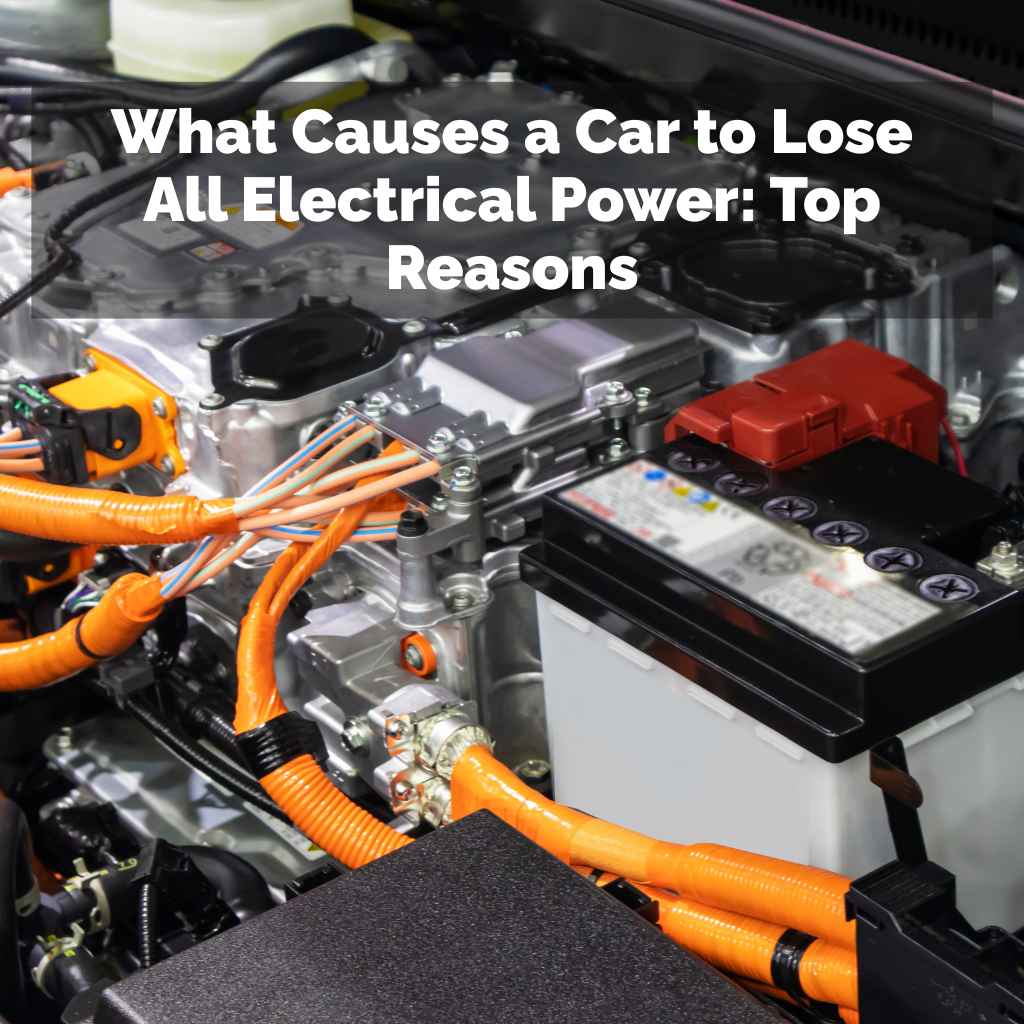
Before diving into causes, it helps to know the basics of how your car’s electrical system operates. This system is like the nervous system of your vehicle. It includes the battery, alternator, starter motor, fuses, wiring, and switches. Each part has a job:
- The battery stores energy and provides power, especially when the engine is off or starting.
- The alternator generates electricity once the engine is running, keeping the battery charged and powering electronics.
- The starter motor uses battery power to turn the engine.
- Wiring, fuses, and relays distribute and protect the flow of electricity.
If any of these parts fail completely, your car can lose all power. Sometimes the failure is sudden; sometimes, it’s the result of a problem that’s been getting worse for a while.

Common Causes Of Complete Electrical Failure
Let’s break down the most likely reasons for a car to lose all electrical power. Each one can stop your car from working—and knowing what to check first can make all the difference.
1. Dead Or Disconnected Battery
The most common reason for a total power loss is a dead battery. Car batteries don’t last forever. On average, they last about 3-5 years, but extreme weather, short trips, or leaving lights on can drain them faster. If the battery is completely dead or has become disconnected (for example, loose or corroded terminals), the car gets no power at all.
A less obvious cause: sometimes the battery terminals are covered in corrosion (white or blue powder), which blocks electricity flow even if the battery is healthy. Cleaning the terminals and tightening the connections can sometimes bring your car back to life.
2. Faulty Battery Cables Or Connections
Even with a good battery, bad battery cables can stop electricity from reaching the car. These cables can become loose, broken, or corroded over time. If you see frayed wires, cracked insulation, or green/white powder on the terminals, that’s a sign of trouble. Sometimes, a cable can even break inside the insulation where you can’t see it.
A hidden insight: on some cars, the ground cable (the wire running from the battery to the car’s frame) can fail, causing a complete loss of power even if everything else looks fine.
3. Blown Main Fuse Or Fusible Link
Cars have a main fuse or a fusible link—these are like large safety switches that protect the car from electrical overloads. If you have a short circuit or a sudden power surge, these main fuses will “blow” (break) and cut off all power to protect the car. A blown main fuse will make the car behave as if the battery is disconnected.
Here’s a key tip: Main fuses are usually found in the fuse box under the hood, not the one inside the car. They’re much larger than regular fuses and may require a wrench or special tool to replace.
4. Alternator Failure
The alternator keeps the battery charged and powers your car’s electronics when the engine is running. If the alternator fails suddenly, the car can drain the battery very quickly and then lose all power—even while driving. Signs of alternator failure before total power loss include dimming lights, warning lights on the dashboard, and strange electrical behavior.
A common mistake: Many people think the battery is always the problem, but if your car dies while driving, the alternator is often the real cause.
5. Bad Ignition Switch
The ignition switch is what you turn with your key (or press with a button) to start the car. Inside, it connects the battery to the car’s electrical circuits. If the switch fails, no power reaches the main systems, and the car acts completely dead—even if the battery and fuses are fine.
This problem is tricky because it can happen suddenly or after weeks of warning signs, like flickering dashboard lights or the engine cutting out for a second.
6. Faulty Starter Motor Or Relay
While the starter motor itself doesn’t power the whole car, a short circuit or failure in the starter relay can sometimes cause a total power loss, especially if it blows a fuse or damages wiring. This is rare but possible, and it’s more likely on older cars where parts are worn.
7. Bad Ground Connection
All the electricity in your car eventually returns to the battery through the ground system (the car’s metal frame). If the main ground wire is loose, broken, or corroded, the car may lose all power. This is a classic “hidden” problem—often missed even by experienced mechanics.
Look for ground wires running from the battery to the engine block or body. If they’re loose or covered in rust, that could be the cause.
8. Damaged Wiring Harness
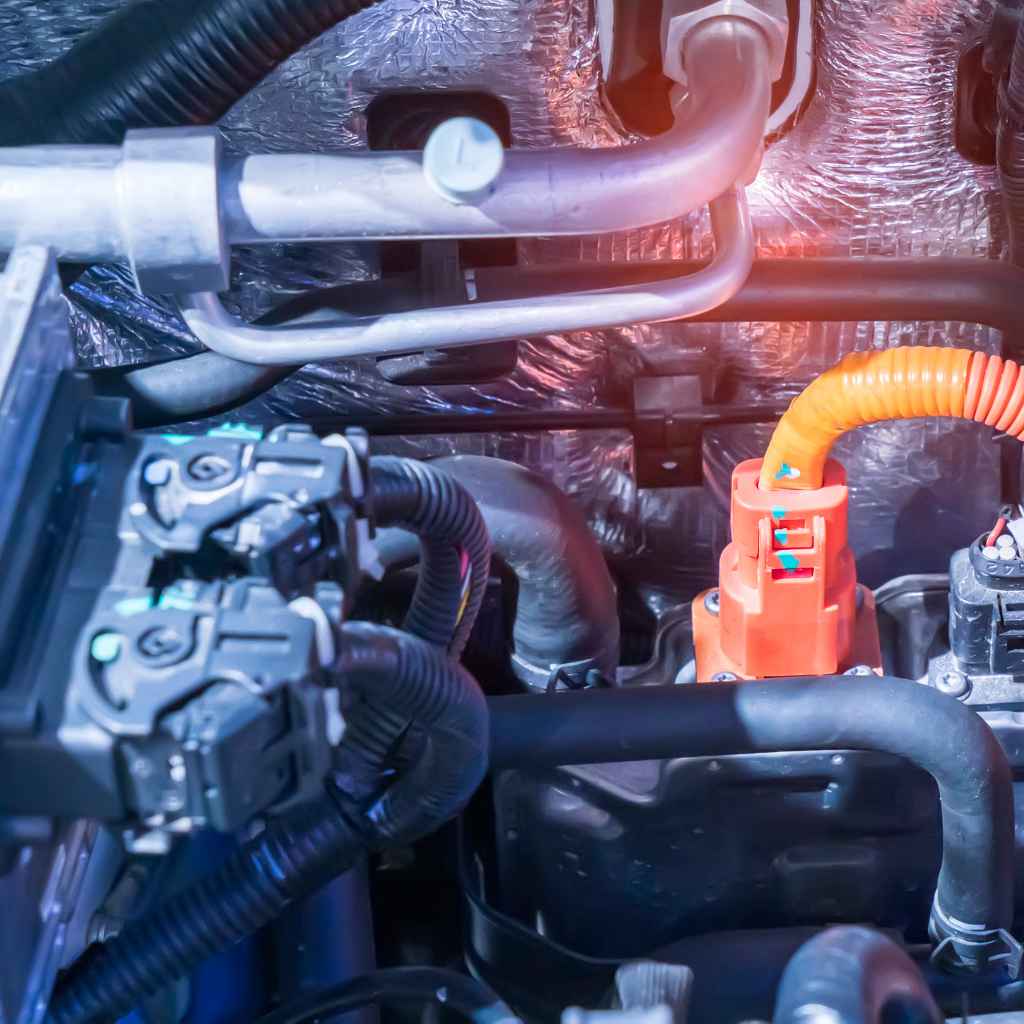
Your car’s wiring harness is a bundle of wires running throughout the vehicle, connecting everything. If the harness is damaged—by rodents, accidents, or age—critical wires can break. This can cut off power to the whole car, especially if the main wires from the battery or alternator are affected.
Rodent damage is a growing problem in many areas, as animals chew on wires for warmth or curiosity.
9. Aftermarket Accessories Or Modifications
Adding new accessories—like stereos, alarms, or lights—can cause problems if not installed correctly. A badly wired accessory can create a short circuit, blow a fuse, or drain the battery overnight. If you lose all power after a recent installation, suspect the new part or wiring.
A smart practice: Always check new wiring connections and use proper fuses when adding accessories.
10. Severe Corrosion
Corrosion doesn’t just happen at the battery. It can affect any electrical connector, especially in older cars or those driven in wet or salty climates. Corroded connections block electricity flow and can cause sudden, total failure. Sometimes, cleaning and reseating connectors is enough to restore power.
11. Faulty Ecu Or Computer System
Modern cars use an engine control unit (ECU) to manage everything from fuel injection to lights. If the ECU fails or loses power (for example, due to a blown ECU fuse), the car may act completely dead. ECU problems are less common but more likely in newer vehicles with advanced electronics.
12. Severe Overload Or Short Circuit
A short circuit happens when a wire touches something it shouldn’t, sending too much current through the system. This can blow fuses, damage wiring, or even cause fires. If the overload is severe enough, the car’s main fuse or fusible link will blow, and all power will be lost.
A fact many miss: Shorts often happen after collisions, repairs, or when wires rub against sharp edges over time.
13. Faulty Relay Or Main Power Distribution Block
Relays are switches that control power to big systems like the starter or fuel pump. If a main relay or the power distribution block (where many wires come together) fails, large parts of the car can lose power. Relays can wear out with age or fail due to water or corrosion.
14. Security System Malfunction
Factory or aftermarket security systems sometimes cut power to prevent theft. If a system malfunctions, it can accidentally shut down the car’s electrical power completely. Symptoms include no response from the key or push-button, and sometimes a flashing security light.
15. Battery Drain From Parasitic Loads
Some devices in your car draw a small amount of power even when the car is off (like clocks or alarms). If one of these parasitic drains becomes too large—because of a fault or a stuck relay—the battery can go dead overnight, leaving your car powerless.
16. Poor Maintenance Or Age
Finally, simple lack of maintenance can cause electrical systems to fail. Old batteries, dirty terminals, ignored warning signs, or skipped inspections can all lead to a sudden power loss. Regular checks and cleaning can prevent most problems.
Signs Your Car Is Losing Electrical Power
Not all electrical failures happen instantly. Here are warning signs that your car’s electrical system is in trouble:
- Dim or flickering lights (headlights, dashboard, interior)
- Clicking or no sound when turning the key
- No power to windows, radio, or locks
- Warning lights on the dashboard, especially battery or alternator
- Burning smell (can mean a short circuit or burning wire)
- Visible corrosion on battery terminals or connectors
Catching these early can save you from being stranded.
Diagnosing A Total Loss Of Power
If your car has lost all electrical power, here’s how to start diagnosing:
- Check the battery: Are the terminals tight and clean? Is the battery old or swollen? Try jump-starting.
- Inspect the main fuse: Look for a burned or broken main fuse under the hood.
- Wiggle the battery cables: If power comes and goes, a cable is likely loose or corroded.
- Check for rodent damage: Look for chewed wires, especially if the car sat unused.
- Look for recent changes: Did you add new accessories or have recent repairs?
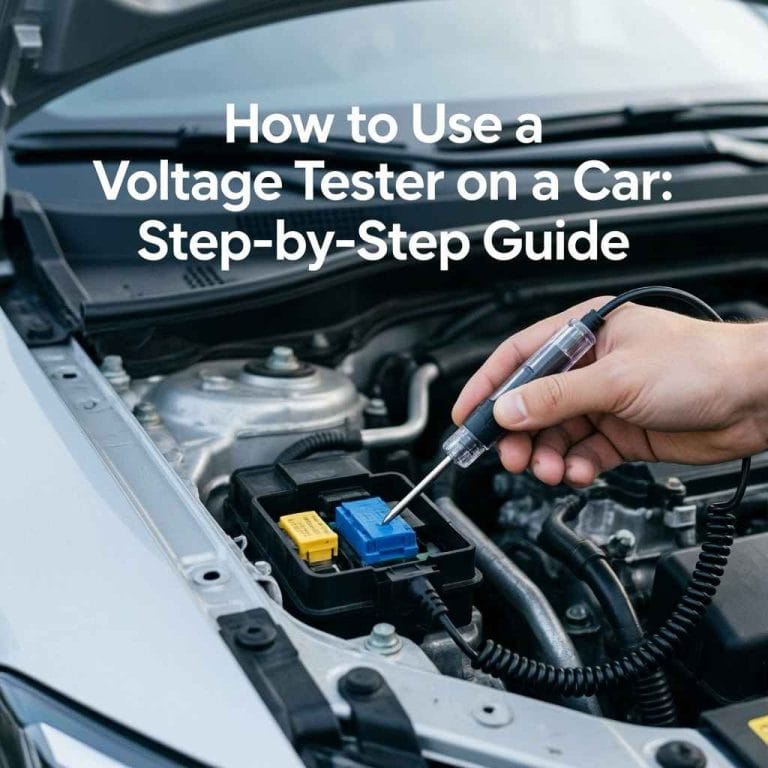
A mechanic will use a multimeter to check voltage at the battery, fuses, and main cables. If you’re comfortable, you can do the same. Always work safely—disconnect the battery before touching wiring.
Here’s a quick comparison of common causes and their symptoms:
| Cause | Symptoms | Quick Check |
|---|---|---|
| Dead Battery | No lights, no sound, won’t start | Jump-start, check voltage |
| Blown Main Fuse | Completely dead, even after jump | Inspect main fuse under hood |
| Bad Cables | Power comes and goes, visible corrosion | Wiggle cables, clean terminals |
| Alternator Failure | Dies while driving, battery light on | Test charging voltage |
Preventing Total Power Loss
Prevention is easier than repair. Here’s what you can do:
- Inspect battery and cables every oil change. Look for corrosion or looseness.
- Replace batteries every 3-5 years, or sooner in hot/cold climates.
- Check fuses if you notice any electrical problems.
- Avoid cheap accessories. Poor-quality electronics can cause shorts.
- Fix warning lights right away. Don’t ignore battery or alternator lights.
- Keep wiring clean and dry. Water and salt speed up corrosion.
- Ask about rodents if you park outside or in storage.
Here’s a table showing how often to check key parts:
| Part | Inspection Frequency | Replacement Interval |
|---|---|---|
| Battery | Every oil change | 3-5 years |
| Battery Cables | Every oil change | As needed (when damaged) |
| Main Fuses | Annually | When blown |
| Alternator | Annually | 7-10 years |
What To Do If Your Car Loses All Power
If your car suddenly loses all electrical power:
- Stay calm and safe. If you’re driving, try to steer to the side of the road and stop.
- Turn off ignition and remove the key.
- Open the hood and check the battery connections. Look for anything obviously loose or corroded.
- Try jump-starting if you suspect the battery.
- Check fuses under the hood, especially the main fuse.
- Call for help if you can’t find the problem. Sometimes a tow is safer than guessing.
Never keep trying to start a car that’s completely dead—it can damage the starter or electronics.
Real-world Examples
Consider these real-life scenarios:
- A driver left their headlights on overnight. In the morning, the car was completely dead. Jump-starting worked, but the battery needed replacement soon after.
- After installing a new stereo, a car lost all power the next day. The fuse for the stereo was missing, causing a short and blowing the main fuse.
- An older car kept dying at random times. Mechanics found a loose ground cable hidden under the battery tray—tightening it solved the issue for good.
- A car in storage had wires chewed by mice, leading to a sudden loss of all power. Repairs involved replacing the main harness.
These examples show that the cause isn’t always obvious, but a step-by-step approach can solve most problems.
Advanced Diagnostics: When To See A Professional
Some electrical failures need expert tools and knowledge. Go to a professional if:
- You’ve checked the battery, cables, and fuses, and found nothing.
- The car has complex electronics (hybrid, luxury, or new models).
- You see signs of rodent damage or water leaks.
- There is a burning smell or signs of melted plastic.
Professionals use advanced tools to test voltage, resistance, and wiring continuity. Trying to fix complex electrical problems without experience can cause more damage.
Surprising Facts And Data
- About 44% of roadside breakdowns are due to battery or electrical problems, according to the AAA.
- Main fuses are designed to blow at specific amperages, often 60-120A for most cars.
- Rodent-related wiring damage has increased by over 30% in some regions, partly due to soy-based wire insulation.
- Modern cars can have up to 70 computers (control modules), making electrical problems more complex.
Comparing Causes: How Likely Are They?
Let’s compare the likelihood of each cause for a total power loss:
| Cause | Likelihood (1–5, 5=most common) | Average Repair Cost |
|---|---|---|
| Dead Battery | 5 | $100–$200 |
| Blown Main Fuse | 3 | $10–$100 |
| Alternator Failure | 3 | $400–$800 |
| Bad Wiring | 2 | $50–$500 |
| Ignition Switch | 2 | $150–$350 |
This shows that while the battery is the most common and cheapest to fix, other causes can be more expensive and harder to find.
Frequently Asked Questions
What Is The First Thing To Check If My Car Has No Electrical Power?
Start with the battery terminals. Make sure they are clean, tight, and not corroded. If the battery is more than three years old or shows signs of swelling or leaking, it may need to be replaced.
Can A Blown Fuse Cause My Car To Lose All Power?
Yes, especially if it’s the main fuse or fusible link. These control power to the entire vehicle. Check the large fuses under the hood, not just the small ones inside the car.
How Can I Tell If My Alternator Or Battery Is The Problem?
If your car dies while driving or the battery warning light comes on, it’s likely the alternator. If the car is dead after sitting overnight or after using accessories, the battery is more likely to blame. Many auto parts stores can test both for free.
Is It Dangerous To Keep Trying To Start A Car With No Electrical Power?
Yes. Repeatedly trying can damage the starter or other electronic parts. If the car is totally dead, stop and check the basics before trying again.
Where Can I Find More Information About Car Electrical Systems?
A good resource is the Wikipedia page on automotive electrical systems, which explains more about how these systems work and the parts involved.
Losing all electrical power in your car is never convenient, but understanding the causes and solutions gives you the confidence to handle the situation. By staying alert to warning signs, keeping up with maintenance, and knowing where to look first, you’ll be ready if your car ever refuses to wake up.
And when in doubt, don’t hesitate to call a professional—sometimes, that’s the quickest way back on the road.
Products related to this article
Sponsored / affiliate links. As an Amazon Associate I earn from qualifying purchases. I may earn additional commission from eligible campaigns.