How to Compare Sedan vs SUV Before You Decide on Costs
Use a weighted scorecard: if commute, parking, and fuel cost matter most, a sedan usually wins; if passengers, rough roads, or cargo matter more, an SUV may come out ahead when those categories make up a large share of your score. Pick wrong and you may pay for extra fuel, harder parking, or a cabin that fits your life poorly. This guide shows how to weight roads, passengers, parking, and ownership costs so the sedan-vs-SUV choice stays factual.
This guide is part of our Car comparison guide series.
| Factor | How to compare sedan | SUV before you decide | Winner |
|---|---|---|---|
| City driving and parking | Usually easier to place in tight spaces, with a lower body and less space demanded by parking. | Needs more room to park and move in cramped streets. | How to compare sedan |
| Ground clearance and rough roads | Moderate ground clearance; better for paved routes than broken surfaces. | High ground clearance; better for potholes, speed breakers, and waterlogging-prone roads. | SUV before you decide |
| Highway stability | Lower center of gravity helps body control at speed and lane changes. | Taller body can feel less settled at speed, especially in quick lane changes. | How to compare sedan |
| Cargo and rear-seat flexibility | Large cabin with a separate boot, but less open packing flexibility. | Highly spacious flexible cargo layouts and easier tall-item loading. | SUV before you decide |
| Ownership cost burden | Often easier on fuel and tires when kept to a sensible engine choice. | Heavier bodies usually bring higher fuel use and higher running costs. | How to compare sedan |
| Visibility and seating position | Lower and closer to the road, which often feels more settled at speed. | Elevated seating position and commanding view can help some drivers feel more confident in traffic. | Tie |
| Best-fit use | Usually better when paved roads, highway stability, and lower running costs matter most. | Usually better when passengers, rough roads, cargo, and higher clearance matter more. | Tie |
| Road and route fit | Works well when roads are paved and the buyer values easier handling. | Wins when potholes, speed breakers, unpaved stretches, or waterlogging are part of the route. | SUV before you decide |
| Parking room and maneuvering | Better for tight spaces and cramped streets. | Requires larger parking spaces and more room to move. | How to compare sedan |
Why this comparison needs a scorecard

Most sedan-vs-SUV advice stops at shape. That misses the buying problem: roads, parking, passengers, cargo, and budget decide the better fit, not a badge or body style. I have seen a sedan work beautifully for one driver and fail badly for another with the same commute.
What the usual advice misses
Broad claims like “SUVs are for families” and “sedans are for commuters” flatten the trade-offs that matter. A solo driver with easy highway access may pay for SUV height, weight, and larger parking needs without using those benefits. A family on rough roads may feel the sedan’s lower stance and smaller obstacle tolerance every week.
Which buying factors matter most in real use
The best factors are the ones that hit every day: road surface, parking room, passenger count, cargo shape, visibility, and running costs. A useful comparison needs weights, because one buyer can live with a smaller trunk if parking is tight, while another will pay more for extra rear-seat room and cargo flexibility.
Build your sedan-vs-SUV decision matrix

The matrix works by giving each category a weight, then scoring both body styles against your own use pattern. Keep the scale simple. A 1-to-5 score can be enough, as long as the weights reflect your own priorities instead of your guess about what should matter.
Choose the factors to weight
- City driving and parking.
- Highway use.
- Cargo needs.
- Rear-seat comfort.
- Ground clearance and road condition fit.
- Ownership costs.
- Visibility and seating position.
Assign scores for your own driving and parking pattern
Use weights that add up to 100, or as close as practical for your method. Then score each body style from 1 to 5 for each factor. A simple commuter example might give higher weight to city driving and ownership cost, with smaller weights for highway use, parking, cargo, rear-seat comfort, and ground clearance. A rough-road family would move weight toward road clearance, passengers, and cargo.
Read the final result without overthinking it
Add the weighted scores. The larger total takes it. If the totals are close, the closer one is often the better daily fit, because small differences usually mean the cars are separated by preference, not by actual use. If one body style wins by a wide margin in your top-weighted categories, that result usually matters more than a general reputation.

How do roads and ground clearance change the answer?
Road quality can change the choice quickly. An SUV wins when potholes, speed breakers, unpaved stretches, or waterlogging are part of the route. A sedan often wins when roads are paved and the buyer values a lower center of gravity, easier handling, and a body that feels closer to the road.
Potholes, speed breakers, and waterlogging
Ground clearance matters because it changes what the car can pass without scraping. SUVs offer ample ground clearance, and they suit roads that are uneven, unpaved, or prone to waterlogging. A sedan’s moderate ground clearance is fine for many cities, but repeated contact with broken surfaces gets old fast.
Ground clearance trade-offs: obstacle clearance versus height and handling
Higher clearance usually brings a taller body. That can raise the center of gravity, which affects stability and body control. In practice, the buyer is trading obstacle tolerance for a higher stance and a different handling feel. If the roads are easy, the extra height can be wasted.
How do seating position and visibility affect daily driving?
An SUV gives an elevated seating position and a commanding view, which can help some drivers feel more confident in traffic. A sedan puts the driver lower and closer to the road, which often feels more settled at speed. The right choice depends on whether the buyer wants a higher outlook or a more road-hugging driving position.
Higher driving view in an SUV
That higher seat can make traffic reading easier, especially in dense urban driving. Some drivers like seeing farther ahead over adjacent cars. The trade-off is that a higher view does not remove blind spots, and the taller body can feel bulkier when threading through narrow gaps.
Lower road-hugging position in a sedan
A sedan’s lower position often improves the sense of connection to the road. That can help with steering confidence and lane placement on fast roads. The lower seating height may feel less commanding in traffic, but it often brings a calmer driving feel.
Confidence in traffic and blind-spot awareness
Visibility is not just about height. Window shape, pillar thickness, mirror placement, and seat height all matter. A buyer should sit in both body styles and check whether the A-pillars block turns, whether rear visibility is clear, and whether the mirrors cover adjacent lanes without strain.
How do trunk space and rear seat comfort compare in a sedan vs SUV?
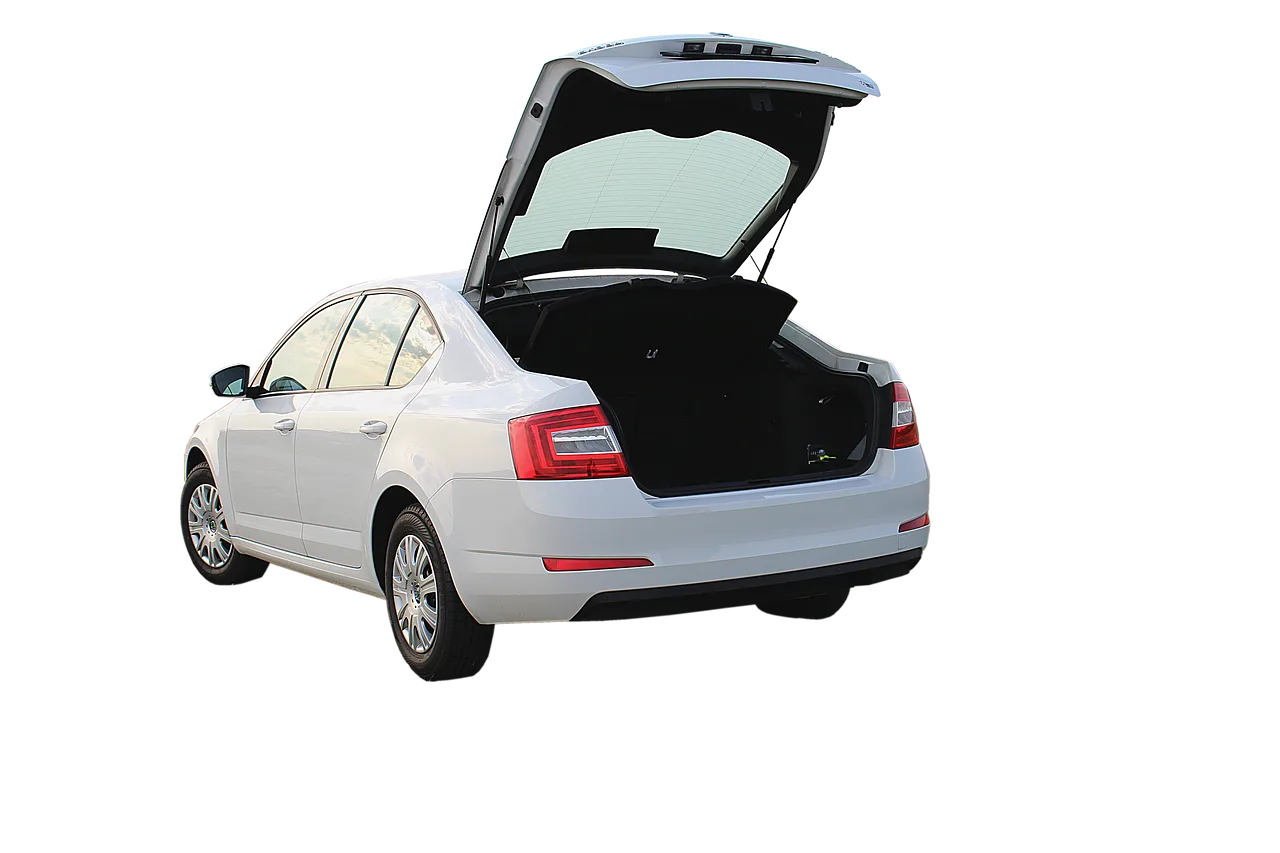
A sedan usually gives a separate boot compartment, which helps with privacy and luggage security. An SUV usually gives a more open cargo area and highly spacious flexible cargo layouts, which is better for odd-shaped bags and bulky items. For passengers, the better choice depends on legroom, knee room, headroom, and seat comfort.
Trunk or boot versus open cargo area
A sedan’s separate boot keeps bags out of sight and can reduce loose-item clutter in the cabin. That is useful for commuting and airport runs. An SUV’s open cargo area makes loading easier, especially for tall items, strollers, and large boxes, but it gives up some privacy.
Privacy, security, and packing flexibility
A closed boot helps hide valuables and keeps the cabin cleaner. An open cargo bay is easier to reconfigure, but it exposes items unless the vehicle has a good cover or cargo screen. Buyers who haul groceries, work gear, or travel bags often care more about shape and access than raw volume claims.
Legroom, knee room, headroom, and ride comfort
Rear-seat comfort is not a slogan. Check knee room with the front seats set for real drivers, then check headroom with the rear passenger upright. Families should sit the actual passengers in the car if possible. A sedan can be roomy enough for adults in back; an SUV can still feel cramped if the floor is high or the seats are oddly shaped.
Which is better for highway use and city use?
A sedan is usually better for highway use because its lower body helps stability, lane changes, and ride refinement. An SUV is usually better for city use when roads are rough, traffic is messy, or parking is less of a concern than visibility and clearance. The deciding factor is where the car spends most of its time.
Highway stability, lane changes, and ride refinement
At speed, body control matters. Sedans generally feel more settled because of the lower stance and lower center of gravity. That helps on long trips and during lane changes. SUVs can still be comfortable on highways, but their height can make them feel less planted when pushed or when crosswinds appear.
Parking, turning room, and tight-space maneuvering
City buyers should pay attention to turning room and parking size. The table data here is blunt: sedan city commuting needs more turning room than a hatchback, while SUVs need large parking spaces. That means an SUV can be the wrong choice for mostly urban solo driving, especially if street parking is tight and the car will be used every day.
What costs should you compare before buying?
Compare more than fuel. Fuel economy, tire cost, insurance, maintenance, and depreciation all matter. Sedan fuel economy is highly dependent on engine choice, while an SUV’s extra weight and taller body often raise running costs. The cheapest car to buy is not always the cheapest car to own.
Fuel economy in city and highway driving
City use punishes heavy vehicles because stop-and-go traffic increases the cost of moving mass repeatedly. Highway use is usually easier on both body styles, but the SUV still tends to carry a weight penalty. If the route is mostly urban and the mileage is high, a sedan often keeps monthly fuel spend lower.
Tires, insurance, maintenance, and depreciation
Large wheels and heavier vehicles can bring higher tire costs. Insurance can rise with vehicle value and repair exposure. Maintenance varies by model, but the buyer should not assume the cost gap is only about fuel. Depreciation also matters, especially if the vehicle will be sold in a few years.
Download the matrix and try a sample scoring example
Use the worksheet below as a reusable decision tool. Save the categories, set your weights, score each body style, and total the columns. A clean worksheet makes the sedan-vs-SUV choice repeatable instead of emotional.
How to fill in the worksheet
- Write your daily use pattern: city, highway, mixed, or rough-road.
- Assign weights to each category so the total is 100.
- Score sedan and SUV from 1 to 5 in each category.
- Multiply each score by the weight.
- Add the totals and compare the result.
- Review the categories where the gap is biggest.
| Category | Weight | Sedan score | SUV score | Weighted winner |
|---|---|---|---|---|
| City driving | 25 | 5 | 3 | Sedan |
| Highway use | 15 | 5 | 4 | Sedan |
| Cargo needs | 10 | 3 | 5 | SUV |
| Rear-seat comfort | 10 | 4 | 4 | tie |
| Ground clearance | 15 | 2 | 5 | SUV |
| Ownership costs | 20 | 5 | 3 | Sedan |
| Parking constraints | 5 | 4 | 2 | Sedan |
| Total | 100 | 388 | 390 | SUV |
Example: small family, city commuter, or rough-road driver
In this sample, the SUV wins by a narrow margin because ground clearance and cargo matter enough to offset the sedan’s lead in city use, highway use, ownership costs, and parking. If the same buyer lowered the ground-clearance weight and increased parking or fuel weight, the sedan would likely win. That is the point of the matrix: small changes in daily use should change the result.
Frequently asked questions
Is a sedan or SUV better for my daily driving?
For mostly city commuting, tight parking, and lower fuel spend, a sedan is often the better daily driver. If the route includes rough roads, frequent passengers, or a lot of cargo, an SUV can be the better fit. The correct answer comes from the pattern you repeat most days, not from a general reputation.
What should I compare before choosing between a sedan and SUV?
Compare road quality, parking room, passenger count, cargo shape, rear-seat comfort, visibility, fuel use, tires, insurance, maintenance, and depreciation. Also check the seat position and the actual boot or cargo opening. A buyer who compares only size usually misses the trade-offs that decide day-to-day satisfaction.
Which is better for highway driving, sedan or SUV?
A sedan is usually better for highway driving because it tends to feel more stable, less top-heavy, and more settled during lane changes. That lower stance often improves ride refinement. An SUV can still be comfortable, but the driver should accept the taller body and the handling trade-off that comes with it.
Which is better for city driving, sedan or SUV?
A sedan is often better in the city when parking is tight and fuel cost matters. An SUV can work well if the roads are broken, the driver wants a higher seat, or cargo loading matters more than parking ease. The city answer changes fast when street parking is difficult.
How do ground clearance and seating position affect the choice?
Ground clearance decides how well the car handles potholes, speed breakers, and waterlogging, while seating position changes what the driver can see and how the car feels in traffic. A higher SUV seat helps visibility and confidence. A lower sedan seat usually improves road feel and can make high-speed driving calmer.
How do trunk space and rear seat comfort compare in a sedan vs SUV?
A sedan usually has a separate boot that protects luggage and keeps items private. An SUV usually has a more open cargo area and easier shape for bulky loads. Rear-seat comfort depends less on body style alone and more on legroom, knee room, headroom, and how well the seats support adults on longer trips.
What costs should I compare before buying a sedan or SUV?
Start with fuel, then add tire cost, insurance, maintenance, and depreciation. Sedan fuel economy is highly dependent on engine choice, and SUV weight often raises running cost. A bigger car can feel easier to live with for passengers, but the long-term bill is often higher even when the sticker price looks close.
Choose a sedan if… choose an SUV if…
Choose a sedan if your driving is mostly paved, your parking is tight, your mileage is high, and you care about highway stability and lower running costs. Choose an SUV if your roads are uneven, unpaved, or prone to waterlogging, you carry more passengers or cargo, or you need easier loading and a higher seat position.
If commute, parking, and fuel use carry the most weight, the sedan usually comes out ahead. If road clearance, passenger space, and cargo needs take most of the score, the SUV is the stronger fit when those categories make up most of your total.
Products related to this article
Sponsored / affiliate links. As an Amazon Associate I earn from qualifying purchases. I may earn additional commission from eligible campaigns.