When Do You Bleed Car Brakes? Signs You Shouldn’T Ignore
If your car’s brakes feel soft, spongy, or less responsive, you’re facing a potentially dangerous situation. Brake systems are engineered to deliver consistent, reliable stopping power, but even minor issues can compromise safety. One of the most overlooked maintenance tasks is brake bleeding—the process of removing air bubbles from the brake lines. Ignoring signs that your brakes need bleeding can lead to increased stopping distances, unpredictable braking, or even total brake failure.
Understanding when and why to bleed your car’s brakes is critical for both safety and performance. Whether you’re a DIY enthusiast or rely on a mechanic, knowing the warning signs and proper maintenance intervals ensures your brake system remains in peak condition.
This guide explores the symptoms that indicate it’s time to bleed your brakes, the science behind hydraulic brake systems, and actionable steps to maintain your vehicle’s braking performance.
Key Takeaways
- Soft or spongy brake pedal is a primary indicator that air is present in the brake lines and bleeding is necessary.
- Routine brake bleeding is recommended every 2-3 years or after any brake system repair.
- Ignoring signs of brake issues increases the risk of brake failure and compromises vehicle safety.
- Professional brake bleeding ensures optimal performance and extends the life of brake components.
- Real-world examples highlight the consequences of delayed maintenance and the benefits of timely brake bleeding.
Understanding Brake Bleeding: The Basics
Brake bleeding is the process of removing trapped air from a vehicle’s hydraulic brake system. Air in brake lines disrupts the transfer of force, causing performance issues and safety risks. The hydraulic system relies on brake fluid to transmit pressure from the pedal to the calipers, which clamp the brake pads onto the rotors, slowing the vehicle.
How Hydraulic Brakes Work
Hydraulic brakes use incompressible brake fluid to transmit force. When you press the brake pedal, the master cylinder pushes fluid through the brake lines to the calipers. If air enters the system, it compresses under pressure, absorbing force that should go to the brakes themselves.
This transfer of force relies on Pascal’s Law, which states that pressure applied to a confined fluid is transmitted equally in all directions. When the pedal is pressed, the resulting hydraulic pressure is instantly distributed to each caliper or wheel cylinder.
This uniform pressure allows for even braking force on all wheels, maximizing safety and control.
Modern vehicles may incorporate complex hydraulic circuits, including Anti-lock Braking Systems (ABS) and Electronic Brakeforce Distribution (EBD), which further rely on the integrity of the brake fluid and the absence of air to function correctly. In these advanced systems, even tiny amounts of air can interfere with the sensitive solenoids and valves, resulting in warning lights or a loss of ABS function.
Why Air Gets Into Brake Lines
Common causes include:
- Brake fluid leaks from worn seals or hoses. Even a small leak can allow air to enter, especially when the system cools and contracts, drawing air in through compromised spots.
- Brake component replacement (calipers, hoses, master cylinder). Opening the hydraulic system inevitably introduces air, requiring bleeding to restore proper function.
- Fluid changes or top-offs without proper technique. If the reservoir is allowed to run dry, or if the cap is left off too long, air can enter, or moisture can contaminate the fluid.
- Overheating causing fluid vaporization. In extreme braking situations, such as mountain driving or towing, the fluid can boil, creating vapor bubbles that behave like air in the system.
- Improper installation or repair. Occasionally, a hurried or inexperienced mechanic may not properly bleed the system after servicing, leaving air trapped.
The Importance Of Brake Bleeding
Proper brake bleeding:
- Restores brake pedal firmness, providing the driver with confidence and immediate feedback.
- Ensures consistent braking performance, especially in critical moments or emergency stops.
- Prevents component damage from contaminated fluid or moisture, which can corrode internal parts and reduce the life of master cylinders, calipers, and ABS units.
- Enhances vehicle safety by maintaining the designed stopping power and preventing erratic brake behavior.
According to the National Highway Traffic Safety Administration, brake-related issues account for over 300,000 accidents annually in the U.S. (NHTSA). Many of these could be prevented with regular inspections and maintenance, including timely brake bleeding.

Credit: lilyhospitals.com
Signs You Shouldn’t Ignore: When To Bleed Car Brakes
Recognizing early warning signs is essential to avoid costly repairs and ensure safety. Here are the most critical symptoms indicating it’s time to bleed your brakes.
Soft Or Spongy Brake Pedal
A soft or spongy pedal is the hallmark symptom of air in the brake lines. When pressed, the pedal may sink further than usual or feel less responsive. This occurs because air compresses, unlike brake fluid, reducing stopping power.
In addition to a softer pedal, drivers may notice a delay between pressing the pedal and feeling the brakes engage. This mushy sensation is often accompanied by the need to press the pedal further than normal to achieve the same braking effect.
Increased Stopping Distance
If your vehicle requires more distance to come to a complete stop, it’s likely that the hydraulic system is compromised. This symptom is particularly dangerous in emergency situations.
For example, a car that typically stops within 120 feet from 60 mph may see that distance increase to 140 feet or more if air is present, especially in wet or slippery conditions. This reduced effectiveness can be the difference between avoiding a collision and becoming involved in one.
Brake Pedal Goes To The Floor
A pedal that travels all the way to the floor with minimal resistance signals a severe issue. Immediate brake bleeding—or professional inspection—is required to restore safe operation.
This may be accompanied by a total lack of braking force. In extreme cases, the pedal may not return to its normal height after being released, indicating a potential leak or catastrophic failure within the master cylinder or hydraulic lines.
Visible Brake Fluid Leaks
Leaking fluid not only introduces air into the system but can also damage nearby components. Inspect around the master cylinder, calipers, and brake lines for signs of leakage.
Brake fluid is hygroscopic (absorbs water), and leaks can lead to corrosion on painted surfaces or rubber parts. Even a small wet spot under the car may indicate a significant internal leak, especially if accompanied by low fluid levels in the reservoir.
Recent Brake Service Or Replacement
After replacing brake components (pads, rotors, calipers, hoses), air often enters the system. Bleeding brakes is standard practice post-service to ensure optimal performance.
Neglecting this step can result in unsatisfactory pedal feel and reduced braking effectiveness, even if all parts are new. Always verify that the shop or technician has performed a thorough bleed after any hydraulic work.
Unusual Brake Noise
While noise alone doesn’t always indicate air in the lines, combined with other symptoms, it suggests a compromised hydraulic system.
Hissing or bubbling noises when pressing the pedal may indicate air is present. Coupled with a soft pedal, these sounds should prompt immediate attention.
Comparison Table: Symptoms Vs. Causes
| Symptom | Possible Cause | Recommended Action |
|---|---|---|
| Soft/Spongy Pedal | Air in Brake Lines | Bleed Brakes |
| Pedal Goes to Floor | Severe Air, Fluid Leak | Bleed & Inspect System |
| Increased Stopping Distance | Contaminated Fluid, Air | Bleed Brakes |
| Brake Fluid Leaks | Worn Seals, Damaged Lines | Repair & Bleed System |
| After Brake Service | System Opened | Bleed Brakes |
Credit: nationalav.aero
When To Bleed Brakes: Maintenance Intervals And Best Practices
Regular brake bleeding isn’t just for emergencies. Routine maintenance enhances safety, extends component lifespan, and improves vehicle performance.
Recommended Bleeding Intervals
Most experts suggest bleeding brakes every 2-3 years. However, intervals may vary based on:
- Driving conditions: Frequent stop-and-go or mountainous driving accelerates fluid degradation. City drivers may find their fluid deteriorating faster due to frequent braking, while those living in hilly regions put extra thermal stress on the brake system.
- Vehicle age: Older vehicles may require more frequent attention, as seals and hoses degrade over time, increasing the likelihood of leaks and air intrusion.
- Manufacturer recommendations: Always consult your owner’s manual. High-performance vehicles or those with advanced systems (ABS, EBD) may require more frequent service.
Many European manufacturers, such as BMW and Mercedes-Benz, specify brake fluid changes every two years regardless of mileage, due to their vehicles’ sensitive electronics and high-performance standards.
Situations Requiring Immediate Bleeding
- After any brake system repair: Opening the system during part replacement or repair introduces air.
- Following fluid contamination: If water, dirt, or incorrect fluid is added, bleed and flush the system.
- If brake fluid appears dark or cloudy: This indicates moisture or contaminants, which reduce the fluid’s boiling point and effectiveness.
- After severe overheating or heavy use: Such as towing, track driving, or descending long mountain grades. Boiled fluid can create vapor bubbles that must be removed.
Best Practices For Brake Bleeding
- Use the correct brake fluid type (DOT 3, DOT 4, DOT 5.1) as specified in your owner’s manual. Mixing incompatible fluids can cause seal swelling or failure.
- Follow a proper bleeding sequence—usually the furthest wheel from the master cylinder first, but always check your vehicle’s service manual for specifics. Some cars, especially with ABS, require a particular order or special procedures.
- Inspect for leaks before and after bleeding. Even a slow leak can introduce air and reduce effectiveness.
- Dispose of old fluid responsibly. Brake fluid is hazardous waste—never pour it down drains or onto the ground.
- Keep the reservoir filled during bleeding: Letting the master cylinder run dry will introduce more air and require starting over.
- Use clean, unopened brake fluid: Brake fluid absorbs moisture from the air, so always use fresh, sealed bottles.
Brake Fluid Types Comparison
| Fluid Type | Boiling Point (Dry/Wet) | Recommended Use | Compatibility |
|---|---|---|---|
| DOT 3 | 205°C / 140°C | Standard Vehicles | Mix with DOT 4 |
| DOT 4 | 230°C / 155°C | Performance Cars | Mix with DOT 3 |
| DOT 5.1 | 260°C / 180°C | High-Performance, ABS | Mix with DOT 4 |
| DOT 5 | 260°C / 180°C | Classic Cars | Not compatible with DOT 3/4 |
For more on brake fluid standards, visit Wikipedia: Brake Fluid.
Credit: us.rabaconda.com
The Science Behind Brake Bleeding And Performance
Understanding why air impacts braking helps prioritize maintenance. The physics of hydraulic systems dictates that any compressible material—like air—reduces efficiency.
Air Compressibility Vs. Brake Fluid
Brake fluid is incompressible; air is compressible. When air enters the system, it absorbs force and reduces the transfer of pressure to the calipers.
In practical terms, this means that while brake fluid reliably transmits the force you apply, air pockets act like tiny springs, soaking up some of that force. As a result, not all your pedal effort reaches the brakes, causing delayed or weakened response.
Impact On Brake Performance
- Delayed pedal response: The initial pedal movement compresses air, not fluid, creating a lag.
- Reduced braking force: Less force is delivered to the calipers or drums, increasing stopping distances.
- Potential for total brake failure: In extreme cases, especially with a major leak, the system may fail to build pressure, resulting in total loss of braking ability.
Even a small amount of air can reduce braking efficiency by 20-40%. In systems with ABS, air can cause the system to malfunction or trigger warning lights, as the system cannot modulate pressure accurately.
Case Study: Fleet Maintenance Example
A delivery company in Chicago experienced increased incidents of brake fade and accidents. Analysis revealed that routine brake bleeding had been neglected. After implementing a strict maintenance schedule, incidents dropped by 35%, and vehicle downtime decreased (Fleet Management Weekly).
This case highlights the tangible benefits of systematic maintenance—not just in safety, but in reduced operating costs, insurance claims, and driver confidence.
Brake Bleeding Methods
- Manual Bleeding: Requires two people; one pumps the pedal, the other opens bleeder valves. This method is reliable but can be labor-intensive and risks fluid aeration if done too quickly.
- Pressure Bleeding: Uses pressurized equipment for efficient air removal. Fluid is forced through the system, pushing air ahead of it. Ideal for large shops or frequent service.
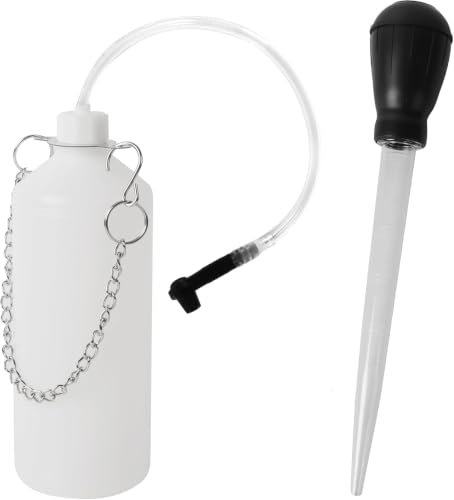
- Vacuum Bleeding: Draws fluid and air out via a vacuum pump attached to the bleeder screw. This method is efficient for solo work and less likely to introduce new air, but can be slower on heavily contaminated systems.
- Gravity Bleeding: Fluid is allowed to flow out of the bleeder by gravity. While simple, it is time-consuming and not effective for stubborn air bubbles or complex systems.
Comparison Table: Brake Bleeding Methods
| Method | Equipment Needed | Efficiency | Best For |
|---|---|---|---|
| Manual | Assistant, Wrench | Moderate | DIY, Simple Systems |
| Pressure | Pressure Bleeder | High | Professional, Large Fleets |
| Vacuum | Vacuum Pump | High | Single Operator, Home Garage |
| Gravity | Clear Tube, Container | Low | Classic Cars, Patience Required |
For more technical details, see Autoblog: Brake Fluid Change.
Real-world Examples: Brake Bleeding In Action
Examining real cases underscores the importance of timely brake bleeding.
Case Study 1: Family Suv Brake Failure
A family in Colorado noticed their SUV’s brakes felt soft after a weekend mountain drive. Ignoring the signs, they delayed maintenance. Within weeks, the vehicle’s stopping distance increased, and a near-miss incident prompted a dealership visit. Technicians found air in the brake lines caused by overheating and recommended immediate bleeding.
Post-service, pedal feel and performance returned to normal.
This example illustrates how environmental factors (steep descents, heavy braking) can rapidly degrade fluid and introduce air. Addressing symptoms early can prevent dangerous situations.
Case Study 2: Sports Car Track Day
An amateur racer took his sports car to a local track event. After several high-speed laps, the brake pedal became spongy. Track officials advised bleeding the brakes, which restored pedal firmness and allowed the driver to safely continue. This example highlights how aggressive driving accelerates fluid degradation.
Track driving generates temperatures well above typical street conditions, quickly boiling old fluid and creating vapor bubbles. Regular bleeding is a must for track enthusiasts.
Case Study 3: Commercial Fleet
A construction company with a fleet of trucks implemented a policy to bleed brakes every 18 months. Prior to this change, trucks experienced frequent brake fade and downtime. After adopting the new schedule, brake-related incidents fell by over 40%, saving thousands in repair costs and insurance claims (Trucking Info).
Routine preventive maintenance not only improved safety but also reduced business disruptions and long-term expenses.
Case Study 4: Classic Car Restoration
A collector restoring a vintage Mustang found the brake pedal was always soft, despite new parts. After multiple attempts, he discovered small leaks in hard-to-see areas and residual air pockets. Switching to pressure bleeding and replacing leaking fittings finally solved the problem, restoring the car’s original braking performance.
This underscores the challenges of older vehicles, where aged lines and fittings are more prone to leaks and air intrusion.
Diy Vs. Professional Brake Bleeding: Which Is Right For You?
Choosing between DIY and professional brake bleeding depends on your skills, tools, and vehicle type.
Diy Brake Bleeding
Advantages:
- Cost savings, as professional labor can be expensive.
- Immediate access, allowing you to address issues as soon as they arise.
- Educational, offering hands-on understanding of your vehicle’s braking system.
Requirements:
- Basic tools (wrench, tubing, brake fluid), and sometimes a second person.
- Knowledge of bleeding sequence and correct fluid type.
- Willingness to follow safety precautions, such as properly lifting the vehicle and wearing gloves.
Risks:
- Incorrect bleeding can leave air in system, compromising safety.
- Potential for fluid spills, which can damage paint or rubber.
- On ABS-equipped vehicles, improper bleeding can trigger warning lights or require specialized scan tools to cycle the valves.
Tips for success:
- Always consult a reliable repair manual or video for your specific vehicle.
- Keep the brake fluid reservoir full throughout the process.
- Clean up any spilled fluid immediately to prevent damage.
Professional Brake Bleeding
Benefits:
- Advanced equipment (pressure/vacuum bleeders) allows for thorough, efficient bleeding.
- Experienced technicians can diagnose related issues (leaks, worn parts) during service.
- Inspection of related components (hoses, calipers, ABS module) ensures a comprehensive check-up.
- Warranty on work performed at reputable shops.
Costs:
- Labor charges ($60–$150 per service), depending on vehicle complexity and shop rates.
- Higher for complex vehicles (ABS, performance cars), which may require specialized procedures.
When To Choose Professional Service
- After major brake repairs or complete system replacements.
- If symptoms persist after DIY bleeding or if you lack the necessary tools.
- For high-performance, classic, or specialty vehicles, where precision is critical.
- If your vehicle has advanced brake systems (ABS, EBD, stability control) that may require scan tools for proper bleeding.
According to a survey by AAA, nearly 70% of drivers prefer professional brake service for peace of mind (AAA). The assurance of expert work and the ability to address unforeseen issues often outweighs the cost for most vehicle owners.
Preventing Brake System Issues: Maintenance Tips
Proactive maintenance reduces risk and extends brake lifespan.
Regular Inspections
- Check brake fluid levels monthly and top up as needed with the correct type.
- Inspect for leaks or damaged hoses, especially after driving on rough roads or in extreme climates.
- Examine the master cylinder and around each wheel for signs of seepage or moisture.
Brake Fluid Changes
- Replace fluid every 2-3 years, or sooner if recommended by your vehicle’s manufacturer.
- Use only unopened, sealed brake fluid to avoid moisture contamination.
- Flush the system completely rather than just topping off old fluid, as contaminants collect at the lowest points.
Safe Driving Habits
- Avoid excessive hard braking unless necessary. Repeated hard stops generate more heat, increasing the risk of fluid boil and air formation.
- Allow brakes to cool after heavy use, such as after mountain driving or towing. If you smell burning or notice smoke, let the brakes rest.
- Downshift on long descents where appropriate, reducing reliance on brakes alone.
Address Problems Early
- Respond to symptoms immediately. A soft pedal, noise, or warning light should never be ignored.
- Schedule professional inspections if unsure, especially before long trips or after a brake-related incident.
For further tips, consult Consumer Reports: Brake Maintenance.
Frequently Asked Questions
What Happens If I Don’t Bleed My Brakes When Needed?
Failing to bleed brakes when air is present can lead to soft pedal feel, reduced stopping power, and even total brake failure. This increases accident risk and compromises vehicle control. In some cases, insurance claims may be denied if poor maintenance is proven to be the cause of an accident.
How Often Should Brake Fluid Be Replaced?
Most manufacturers recommend changing brake fluid every 2-3 years or 24,000–36,000 miles. Factors like driving conditions and vehicle type may influence this interval. Track use, frequent towing, or living in humid climates may necessitate annual changes.
Can I Bleed Brakes Myself, Or Should I Always Use A Professional?
DIY bleeding is possible with proper tools and technique. However, for complex systems (ABS, high-performance cars) or persistent issues, professional service is advised for safety and thoroughness.
Is Brake Bleeding Necessary After Replacing Brake Pads?
Brake bleeding is not always required after pad replacement alone, but it’s essential after replacing calipers, brake lines, or opening the hydraulic system. If pedal feel changes, bleed the brakes. It’s always a good practice to check pedal firmness before and after any brake job.
What Type Of Brake Fluid Should I Use?
Use the fluid specified in your owner’s manual (DOT 3, DOT 4, DOT 5.1). Mixing incompatible fluids can damage seals and reduce performance. For details, see Wagner Brake Technical.
Maintaining a responsive, reliable brake system is non-negotiable for safety. Recognizing symptoms that indicate the need for brake bleeding, adhering to recommended intervals, and acting quickly when issues arise will protect you, your passengers, and your vehicle. Whether you choose DIY or professional service, prioritize brake maintenance to ensure confidence on every drive.
Regular brake bleeding is a small investment with potentially life-saving returns—keep your brakes in top condition, and they’ll keep you and your loved ones safe on the road.
Products related to this article
Sponsored / affiliate links. As an Amazon Associate I earn from qualifying purchases. I may earn additional commission from eligible campaigns.