How to Compare Parking Ease in Small vs Large Cars
Compare parking ease by scoring wheelbase, turning circle, width, length, and camera or sensor aids for common tasks such as parallel parking, garage clearance, and tight-bay entry. A poor match between size and space can lead to repeated failed attempts, curb contact, and scraped doors or bumpers. This guide shows how to compare two cars for each parking scenario using the measurements and features that matter.
| Decision factor | How to compare parking ease in small | large cars | Winner |
|---|---|---|---|
| Overall vehicle length | Shorter nose-to-tail length usually leaves more room for parallel parking and garage clearance. | Longer body can make final positioning harder, especially where spaces are short. | How to compare parking ease in small |
| Width with mirrors | Usually easier to fit through narrow bays, garage doors, and tight street gaps. | More likely to brush mirrors or force cautious folding in cramped spaces. | How to compare parking ease in small |
| Turning circle | Usually tighter, so the car pivots into spaces with fewer shuffles. | Often wider, which can add extra steering corrections. | How to compare parking ease in small |
| Rear visibility and sightlines | Often easier to judge when the rear window is lower and pillars are slimmer. | Can be harder if the rear glass is smaller or the pillars are thicker. | How to compare parking ease in small |
| Parking aids | Helpful, but often less necessary for basic parking. | Can matter more because they reduce the penalty of extra size. | large cars |
| Best fit for tight daily parking | Usually the safer choice when your spaces are narrow or awkward. | Works best when you have generous parking space and strong aids. | How to compare parking ease in small |
Parking ease scorecard
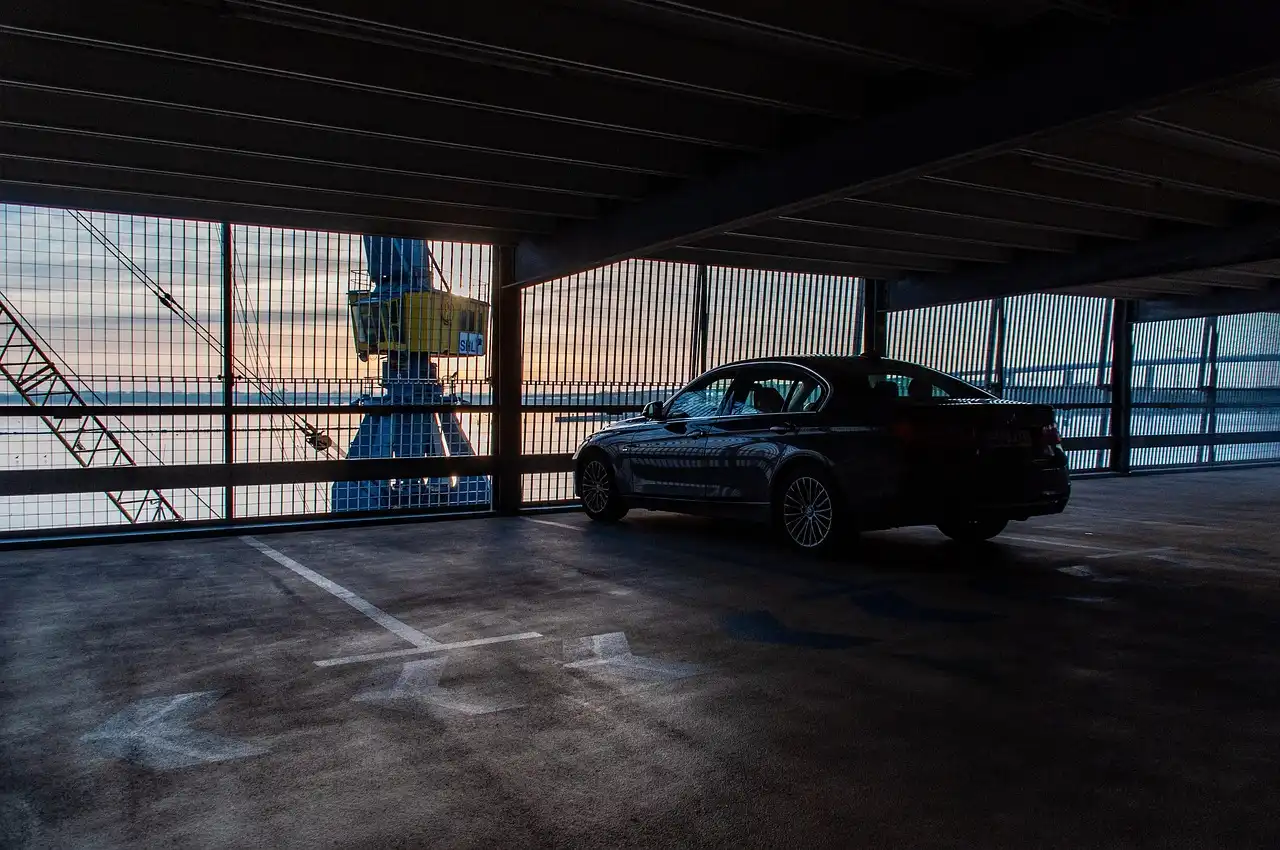
This scorecard helps compare cars by parking task rather than by badge size. The same vehicle can feel easy in a wide lot and awkward in a narrow garage. Score each task separately, then weigh the one you do most often.
| Vehicle type | Vehicle length | Width with mirrors | Turning circle | Rear visibility | Camera/sensor package | Parallel parking | Garage parking | Narrow-bay parking |
|---|---|---|---|---|---|---|---|---|
| How to compare parking ease in small | Short | Narrow | Tight | Good | Rear camera, optional sensors | 5 | 5 | 5 |
| large cars | Long | Wide | Wider | Fair to poor | Rear camera, sensors, often 360-degree view | 3 | 2 | 2 |
What the scorecard measures
The main figures are overall length, width with mirrors unfolded, turning circle, rear visibility, and the factory parking aids fitted. Wheelbase matters too, but mostly because it shapes turning circle and how quickly the car pivots into a space. Add garage width, door swing, and marked-bay size before you trust the score.
How to score parallel parking
Parallel parking tends to reward a short body, a tight turning circle, and clear rear sightlines. Long overhangs make it easier to clip the curb at the rear or leave the nose sticking out after a three-point shuffle. Parking sensors help, but they do not erase a poor turning circle.
How to score garage parking
Garage parking often punishes width with mirrors more than length. A car can be short enough on paper and still feel awkward if the mirrors pass close to the door frame or shelves. Front overhang matters too, especially on ramps, steep aprons, and garages with parking blocks near the wall.
How to score narrow-bay parking
Narrow-bay parking is where mirror width, turning circle, and door swing clearance matter most. In a tight marked bay, the driver may have to center the car precisely while leaving room to open the door. A camera helps, but it cannot change the bay width or the car’s outer dimensions.
What parking ease really means

Parking ease is the ability to place the car where you need it without repeated corrections, curb strikes, or door scrapes. Size alone does not decide that. A small car with poor visibility and a wide turning radius can feel clumsy, while a larger car with a tight radius and strong aids can feel manageable.
Why size alone is not enough
Overall length is the clearest everyday parking figure, but it is only one part of the comparison. Width with mirrors unfolded can matter more than length in a narrow garage or a tight city street. Front overhang and ground clearance also matter if the entrance has a steep ramp or parking stop blocks.
The three parking scenarios that matter most
Parallel parking, garage parking, and narrow-bay parking reward different dimensions. Parallel parking punishes long overhangs and a wide turning circle. Garage parking often rewards narrow mirror width and a shorter nose. Narrow-bay parking asks for all three at once: compact width, easy maneuvering, and clear sightlines.
How driver confidence fits into the comparison
Driver fit changes the outcome more than many spec sheets suggest. Seat height, hood visibility, and mirror adjustment affect how well you can place the front corners and rear wheels. Better sightlines can make a large car feel smaller than its dimensions suggest, especially at low speeds.
Which dimensions matter most?
The most useful parking measurements are overall length, width with mirrors, turning circle, and rear visibility. Wheelbase matters because it influences maneuverability, but compare its effect through the turning-circle figure rather than on its own. Overhangs and driver sightlines then explain why two cars with similar lengths can park very differently.
Overall length and overhang
Length matters because it changes how much car sits in front of and behind the wheelbase. Shorter cars usually fit more easily into short parallel spaces and smaller garages. Long front overhangs can create scrape risk on ramps or curbs, especially when the driveway angle is steep.
Say your sedan is 4.8 metres long and the hatchback beside it is 4.2 metres long. If both have the same width, the shorter car still has an easier time fitting into a short curbside gap because the nose and tail leave more buffer during the final straighten-out.
Width with mirrors unfolded
Width with mirrors unfolded is one of the most overlooked figures in car shopping. It affects door clearance in narrow bays and whether the car can pass through a tight garage opening without folding mirrors every time. In many garages, this measurement matters more than length.
Suppose two cars have similar body widths, but one has large mirrors and a roofline that forces a higher seating position. The wider mirror span can make the car feel bigger in a garage than the tape measure on the body alone suggests.
Wheelbase and turning circle
Wheelbase influences maneuverability because it changes how readily the car rotates into a space. A longer wheelbase often goes with a wider turning circle, which means more steering lock and more corrections. Compare manufacturer figures for turning circle first, then use wheelbase as the reason one car turns tighter or wider.
A common first-timer mistake is choosing the shorter-looking SUV over the longer hatchback and assuming it will be easier to park. If the SUV has a long wheelbase and a wide turning circle, the hatchback can still be easier to angle into a bay.
Rear visibility and sightlines
Rear visibility depends on window shape, pillar thickness, seat height, and how much of the rear corner you can see from the driver’s seat. Thicker rear pillars and a small back window make backing in less certain, especially without cameras. Good mirror adjustment can partly offset that, but only to a point.
How do parking aids change the result?
Parking aids can narrow the gap between a small car and a large car, but they do not erase physical size. Rear cameras help with the last foot of backing. Sensors help with object warnings. A 360-degree camera or automatic park assist can make a bigger car less stressful in a low-speed parking task.
Rear cameras and 360-degree cameras
A rear camera helps most when the rear window is poor or the bumper sits far from the driver’s eye line. A 360-degree system adds useful context for mirrors, bollards, and wheel placement. These systems matter more on large cars because the body hides more of the parking area from view.
Parking sensors and warning aids
Front and rear sensors are useful in garages, tight bays, and stop-and-go corrections. They do not tell you if the car is centered, but they reduce the chance of touching a wall or post while creeping forward. They are especially helpful when the car’s nose is long or the rear pillars block part of the view.
Automatic park assist on larger cars
Automatic park assist can help a large car enter a space with fewer steering mistakes, provided the bay is clearly marked and the driver keeps speed very low. It works best in simple parallel or perpendicular spaces. It is less helpful when space is tight, markings are faded, or the garage entrance has a steep angle.
Can a large car park easily?
Yes, a large car can park easily when its turning circle is tight, its mirrors are manageable, and it has strong camera and sensor coverage. It can also feel easy in wide bays and generous garages. The same car can become annoying fast when the nose is long, the mirrors are broad, or the sightlines are poor.
When a bigger car still feels easy
A large car with a good rear camera, 360-degree view, and a short turning circle can be straightforward in a wide supermarket bay or a roomy driveway. Low-speed parking assistance softens the penalty of size. Good driver seating and clean mirror views help the driver place the corners accurately.
When size and overhang create trouble
Large cars struggle when the front overhang is long, the turning circle is wide, or the parking space is marked narrowly. They also suffer when the garage opening is tight and the mirrors sit close to the frame. In that setting, every extra centimetre feels obvious.
Where driver aids matter most
Driver aids matter most when the car’s outer dimensions are already close to the space limit. That is where sensors and cameras stop minor errors from becoming contact. They are not a cure for a space that is simply too short, too narrow, or too awkwardly shaped.
Measure your space before you buy
Measure the parking space first if you already know where the car will live. Compare the garage width, door swing, bay length, and bay width with the car’s outer dimensions, not just the body shell. Check local parking rules too, because marked-space size and curb clearance can differ from one street to the next.
Garage width, door swing, and ramp angle
A garage may accept a car on paper and still be frustrating if the doors cannot open enough for passengers to get out. The ramp angle matters because long front overhangs can scrape on entry or exit. If the garage has shelves, posts, or a wall edge near the front corner, front sensors become more useful.
Marked bay length and width
Marked bays vary, and painted lines are not a universal guarantee of comfort. A car that fits a standard bay may still leave too little room for the doors if the mirrors are wide. Compare the actual bay width to the car’s width with mirrors unfolded, not the body width alone.
Street parking and curb clearance
Street parking asks for another check: curb clearance and the ability to enter and leave the space without scraping the bumper. Parallel parking on a narrow street also puts more pressure on turning circle and rear visibility. If the street is steep, ground clearance and overhang become more important.
How to compare two cars in practice
Use a side-by-side checklist and score the same parking task for both cars. Do not compare one car in a garage and the other in a street space. Pick one scenario, measure the space, and then judge the dimensions that affect that exact task.
- Write down vehicle length, width with mirrors, wheelbase, turning circle, and rear visibility for both cars.
- Measure your real parking space: garage opening, bay width, bay length, and any ramp, curb, or post.
- Check whether each car has a rear camera, 360-degree camera, front and rear sensors, or automatic park assist.
- Match each car against your main parking task: parallel, garage, or narrow-bay parking.
- Choose the car that leaves the most margin in the space you use most often.
If the answer changes by scenario, follow the scenario that matters every day. A car that is fine in a supermarket bay but awkward at home is not the easier parking choice for your life. The better pick is the one that fits the hardest regular space, not the easiest occasional one.
Choose how to compare parking ease in small if… / Choose large cars if…
Choose how to compare parking ease in small cars if your regular spaces are tight, your garage is narrow, or you often parallel park on crowded streets. Choose large cars if you have generous parking space, want stronger cabin room, and the car comes with a tight turning circle plus parking aids that match the size.
The simplest rule is this: compare the actual space first, then the car’s width with mirrors, turning circle, and rear visibility. Small cars usually win for parking, but a well-equipped large car can be acceptable in roomy spaces. The wrong size for the wrong space is where parking becomes a daily nuisance.
Frequently asked questions
How do I compare parking ease between a small car and a large car?
Compare both cars against the same task: parallel, garage, or narrow-bay parking. Use length, width with mirrors, turning circle, rear visibility, and parking aids. A small car usually scores better, but a large car with a tight turning circle and good cameras can be easier in a specific space.
What car dimensions matter most for parking in tight spaces?
Width with mirrors, turning circle, and overall length matter most. Width controls whether the car fits without mirror contact, while turning circle affects how many corrections you need. Length matters most when the space is short or when the front and rear overhangs are long.
Is a hatchback always easier to park than an SUV?
No. A hatchback is often easier because it is shorter and narrower, but an SUV with a good turning circle, strong visibility, and parking aids can be easier in some spaces. Compare the actual measurements, not the body style alone.
How much turning radius affects parking in real life?
Turning radius affects how quickly the car pivots into a space and how many steering corrections you need. A smaller radius usually makes parallel parking and bay entry easier. The effect is especially noticeable when the space is tight or the street is narrow.
Do parking sensors and cameras make a big car easy to park?
They make a big car easier, but not automatically easy. Cameras help with placement, sensors help with distance alerts, and 360-degree systems help with blind spots. If the car is wide or the garage is tight, the hardware reduces stress but does not change the car’s footprint.
What should I look for when parking in a narrow garage or city street?
Look at width with mirrors unfolded, garage opening width, door swing room, and curb clearance. On city streets, check turning circle, rear visibility, and front overhang. Narrow spaces punish mirror width first, then length, then poor sightlines.
How do I judge visibility and blind spots when parking?
Sit in the driver’s seat and check how much of the rear corners, curb, and door mirrors you can see without strain. Thick rear pillars, high beltlines, and small rear glass make backing in harder. A camera helps, but mirror setup and seat position still matter.
What if my parking spaces are too small for a larger car?
If the space is too small, the car is the wrong fit, regardless of sensor package. Measure the garage opening, bay width, and bay length before buying. If those numbers leave little margin, choose the smaller car or expect frequent difficulty opening doors, aligning the car, and avoiding contact.
Products related to this article
Sponsored / affiliate links. As an Amazon Associate I earn from qualifying purchases. I may earn additional commission from eligible campaigns.