How to Compare 4×4 vs AWD for Road Trips and Snow
For highway trips, rain, and plowed snow, AWD is often the better pick; choose 4×4 only if you expect unplowed roads, deeper snow, mud, or frequent low-speed traction work. Pick wrong and you pay in extra fuel, noise, handling hassle, or getting stuck when the road turns soft. I sort these by route, not badge: highway rain, plowed snow, deep cabin-road snow, and gravel access.
This guide is part of our Car comparison guide series.
| Decision factor | How to compare 4×4 | AWD for road trips and snow | Winner |
|---|---|---|---|
| Highway and rain use | Part-time 4WD is a poor match for regular paved miles; full-time 4WD can work, but it adds complexity you may not need. (caranddriver.com) | Built for paved miles and mixed grip, can send power to all four tires all the time, and can be used on pavement without ill effect. | AWD for road trips and snow |
| Plowed snow and icy commute roads | Useful if traction is poor, but part-time systems should be kept out of dry-pavement stretches. | Strong fit for winter pavement where traction control and variable torque help on changing surfaces. | AWD for road trips and snow |
| Deep snow and cabin roads | Better when the route is loose, deeply drifted, or low-speed, with part-time 4WD High or 4Low available. | Can get through light to moderate snow, but many AWD systems run out of ground-clearance and low-speed traction capability. | How to compare 4×4 |
| Fuel use on long trips | Usually heavier and more complex, especially in truck and body-on-frame SUV form. | Often better matched to lighter crossovers and cars, and some systems can revert to 2WD in some conditions. | AWD for road trips and snow |
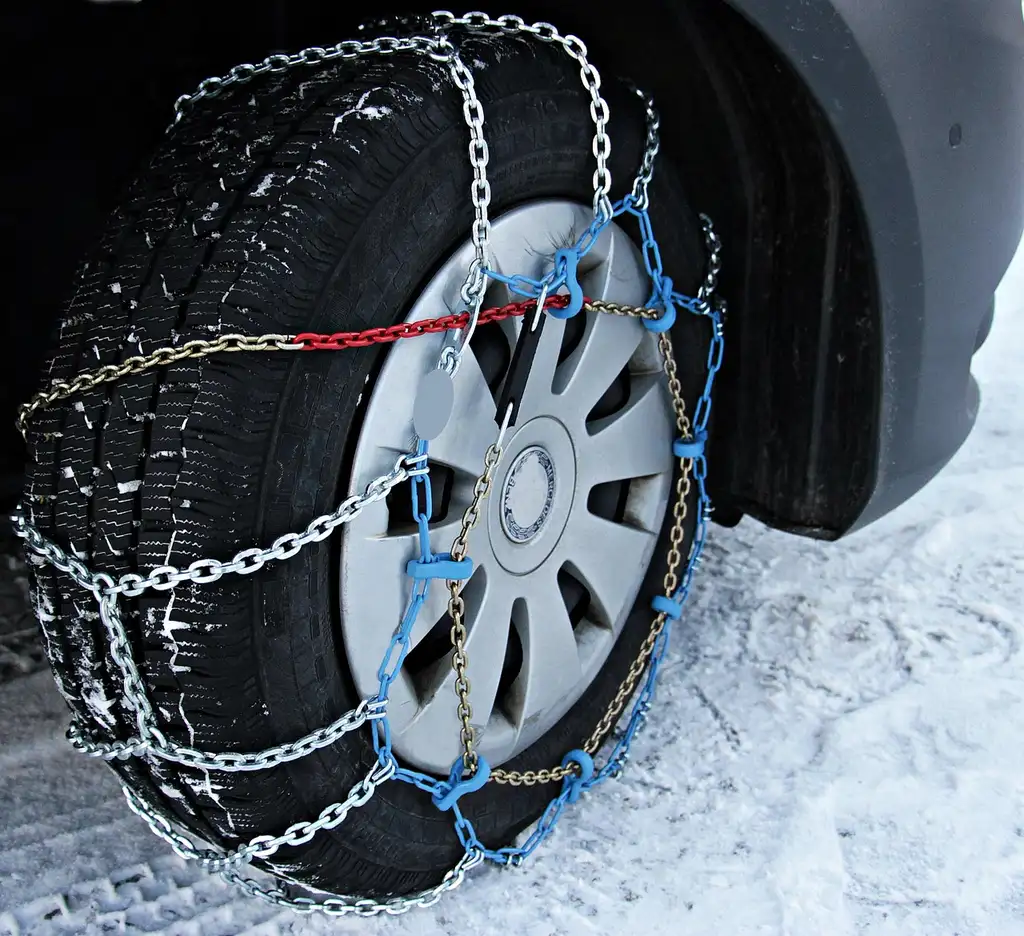
| Tire and chain flexibility | Needs the same tire discipline as AWD, and chain rules can still apply even with 4WD. | Depends heavily on tire choice, but works well with winter tires and winter travel planning. | Tie |
What AWD, 4WD, and 4×4 mean
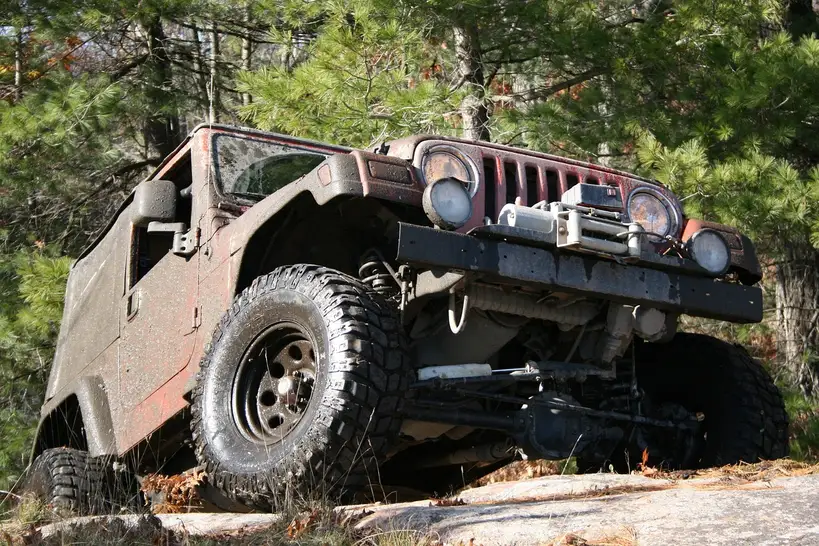


AWD is an on-road system that can send power to all four tires, often all the time, and it can be used on pavement without ill effect. 4WD is usually a part-time system intended for off-road or extremely slippery surfaces, and 4×4 is often just an umbrella label for 4WD-capable vehicles.
AWD in plain English
AWD is built for mixed pavement, rain, slush, and changing grip. It shifts torque between axles as the road changes, which is why I keep seeing it in modern SUVs and passenger cars.
4WD and part-time vs full-time systems
4WD systems are commonly driver-selectable, and the driver physically shifts into and out of 4WD. In part-time systems, the front and rear driveshafts are locked together, which is useful on loose or slippery ground but not a match for normal dry pavement.
Why 4×4 is often just another label for 4WD
Many automakers use 4×4 as shorthand for a 4WD-capable truck or SUV. Some versions add Auto, 4High, and 4Low modes, but the badge alone does not tell you whether the system is part-time or full-time.
According to AWD vs. 4WD Explained — 4WD systems are part-time setups intended for off-road or extremely slippery surfaces. (source)
Which drivetrain fits your trip?
The right answer depends on the route, not the badge on the tailgate. For long pavement miles and plowed winter roads, AWD usually fits better; for loose access roads, unplowed mountain grades, or deep snow, a real 4WD system starts to make more sense.
Highway rain and long-distance pavement
AWD is the cleaner choice here because it is set up for on-road use and can stay on pavement without problem. A part-time 4WD setup adds hardware and operating limits that do not help much on wet interstate miles.
Plowed snow on main roads
Plowed snow is often more about patchy ice, slush, and lane ruts than about deep accumulation. AWD usually handles that mix better, especially when the vehicle rides and steers like a normal road car instead of a truck-based 4×4.
Icy hills, gravel access, and deep snow
These are the trips where 4WD starts to earn its keep. A steep driveway, a gravel cabin road, or snow that has not been plowed all day can favor a system built for low-speed traction and locked power delivery.
How AWD behaves on road trips and in snow
AWD is usually the better road-trip system because it works without driver intervention and can send torque where it is needed on wet or slippery pavement. It is not a guarantee of control, but it fits highway rain, slushy interstates, and snow that has already been plowed.
Variable torque on wet and slippery pavement
Variable torque distribution is the key advantage. When one axle starts to lose grip, AWD can shift power to the axle with better traction, which helps the vehicle pull away and stay composed on changing pavement.
Why AWD can stay on pavement
AWD is designed for pavement use, including wet or snowy pavement. That matters on real road trips, because most winter driving is not a rally stage or a trail; it is miles of blacktop with a few bad sections in between.
Where AWD starts to run short
AWD can run out of clearance, low-speed control, or wheel-slip management when the snow gets deep or the road turns loose. A crossover badge does not change physics; if the route is unplowed and soft, drivetrain choice matters more.
How 4WD behaves, and when to use it
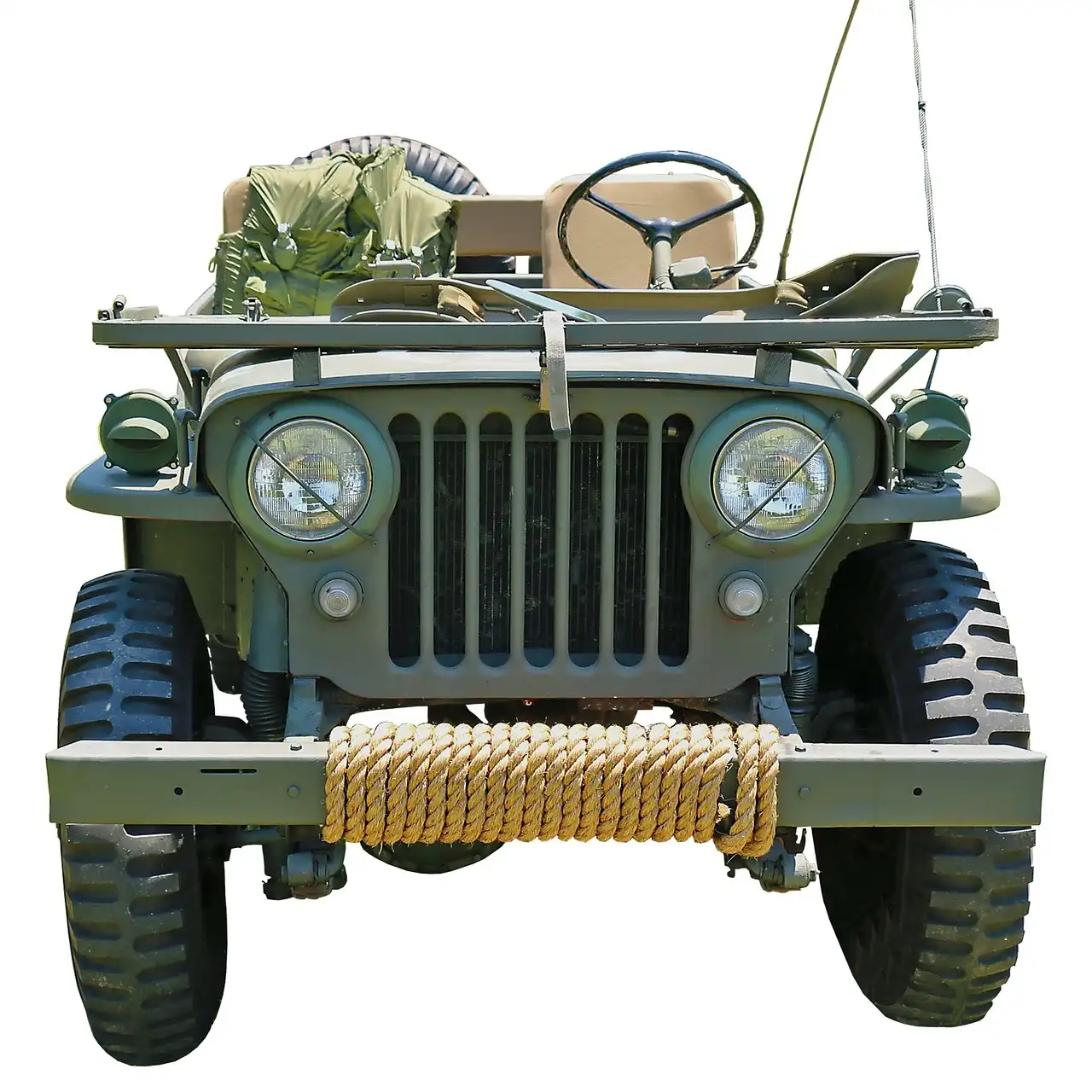
4WD is for slippery or off-pavement work, not for regular dry highway use. Part-time 4WD High is meant for wet, loose, or slippery surfaces, while full-time 4WD stays engaged all the time and is closer to an always-on traction system.
Part-time 4WD High for loose or slippery surfaces
Jeep describes prolonged use of part-time 4×4 High for wet, loose, or slippery surfaces. That is the right mental model: it is for conditions where the tires can slip a little and the surface can tolerate driveline lockup.
Full-time 4WD for constant traction
Toyota distinguishes part-time and full-time 4WD, and describes full-time 4WD as continuously powering both axles. That makes it a better fit for drivers who want 4WD hardware without having to think about engagement on every change in surface.
Why dry pavement is a bad match for part-time 4WD
Using part-time 4WD on pavement can be dangerous, and dry pavement can cause driveline binding. That failure mode is easy to miss until the steering feels tight, the tires chirp, or the system starts fighting itself in a turn.
Trip-scenario decision table: AWD vs 4WD vs 4×4
This table is the fastest way to choose by route type. It separates plowed highway snow from deep access-road snow, because those are different problems and they do not reward the same drivetrain.
| Trip scenario | AWD | Part-time 4WD / 4×4 | Full-time 4WD / 4×4 | Tire and chain notes | Winner |
|---|---|---|---|---|---|
| Highway rain | Best fit for pavement and changing traction. | Works only if the system is left out of 4WD on dry pavement. | Works, but adds weight and complexity you may not need. | Good all-season or winter-rated tires matter more than badge choice. | AWD |
| Plowed snow | Usually the strongest balance of grip and road manners. | Helpful, but not worth the binding risk on dry stretches. | Good choice if the route is mixed and you need constant traction. | Winter tires often change the outcome more than drivetrain alone. | AWD |
| Icy hills | Good when the road is paved and the tires are right. | Good on loose or slippery surfaces, especially at low speed. | Very good if the route changes from pavement to slick grades. | Winter tires matter a lot; chains may still be required in chain-control areas. | Tie |
| Gravel access roads | Fine for maintained gravel and mild grades. | Better when the road is rough, loose, or deeply rutted. | Strong option for mixed gravel and weather. | Strong tread and correct tire pressure matter; chains depend on local rules. | Part-time 4WD / 4×4 |
| Deep snow | May struggle if clearance or traction depth becomes the limit. | Often the better tool when snow is unplowed and loose. | Also strong, especially when the driver wants on-road flexibility. | Winter tires help; chain-control requirements can still apply regardless of 4WD status. | Part-time 4WD / 4×4 |
Why the table resolves the way it does
AWD wins the paved categories because it is meant to live there. 4WD wins the rougher routes because its strengths show up when the surface is loose, soft, or deeply covered.
Full-time 4WD sits in the middle. It behaves more like an always-ready traction system than a part-time truck setup, but it still does not erase the need to match the vehicle to the road.
Do tires matter more than drivetrain in snow?
Yes, in many snow and ice situations, tires matter more than AWD or 4×4. Winter tires or at least strong tread can change a marginal setup into a usable one, while a weak tire can make even a capable drivetrain feel vague and short on grip.
Winter tires vs all-season tires
Winter tires usually give the biggest traction gain on cold, snowy pavement because the rubber stays more compliant and the tread is built to bite. All-season tires may be adequate for mild climates, but they do not erase the limits of a hard, worn, or shallow-tread tire.
How tread depth changes traction
Tread depth matters because snow needs void space to pack and clear. Once tread wears down, a drivetrain can spin all four wheels and still fail to pull forward cleanly.
When chain rules change the answer
Chain-control requirements can override drivetrain assumptions. Yosemite chain guidance can still apply regardless of 4WD status, so even a capable truck may need chains where a lighter AWD vehicle on proper winter tires might still be stopped.
How to check what your vehicle actually has
The owner’s manual is a good source for confirming whether the vehicle has AWD or 4WD, and whether the system is part-time or full-time. Trim names can mislead buyers, because one badge may hide several different driveline setups.
Reading the owner’s manual
Look for the exact drivetrain description, not the marketing name. The manual should tell you whether the system can be used on pavement, whether it should be shifted in and out by the driver, and whether dry-pavement use is restricted.
Finding AWD, 4WD, Auto, 4High, and 4Low labels
Controls and badging can give clues. Auto often suggests a system that can vary engagement, 4High points to higher-speed slippery-surface use, and 4Low usually signals a system intended for slow, serious traction work.
Why trim names can mislead buyers
Truck and SUV trim names often sound tougher than the hardware underneath. Two vehicles with the same body style can have very different drivetrains, and the wrong assumption can lead to the wrong tires, the wrong travel plan, or both.
Which drivetrain uses more fuel on long trips?
Usually the heavier, more complex setup uses more fuel, but the answer changes by model and trim. AWD often fits smaller crossovers and cars, while 4WD is common in larger trucks and SUVs, so the fuel gap is tied to vehicle class as much as the drivetrain badge.
How to compare trims the right way
Use EPA and DOE fuel-economy tools when comparing exact trims. That is the cleanest way to see whether the AWD version of a vehicle costs less to run than the 4WD version, or whether another trim change matters more than the drivetrain itself.
Why badge comparisons can mislead
Two 4×4 vehicles may not consume fuel the same way if one is a heavy truck and the other is a lighter SUV. A trim-by-trim check is better than assuming all AWD systems save fuel or all 4WD systems waste it.
Choose How to compare 4×4 if…
Choose the 4×4 side if your real route includes unplowed cabin roads, deep snow, muddy access, steep gravel, or low-speed traction work that benefits from 4Low and driver-controlled engagement. Choose full-time 4WD if you want constant traction with fewer manual decisions, but still need a truck or SUV that can handle rough conditions.
Choose AWD for road trips and snow if…
Choose AWD if most of your miles are highway, rain, plowed snow, slush, and everyday winter pavement. It is the cleaner road-trip choice because it is built for pavement use, behaves well in mixed weather, and usually avoids the dry-pavement limits that define part-time 4WD.
Frequently asked questions
Is AWD or 4×4 better for road trips in snow?
AWD is usually better for road trips in snow because road trips are mostly pavement, not trail work. It fits plowed highways, wet lanes, and changing winter conditions without the driveline restrictions that come with many part-time 4WD systems.
Do I need 4WD for mountain roads or just AWD?
Many mountain roads are fine with AWD if they are plowed and you are running good winter tires. Move to 4WD when the route is unplowed, steep, loose, or likely to stay snowed in for long stretches.
Can I use 4WD on dry pavement?
Part-time 4WD should not be used on dry pavement. It can cause driveline binding because the front and rear driveshafts are locked together, which is why the owner’s manual matters more than the badge on the tailgate.
Is AWD enough for gravel roads to a cabin or trailhead?
AWD is often enough for maintained gravel roads with mild grades and decent clearance. If the road is deeply rutted, steep, muddy, or seasonally soft, part-time 4WD or full-time 4WD is usually the safer match.
Do tires matter more than AWD or 4×4 in snow?
Often yes. Winter tires or strong tread can change traction far more than drivetrain type in many snow conditions, and chain-control rules can still apply no matter how many driven wheels the vehicle has.
How do I know if my car has AWD or 4WD?
Check the owner’s manual first, then look for controls such as Auto, 4High, and 4Low. Trim names alone are unreliable, and some vehicles sold as 4×4 are part-time systems while others are full-time 4WD.
Products related to this article
Sponsored / affiliate links. As an Amazon Associate I earn from qualifying purchases. I may earn additional commission from eligible campaigns.