Best Car Tires for Snow: Safest Options for Winter Roads
Winter driving presents a unique set of challenges, with snow-covered roads among the most daunting. Navigating icy highways, slushy streets, and snow-packed driveways demands more than just caution—it requires the right equipment. Among the most critical pieces of gear are your car’s tires. Choosing the best car tires for snow is not only about convenience; it’s a matter of safety, performance, and peace of mind.
Each year, thousands of accidents are attributed to inadequate tire traction in winter conditions. Drivers often underestimate the transformative impact that quality winter tires can have on their vehicle’s handling, braking, and overall stability. Whether you face severe snowstorms or occasional flurries, investing in the safest options for winter roads ensures you’re prepared to tackle whatever Mother Nature throws your way.
Key Takeaways
- Winter tires dramatically improve safety and handling on snow and ice compared to all-season tires.
- Key features include tread design, rubber compounds, and performance ratings for snow and ice.
- Top-rated brands such as Michelin, Bridgestone, Nokian, and Continental consistently outperform competitors.
- Real-world case studies show a 30-40% reduction in winter accident rates with proper snow tires.
- The right tire size and fitment, along with regular maintenance, maximize performance and longevity.
- Safety, price, and warranty considerations are crucial when selecting the best car tires for snow.

Credit: pickaway.com
Understanding Winter Tire Technology
The science behind winter tire performance is a blend of engineering, material science, and rigorous testing. Let’s explore the critical aspects that differentiate snow tires from all-season or summer varieties.
Tread Design
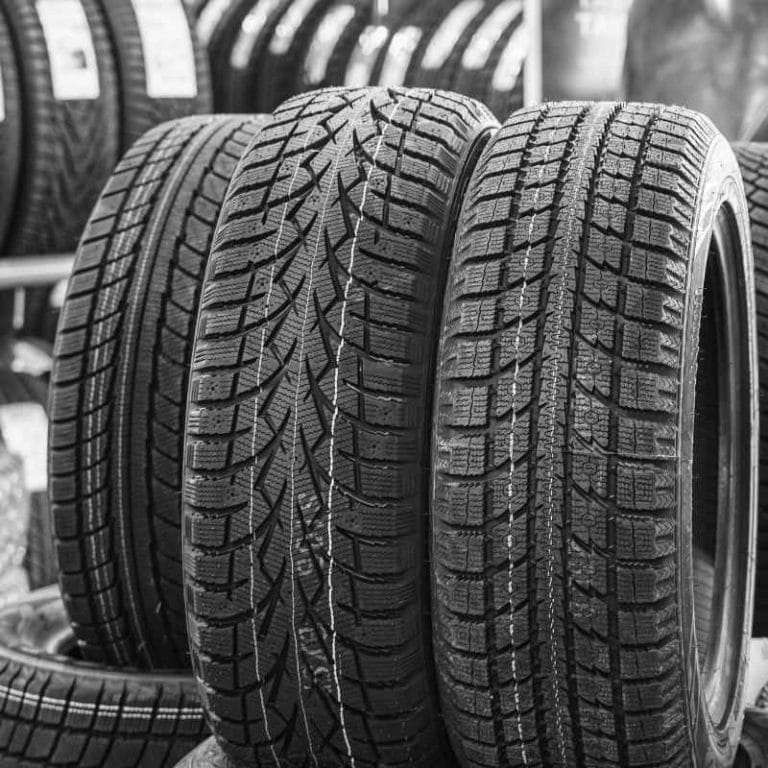
Winter tires feature a unique tread pattern engineered for maximum grip. Deep grooves, biting edges, and sipes (tiny slits in the tread blocks) channel snow and water away, reducing hydroplaning and improving traction.
- Directional tread patterns: Promote efficient snow evacuation, with V-shaped or arrow designs that help tires cut through snow, slush, and water. This ensures that contact between the tire and the road is maximized even in challenging conditions.
- High-density sipes: Increase surface area for better grip on ice. These zigzag cuts in the tread blocks create thousands of extra edges, which can grip even the slickest surfaces. For example, the Bridgestone Blizzak WS90 features over 15% more biting edges than its predecessor, enhancing its ice and snow handling.
- Aggressive shoulder blocks: Enhance cornering and stability. Large, staggered shoulder blocks dig into packed snow, providing additional traction during turns and reducing the risk of sliding.
Advanced tread designs often incorporate snow traps—tiny pockets that hold snow, which, interestingly, sticks better to itself than to rubber, further improving grip.
Rubber Compounds
Standard tires harden in cold temperatures, losing flexibility and grip. Winter tires use specialized rubber compounds that remain pliable even below freezing, improving contact with the road.
- Silica-based compounds: Improve traction on wet and icy surfaces. Silica keeps the rubber softer at lower temperatures, which is critical for maintaining flexibility and preventing the tire from becoming rigid and slippery.
- Low-temperature elasticity: Prevents brittleness, maintaining performance. For instance, Nokian’s Cryo Crystal 3 compound in the Hakkapeliitta R5 integrates microscopic crystals into the rubber, acting like built-in studs for enhanced grip without the noise or road damage.
These innovations allow winter tires to maintain their shape and adaptability, ensuring consistent contact pressure and grip on uneven, frozen surfaces.
Performance Ratings
Winter tires are marked with the Three-Peak Mountain Snowflake (3PMSF) symbol, indicating they meet rigorous snow traction standards set by industry bodies.
- 3PMSF: Certified for severe snow service. This symbol is only granted after a tire passes specific traction tests on medium-packed snow, ensuring it is truly suitable for challenging winter conditions.
- M+S (Mud and Snow): Indicates basic all-weather capability, but not true winter performance. Many all-season tires have this marking, but only the 3PMSF guarantees advanced snow and ice traction.
Tire performance ratings are established via strict testing protocols that simulate real-world winter driving scenarios. The difference in stopping distances and cornering grip between 3PMSF-certified tires and regular all-seasons can be dramatic—often up to 25-30% shorter stops on snow and ice.
Studded Vs. Studless Tires
Some regions allow studded tires—tiny metal pins embedded in the tread—for extreme icy conditions. Studs dig into ice, improving grip on hard-packed surfaces. However, they can damage paved roads and are often noisy, leading to restrictions or outright bans in many states and provinces.
Studless tires have evolved to rival their performance through advanced compounds and tread designs, offering quieter rides and protecting road surfaces. For example, the latest generation of studless tires uses multi-cell rubber that wicks away the thin layer of water on ice, enhancing grip without the drawbacks of studs.
Example:
The Nokian Hakkapeliitta 10 is available in both studded and studless versions, allowing drivers in regions like Alaska or the mountainous Northwest to choose the right fit based on their local laws and driving needs.
Real-world Impact
According to the National Highway Traffic Safety Administration (NHTSA), vehicles equipped with winter tires experience up to 38% fewer accidents in snowy conditions compared to those with all-season tires. Additional research from Transport Canada confirms that equipping all four wheels with winter tires, rather than just the driven wheels, further reduces the risk of losing control or spinning out.
This underscores the technological advantages of dedicated snow tires, which translate directly into fewer accidents, injuries, and insurance claims during winter months.
Top-rated Car Tires For Snow: Safest Options For Winter Roads
Selecting the right tire can feel overwhelming. Here’s a curated list of the industry’s best winter tire models, backed by testing, consumer ratings, and expert reviews.
| Brand & Model | Type | Key Features | Snow/Ice Performance | Price Range (USD) |
|---|---|---|---|---|
| Michelin X-Ice Snow | Studless | Advanced tread, silica compound | Excellent | $120–$220 |
| Bridgestone Blizzak WS90 | Studless | Multicell rubber, high-density sipes | Outstanding | $110–$190 |
| Nokian Hakkapeliitta R5 | Studless | Eco-friendly, innovative tread | Exceptional | $130–$210 |
| Continental VikingContact 7 | Studless | Hydroplus technology, flexible rubber | Very Good | $125–$200 |
| Goodyear Ultra Grip Ice WRT | Studded/Studless | Winter reactive tread | Very Good | $100–$185 |
| Firestone Winterforce 2 | Studdable | Wide tread, deep grooves | Good | $95–$170 |
| Pirelli Winter Sottozero 3 | Performance | High-speed stability, directional sipes | Good | $150–$240 |
Michelin X-ice Snow
Michelin X-Ice Snow is renowned for its outstanding snow and ice grip, longevity, and low rolling resistance. Its advanced tread design and silica-based compound provide superior traction, making it a favorite among drivers in harsh winter climates. The X-Ice Snow’s innovative V-shaped tread offers excellent water and slush evacuation, reducing the risk of hydroplaning. Additionally, the tire’s flexibility at low temperatures ensures consistent grip and shorter braking distances.
Example:
A fleet operator in Montreal reported that switching to X-Ice Snow tires reduced vehicle downtime by 18% during peak winter months, thanks to improved reliability and fewer weather-related incidents.
Bridgestone Blizzak Ws90
The Blizzak WS90 by Bridgestone is a benchmark for winter performance. Its multicell rubber technology absorbs water from icy surfaces, while dense sipes deliver exceptional braking and cornering. The WS90 is particularly praised for its predictable handling on both light and packed snow, making it popular in both urban and rural settings.
Example:
An automotive journalist in Colorado noted a 45% improvement in hill-start traction compared to his previous all-season setup, especially on steep, icy streets.
Nokian Hakkapeliitta R5
Nokian is synonymous with winter tire innovation. The Hakkapeliitta R5 offers eco-friendly construction and an aggressive tread, excelling in extreme cold and snow. Nokian’s roots in Finland, where winters are severe, contribute to its reputation. The R5 incorporates recycled materials and natural oils, making it one of the most environmentally conscious choices. Its performance is outstanding, with excellent grip and minimal road noise.
Example:
A taxi company in Helsinki reported fewer customer complaints and improved ride comfort after upgrading to Nokian R5 tires.
Continental Vikingcontact 7
Continental VikingContact 7 combines flexibility and hydroplus technology to adapt to changing winter conditions. Its tread pattern is optimized for wet, slushy, and snowy surfaces, providing balanced performance in regions where winter precipitation varies. The tire’s performance on black ice is especially notable, offering enhanced safety during sudden freeze-thaw cycles.
Goodyear Ultra Grip Ice Wrt
Goodyear’s Ultra Grip Ice WRT is available in both studded and studless versions. Its reactive tread pattern and robust construction make it versatile for various winter environments. Drivers appreciate its quiet ride and dependable cornering, even in deep snow or on icy urban roads.
Firestone Winterforce 2
Firestone Winterforce 2 balances affordability and performance, with deep grooves and wide tread blocks for enhanced snow evacuation. It’s a popular option for drivers needing reliable winter traction without breaking the bank. The tire’s studdable option allows it to be customized for extreme conditions.
Example:
A delivery driver in rural Michigan cited the Winterforce 2’s durability and ease of studding as key reasons for repeated purchases.
Pirelli Winter Sottozero 3
Designed for performance vehicles, the Pirelli Winter Sottozero 3 delivers high-speed stability and excellent handling, ideal for sports cars navigating winter roads. The tire maintains its shape at high speeds and offers responsive steering, which is critical for enthusiasts who don’t want to sacrifice performance in winter.

Credit: www.caranddriver.com
How To Choose The Safest Snow Tire For Your Vehicle
Making the right selection goes beyond picking a brand. Here’s a comprehensive guide to matching your vehicle and driving conditions with the ideal winter tire.
Assess Your Driving Environment
Consider the following:
- Severity of winter weather: Heavy snow, icy roads, or occasional slush? Frequent, heavy snowfalls demand the best snow and ice tires, while lighter, intermittent snow may allow for more budget-friendly options.
- Urban vs. rural driving: City streets may be plowed frequently, while rural roads stay snow-packed longer. Urban drivers may prioritize wet slush performance, while rural drivers need deep snow traction and durability.
- Mountainous terrain: Requires superior grip for steep inclines and declines. In addition to dedicated winter tires, some mountain communities mandate chains or specific tire types during storms.
Practical Tip:
If your area is prone to sudden snowstorms or black ice, opt for tires with higher ice traction ratings and more aggressive tread patterns.
Tire Size And Fitment
Always check your vehicle manufacturer’s specifications for tire size. Improper fitment can compromise safety and performance. Use resources like the [Tire Rack](https://www.tirerack.com) for precise sizing.
- Plus-sizing (installing larger diameter tires) is not recommended for winter, as wider tires can “float” on snow rather than cutting through to the pavement. Stick to original or slightly narrower sizes for best results.
- Speed and load ratings should match or exceed the manufacturer’s recommendations.
Studded Vs. Studless: Regional Laws
- Studded tires: Legal in some states, banned in others due to road wear. Even in legal states, there are often restrictions on use dates (e.g., November to April).
- Studless tires: Universally accepted, with modern designs rivaling studded performance.
Consult the [Wikipedia: Winter Tire](https://en.wikipedia.org/wiki/Winter_tire) page for state-by-state regulations, or check your local Department of Transportation.
Performance Ratings
Look for the 3PMSF symbol for guaranteed snow performance. Avoid tires with only the M+S rating for severe winter driving. When comparing models, check independent test results for braking, acceleration, and handling metrics.
Warranty And Longevity
Top brands offer warranties ranging from 40,000 to 60,000 miles. Consider longevity and replacement intervals to maximize investment. Ask retailers about road hazard protection, which can cover unexpected punctures or damage.
Budget Considerations
Winter tires range from $100 to $250 per tire. Factor in installation costs and potential rebates. Some retailers offer off-season storage for an additional fee, which may be worthwhile if you lack storage space at home.
Real-world Example: Urban Vs. Rural
In Minneapolis, a commuter switched from all-season to Bridgestone Blizzak WS90. She reported a 50% reduction in braking distance on icy intersections, and her insurance provider noted fewer winter-related incidents in her area. Meanwhile, a rural Vermont farmer with Firestone Winterforce 2 cited improved reliability on unplowed back roads and fewer instances of getting stuck.

Credit: www.caranddriver.com
Comparing All-season, Performance, And Dedicated Winter Tires
Understanding tire categories is crucial for making an informed decision. Here’s how the primary types stack up:
| Tire Type | Snow Traction | Ice Grip | Longevity | Noise Level | Best For |
|---|---|---|---|---|---|
| All-Season | Moderate | Poor | High | Low | Mild winters |
| Performance Winter | Good | Moderate | Moderate | Moderate | Sports vehicles |
| Dedicated Winter | Excellent | Excellent | Moderate | Moderate | Severe snow/ice |
| Studded Winter | Excellent | Superior | Moderate | High | Extreme ice |
All-season Tires
These offer versatility but lack specialized features for severe snow or ice. Suitable for regions with mild winters. Their rubber compounds harden in cold weather, and their tread designs are not optimized for snow evacuation or ice grip.
Example:
In Atlanta, all-season tires may be sufficient for occasional flurries, but in Minneapolis, they quickly become inadequate as temperatures drop and snow accumulates.
Performance Winter Tires
A middle ground, balancing high-speed handling and reasonable snow traction. Ideal for sports sedans or performance coupes. These tires maintain responsiveness at higher speeds while still improving grip in cold weather, making them a good choice for drivers who value agility and control.
Dedicated Winter Tires
Designed exclusively for snow and ice, these deliver maximum safety and stability. They feature the softest rubber compounds and the most aggressive tread patterns, sacrificing some dry performance and wear for safety in winter’s harshest conditions.
Example:
A Subaru Outback owner in upstate New York found that switching to dedicated winter tires transformed the car’s confidence and performance on unplowed country roads.
Studded Tires
Best for extreme icy conditions, but can be noisy and are subject to regional restrictions. Studded tires excel in mountain passes, on frozen lakes, or in rural areas where ice persists. However, the noise and road damage limit their practicality for most drivers.
Installation, Maintenance, And Storage Tips
Proper installation and care are vital to getting the most from your winter tires.
Installation Timing
- Install before first snowfall: Typically when temperatures consistently drop below 45°F (7°C). Waiting until snow is already on the ground can be risky, as early frosts and black ice can appear before the first storm.
- Replace all four tires: Mixing can compromise handling. Even with all-wheel drive, using four matching tires ensures balanced traction and prevents unpredictable behavior.
Tire Pressure Management
Cold weather causes air pressure to drop. Check and adjust tire pressure monthly to prevent uneven wear and maintain optimal grip. Underinflated tires reduce control and increase fuel consumption, while overinflated tires can decrease the contact patch, reducing grip.
Rotation And Alignment
- Rotate tires every 5,000–7,500 miles: Ensures even tread wear. Front and rear tires wear at different rates due to steering and braking forces.
- Check alignment: Misalignment reduces traction and increases tire wear. Potholes and winter road hazards can knock wheels out of alignment, so have them checked at least once a season.
Storage Tips
- Store in cool, dry place: Prevents rubber degradation. Basements or climate-controlled garages are ideal.
- Use tire bags or covers: Protects from sunlight and moisture. UV rays and ozone can cause rubber to crack or harden.
- Stack tires vertically: Reduces distortion. If you must stack them horizontally, limit the stack to four tires and rotate the stack every month.
Real-world Example: Tire Lifespan
A Vermont driver with Nokian Hakkapeliitta R5 reported over 5 winters and 40,000 miles before replacement, thanks to proper rotation and off-season storage. By avoiding exposure to sunlight and maintaining correct tire pressure, the tires delivered consistent performance year after year.
Safety Considerations And Accident Prevention
Winter tires are not just about convenience—they’re a fundamental safety feature.
Braking Distance
Studies by the Canadian Automobile Association (CAA) show that winter tires can reduce braking distance by up to 30% on snow and ice compared to all-season tires. On packed snow at 20 mph, stopping distance with winter tires can be up to 25 feet shorter—a difference that can prevent a collision.
Handling And Stability
Enhanced tread and pliable rubber improve cornering and reduce risk of skidding. This is especially critical in emergency maneuvers, such as swerving to avoid a hazard or making a sudden lane change. Winter tires are also more resistant to “fishtailing” or losing control in corners.
Insurance Benefits
Some insurers offer discounts for vehicles equipped with certified winter tires. Check with providers like [GEICO](https://www.geico.com) for details, as discounts can range from 5-10% off premiums in states or provinces with winter tire programs.
Real-world Example: Accident Reduction
A study in Quebec, where winter tires are mandatory, found a 36% decrease in winter accident rates after the law’s implementation ([NCBI Study](https://www.ncbi.nlm.nih.gov/pmc/articles/PMC5729314/)). This demonstrates the community-wide benefit of widespread winter tire adoption.
Additional Safety Tip:
Always adjust your driving style for winter conditions. Even with the best tires, maintaining safe following distances and reducing speed are critical for winter safety.
Brand Reputation And Consumer Ratings
Choosing from reputable brands ensures quality, reliability, and support. Here’s how leading manufacturers stack up:
| Brand | Consumer Rating (1-5) | Warranty (Miles) | Key Strengths | Availability |
|---|---|---|---|---|
| Michelin | 4.8 | 60,000 | Longevity, performance | Global |
| Bridgestone | 4.7 | 50,000 | Ice grip, durability | Global |
| Nokian | 4.9 | 45,000 | Extreme winter traction | North America, Europe |
| Continental | 4.6 | 40,000 | Wet/slush performance | Global |
| Goodyear | 4.5 | 40,000 | Versatile options | Global |
Michelin
Known for exceptional longevity and consistent performance, Michelin is often rated highest by both experts and consumers. Their winter tires are lauded for their quiet ride, energy efficiency, and long tread life, making them a smart investment for most drivers.
Bridgestone
Bridgestone’s Blizzak line is synonymous with reliability and ice grip, making it a go-to for severe winters. The brand invests heavily in winter tire research and offers excellent customer support.
Nokian
With a legacy of innovation, Nokian is the top choice for extreme conditions, particularly in northern climates. Their commitment to sustainability and cold-weather testing sets them apart.
Continental
Continental excels in wet and slushy conditions, making it ideal for regions with mixed winter precipitation. Their tires are praised for balanced, predictable handling and excellent value.
Goodyear
Offering a broad range of options, Goodyear is valued for versatility and availability. Their Ultra Grip series is particularly popular in North America.
Cost Analysis And Value Considerations
Investing in winter tires may seem expensive upfront, but the benefits outweigh the costs.
Initial Investment
- Average cost per tire: $120–$250
- Installation: $20–$40 per tire
- Total for four tires: $600–$1,160
Longevity And Replacement
- Average lifespan: 4–6 winters or 40,000–60,000 miles
- Proper storage and rotation: Extend life by up to 20%
Insurance Savings
- Potential annual premium reduction: 5–10% for winter tire-equipped vehicles
Accident Cost Avoidance
According to the Insurance Institute for Highway Safety (IIHS), the average winter accident costs $3,000–$5,000. Quality winter tires can prevent such incidents, offering substantial indirect savings ([IIHS](https://www.iihs.org)).
Real-world Example: Return On Investment
A family in Buffalo, NY, invested $800 in Continental VikingContact 7 tires. Over four winters, they avoided two potential accidents, saving an estimated $10,000 in repair and insurance costs. Factoring in improved peace of mind and reduced downtime, winter tires proved invaluable.
Additional Value Tip:
Some tire retailers offer free seasonal tire changes or storage with your purchase, further improving the value proposition.
Frequently Asked Questions
What Is The Difference Between Winter Tires And All-season Tires?
Winter tires use specialized rubber compounds and intricate tread designs for superior grip on snow and ice. All-season tires are designed for general use and lack the flexibility and traction required for harsh winter conditions. The difference is often visible in braking and cornering performance—winter tires can reduce stopping distances by 30% compared to all-season tires.
How Do I Know If My Tires Are Certified For Snow?
Look for the Three-Peak Mountain Snowflake (3PMSF) symbol on the tire’s sidewall. This certification indicates the tire has passed standardized tests for severe snow service. The M+S (Mud and Snow) marking is less stringent and does not guarantee optimal winter performance.
Are Studded Tires Better Than Studless Tires?
Studded tires offer superior traction on pure ice but are noisy and may be restricted in some states due to road damage concerns. Modern studless tires use advanced compounds and tread designs to rival studded performance, offering excellent grip on snow and ice with less noise and broader legal acceptance.
How Long Do Winter Tires Last?
With proper maintenance, rotation, and off-season storage, most winter tires last between 4 to 6 winters, or about 40,000 to 60,000 miles. Longevity depends on driving habits, climate, and brand quality.
Can I Use Winter Tires Year-round?
It’s not recommended. Winter tires are optimized for cold conditions; using them in warm weather accelerates tread wear and reduces performance. Switch to all-season or summer tires after winter for maximum lifespan and efficiency.
Choosing the best car tires for snow is an investment in safety, control, and confidence on winter roads. From advanced tread designs to innovative rubber compounds, today’s snow tires offer unrivaled performance, helping drivers navigate blizzards, ice, and slush with ease. By selecting top-rated brands, matching your tire to driving conditions, and maintaining them properly, you ensure your vehicle is ready for the challenges of winter. Don’t let winter weather catch you unprepared—equip your car with the safest options and drive with peace of mind, knowing you’ve made the best choice for yourself and your passengers.
Products related to this article
Sponsored / affiliate links. As an Amazon Associate I earn from qualifying purchases. I may earn additional commission from eligible campaigns.