Best cars for city driving: easy parking picks
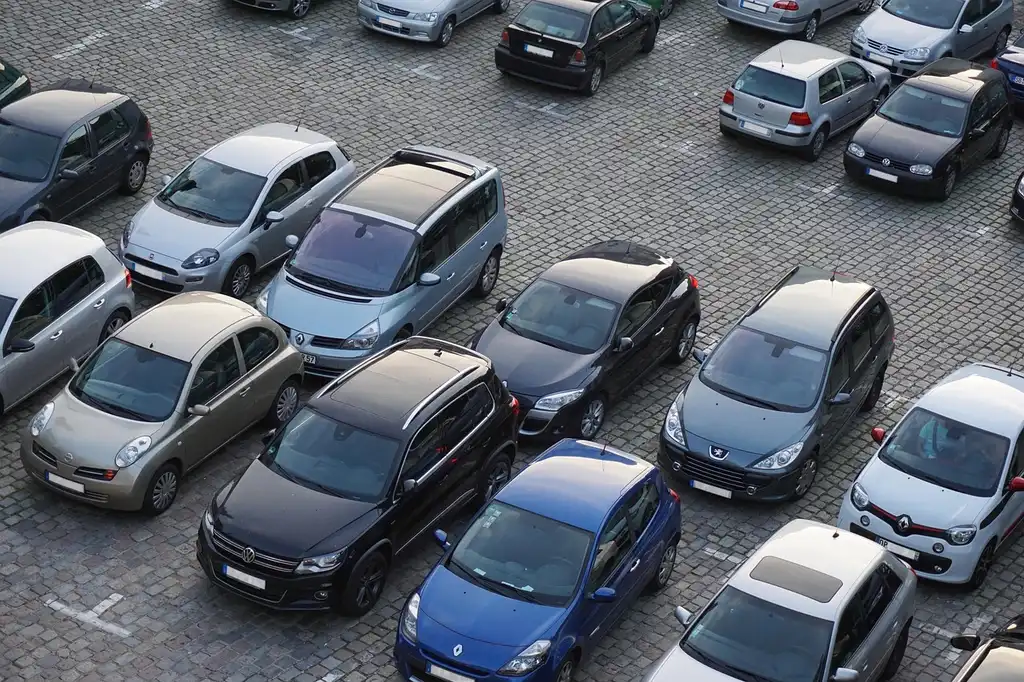
For city driving, my first picks are a Corolla Hybrid, Fit, and Mini Cooper; in general, choose a car under about 175 inches long with a small turning circle and good outward visibility. Ignore parking stress, and you pay in curb rash, extra fuel, and daily frustration from blind spots and awkward U-turns. This guide ranks city cars by parking ease, visibility, fuel use, and ownership friction, then explains which type fits each urban driver.
This guide is part of our Car comparisons and reviews series.
What makes a car good for city driving?


A good city car slips into a slot, lets you see out cleanly, and stays cheap in stop-and-go traffic. Length matters, but width and turning ease matter too. I have driven cars that felt tiny on paper and still fought every curb, every garage pillar, every turn.
Parking footprint: length, width, and turning ease
Length is the first filter. The sweet spot is under 170 inches long, and vehicles over 180 inches long should usually be avoided in dense cities. Width affects how much room you have to open doors, squeeze past pillars, and line up with a curb. Turning ease decides whether a three-point turn feels routine or like a block-wide reset.
Compact cars slot into tight spaces and parallel parking with less drama. That matters more than brochure fuel economy when the daily routine includes slanted curb spaces, narrow alleys, and old garages with sharp entries.
Visibility, sensors, and camera help
City driving punishes poor visibility. High beltlines, thick pillars, and a short rear window make lane changes and parking harder. A good backup camera, parking sensors, and a clear view over the hood reduce curb rash and door dings, especially when street parking between delivery vans and oversized crossovers.
Low-speed confidence also depends on mirrors and steering feel. A small car with poor outward visibility can be more stressful than a slightly larger car with better glass area and cleaner sightlines.
Ownership friction: fuel, insurance, tires, and brakes
Ownership friction is the hidden cost of city use. Fuel or charging is only part of it. Insurance, brake wear from stop-and-go traffic, tire damage from potholes, and the hassle of parking all add up. Compact sedans usually have lower insurance costs, and that often matters as much as fuel savings in a dense ZIP code.
According to nextgenauto.us — The page says compact cars can deliver about 30-50 mpg.
City driving scorecard: Compare the best body styles

This scorecard compares body styles by the traits that matter in cities: how much space they take, how easily they turn, how they handle stop-and-go use, and how much daily friction they create. It is built for parking stress first, then efficiency. That order matters.
| Body style | Typical city footprint | Turning ease | City mpg or charging fit | Visibility | Cargo practicality | Likely ownership friction |
|---|---|---|---|---|---|---|
| Compact sedan | Often under about 170 inches long; narrow enough for tight street parking | Usually easy to place in parallel spots | About 30-50 mpg in compact-car form; strong city efficiency | Good when roofline and rear glass are clear | Trunk is less flexible than a hatchback | Lower purchase price, lower insurance costs, modest tire and brake wear |
| Hatchback | Similar footprint to a compact sedan | Easy in tight spaces | Good city fuel economy | Often solid, depending on rear pillars | Best cargo flexibility in a small footprint | Usually low ownership costs with practical day-to-day use |
| Compact SUV | Typically taller and bulkier than a sedan or hatchback | Less easy to park than smaller cars | Often worse than smaller cars, though some hybrid versions help | Higher seating position helps visibility | More cargo space than sedans | Higher purchase price, more tire cost, more parking stress |
| Hybrid car | Depends on body style; compact hybrids fit city use well | Can be easy if based on a compact platform | Strong in stop-and-go traffic; regenerative braking recovers energy | Depends on the base vehicle | Varies by body style | Lower fuel cost over time, no charging needed |
| EV | Can be small or large; size still matters for parking | Good if compact, harder if oversized | No fuel costs; best when charging access is reliable | Depends on the body | Varies by model | Low maintenance, but charging access and apartment living can add friction |
How to read the results by commute type
Solo commuters usually benefit most from a compact sedan or hatchback. Couples often want the same footprint with a little more cargo flexibility. Small families need the easiest compromise between parking stress and child-seat access. Apartment dwellers should put curbside survival, camera quality, and charging access ahead of raw mpg.

Compact sedan: The easiest all-around city pick
A compact sedan is often the cleanest answer for city parking. It is usually easy to park, has great mpg versus a compact SUV, and typically sits under about 170 inches long. It also tends to come with lower purchase price and lower insurance costs, which helps when the car spends most of its life in crowded streets.
Why compact sedans fit tight parking well
A short, narrow sedan is easier to center in a parallel space and easier to swing into a curb slot without repeated corrections. That matters when the lane behind you is blocked, or when the gap between parked cars leaves no room for a long nose or tail. Compact cars slot into tight spots and parallel parking well by design.
Fuel economy and ownership costs
City fuel economy is where compact sedans earn their keep. In compact-car form, they can deliver about 30-50 mpg, and that helps in traffic where the engine spends its day idling, creeping, and restarting. The ownership picture is also kinder: lower insurance, smaller tires, and usually less brake and fuel expense than larger vehicles.
Where sedans fall short in daily use
The trunk opening can be less flexible than a hatchback’s. Long boxes, strollers, and bulky grocery runs are harder to load. Rear visibility can also suffer if the decklid and rear glass are short, so a sedan needs good mirrors, a clear backup camera, and parking sensors if the driver uses narrow garages often.
Hatchback or sedan for city driving?
Choose a hatchback if cargo flexibility matters more than trunk separation. Choose a sedan if the cleanest parking behavior and the most familiar shape matter more. Both usually occupy a similar footprint, so the decision is less about size and more about how often the driver hauls awkward items and how much rear glass matters.
Cargo flexibility without much size penalty
A hatchback gives more usable cargo space than a sedan without adding much length. Folding the rear seats turns groceries, sports gear, and small furniture into easier loads. That makes it a strong choice for apartment dwellers who do not want a bigger vehicle just to get a more useful rear opening.
Parking and visibility differences
Parking behavior is often very close between the two. The hatch may be slightly easier to live with when backing into a space because the tail is short and the opening is large. A sedan can feel a bit neater in tight rows, though rear glass shape and pillar design can change the picture more than the body style itself.
Who should choose the hatchback
A hatchback suits drivers who regularly carry boxes, pets, or gear and still want city-friendly dimensions. It is also a good fit for small families that do not want to step up to a compact SUV. If the car spends a lot of time parallel parked, a hatchback is often the safer bet than a larger crossover.
Are compact SUVs too big for city parking?
Not always, but they are usually more annoying than sedans or hatchbacks in dense areas. A compact SUV can work if the driver wants a higher seating position, more cargo space, or available AWD. The cost is more parking stress, more bulk in tight garages, and more daily room taken from everyone else on the street.
When a compact SUV makes sense
A compact SUV makes sense for drivers who face bad weather, rough roads, or frequent cargo hauling. The higher seating position helps visibility, which many city drivers like in traffic. Families may also value the easier rear-seat access and extra space for strollers or sports equipment.
Visibility and cargo benefits
The higher seating position helps visibility, especially in mixed traffic where taller vehicles block sightlines. Cargo space is better than in sedans, and loading is easier because the opening is larger. For some drivers, that tradeoff is worth it, especially when the vehicle doubles as a weekend hauler.
Parking tradeoffs and daily friction
Compact SUVs are not as easy to park as compact sedans or hatchbacks. Their height and width increase curb rash risk, mirror strikes, and door-ding exposure in tight lots. They also create more stress in narrow streets and steep garages, where roofline clearance and turning room matter every time the car moves.
Hybrids and EVs: Which saves more in stop-and-go traffic?
Hybrids are the safer choice when city fuel savings matter but charging is not guaranteed. EVs are the lowest fuel-cost option when charging access is reliable. Both work well in urban use, but the better pick depends on parking, electricity access, winter conditions, and how often the car sits overnight near a charger.
Why hybrids work well in urban traffic
Hybrids can be strong in stop-and-go traffic because regenerative braking can recover some energy that would otherwise be lost. That makes them especially useful in gridlock, delivery routes, and short errands. They need no charging infrastructure, which removes a major ownership headache for apartment residents and curbside parkers.
When an EV is worth it
An EV is worth it for city driving when charging access is steady and the commute is predictable. There are no fuel costs, and maintenance is usually simpler because the drivetrain has fewer wear items than a gas car. In that setup, the lower running cost can be hard to beat.
Charging access, weather, and apartment living
EVs require charging access, and that is the deal-breaker for many city drivers. Apartment living can make charging awkward, and cold weather can trim usable range enough to matter on a busy week. If home or work charging is uncertain, a hybrid is usually the calmer choice.
- Confirm where the car will park most nights.
- Measure the garage or curb space, including door clearance.
- Choose a body style under about 170 inches if parking is tight.
- Check rear visibility, camera quality, and sensor coverage.
- Pick hybrid or EV only after charging access is settled.
What car size is easiest for parallel parking?
The easiest cars for parallel parking are usually short, narrow, and easy to rotate into place. Length and width matter more than badge or engine size. A compact car with responsive steering and clear sightlines will usually beat a taller, longer vehicle even if the bigger vehicle has more power or better highway comfort.
Length and width rules that matter most
Length is the first rule, and the under-170-inch sweet spot is a good target. Width is the second rule, because a car can fit the space but still leave no room to open doors or correct angle. Vehicles over 180 inches long should generally be skipped for dense city parking.
Why curb-to-curb turning behavior matters
A tight turning radius makes U-turns, garage entries, and last-second curb adjustments less stressful. Drivers feel this most when threading between bike lanes, planters, and parked delivery vans. A small vehicle with awkward turning behavior can be harder to live with than a slightly longer car with better steering geometry.
Features that reduce parking stress
Parking sensors, a good rear camera, a clear top-down view, and mirrors that show the curb can all help. So do shorter hood lines and lower window sills. These features reduce the guesswork that leads to scrape marks, missed curbs, and the slow drift into a neighboring car’s door line.
Frequently asked questions
What is the best car for city driving?
The best city car is usually a compact sedan or hatchback with a short body, good outward visibility, and a tight turning circle. A hybrid version is often the best value if the route has lots of stop-and-go traffic. The right answer changes if charging access, cargo needs, or parking space are unusual.
Are compact sedans easier to park in the city?
Yes. Compact sedans are usually easier to park because they are short enough to fit tighter curb spaces and simple enough to place in a parallel spot without constant correction. They also tend to cost less to buy and insure, which lowers the pain of city ownership beyond parking alone.
Should I get a hatchback or sedan for city driving?
Get a hatchback if you haul bulky cargo often or want a more flexible rear opening. Get a sedan if you want a slightly tidier trunk shape and a very straightforward parking profile. Both are city-friendly, but the hatchback usually wins when the car must act like a small hauler too.
Is a compact SUV too big for city parking?
For many dense city neighborhoods, yes, or at least close to it. A compact SUV can work if the driver values higher seating and extra cargo room, but it brings more parking stress than a sedan or hatchback. Narrow garages, curbside parking, and crowded lots make that size penalty obvious.
Are hybrids better than gas cars for stop-and-go traffic?
Usually, yes. Hybrids are strong in stop-and-go traffic because regenerative braking recovers energy during the repeated slowing and moving that city traffic creates. That can lower fuel use without asking the owner to install a charger. For urban commuters, that makes hybrids a very practical middle ground.
Is an electric car worth it for city driving?
An EV is worth it when charging access is dependable and the owner wants the lowest fuel cost and simple maintenance. It is less attractive for apartment dwellers or anyone who cannot charge overnight. City use fits EVs well, but only when parking and charging are solved before purchase.
Products related to this article
Sponsored / affiliate links. As an Amazon Associate I earn from qualifying purchases. I may earn additional commission from eligible campaigns.