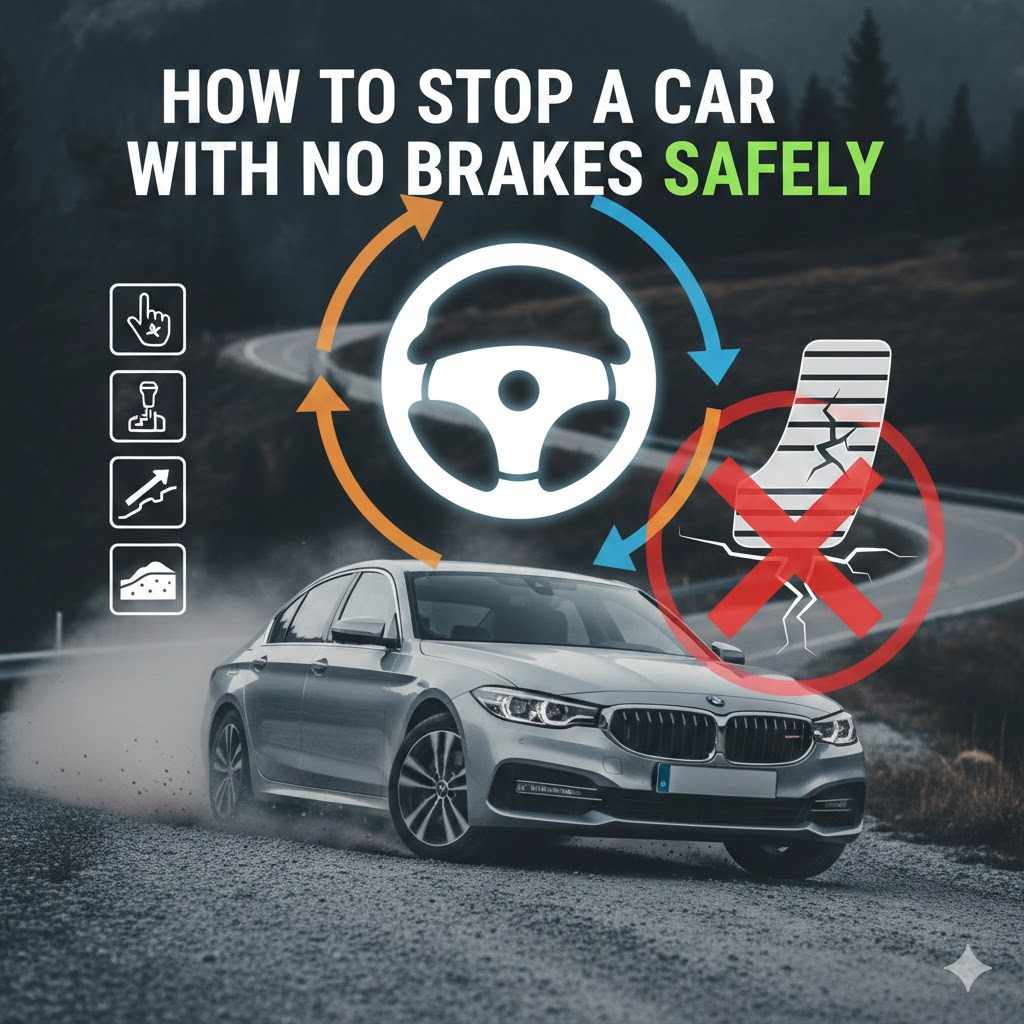
How to Stop a Car With No Brakes Safely
It can be scary when your car’s brakes stop working. You might not know what to do next. This is especially true if you’re new to driving.
Don’t worry, there are smart ways to handle this. We will show you how to stop a car with no brakes safely. This guide offers a simple plan.
We will go step-by-step so you feel ready.
Understanding What Happens When Brakes Fail
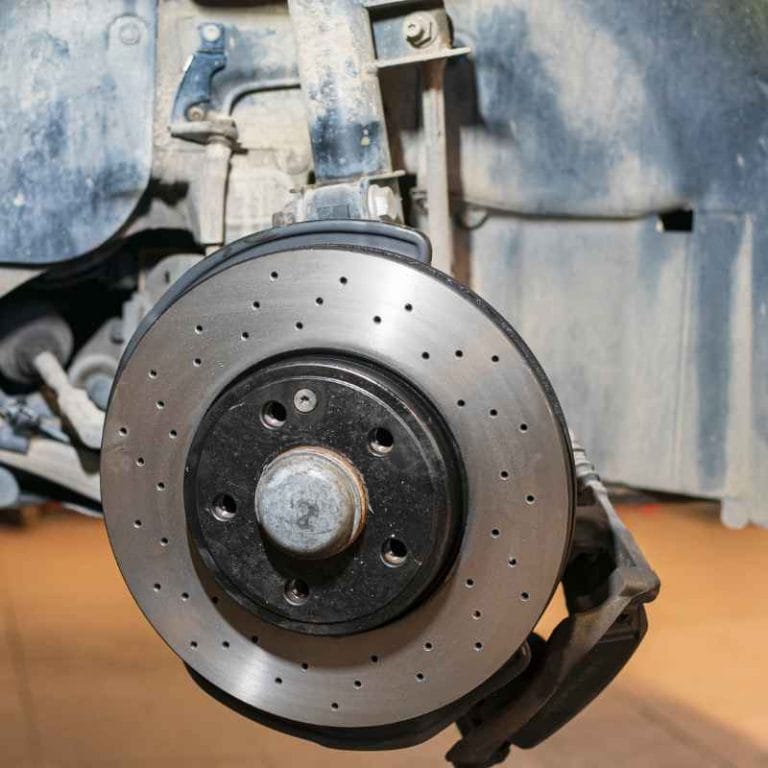
When your car’s brakes stop working, it means the system that slows down or stops your vehicle is not functioning. This can happen for many reasons, like a leak in the brake fluid lines, a problem with the master cylinder, or worn-out brake pads. In such a situation, the pedal might feel soft, go all the way to the floor, or there might be no resistance at all.

UBOG
UBOG 8PCS Brake Light Switch Stopper,Car Accessories…
- [Material]:These brake pedal stop pads are made of high-quality rubber material,which is strong,wear-resistant and durable,and wil…
- [Packing List]:Contains 4 black brake switch stoppers and 4 white brake switch stoppers.Meet your daily use needs.
- [Compatible]:Black brake switch stopper OEM#90541-06036,white brake switch stopper OEM#46505-SA5-000.It is recommended that you ch…
As an Amazon Associate I earn from qualifying purchases.
It’s a situation that requires quick thinking and knowing the right steps to take to maintain control and minimize risk.
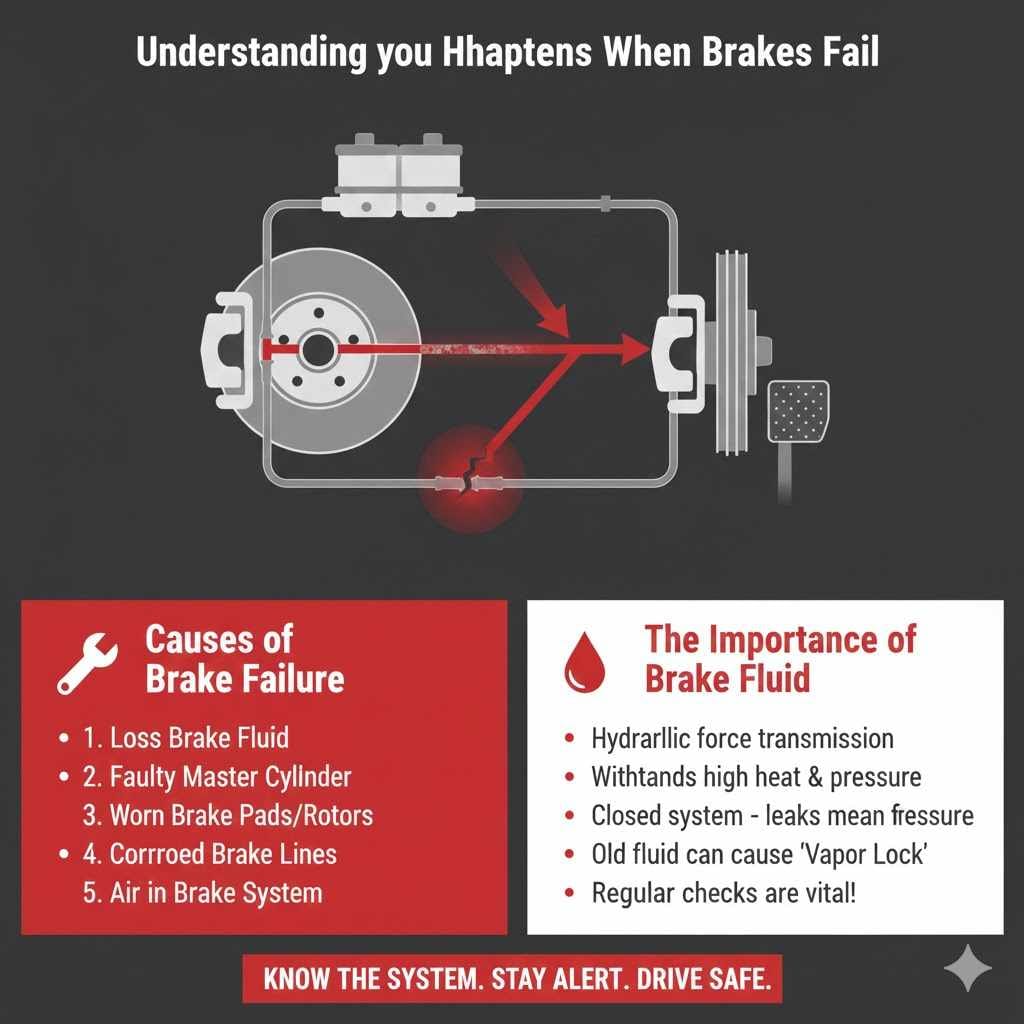
Causes of Brake Failure
Brake failure isn’t common, but it can happen. One main cause is a loss of brake fluid. This fluid is essential for pressing the brake pads against the wheels.
If there’s a leak, the fluid level drops, and the system can’t create enough pressure to stop the car. Another common issue is a faulty master cylinder. This part helps push the brake fluid through the lines.
If it breaks, the pressure needed for braking is lost.
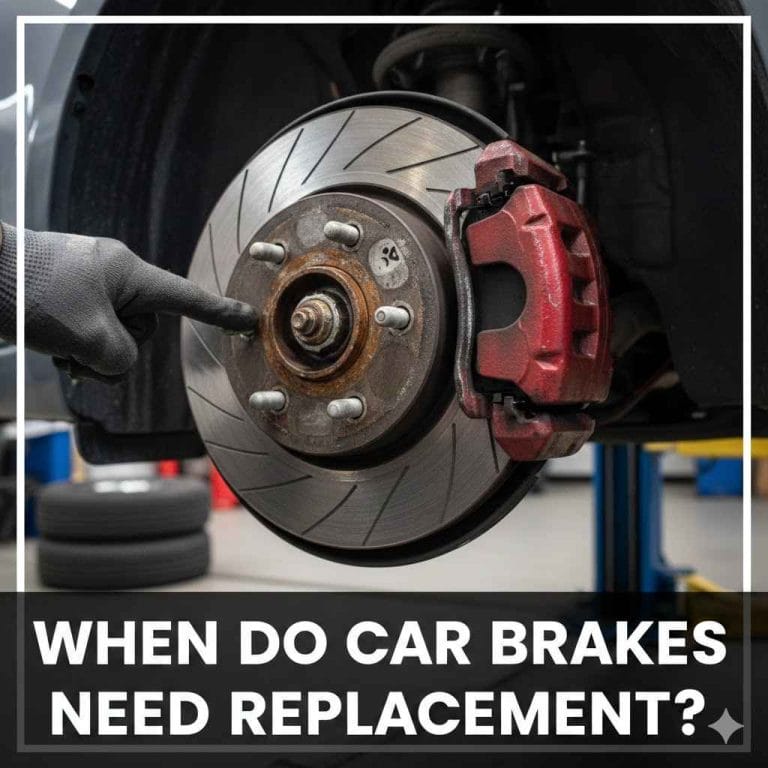
Worn brake pads or rotors also contribute to brake problems. Over time, these parts wear down. When they are too thin, they can’t grip the wheels effectively.
Sometimes, the brake lines themselves can corrode and leak. Air can also get into the brake lines, which is called air in the brake system. This makes the brake pedal feel spongy and reduces braking power.
The Importance of Brake Fluid
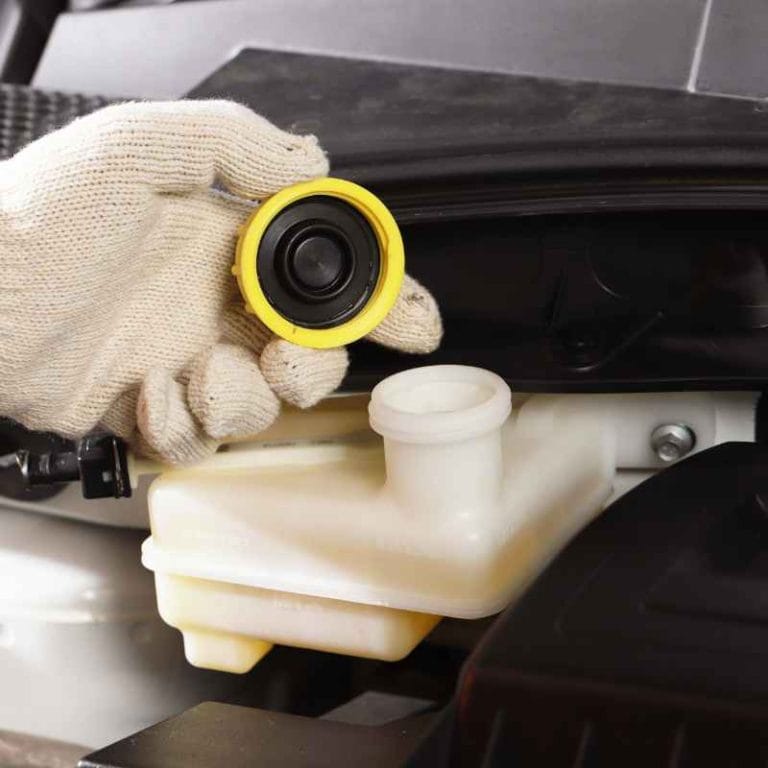
Brake fluid is a hydraulic fluid that transmits force, enabling your brakes to work. It’s designed to withstand high temperatures and pressures found in the braking system. Without sufficient brake fluid, the brake calipers or drums cannot be activated to create friction and slow the vehicle.
This fluid is contained within a closed system, and any leak means a loss of this critical component, leading directly to compromised or complete brake failure.
Regular checks of the brake fluid level and condition are vital. Low fluid levels often indicate a leak somewhere in the system. Old or contaminated brake fluid can also lose its effectiveness, especially under hard braking conditions, leading to vapor lock, where bubbles form in the fluid and compress, preventing proper hydraulic pressure.
This is why flushing and replacing brake fluid according to your car’s maintenance schedule is important for overall brake health.
Immediate Actions: How to Stop a Car with No Brakes Safely
When you realize your brakes aren’t working, staying calm is the very first and most important step. Panic can make things worse. The goal is to slow the car down using anything else you have available and steer to safety.
You’ll need to use your gears, parking brake, and even the friction of the road to help bring the car to a halt. The following steps detail what you should do to manage this emergency situation.
Using Your Gears to Slow Down
When your brakes fail, you can use your car’s transmission to help slow down. This is called engine braking. For a manual transmission, take your foot off the gas pedal and downshift to a lower gear.
For example, if you’re in fifth gear, shift to fourth, then third, and so on. Each lower gear will make your engine work harder to slow the wheels. This creates drag and helps reduce speed.
If you have an automatic transmission, you can often shift into a lower gear setting manually. Look for options like ‘L’ (Low), ‘1’, ‘2’, or ‘3’ on your gear selector. Similar to a manual car, these settings engage lower gears, increasing engine braking.
Be gentle when downshifting, especially at high speeds, to avoid damaging your engine or transmission. Continuously shifting to lower gears as you slow down will help you gain control.
Engaging the Parking Brake
Your parking brake, also known as the emergency brake or handbrake, is a mechanical system that operates independently of your regular hydraulic brakes. It typically engages brakes on the rear wheels. To use it, pull the lever up firmly.
If you have a foot-operated parking brake, push the pedal down. For electric parking brakes, you’ll usually press a button.
When using the parking brake, apply it gradually and smoothly. Yanking it suddenly, especially at high speeds, can lock up the rear wheels and cause your car to skid or spin out of control. Keep a firm, steady pull or push on the brake.
You might need to adjust your grip or pressure as the car slows down to maintain control. Remember that the parking brake is designed to hold a parked car, but it can also be a lifesaver in an emergency.
Steering and Seeking Safety
While you are trying to slow down, always keep your hands on the steering wheel. You need to steer the car away from danger. Look for a safe place to pull over.
This could be a shoulder on the road, an empty parking lot, or even a soft area like grass if no paved options are available. Avoid sharp turns, which can be harder to control when your braking is compromised.
Scan ahead for obstacles, other vehicles, pedestrians, or any potential hazards. Signal your intentions if possible by using your hazard lights. Your goal is to guide the car to a complete stop in the safest location possible.
A gradual descent on a hill can also help slow your vehicle without using brakes. By combining gear selection, parking brake, and careful steering, you can significantly reduce the risk.
Advanced Techniques and Considerations
Beyond the immediate steps, there are other things to consider when your brakes fail. Understanding how different road conditions and environments affect your ability to stop is key. Also, knowing about less common but potentially useful methods can give you more options.
Using the Environment to Your Advantage
The road itself can be used to help slow your car. If you are on a downhill slope, let gravity work for you by keeping the car in a lower gear. The incline will help reduce your speed.
On an uphill slope, the incline will also naturally slow the car down, making it easier to control. You might also consider using friction from the road surface.
Rubbing your car against a soft surface like a grassy verge or a sandy patch can create friction. Be very careful with this, as it can cause damage to your vehicle and potentially make it harder to steer if done too aggressively. Another option is to gently rub the car’s side against a guardrail.
This should only be done as a last resort and with extreme caution, as it can cause significant damage and loss of control if not managed properly.
Potential for Friction Braking
In very specific and desperate situations, you might be able to use friction from objects. For example, if you are driving on a dirt or gravel road, the loose surface can offer more resistance than pavement. You could also intentionally drive over rough terrain, like speed bumps or uneven surfaces, to create drag and slow the vehicle down.
This is a method that requires careful judgment to avoid losing control entirely.
Some drivers have even used their car’s undercarriage to create drag. This is extremely risky and can cause significant damage to the vehicle, including fuel lines, exhaust systems, and structural components. It’s generally not recommended unless there is absolutely no other option and the risk of not stopping is greater than the risk of damage.
The primary focus should always remain on steering to a safe stopping point.
What to Do After Stopping
Once you have successfully brought your car to a stop, turn off the engine immediately. This will prevent the car from rolling further. Do not attempt to restart the engine or drive the vehicle.
You need to have your brakes inspected by a qualified mechanic as soon as possible. It is unsafe to drive a vehicle with brake failure. Call for a tow truck to take your car to a repair shop.
Make sure you are in a safe location away from traffic. If you are on the side of a busy road, turn on your hazard lights to alert other drivers. If possible, place reflective triangles or flares behind your vehicle to warn approaching traffic.
Your personal safety is paramount. Wait for professional help in a secure spot.
Preventive Measures to Avoid Brake Failure
The best way to deal with brake failure is to prevent it from happening in the first place. Regular maintenance is key to ensuring your braking system is always in top condition. Being aware of the signs of potential problems can also help you address issues before they become serious emergencies.
Regular Brake Inspections
Your car’s braking system is one of its most important safety features. You should have your brakes inspected regularly, typically as part of your routine vehicle maintenance schedule. Most mechanics recommend checking your brakes at least once a year, or more often if you drive frequently or in demanding conditions.
During an inspection, a mechanic will check brake fluid levels, look for leaks, examine the brake pads and rotors for wear, and test the brake system’s performance.
Pay attention to any changes in how your brakes feel or sound. Is the brake pedal softer than usual? Do you hear grinding or squealing noises when you brake?
Are you feeling vibrations in the steering wheel or brake pedal? These can all be early warning signs of a problem. Addressing these issues early can prevent them from escalating into a dangerous failure.
Maintaining Brake Fluid Levels
Brake fluid is crucial for your braking system. It’s important to check the brake fluid level regularly, usually along with your engine oil. If the brake fluid level is low, it could mean there’s a leak in the system or that your brake pads are severely worn.
Most cars have a transparent reservoir for the brake fluid, making it easy to check the level visually. If it’s below the ‘min’ line, you should have it inspected.
It’s also important to use the correct type of brake fluid recommended by your car manufacturer. Over time, brake fluid can absorb moisture, which can lower its boiling point and lead to vapor lock, especially in hot conditions or during heavy braking. This is why brake fluid should be flushed and replaced according to your car’s maintenance schedule, typically every two years or as recommended by the manufacturer.
Understanding Your Car’s Braking System
Knowing a little about how your car’s brakes work can help you spot problems sooner. Most modern cars use a hydraulic braking system. When you press the brake pedal, a piston in the master cylinder pushes brake fluid through lines to the brake calipers at each wheel.
The calipers then squeeze brake pads against rotors, creating friction that slows the wheel. Anti-lock Braking Systems (ABS) are common and help prevent wheels from locking up during hard braking.
If your car has ABS, you might feel pulsations in the brake pedal when the system is active. This is normal. However, if your ABS warning light comes on, it indicates a problem with the system.
Understanding the role of each component – the brake pedal, master cylinder, brake fluid, brake lines, calipers, and pads – can help you recognize when something isn’t right. Don’t hesitate to ask your mechanic to explain your car’s braking system.
Common Scenarios and Solutions
Let’s look at a couple of typical situations where brake failure might occur and how the advice given can be applied. These examples highlight the importance of staying calm and following a plan.
Scenario 1 The Sudden Soft Pedal
Imagine you are driving on the highway and press the brake pedal, but it goes all the way to the floor with very little resistance. You realize your brakes have failed. What do you do?
- Immediately take your foot off the accelerator.
- Turn on your hazard lights to warn other drivers.
- Gently start downshifting through the gears (if manual) or select a lower gear (if automatic).
- Begin to gently apply the parking brake, holding it steady.
- Scan for a safe place to pull over, like a shoulder or an exit ramp.
- Steer towards your chosen safe spot, using your remaining control to guide the car.
By following these steps, you are using engine braking and the parking brake to slow the vehicle while actively trying to steer to safety. The key is to avoid sudden movements and maintain control.
Scenario 2 Driving Down a Steep Hill
You are driving down a long, steep hill when you notice your brakes are not slowing the car as much as they should. The pedal feels a bit mushy.
- Downshift immediately to a lower gear. This will use the engine to resist the downhill momentum.
- Carefully apply the parking brake. On a steep hill, this will be more effective than on a flat surface.
- Look for a runaway truck ramp or a safe area to pull off the road. If there are none, try to use the friction of the road surface by gently steering towards the shoulder or even a soft verge if necessary.
- Keep both hands on the steering wheel and maintain a steady course towards the safest possible stopping point.
In this situation, the downhill slope combined with engine braking and the parking brake can help bring the car to a halt. The goal is to reduce speed gradually and steer to a place where the car can stop without causing an accident.
Statistics on Brake-Related Incidents
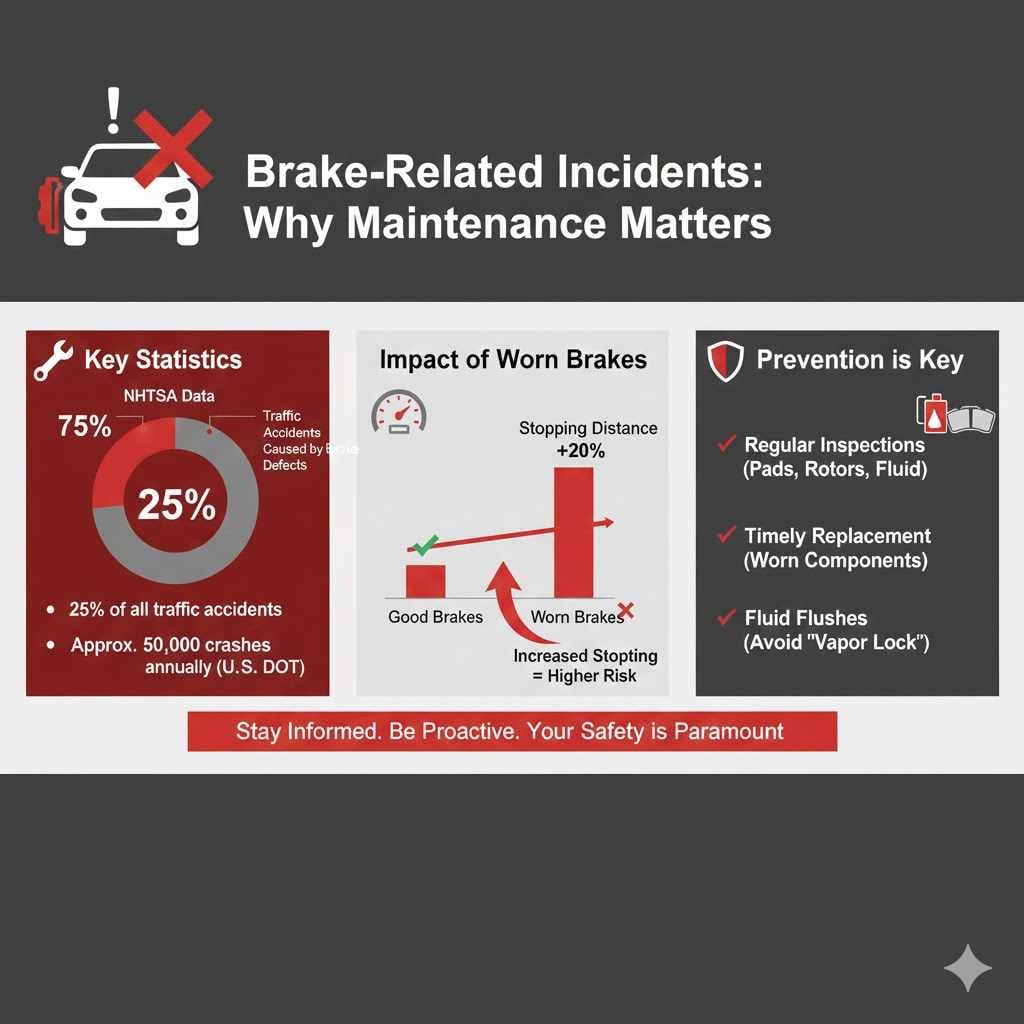
Brake issues are a significant factor in vehicle accidents. According to the National Highway Traffic Safety Administration (NHTSA), brake system defects are cited in approximately 25% of all traffic accidents. This highlights the critical importance of maintaining a functional braking system.
Furthermore, a study by the U.S. Department of Transportation found that brake problems are a contributing factor in about 50,000 crashes annually.
These statistics underscore that while complete brake failure is rare, partial failures or issues that compromise braking performance are more common. Proactive maintenance is therefore essential. For example, worn brake pads can increase stopping distances by up to 20% or more, significantly increasing the risk of collision.
Frequently Asked Questions
Question: What should I do if my brake pedal goes to the floor
Answer: If your brake pedal goes to the floor, stay calm, take your foot off the gas, turn on your hazard lights, and downshift to a lower gear while gently applying the parking brake. Look for a safe place to steer towards.
Question: Can I use my car’s air conditioning to help stop
Answer: No, your car’s air conditioning system is not designed to help stop the vehicle. It draws power from the engine but does not directly assist in braking. Focus on gear selection and the parking brake.
Question: How fast can I go when my brakes are not working
Answer: You should try to go as slowly as possible. Lower gears and the parking brake will help reduce your speed. Avoid high speeds as much as you can.
Question: What if I am in heavy traffic and my brakes fail
Answer: If in heavy traffic, turn on your hazard lights immediately. Use your lower gears and parking brake to slow down as much as possible. Steer carefully to avoid other vehicles and try to get to the side of the road or an opening.
Question: Is it safe to drive my car after the brakes have failed
Answer: No, it is not safe to drive your car after the brakes have failed. You must have the vehicle towed to a mechanic for a full inspection and repair before driving it again.
Summary
Knowing how to stop a car with no brakes safely can make a critical difference in an emergency. By remaining calm, using engine braking through gear selection, engaging the parking brake gradually, and steering towards safety, you can regain control. Regular brake maintenance is the best way to prevent this terrifying situation from ever occurring. See also why do car brake lights flash causes and what to do next.
Related pick: Check today's price on Amazon