When Do Car Brake Discs Need Replacing? Warning Signs
It’s a common worry for many drivers: are my car’s brakes safe? You hear a strange noise, or the pedal feels a bit off. Suddenly, you’re wondering, “When do car brake discs need replacing?” It’s a valid question.
Your brakes are vital for your safety and the safety of others on the road. Understanding the signs that your brake discs are wearing out can save you from big problems.
This guide will help you understand what’s happening with your brakes. We’ll cover the common signs that point to worn-out brake discs. You’ll learn what these signs mean for your car’s stopping power.
We’ll also talk about why brake discs wear down. Knowing this will help you keep your car running safely. Let’s dive in and get your questions answered.
Brake discs, also called rotors, typically need replacing after 50,000 to 70,000 miles, but this varies greatly. Key warning signs include a grinding noise when braking, a pulsating pedal, squealing sounds, and visible scoring or rust on the disc surface. Regular checks are crucial to ensure safety.
Understanding Your Car’s Brake Discs
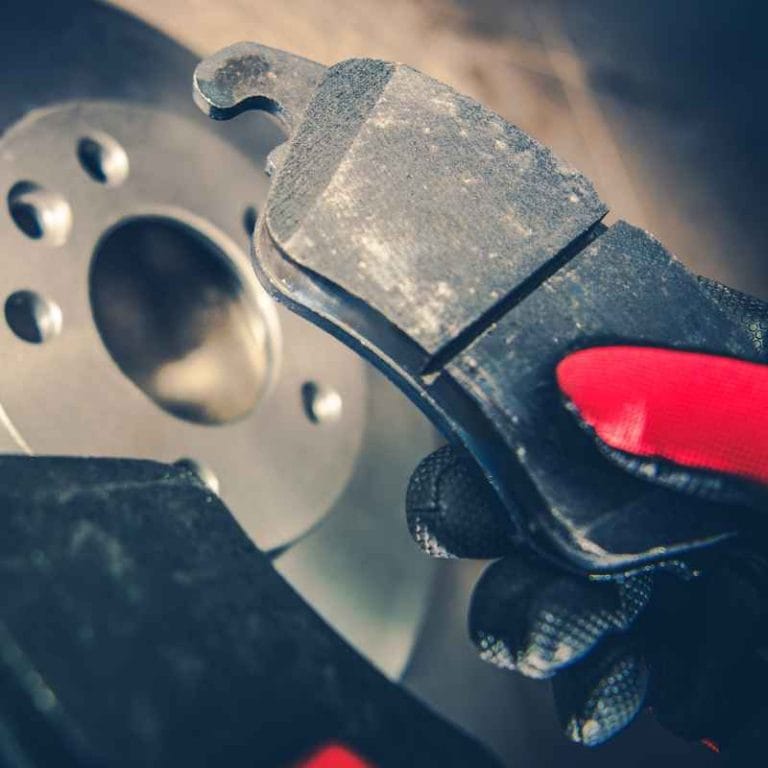
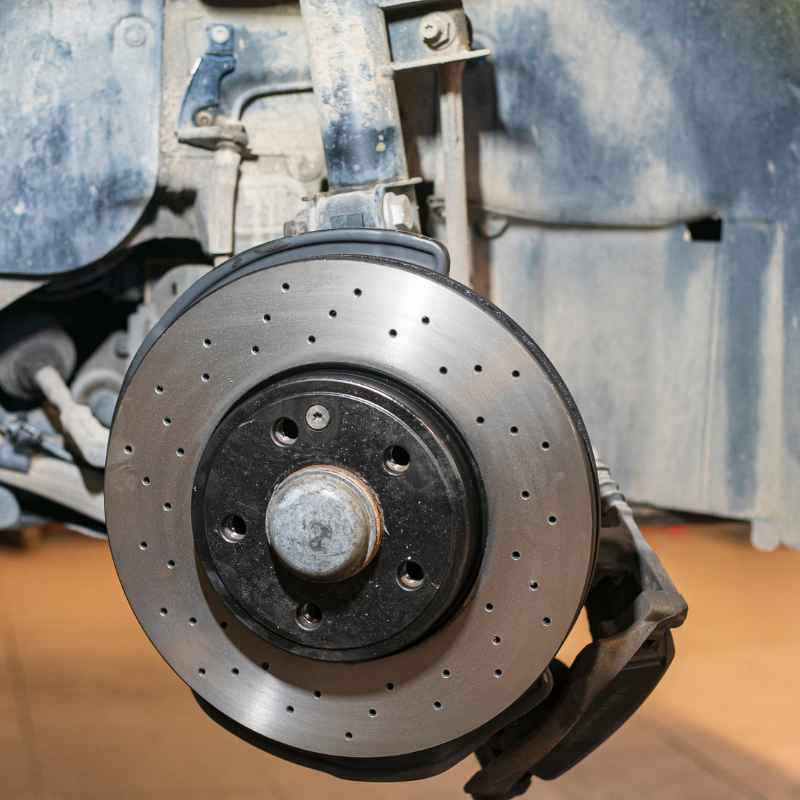
Your car’s braking system is a complex piece of engineering. At its heart are the brake discs. These are the large, metal rings that spin with your wheels.
When you press the brake pedal, brake pads clamp down on these discs. This friction slows your car. Think of it like rubbing your hands together quickly; they get warm.
That’s the heat generated by the friction.
Brake discs are usually made of cast iron. This material is strong and can handle a lot of heat. Over time, though, the constant clamping and friction wear them down.
The surface can become uneven. It can also get thin. Both of these issues reduce their ability to stop your car effectively.
This is why knowing when to replace them is so important.
The life of brake discs isn’t just about miles. It also depends on how you drive. If you do a lot of city driving with frequent stops, your discs will wear out faster.
Long highway drives with fewer stops help them last longer. Your driving habits play a big role. So does the type of brake pads you use.
Some pads are softer and wear out faster but are gentler on the discs. Others are harder and last longer but can wear discs more quickly.
Common Warning Signs Your Brake Discs Need Replacing
Cars have a way of telling us when something isn’t right. You just need to listen and feel. For brake discs, there are several clear signals.
Noticing these early can prevent more serious and costly damage. It can also keep you safer on the road.
That Grinding Sound
One of the most alarming sounds your car can make is a loud grinding noise when you brake. This often means the brake pads have worn down completely. The metal backing of the pad is now scraping directly against the metal brake disc.
This is bad news. It damages both the pads and the discs. If you hear this, you should get your brakes checked immediately.
Driving with metal-on-metal braking is dangerous. It also makes the repair job much bigger. The disc likely needs replacing, not just resurfacing.
Imagine the sound: it’s a harsh, metallic scrape. It’s not a gentle squeal. It’s a deep, rough noise that makes you want to stop driving.
This is the sound of metal on metal. It’s your brakes screaming for help. The damage is happening right now.
Don’t wait. Get to a mechanic as soon as you can.
A Pulsating Brake Pedal
When you apply the brakes, does the pedal feel like it’s pulsing or vibrating under your foot? This is another common sign of worn brake discs. The pulsating feeling usually happens when the disc surface has become uneven.
This can be due to heat spots or warping. The uneven surface causes the pads to grab and release the disc in a jerky motion. This translates to the pedal.
It feels like a rapid thumping.
This pulsing isn’t just annoying. It means your brakes aren’t applying pressure evenly. This can affect your stopping distance.
It can make steering difficult during hard braking. Warped discs are often caused by overheating. This can happen during heavy braking or when towing.
The intense heat can cause the metal to distort. So, if your pedal pulses, your discs might be warped and need replacing.
In some cases, a mechanic might be able to resurface the discs if the warping isn’t too bad. This involves grinding the disc surface smooth again. However, if they are too thin or too badly warped, replacement is the only safe option.
The goal is always to have a smooth, firm pedal feel when you brake.
Squealing or Screeching Noises
A high-pitched squeal when you brake is a very common sound. Sometimes, this squeal is designed into the brake pad. It’s a small metal tab that hits the disc when the pad is getting thin.
It’s an early warning. This means you should check your brake pads soon. It doesn’t always mean the discs need replacing right away.
But it’s a sign that the whole braking system needs attention.
However, sometimes the squealing can come from the discs themselves. If the discs are glazed over from heat, they can make noise. Or, if there’s rust on the surface, it can cause squealing until it wears off.
If the squealing persists even after the rust is gone or the pads are replaced, the discs might be the source. It’s worth having a mechanic inspect them. They can tell you if the noise is from the pads, the discs, or something else.
This type of noise is often a high-pitched, almost piercing sound. It happens mostly when you first start driving or after the car has been sitting. If it continues with every press of the pedal, it’s more concerning.
Always get brakes checked if they make unusual noises.
Visual Signs of Wear or Damage
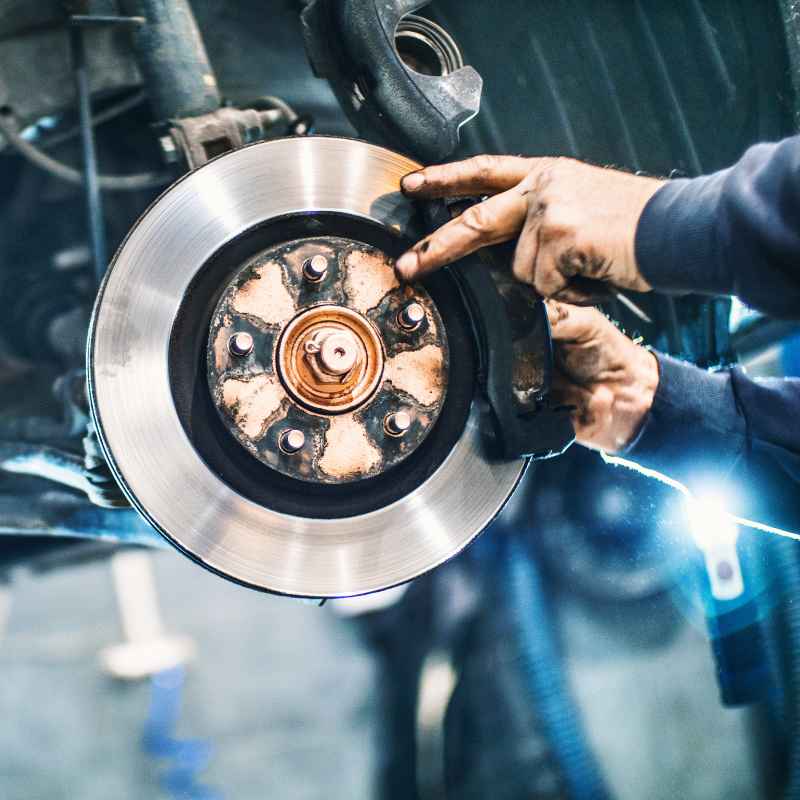
You don’t always need to hear a noise to know your brake discs are in trouble. Sometimes, you can see the problem. If you can safely look at your wheels, you might see issues with the discs.
This is easiest if you have alloy wheels, but sometimes you can see through them.
Look for several things:
- Scoring or Grooves: Are there deep lines or grooves etched into the surface of the disc? These can be caused by debris caught between the pad and disc. They can also happen if the pads are worn down. These grooves make the braking surface uneven.
- Rust: A thin layer of surface rust after rain is normal. It usually goes away after a few brake applications. But if you see deep, flaky rust, or rust that doesn’t go away, it can be a problem. Especially if the rust has eaten into the disc and made it look pitted.
- Cracks: This is a serious sign. Small cracks can sometimes appear on the surface of brake discs, especially after heavy use or overheating. If you see any cracks, the disc is compromised and needs to be replaced immediately.
- Thinness: Brake discs have a minimum thickness specified by the manufacturer. This is usually stamped on the edge of the disc. If the disc looks very thin, or the outer edge has developed a sharp lip, it’s likely worn out.
Checking your brake discs visually is a good practice. You can do this when you check your tires. If you see any of these issues, it’s time for a professional inspection.
They have the tools to measure the disc thickness accurately.
A Spongy or Soft Brake Pedal
This is another critical safety concern. If your brake pedal feels soft or spongy when you press it, it usually points to a problem in the hydraulic system. However, severely worn or damaged discs can contribute to this feeling.
If the discs are very thin or heavily scored, they might not provide enough surface for the pads to grip effectively. This can lead to a feeling of reduced braking power and a softer pedal.
More often, a spongy pedal means there might be air in the brake lines. Or it could mean there’s a leak in the brake fluid system. But because brake discs are the point of contact for stopping, their condition impacts the overall feel.
If your pedal feels less firm than usual, don’t ignore it. Reduced braking effectiveness is a major safety risk. A mechanic will check the entire brake system.
This includes fluid levels, lines, pads, and discs.
The pedal travel might also be longer. You might have to push the pedal further down to get the brakes to engage. This is a sure sign something is wrong.
It’s not just a minor annoyance; it’s a serious warning.
When to Check Your Brakes
Regular Checks: Most car manufacturers recommend a brake inspection every 12,000 miles or 12 months. This should be part of your regular car servicing.
Before Long Trips: Always check your brakes before going on a long road trip, especially if you’ll be driving in hilly or mountainous areas.
After Rough Driving: If you’ve hit a large pothole or driven through deep water, it’s wise to have your brakes checked.
Why Do Brake Discs Wear Out?
Brake discs don’t just wear out randomly. There are several reasons why they reach the end of their life. Understanding these can help you prolong their life.
It can also help you understand why you might need new ones sooner than expected.
Friction and Heat
This is the main culprit. Every time you brake, friction is created. This friction turns kinetic energy (your car’s motion) into heat.
Brake discs are designed to absorb and dissipate this heat. But repeated braking, especially hard braking, generates a lot of heat. Over time, this heat can cause the metal to change.
It can lead to warping or create hot spots on the disc surface. These uneven surfaces make braking less effective and can cause vibrations.
Think about driving downhill. You’re constantly using your brakes to control your speed. This constant use generates significant heat.
If the discs can’t cool down quickly enough, they can overheat. This is why brake fade can happen. It’s when your brakes become less effective due to high temperatures.
This is a clear sign the discs are working overtime.
Driving Habits
As mentioned earlier, how you drive matters. Aggressive driving with lots of sudden stops and starts is hard on brake discs. Slamming on the brakes wears them down much faster than gradual braking.
Riding the brakes, meaning keeping your foot on the pedal while going downhill, also causes overheating and premature wear.
On the other hand, smooth driving with plenty of foresight is easier on your brakes. Anticipating traffic flow allows you to slow down gradually. This reduces the amount of heat and friction your brake discs endure.
If you tend to be a spirited driver, be prepared for more frequent brake maintenance.
Road Conditions and Debris
The environment your car drives in can also impact brake disc wear. Driving on dusty or muddy roads can introduce abrasive particles. These particles can get caught between the brake pads and discs.
This causes accelerated wear and can lead to scoring. Salt used on roads in winter can also cause rust. While surface rust is normal, prolonged exposure can lead to corrosion and pitting of the disc surface.
If you live in an area with heavy road construction or gravel roads, your brakes are constantly exposed to grit. This grit acts like sandpaper. It grinds away at the disc surface.
This leads to premature wear and tear. Regular cleaning of your wheels and brakes might help, but some wear is unavoidable in such conditions.
Material Quality and Manufacturing Defects
Not all brake discs are created equal. The quality of the metal used and the manufacturing process can affect their lifespan. Cheaper, lower-quality discs might not be as durable.
They might be more prone to warping or cracking. While they might save you money upfront, they could end up costing more in the long run due to earlier replacement.
Occasionally, a manufacturing defect can occur. This could be a flaw in the casting or machining process. These defects might not be apparent until the disc has been in use for some time.
If you experience premature brake wear or issues with new discs, it’s worth investigating if there was a defect.
Brake Disc vs. Brake Pad Wear
Brake Pads: These are the friction material that clamps onto the disc. They wear out faster than discs, typically every 20,000-50,000 miles. They are designed to be the sacrificial component.
Brake Discs (Rotors): These are the metal rings. They wear down more slowly. They can often be resurfaced once or twice before needing replacement.
They typically last 2-3 times longer than pads.
Rule of Thumb: Often, you’ll replace your brake pads twice for every one time you replace your brake discs. But always have them inspected together.
How Long Do Brake Discs Last?
This is the million-dollar question, and the answer is: it varies. There’s no single number that applies to every car or every driver. However, we can give you some general guidelines.
Typical Lifespan in Miles
For most passenger cars, you can expect brake discs to last somewhere between 50,000 and 70,000 miles. Some drivers might get more, and some might get less. This is a broad range because so many factors influence wear.
As mentioned, how you drive is a huge factor. If you are a very gentle driver, you might reach 70,000 miles or even more. If you drive aggressively, or in heavy stop-and-go traffic daily, you might need new discs closer to 30,000 or 40,000 miles.
It’s about how much stress and heat the discs endure.
Factors Affecting Lifespan
- Driving Style: Aggressive braking vs. smooth braking.
- Driving Conditions: City traffic vs. highway driving.
- Vehicle Weight: Heavier vehicles put more stress on brakes.
- Brake Pad Material: Harder pads can wear discs faster.
- Climate: Exposure to salt, moisture, and extreme temperatures.
- Brake System Quality: OEM vs. aftermarket parts.
- Towing or Hauling: Extra weight significantly increases brake wear.
It’s always best to have your brake discs inspected by a qualified mechanic during your regular maintenance. They can tell you the actual condition and estimate their remaining life.
When Discs Can’t Be Resurfaced
Sometimes, mechanics can “resurface” brake discs. This means they grind the surface flat again. This can save you money.
But it’s not always possible or advisable. Discs can only be resurfaced if they have enough thickness remaining. There’s a minimum thickness limit stamped on the disc itself.
If the disc is already close to this limit, resurfacing would make it too thin.
Also, if the disc is severely warped, cracked, or heavily scored, resurfacing won’t fix it. Deep cracks mean the metal is compromised. Severe warping means too much material needs to be removed.
In these cases, replacement is the only safe option. Think of it like trying to smooth out a crumpled piece of paper. Some dents can be smoothed, but a badly creased page will never be flat again.
Can You Drive Safely with Worn Brake Discs?
Short Answer: No, not for long.
Why? Worn discs reduce your car’s stopping power. This increases your braking distance. In an emergency, this can be the difference between stopping safely and causing an accident.
Signs like grinding, pulsating pedals, or a soft pedal are serious safety indicators.
Recommendation: If you suspect your brake discs are worn, get them checked and replaced as soon as possible. Safety first!
Real-World Scenarios: When I Knew My Discs Were Done
I remember one time, years ago, driving my old sedan. It was a rainy Tuesday evening. I was heading home after a long day.
I was maybe 50 miles from home, on a fairly empty stretch of highway. As I approached a slower truck, I gently applied the brakes.
Suddenly, I felt this weird pulsing through the steering wheel. It wasn’t a violent shake, but it was definitely there. My foot on the brake pedal felt like it was getting little taps back.
I’d heard that sound before, but this was the first time I felt it through the car. I usually replaced my brake pads on schedule, and they always felt great. So, I thought, “What is this?”
I slowed down, and the pulsing went away. Then, when I needed to brake again at the next exit, it came back. That’s when I knew it wasn’t just the pads.
The discs had to be warped. They had uneven spots that were making the pads grab and release. It was a distinct feeling, and it made me nervous.
I pictured my car not stopping when I needed it to. That feeling of uncertainty on the road is the worst. I immediately made a mental note to get it checked first thing in the morning.
The next day, I took it to my mechanic. He put it up on the lift. He showed me the brake discs.
They looked okay at first glance, but he pointed out the tiny lip on the outer edge. He also measured them. They were right at their minimum thickness.
He said the heat from some hard braking I must have done on a previous trip had warped them. He said even though the pads were still good, he recommended replacing both the pads and the discs for best results. That was a lesson learned.
It’s not just about the miles; it’s about the stress you put on those parts.
Another time, I noticed a faint squealing sound when I would release the brake pedal after coming to a stop. It wasn’t constant. It was more of a brief chirp.
I ignored it for a bit, thinking it was just the pads settling. But then, a few weeks later, the squeal got louder. It started happening every time I braked.
It was that high-pitched, metallic sound that really grates on you. I took it in, and the mechanic showed me the brake pads. They looked almost gone.
The little wear indicator tabs were practically scraping the discs. He said if I had waited much longer, the discs would have been ruined by the metal backing of the pads. That squeal was a direct warning from the pads, telling me they were about to fail and damage the discs.
What to Do When You Hear Brake Noises
Don’t Ignore: Any new or unusual noise from your brakes should be investigated.
Identify the Noise: Is it a grind, squeal, or chirp? When does it happen? (During braking, releasing, turning?)
Feel the Pedal: Does the pedal feel normal, soft, spongy, or pulsating?
Schedule a Check: Take your car to a trusted mechanic as soon as possible for a brake inspection.
What This Means for You: When It’s Normal vs. When to Worry
It’s helpful to know what’s just normal brake behavior and what signals a problem. Your car’s brakes are designed to work reliably, but they do experience wear and tear. Understanding the difference can save you from unnecessary worry or costly repairs.
Normal Brake Behavior
- Slight Squeak After Rain: A light squeak or squeal right after the car has been wet can be normal. This is often surface rust that burns off with the first few brake applications.
- Dust: Brake pads create dust as they wear. This is normal. If you notice black dust on your wheels, it’s usually from the brake pads.
- Slight Pedal Give: A very slight give in the pedal is normal. It should feel firm and responsive.
- Normal Wear on Pads: Brake pads are meant to wear down. They are the primary component designed to be replaced regularly.
When to Worry About Your Brake Discs
You should worry and get your brakes checked if you notice:
- Loud Grinding Noise: This is metal on metal and indicates severe pad wear and potential disc damage.
- Pulsating Pedal: This means warped discs, affecting braking performance and steering.
- Spongy or Soft Pedal: This indicates a potential issue with brake fluid or the hydraulic system, severely impacting stopping power.
- Visible Cracks or Deep Grooves: These are signs of structural weakness or damage to the discs.
- Car Pulling to One Side When Braking: This could mean uneven wear on the discs or calipers on one side.
- Reduced Braking Effectiveness: If it takes longer to stop your car than it used to, something is wrong.
These signs are not to be ignored. They are your car’s way of telling you there’s a safety issue that needs immediate attention. Don’t wait for an emergency to find out your brakes aren’t working properly.
Quick Checks You Can Do at Home
While a professional inspection is best, you can do a few simple checks yourself. These can give you an early indication of potential problems. Safety first when checking your car.
Make sure it’s on a flat surface and the parking brake is engaged.
Visual Inspection
If you have alloy wheels, you can often see the brake discs through the spokes. Look for obvious signs of damage like deep grooves, rust pitting, or cracks. You can also look at the outer edge of the disc.
If there’s a thick, sharp lip formed, it means the disc is worn down significantly.
Listening for Sounds
Pay attention to any new noises your car makes when you brake. Is it a consistent squeal? A grinding sound?
Or a rhythmic pulsing? These sounds are your first clue.
Feeling the Pedal
During normal driving, notice how the brake pedal feels. Does it feel firm? Or does it feel soft, spongy, or does it vibrate under your foot?
Check for Pulling
When braking gently on a straight road, does your car tend to pull to one side? This could indicate an issue with one side’s braking system being weaker than the other.
If you notice any of these issues, it’s time to schedule a visit to your mechanic. They have the specialized tools to measure disc thickness and assess the overall health of your braking system.
Simple Brake Disc Check Steps
- Park Safely: Ensure your car is on a level surface with the parking brake on.
- Look Through Wheels: Visually inspect the brake discs for obvious damage like cracks or deep grooves.
- Check the Edge: Look for a prominent lip or ridge on the outer edge of the disc.
- Note Any Sounds: Listen carefully when you brake – any new squealing or grinding?
- Feel the Pedal: Pay attention to the pedal feel – is it firm or soft?
When to Replace Brake Discs: The Bottom Line
So, when do car brake discs need replacing? The answer boils down to a combination of mileage, visual inspection, and the warning signs you feel and hear. While 50,000-70,000 miles is a general guideline, your actual experience might differ.
The most important thing is to be attentive to your car. Listen to its sounds. Feel its responses.
If you notice any of the warning signs we’ve discussed – grinding, pulsating pedals, persistent squealing, or visible damage – it’s time for them to be replaced. Don’t wait until the problem is severe. Early detection and replacement are key to your safety and can prevent more expensive repairs down the line.
Frequent Questions About Brake Disc Replacement
What happens if I don’t replace my worn brake discs?
If you don’t replace worn brake discs, you risk significantly reduced braking power. This increases your stopping distance, making emergency stops dangerous. You could also cause further damage to other brake components, like calipers, leading to more expensive repairs.
In severe cases, a worn disc could even break apart, leading to a total loss of braking on that wheel, which is extremely dangerous.
Can brake discs be repaired instead of replaced?
Sometimes, brake discs can be repaired by resurfacing them. This involves grinding the surface smooth to remove minor warping or scoring. However, this is only possible if the disc is not too thin and not severely damaged (e.g., cracked).
If the disc is at its minimum thickness or has deep damage, it must be replaced. Resurfacing removes material, so it’s not an option forever.
How much does it typically cost to replace brake discs?
The cost can vary greatly depending on your car’s make and model, where you live, and the type of parts used. Generally, you can expect to pay anywhere from $150 to $400 per axle for replacement brake discs, plus labor costs. Labor can add another $100 to $300.
So, a full replacement for both front or rear discs might range from $300 to $700 or more.
Should I replace brake pads when I replace the discs?
Yes, it is almost always recommended to
How long should new brake discs last?
New brake discs, when properly installed and maintained, should last a significant amount of time, often 50,000 to 70,000 miles, as discussed. However, this can be extended with good driving habits and regular checks. If you consistently practice smooth braking and avoid heavy loads or prolonged downhill braking, you may get even longer life from your new discs.
What is the difference between front and rear brake disc replacement?
Front brake discs typically wear out faster than rear brake discs. This is because about 70-80% of a car’s braking force is applied by the front brakes. Therefore, if you are replacing brake discs, you might only need to replace the front ones, or they might be more worn than the rear ones.
However, it’s always best to have both sets inspected and follow the mechanic’s recommendation for your specific vehicle.
Conclusion: Your Safety Comes First
Your car’s brake discs are critical safety components. Knowing when they need to be replaced is essential for safe driving. Pay close attention to the warning signs – the sounds, the feelings, and the visual cues.
Don’t let worn-out brake discs compromise your ability to stop effectively. Regular checks and timely replacement will keep you and your loved ones safe on the road.
See also how to improve car braking performance proven tips inside .
Products related to this article
Sponsored / affiliate links. As an Amazon Associate I earn from qualifying purchases. I may earn additional commission from eligible campaigns.