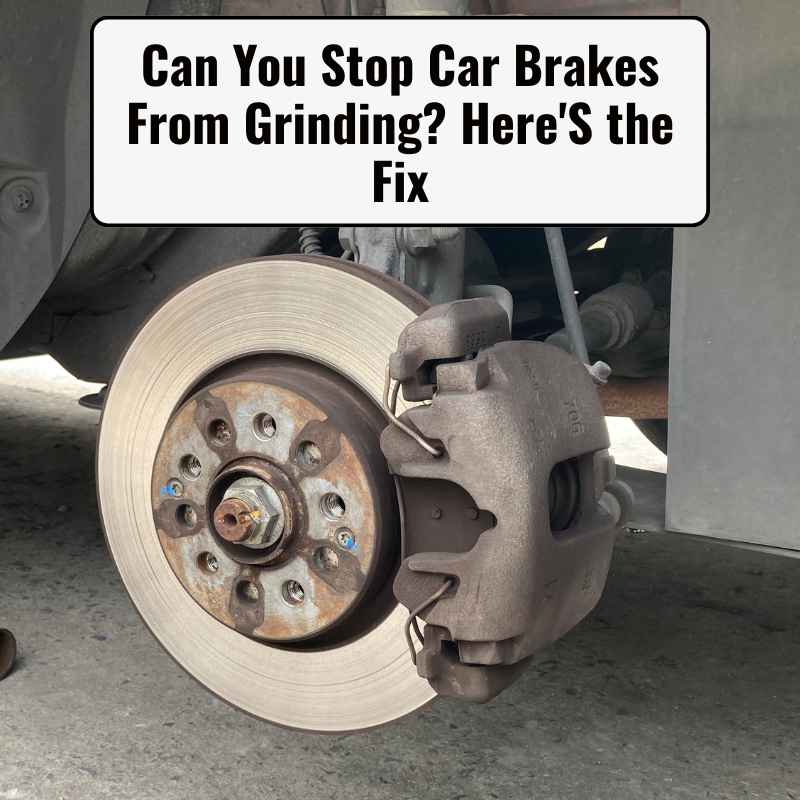
Can You Stop Car Brakes From Grinding? Here’S the Fix
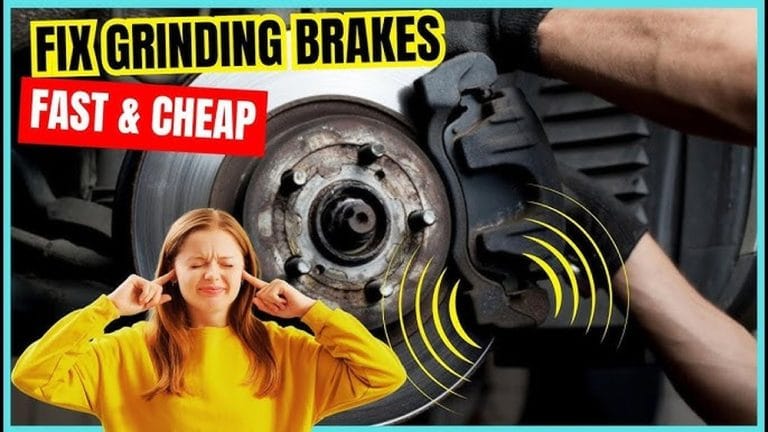
Every driver knows the uneasy feeling when car brakes start making a grinding noise. This harsh sound grabs attention because it signals something is wrong. Brake grinding isn’t just annoying—it can be dangerous, leading to expensive repairs or even accidents. Whether your car is old or new, ignoring this problem can turn a small fix into a big headache. Many drivers wonder: Can you stop car brakes from grinding?
The answer is yes, but you need to act fast and understand the cause. This guide explains why brakes grind, how to fix them, and how to keep your vehicle safe. Let’s break down the issue step by step, using clear examples and practical advice for everyday drivers.
Why Do Car Brakes Grind?
Brakes are vital for every vehicle. When they grind, it usually means parts are rubbing together in the wrong way. Understanding the cause helps you know how serious the issue is and what steps to take. Ignoring early signs can lead to more complex and costly problems.
Sometimes, the grinding is a straightforward issue, but it can also be a sign of deeper mechanical trouble.
Main Causes Of Brake Grinding
1. Worn Brake Pads
Brake pads are designed to wear down over time. When they become too thin, metal parts touch the rotors. This creates a grinding sound. If ignored, it can damage both pads and rotors. In many cars, a built-in wear indicator makes a squealing noise before grinding starts, giving you a final warning to replace the pads.
2. Damaged Rotors
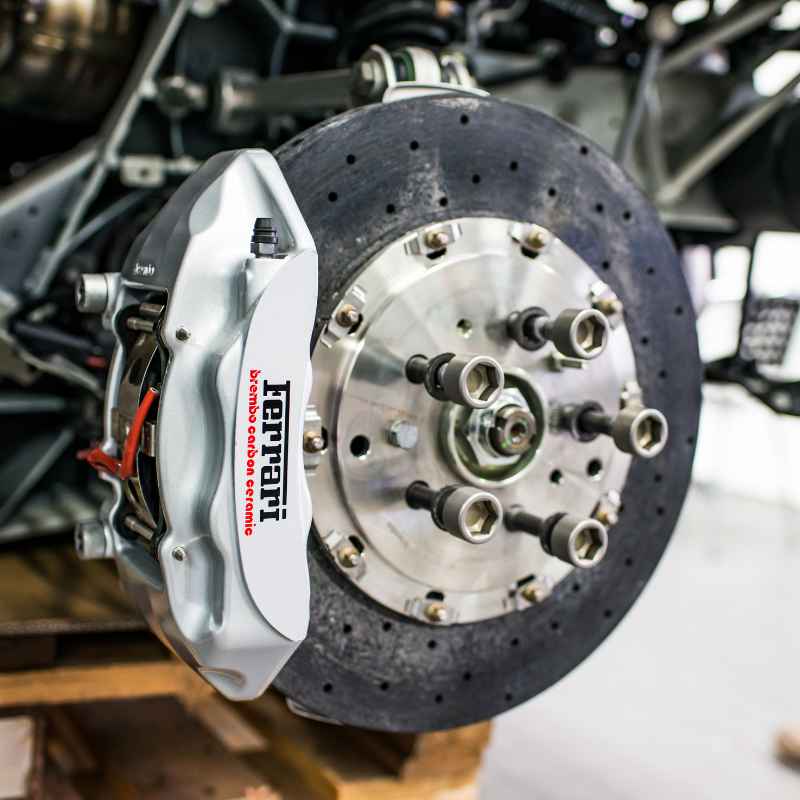
Rotors are metal discs that brake pads clamp onto. If rotors are warped, cracked, or have deep grooves, they can cause grinding even if pads are new. Warping often happens from heavy, repeated braking or overheating. Cracked rotors are rare but very dangerous and should be replaced immediately.
3. Stuck Calipers
Calipers hold brake pads and press them against rotors. Sometimes, calipers stick due to rust or debris, causing uneven pressure and grinding noises. A stuck caliper can also make your car pull to one side when braking and produce a burning smell from the wheel area.
4. Debris Between Components
Small stones, sand, or other debris can get trapped between the pad and rotor. This causes a sharp grinding sound whenever you brake. Debris-related grinding often starts suddenly after driving through gravel or on poorly maintained roads.
5. Low-quality Parts
Cheap brake pads or rotors don’t last as long. They can break down faster, causing grinding and other noises much sooner. Low-quality parts may also produce more brake dust, which can build up and cause noise or even minor damage.
6. Lack Of Lubrication
Some brake parts need lubrication. Without it, metal parts rub together, causing noise and damage. For example, brake pad slides and caliper pins must be greased to move smoothly. Dry or corroded parts can create grinding, clunking, or squeaking noises.
Examples: Real-life Scenarios
- Case 1: A driver ignores a grinding noise for weeks. When checked, both pads and rotors are worn out, costing hundreds to fix. If the repair was done sooner, only the pads would need replacement, saving money and time.
- Case 2: After driving through gravel, a small stone lodges between the pad and rotor. The grinding disappears after removing the stone. This shows how sometimes, the fix is simple and doesn’t require new parts.
- Case 3: A commuter notices grinding after a rainy season. Rust formed on the rotors overnight, causing roughness and noise. After several stops, the surface rust wears off, and the grinding stops—showing not all grinding means a serious problem.
Data: Brake Pad Lifespan
Most brake pads last between 25,000 to 65,000 miles, depending on driving habits and conditions. Urban drivers who brake often see faster wear. Heavy vehicles or towing also reduce lifespan. It’s a good practice to check your owner’s manual for the manufacturer’s recommendations. Remember, if you feel uncertain, it’s better to check too soon than too late.
How Dangerous Is Brake Grinding?
Ignoring grinding brakes isn’t just a comfort issue—it’s a safety risk. Grinding means parts are wearing down, which can lead to brake failure. Brakes are your car’s most important safety system, so any abnormal noise should be treated seriously.
Risks Of Driving With Grinding Brakes
- Reduced Stopping Power: Worn pads can’t grip rotors properly, increasing stopping distance. Even an extra few feet can mean the difference between stopping safely and a collision.
- Rotor Damage: Metal-on-metal contact damages rotors, leading to costly repairs. Damaged rotors can also cause vibrations in the steering wheel.
- Brake Failure: Extreme wear can cause total brake loss. In rare cases, pads can break apart or fall out, making braking nearly impossible.
- Accidents: Longer stopping time increases risk, especially in emergencies. In wet weather or when carrying heavy loads, the risks multiply.
Statistics
According to the National Highway Traffic Safety Administration (NHTSA), brake-related problems cause around 22% of vehicle crashes related to mechanical issues. This includes not only grinding but also other brake faults. Mechanical brake failures are a leading cause of preventable accidents, so prompt repair is essential.
Non-obvious Insight
Even if grinding seems minor, it can quickly get worse. Brakes are designed to give early warning sounds. Ignoring them means you miss the best time to fix the problem cheaply. What many drivers miss is that the grinding sound itself damages parts every time you press the pedal, making the repair cost rise with each mile.
Diagnosing The Source Of Grinding
Finding the exact cause is key to fixing grinding brakes. Here’s how to diagnose the problem, even if you’re not a mechanic. Proper diagnosis helps you decide if you can fix it yourself or need a professional.
Steps To Diagnose Brake Grinding
1. Listen Carefully
Grinding can happen when braking, driving, or both. Note when the sound occurs. For example, if you hear grinding only when applying brakes, it usually means worn pads. If the noise happens all the time, a stuck caliper or debris may be involved.
2. Visual Inspection
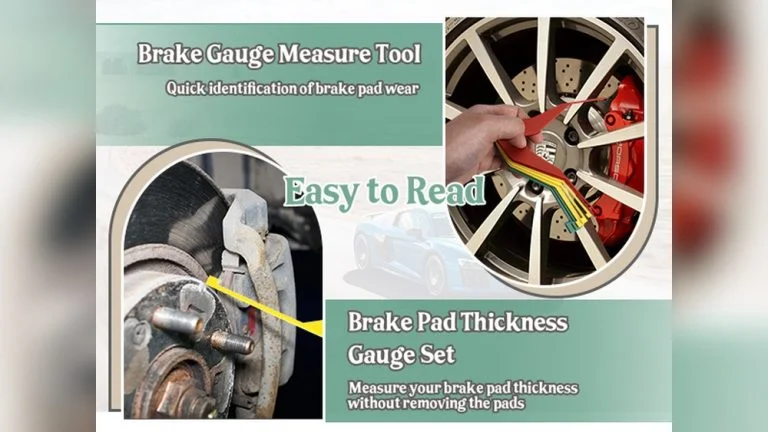
Look at the brake pads through the wheel. If you see less than 1/4 inch of pad, they are likely worn out. Some pads have a slot or groove—if this is gone, it’s time to replace them. Look for uneven wear, which can signal other problems.
3. Check For Debris
Look for stones or sand stuck between the pads and rotors. Use a flashlight to check the gap. If you see shiny or rough spots, debris may be causing the problem.
4. Inspect Rotors
Rotors should be smooth. Deep grooves, rust, or cracks signal problems. Surface rust is normal after rain but should disappear after a few stops.
5. Caliper Movement
If possible, check if the caliper moves freely. A stuck caliper needs professional attention. Signs include uneven brake pad wear or a car that drags or pulls to one side.
6. Test Lubrication
Some parts, like slides and pins, need grease. Dry parts can cause grinding. If you change pads yourself, always clean and lubricate these moving parts.
Example: Simple Diy Diagnosis
A beginner driver notices grinding only when braking at low speeds. He checks the pads and sees they are thin. Replacing the pads stops the grinding. In another case, a driver hears grinding after replacing pads. He finds he forgot to lubricate the slides.
Adding grease solves the issue.
Common Mistake
Many drivers think all brake noises are the same. Grinding is worse than squeaking. Squeaking often means pads are dirty or glazed, while grinding means serious wear. Some newer vehicles have electronic sensors that warn you before grinding starts—don’t ignore warning lights.
How To Fix Grinding Brakes
Stopping brake grinding depends on the cause. Here’s how to fix it, from simple to complex. Always put safety first—if you’re unsure, see a professional.
Replacing Worn Brake Pads
This is the most common solution. You can do it at home with basic tools, but many prefer a mechanic for safety. Make sure you have the right pads for your car.
Steps:
- Lift the car safely and remove the wheel. Use jack stands for stability, never rely on a jack alone.
- Remove caliper and old pads. Keep track of bolts and clips.
- Check rotors for damage. Minor grooves are okay, but deep scoring needs attention.
- Install new pads and reassemble. Use anti-squeal compound if recommended.
- Test the brakes before driving. Pump the pedal to restore pressure before moving the car.
Tip
Always replace pads in pairs (both front or both rear) for balanced braking. Mixing old and new pads can cause uneven wear and noise.
Repairing Or Replacing Damaged Rotors
If rotors are damaged, you can resurface or replace them. Resurfacing is cheaper but only works for minor damage.
- Resurfacing: Grinding off a thin layer to smooth the rotor. Most shops can do this, but if the rotor is too thin after, you’ll need a replacement.
- Replacing: Installing new rotors if damage is deep. New rotors are often the best choice for older vehicles.
Example
If rotors have deep grooves, replacement is better. Resurfacing works for minor damage. If you feel vibration when braking, rotors may be warped and should be replaced.
Removing Debris
If a stone or sand is causing the grind:
- Remove the wheel.
- Clean the area around the pads and rotors.
- Remove any visible debris.
- Spin the rotor by hand to check for smoothness.
Fixing Stuck Calipers
Stuck calipers usually need professional help. If you feel uneven braking or see rust, don’t try to fix this yourself unless you have experience. A stuck caliper can also cause the car to move slowly or feel like the brakes are always on.
Lubricating Brake Components
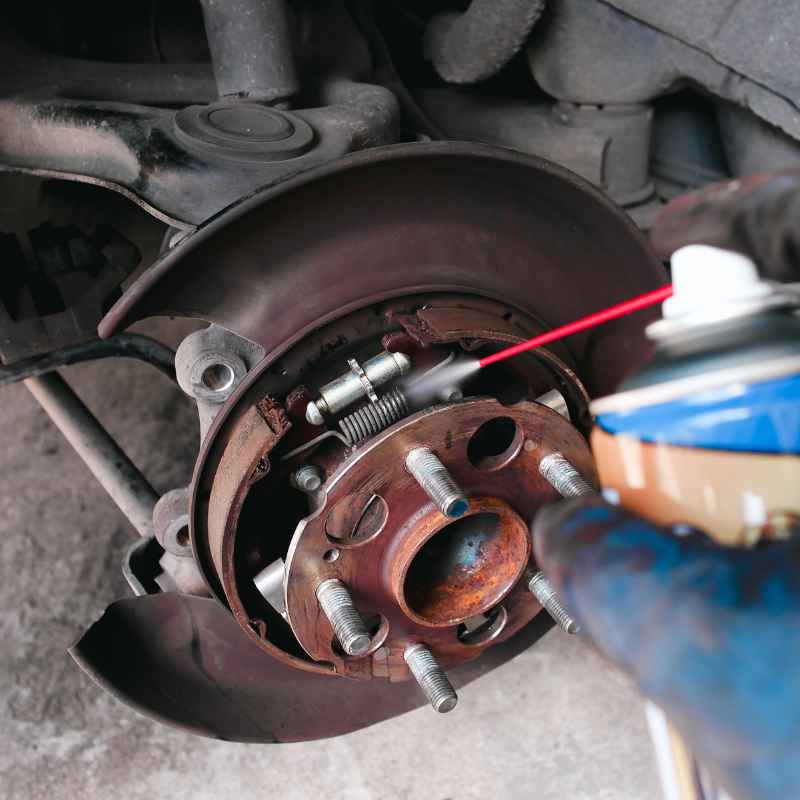
Apply high-temperature grease to slides and pins during pad replacement. Use only products made for brakes—never use regular grease or oil.
Using Quality Parts
Choose OEM or reputable aftermarket pads and rotors. Avoid cheap parts—they wear faster and can cause more noise. Quality parts also come with better warranties and are safer for daily driving.
Data Table: Brake Pad Types And Durability
| Type | Durability (Miles) | Noise Risk | Cost (Approx.) |
|---|---|---|---|
| Ceramic | 65,000 | Low | $50-$150/set |
| Semi-Metallic | 40,000 | Medium | $30-$80/set |
| Organic | 25,000 | High | $20-$60/set |
When To Seek Professional Help
If you’re unsure, or grinding continues after replacing pads, go to a mechanic. Some problems, like caliper or master cylinder issues, need expert tools. Don’t risk your safety if you feel uncertain.
Preventing Brake Grinding In The Future
Fixing the problem is good, but preventing it saves money and stress. Here’s how to keep brakes healthy. Good habits and regular checks make a big difference.
Regular Maintenance
- Check pads and rotors every 6 months or 10,000 miles. Many shops offer free brake inspections.
- Listen for noises and inspect immediately. Don’t wait for the problem to get worse.
- Flush brake fluid every 2-3 years. Old fluid can cause parts to stick or corrode.
Driving Habits
- Avoid hard braking when possible. This reduces heat and wear.
- Don’t ride the brakes—release pressure when not needed. Use engine braking on long downhill stretches.
- Keep a safe following distance so you can brake gently.
Quality Parts And Installation
Always use quality brake parts. Skilled installation reduces risk of future problems. Ask for a warranty on parts and labor.
Keeping Brakes Clean
If you drive on gravel or dirt roads, clean brakes regularly. Debris can cause grinding. Washing wheels and brakes with water removes dust and grit.
Table: Maintenance Schedule Vs. Brake Life
| Maintenance Frequency | Average Brake Pad Life (Miles) | Risk of Grinding |
|---|---|---|
| Every 6 Months | 60,000 | Very Low |
| Every 12 Months | 40,000 | Low |
| Rarely | 25,000 | High |
Non-obvious Insight
Brake grinding can sometimes come from misalignment. If pads or rotors aren’t installed correctly, even new parts can grind. Always check alignment during installation. Also, wheel bearings and suspension issues can cause noises that sound like grinding—so don’t always assume the brakes are the only cause.
Cost Of Fixing Grinding Brakes
Many drivers worry about repair costs. Fixing brakes early is much cheaper than waiting. Knowing what to expect helps avoid surprises.
Typical Repair Costs
- Brake pad replacement: $100–$300 per axle (depends on car type and labor rates)
- Rotor replacement: $200–$400 per axle (some high-performance or luxury cars cost more)
- Caliper repair/replacement: $150–$500 per caliper
- Labor: $80–$150 per hour
In some cases, additional repairs like brake fluid replacement or hardware kits may add $20–$50.
Example: Early Vs. Late Repair
- Early: Replacing pads only costs about $150.
- Late: Replacing pads, rotors, and calipers can reach $800 or more.
- In extreme cases, ignoring grinding can damage wheel bearings or ABS sensors, adding even more to the bill.
Comparison Table: Early Vs. Late Brake Repair
| Repair Time | Parts Needed | Total Cost | Risk Level |
|---|---|---|---|
| Early (Just Pads) | Pads | $150 | Low |
| Late (Pads, Rotors, Calipers) | Pads, Rotors, Calipers | $800+ | High |
Insurance And Warranty
Some warranties cover brake repairs if you maintain your car properly. Check your policy before paying out of pocket. Extended warranties or service contracts sometimes include brake service.
Diy Vs. Professional Repair
Should you fix grinding brakes yourself or go to a shop? Here are key points to consider. Your safety and the complexity of the problem should guide your choice.
Diy Repair
- Pros: Cheaper, educational, flexible timing. You learn more about your car.
- Cons: Risk of mistakes, requires tools and experience, safety concerns. If you miss a step, you could make the problem worse.
Professional Repair
- Pros: Experienced mechanics, warranty on work, safer results. Shops have tools for resurfacing rotors and checking alignment.
- Cons: Higher cost, less control, scheduling required. You may wait for parts to arrive or for an appointment.
When To Choose Diy
If the grinding is from worn pads and you have some mechanical skill, DIY can be safe. If you suspect rotor or caliper damage, professional repair is wiser. Working on brakes without the right tools or knowledge can be dangerous.
Example
A first-time DIYer successfully replaces pads but forgets to lubricate slides. Grinding returns. Lesson: small steps matter. Even experienced mechanics double-check their work to avoid noise or safety issues.
Signs Grinding Is Getting Worse
If grinding noise changes or gets louder, it’s a sign of worsening damage. Pay attention to new sounds or changes in how the car feels.
Warning Signs
- Grinding even when not braking
- Vibration or pulsation in the pedal
- Burning smell from wheels
- Dashboard brake warning light
- Car pulls to one side or doesn’t slow down as quickly
If you notice any of these, stop driving and check the brakes as soon as possible. Waiting can mean more damage or even a total brake failure.
What To Do
Stop driving and check brakes immediately. Continuing can lead to brake failure. If you’re on the road, pull over safely and call for help if needed.
How To Choose The Right Brake Parts
Picking the right parts is important. Here’s what matters most. A careful choice can prevent future grinding, improve safety, and save money in the long run.
Key Factors
- Compatibility: Match parts to your car’s make and model. Check your owner’s manual or use online tools from major auto parts stores.
- Material: Ceramic is quieter, lasts longer. Semi-metallic is stronger but noisier. Organic pads are cheaper but wear quickly and can be dusty.
- Brand Reputation: Choose brands with good reviews. Look for brands recommended by your car’s manufacturer or trusted mechanics.
- Warranty: Longer warranty means better quality. Good parts often come with at least a 1-year guarantee.
Common Mistake
Many buyers choose the cheapest option. This often leads to faster wear and more noise. Investing in quality pays off long-term. In some cases, cheap pads can even void your car’s warranty.
External Resource
For detailed information on brake types and safety, visit the Wikipedia page on automobile brakes.
Frequently Asked Questions
What Causes Brakes To Grind When Stopping?
Brakes grind when pads are worn or when rotors are damaged. Other causes include stuck calipers or debris between components. Always inspect brakes when grinding starts.
Can I Drive With Grinding Brakes?
It’s not safe. Driving with grinding brakes can lead to brake failure or costly repairs. Stop and fix the issue as soon as possible. Even a short trip can cause serious damage.
How Do I Stop Brakes From Grinding?
Replace worn pads and check rotors for damage. Remove any debris and lubricate moving parts. If grinding persists, seek professional help. Always double-check your work if you do it yourself.
Are Cheap Brake Pads More Likely To Grind?
Yes. Low-quality pads wear faster and may cause more noise. Investing in ceramic or reputable brands reduces grinding risk. Cheap pads may also produce more dust and wear out rotors faster.
How Often Should Brakes Be Checked?
Check brakes every 6 months or 10,000 miles. Inspect immediately if you hear grinding or notice changes in braking. More frequent checks are needed if you drive in harsh conditions.
Closing Thoughts
Brake grinding is a warning you can’t afford to ignore. Understanding the causes and acting quickly prevents bigger problems. Most grinding is due to worn pads or damaged rotors, and fixing them is straightforward. Regular maintenance and careful driving help avoid future issues. Remember, choosing quality parts and skilled installation is the best way to keep your car safe. If you ever feel unsure, don’t hesitate to ask a professional. Your safety and your wallet depend on quick, smart action—so next time you hear grinding, take it seriously and fix it right away.
Products related to this article
Sponsored / affiliate links. As an Amazon Associate I earn from qualifying purchases. I may earn additional commission from eligible campaigns.