How Much Is A Transmission Control Solenoid? (2025 Prices)
Dealing with a car issue is never fun. When your transmission starts acting up, it can feel like a giant puzzle. One part that often comes up is the transmission control solenoid.
You might wonder, “How much does this small but important part cost?” It’s a fair question, and understanding it can help you feel more in control.
This guide will walk you through the world of transmission control solenoids. We’ll explore what they do, why they matter, and most importantly, what you can expect to pay for them in 2025. We aim to make this clear and easy to follow, like talking to a friend who really knows their stuff.
The cost of a transmission control solenoid can range from $30 to $150 for the part itself. Professional installation typically adds $100 to $300, making the total repair cost between $130 and $450. Prices vary based on the vehicle make, model, solenoid type, and your location.
What Is a Transmission Control Solenoid?
Think of your car’s transmission as its gearbox. It helps your engine’s power reach your wheels. A transmission control solenoid is like a tiny gatekeeper inside this gearbox.

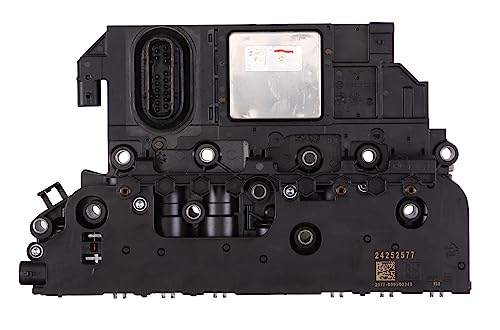
A-Premium
A-Premium Transmission Shift Solenoid | Compatible with…
- [Vehicle Fitment]: Compatible with Chrysler Aspen 2007-2009, Compatible with Dodge Dakota 2004-2010, Durango 2004-2009/2011-2013,…
- [Reference Number]: 5170877AA, 5170877AB, 5170877AC, 5170877AD, 5170877AF, 52119435AA, 52119435AF, 68353383AB, 68353383AC, 609-040…
- [Specifications]: ①Terminal Quantity: 21 ② Terminal Gender: Male; ③ Terminal Type: Blade
As an Amazon Associate I earn from qualifying purchases.
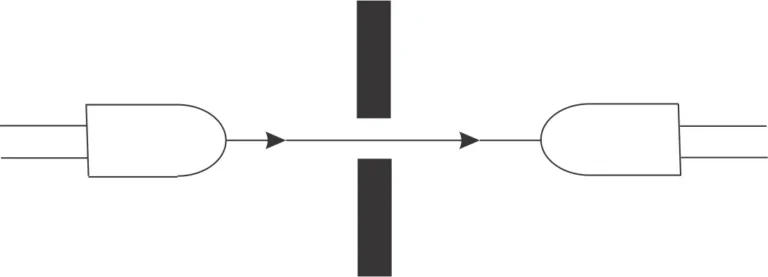
It’s an electrical valve. This valve opens and closes. It does this when the car’s computer tells it to.
This action controls the flow of transmission fluid.
Transmission fluid is super important. It lubricates parts. It also helps to shift gears smoothly.
The solenoids work together. They make sure the right gears engage at the right times. This happens based on your driving speed and how much pressure you put on the gas pedal.
Without working solenoids, your car might not shift gears at all.
There are usually several solenoids in an automatic transmission. Each one has a specific job. Some control the engagement of certain gears.
Others manage line pressure. This pressure is what makes the clutches work. They are controlled by electrical signals.
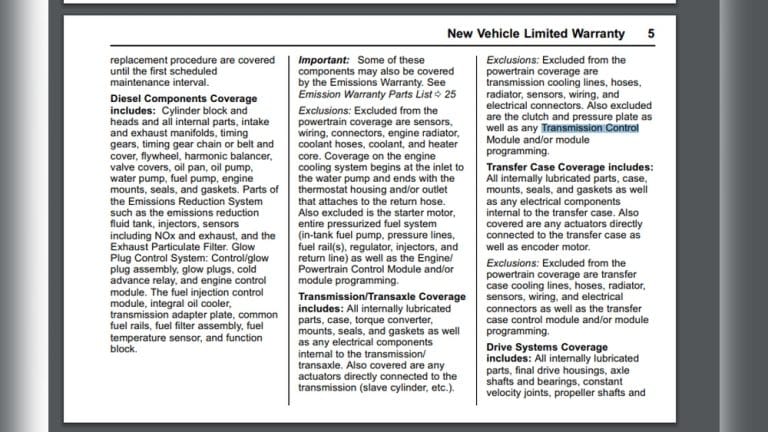
These signals come from the transmission control module (TCM). The TCM is like the brain of your transmission.
When a solenoid gets worn out or breaks, the computer can’t control the fluid flow properly. This leads to problems. You might feel jerking when you shift.
Gears might slip. Or the car might not shift out of a specific gear, like “limp mode.” This can make driving very difficult and potentially unsafe.
My Own Transmission Troubles: A Solenoid Scare
I remember one sweltering summer afternoon. My trusty old sedan, Bessie, started making this awful clunking sound. Every time I tried to accelerate, it felt like the car was fighting me.
It was worse than usual. I pulled over to a gas station, feeling a knot of dread in my stomach. I popped the hood, even though I barely know a spark plug from a oil filter.
Later that day, I took Bessie to my trusted mechanic, a guy named Sal. He’s been fixing cars for longer than I’ve been alive. Sal listened to the symptoms.
He hooked up his fancy diagnostic scanner. After a bit of tapping and peering under the car, he called me over. He pointed to a part deep inside the transmission.
“See this?” he said. “This is a transmission control solenoid. It’s not opening like it should.”
My heart sank a little. I pictured a huge repair bill. Sal explained that this little part controlled when my transmission shifted gears.
Because it was stuck, the car was stuck in a higher gear, making it sluggish. He told me the good news was that it was a common part. The not-so-great news was that it was buried deep.
Replacing it meant a fair bit of labor.
He quoted me a price that, honestly, wasn’t as bad as I feared. It was for the part and the labor. I felt a huge wave of relief.
Sal replaced the solenoid, topped up the fluid, and Bessie was back to her smooth-shifting self by the next morning. That experience taught me how crucial these small parts are. It also showed me that sometimes, car repairs aren’t as scary or expensive as you first think.
Solenoid 101: What to Know
What it looks like: Usually a metal or plastic cylinder with electrical connectors.
Where it is: Inside the transmission, often part of the valve body assembly.
How it works: Electromagnetism opens or closes it. This directs fluid flow.
Common issues: Electrical failure, sticking, or wear and tear.
Understanding the Costs: Factors That Influence Price
The price you’ll pay for a transmission control solenoid isn’t set in stone. Several things can make the cost go up or down. It’s good to know these factors so you’re not surprised when you get an estimate.
Vehicle Make and Model: This is a big one. Cars from different brands use different types of solenoids. Luxury cars or performance vehicles might have more complex systems.
These can use more expensive, specialized parts. A solenoid for a common sedan might be cheaper than one for a European luxury SUV. The year of your car also matters.
Type of Solenoid: Not all solenoids are the same. There are different types. Some are for shift control.
Others are for pressure control. Some might even be part of a larger assembly, like the entire valve body. If the solenoid is a standalone part, it’s usually cheaper.
If it’s integrated into a larger unit, the whole unit might need replacing, costing much more.
Quality of the Part: You can often find solenoids in different grades. There are genuine OEM (Original Equipment Manufacturer) parts. These are made by or for your car’s brand.
They are usually the most expensive but offer the best fit and reliability. Then there are aftermarket parts. These are made by other companies.
They can be much cheaper. Their quality can vary widely, though. Some are excellent, while others might not last as long or perform as well.
Labor Costs: This is often a significant part of the total bill. Replacing a solenoid can be easy or very hard. It depends on where it’s located in the transmission.
Sometimes, you have to remove many parts to get to it. This takes a lot of time. Labor rates also differ greatly by region and by the shop you choose.
A dealership will likely charge more for labor than an independent mechanic.
Location: Where you live can affect prices. Major cities or areas with a higher cost of living usually have higher labor rates. The availability of parts might also play a role.
If a part is rare in your area, it might cost more to source it.
Diagnostic Fees: Before the solenoid is replaced, a mechanic needs to figure out that it’s the problem. This diagnostic process involves using special tools and their expertise. Most shops charge a fee for this.
This fee is separate from the repair cost itself. It’s important to ask if the diagnostic fee is included in the final repair price.
Cost Breakdown Snapshot (Estimates)
- Solenoid Part: $30 – $150
- Labor: $100 – $300
- Diagnostic Fee: $50 – $150 (often waived if repair is done)
- Total Estimated Cost: $130 – $450
When Solenoids Go Bad: Signs and Symptoms
Your car’s transmission is pretty complex. When a solenoid starts to fail, it can show up in a few different ways. Some signs are subtle.
Others are hard to ignore. Being aware of these can help you catch a problem early.
Rough Shifting: This is a common one. You might feel a harsh jolt or a clunk when your car shifts gears. It won’t feel smooth anymore.
The shifts might feel delayed or jerky. This can happen when shifting from park to drive, or when the car is changing gears as you drive.
Transmission Slipping: This is when it feels like your engine revs up, but the car doesn’t speed up as it should. It’s like the gear isn’t fully engaged. You might lose power temporarily.
This can be scary, especially when you’re trying to merge into traffic.
Check Engine Light / Transmission Warning Light: Modern cars have sophisticated warning systems. If a solenoid is malfunctioning, the car’s computer will often detect it. This will trigger the check engine light.
Sometimes, a specific transmission warning light might come on too. These lights are your car’s way of telling you something is wrong and needs attention.
Delayed or No Shifting: In some cases, a bad solenoid can prevent the transmission from shifting into gear at all. You might be able to start the car and put it in drive, but it stays in what feels like a low gear. This is often called “limp mode.” It’s a safety feature to prevent further damage.
But it means you can only drive slowly.
Unusual Noises: While not always directly caused by a solenoid, transmission issues can lead to strange sounds. You might hear grinding, whining, or clicking noises coming from the transmission area. These sounds often get worse when you try to shift gears or accelerate.
Poor Fuel Economy: If your transmission isn’t shifting correctly, your engine might be working harder than it needs to. This can lead to worse gas mileage. If you notice your fuel gauge dropping faster than usual, and other causes are ruled out, it could be related to a transmission problem.
Quick Symptom Checklist
- Jerky gear changes?
- Car feels sluggish or loses power during shifts?
- Is your check engine light on?
- Transmission not shifting into some gears?
- Hearing new noises from under the car?
DIY vs. Professional Repair: Making the Right Choice
When faced with a transmission control solenoid issue, you have a choice: try to fix it yourself or take it to a professional. The best option depends on your skills, tools, and the complexity of the repair.
DIY (Do It Yourself):
- Pros: Can save money on labor costs. It can be a rewarding experience.
- Cons: Requires specific tools and mechanical knowledge. Transmission work is complex. Mistakes can lead to much bigger, more expensive problems. Accessing the solenoids can be very difficult. You need to be comfortable working with transmission fluid, which can be messy. You also need to know how to properly diagnose the issue before replacing parts.
Professional Repair:
- Pros: Technicians have the expertise and tools to diagnose and fix the problem correctly. They can often complete the repair faster. Most shops offer a warranty on their work and parts, giving you peace of mind. They can ensure the entire transmission system is checked, not just one part.
- Cons: More expensive due to labor costs. You have to trust the mechanic to do good work.
For most people, especially with transmission issues, going to a qualified mechanic is the safer and more reliable route. Transmission repairs are not for the faint of heart or the inexperienced. A mistake can end up costing you far more than the initial repair.
Real-World Scenarios and Where This Happens
Transmission control solenoids operate within the heart of your vehicle’s automatic transmission. This complex system is usually housed within the transmission casing. It’s filled with specialized automatic transmission fluid (ATF).
Environment: Solenoids work in a controlled, yet demanding environment. They are submerged in ATF, which keeps them cool and lubricated. However, this fluid can get hot under pressure during driving.
Over time, heat and tiny metal particles from wear can degrade the fluid and affect the solenoid’s performance.
Habits: Driving habits play a big role. Frequent hard acceleration and braking can put more stress on the transmission. “Riding” the brakes or not coming to a complete stop before shifting from Drive to Reverse (or vice versa) can also be hard on the transmission components, including the solenoids.
Regularly changing your transmission fluid is a key habit that helps prolong the life of solenoids and other internal parts.
Design and Materials: Modern solenoids are engineered with precision. They are typically made from durable metals and plastics. They contain electromagnetic coils.
These coils are sensitive to electrical current and heat. When these materials age or are exposed to dirty fluid or excessive heat, they can fail.
User Behavior: Forgetting to change transmission fluid is a common user behavior that leads to problems. Ignoring warning signs like rough shifting or a check engine light can allow a minor solenoid issue to become a major transmission failure. This makes the repair much more costly.
Transmission Care: A Quick Guide
Fluid Changes: Follow your car’s maintenance schedule. This is critical for solenoid health.
Gentle Driving: Avoid aggressive acceleration and braking when possible.
Proper Shifting: Always come to a full stop before changing gears (P, R, D).
Address Issues Promptly: Don’t ignore warning lights or strange transmission behavior.
What This Means for You: When Is It Normal?
It’s important to understand that transmission control solenoids can fail over time. They are wear-and-tear items. Just like brake pads or tires, they don’t last forever.
So, if your car is older or has high mileage, a solenoid issue might be expected.
When It’s Normal:
- Your car is older (100,000+ miles).
- You notice a gradual change in shifting quality over time.
- The issue appeared after a period of heavy use (e.g., towing, long road trips in hot weather).
- A diagnostic scan points specifically to a solenoid circuit or performance issue.
When to Worry (and Act Fast):
- Sudden and severe transmission problems (e.g., no shifting at all, slipping badly).
- The transmission is making loud, grinding, or clunking noises.
- A warning light comes on suddenly, especially if it flashes or is accompanied by other symptoms.
- You’re experiencing these issues in heavy traffic or at high speeds, which could be a safety risk.
Simple Checks You Can Do (Visually):
- Check Transmission Fluid Level: Most cars have a dipstick for transmission fluid. Make sure it’s at the correct level when the engine is warm and running.
- Check Fluid Condition: The fluid should be reddish-pink and clear. If it’s dark brown, burnt-smelling, or full of particles, it’s a sign of bigger problems.
- Listen for Noises: When you start your car and put it in gear, are there any unusual sounds?
Remember, these checks are basic. They won’t diagnose a specific solenoid failure. But they can give you a general idea of your transmission’s health.
Quick Fixes and Tips for Solenoid Issues
While replacing a transmission control solenoid is generally not a simple DIY job, there are things you can do to help prevent issues or manage them if they arise.
Regular Transmission Fluid Service: This is the single best thing you can do. Follow your car manufacturer’s recommendations for fluid changes and filter replacement. Using the correct type of fluid is crucial.
Fresh, clean fluid is vital for solenoids to operate correctly and avoid sticking.
Address Leaks Promptly: If you notice any red or brown fluid leaks under your car, get them checked immediately. Low transmission fluid levels can cause solenoids to overheat or fail prematurely.
Use a Reputable Mechanic: Find a mechanic who specializes in transmissions or has a good reputation for diagnosing transmission problems. They will have the right tools and knowledge to accurately pinpoint the issue. Getting a second opinion for major repairs can also be wise.
Ask About Solenoid Testing: A good mechanic can test the electrical circuits and the performance of individual solenoids before recommending replacement. This helps ensure you’re only replacing what’s necessary.
Consider Part Quality: When it’s time for a
Don’t Ignore Limp Mode: If your car goes into “limp mode” (stuck in one gear), avoid driving it as much as possible. Driving in limp mode can cause further damage to the transmission. Get it to a mechanic right away.
Tips for Solenoid Longevity
- Follow Maintenance Schedule: Stick to your car’s recommended transmission fluid service intervals.
- Use Correct Fluid: Always use the ATF type specified by your vehicle’s manufacturer.
- Drive Smoothly: Avoid sudden acceleration and hard braking.
- Fix Leaks Quickly: Don’t let transmission fluid leaks go unchecked.
Frequently Asked Questions
How do I know if my transmission control solenoid is bad?
Signs of a bad transmission control solenoid include rough shifting, transmission slipping, the check engine light coming on, delayed gear engagement, and sometimes unusual noises from the transmission. A diagnostic scan by a mechanic is the best way to confirm.
Can I drive my car with a bad transmission control solenoid?
It depends on how bad it is. If the car is in “limp mode” (stuck in one gear), you can often drive it slowly for short distances to get to a mechanic. However, driving with a failing solenoid for too long can cause more severe and expensive damage to the entire transmission.
What’s the difference between a shift solenoid and a pressure control solenoid?
Shift solenoids directly control which gear the transmission engages. Pressure control solenoids manage the hydraulic pressure of the transmission fluid. This pressure is what applies the clutches and bands that engage the gears.
Both are vital for smooth operation.
How long does it take to replace a transmission control solenoid?
The time it takes can vary greatly. If the solenoid is easily accessible, it might take a couple of hours. However, if it’s buried deep within the transmission, it could take half a day or even longer, as the mechanic may need to remove other components to reach it.
Will a transmission fluid change fix a bad solenoid?
A transmission fluid change and filter service can sometimes help if the solenoid is just sticking due to dirty fluid or debris. However, if the solenoid itself is electrically failed or mechanically worn out, a fluid change will not fix it. It’s more of a preventative measure and a way to help a slightly sluggish solenoid.
Are transmission control solenoids expensive?
The cost of the solenoid part itself is typically moderate, ranging from $30 to $150. The majority of the cost often comes from the labor required to access and replace the part, which can add $100 to $300 or more. The total can range from $130 to $450 or higher, depending on the vehicle and shop rates.
Conclusion: Keeping Your Transmission Smooth
Understanding the role and cost of transmission control solenoids can demystify a common car repair. While they are small parts, their impact on your driving experience is huge. Knowing the signs of failure and the factors influencing repair costs helps you prepare.
Regular maintenance is key to preventing problems.
By staying informed and choosing reputable mechanics, you can keep your transmission running smoothly for miles to come. It’s all about caring for your vehicle, one important part at a time.
See also warning signs of a failed transmission you should not ignore.
Related pick: Check today's price on Amazon
Products related to this article
Sponsored / affiliate links. As an Amazon Associate I earn from qualifying purchases. I may earn additional commission from eligible campaigns.