Why Does My Transmission Stop Working After A Few Minutes?
When your automatic transmission stops working reliably after a short drive, common causes include overheating, low transmission fluid levels, worn internal parts like clutch packs or solenoids, or issues with the torque converter. These problems often manifest as slipping, delayed shifts, or complete loss of drive after the transmission warms up.
Understanding Transmission Problems After Warm-Up
Your car’s transmission is a complex system. It uses fluid to lubricate parts, cool everything down, and help shift gears smoothly. When the transmission starts to fail after a short time, it’s usually a sign that something is getting too hot or isn’t being properly managed when it’s under load.

SealLube
SealLube - Stops Leaks: Gasoline Engines, Diesel…
- Stops Leaks: Gasoline Engines, Diesel Engines, Hydraulic Systems, Transmissions, Power Steering Units, Rack and Pinion, Differenti…
- Restores flexibility, elasticity and tensile strength of all rubber seals
- Seals Leaks: Transmissions, power steering, main bearing, jacks & hydraulic systems
As an Amazon Associate I earn from qualifying purchases.
Think of it like your own body. If you overexert yourself on a hot day, you might start to feel tired and struggle. Your transmission can have similar reactions.
This type of issue typically appears once the transmission fluid has warmed up. Cold fluid is thicker. It might still provide enough lubrication or hydraulic pressure for a little while.
But as it heats up, it thins out. If there’s a leak or a worn-out seal, the thinner fluid can’t do its job effectively. This is when you notice the problems.
It’s like a warning light telling you something needs attention.
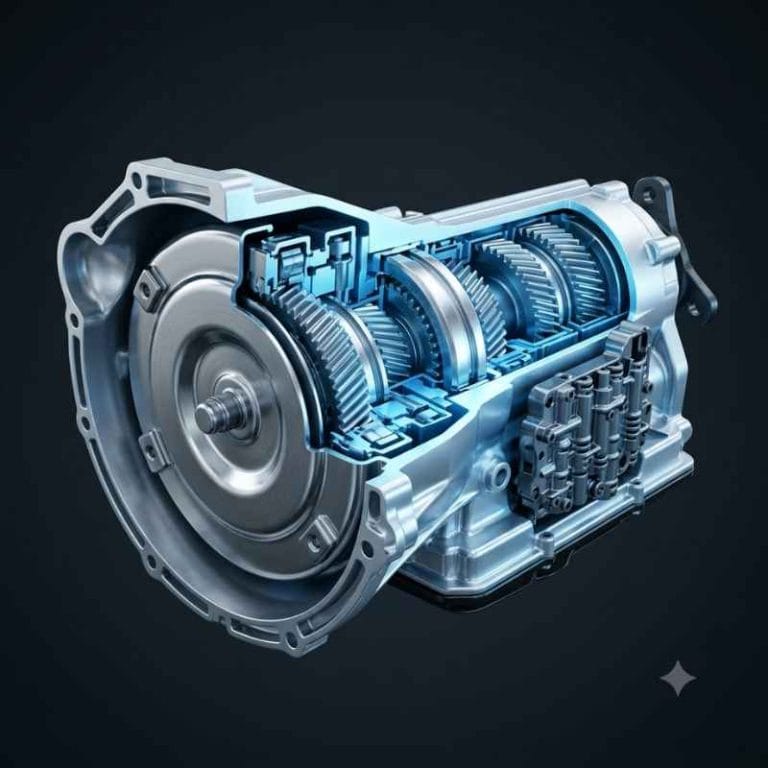
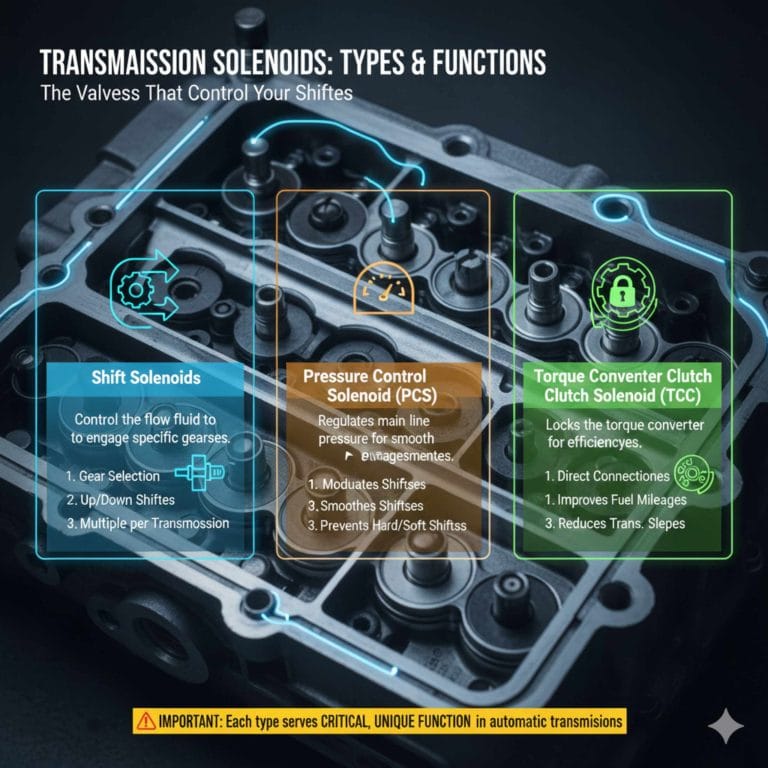
Several internal components are crucial for transmission function. These include the clutch packs, which engage and disengage gears. There are also solenoids, which are like electronic valves that control fluid flow.
The torque converter acts like a clutch between the engine and the transmission. If any of these parts start to wear down, they can cause issues when the transmission reaches a certain temperature.
My Own Close Call With a Slipping Transmission
I remember one crisp autumn evening a few years back. I was driving home after a long day at a client site, maybe about 30 minutes into my trip. My trusty old sedan, which had never given me much trouble, suddenly started acting strange.
The engine was revving higher than normal, but the car wasn’t picking up speed as it should. It felt like it was slipping out of gear, but then it would grab hold again, only to slip once more.
My heart sank. The dashboard lights stayed normal, no warning lights popped on. But the feeling was undeniable.
I pulled over to the side of the road, a bit of panic setting in. I’d never dealt with a transmission issue before. The thought of a costly repair was overwhelming.
I could smell a faint, almost burnt odor, which made me really nervous. Was it the transmission fluid overheating? I just knew this wasn’t right, and I had a long drive ahead.
After a few minutes of letting the car sit, I tried driving again. Miraculously, it seemed to work okay for a little bit. But the fear of it happening again was constant.
I drove very slowly the rest of the way home, hyper-aware of every shift. That experience taught me how quickly a transmission problem can turn a normal drive into a stressful ordeal.
Common Symptoms of a Failing Transmission
Slipping gears: The car seems to lose power, engine revs go up, but speed doesn’t increase.
Delayed shifting: It takes longer than usual for the transmission to shift into the next gear.
Rough shifting: Gears engage with a jerk or a clunk.
Strange noises: Whining, humming, or clunking sounds coming from the transmission area.
Burning smell: Often indicates overheated transmission fluid.
Leaking fluid: Reddish or brownish fluid under the car.
The Big Culprit: Overheating Transmission Fluid
One of the most common reasons a transmission acts up after a short drive is overheating. Transmission fluid is designed to work within a specific temperature range. When it gets too hot, its lubricating properties diminish.
It can also break down, losing its ability to create the necessary hydraulic pressure for shifting gears. Think of it like trying to use thin water to lubricate moving metal parts – it just doesn’t work well.
Overheating can happen for several reasons. One is simply low transmission fluid. If the fluid level is too low, there isn’t enough fluid to cool the transmission components properly.
Another cause is a faulty transmission cooler. This cooler is usually located in front of your car’s radiator. It helps dissipate heat from the transmission fluid.
If it’s blocked or leaking, it can’t do its job.
Heavy-duty use can also lead to overheating. This includes towing a trailer, driving up steep hills, or stop-and-go traffic in hot weather. These situations put extra strain on the transmission.
If your transmission is already a bit worn, or if the fluid is old and breaking down, these conditions can push it past its limit. That’s when you might notice the transmission starting to slip or hesitate after a few minutes of operation.
When the fluid gets too hot, the transmission control module (TCM) might even go into a “limp mode.” This is a safety feature. It reduces the transmission’s power and limits its gears to prevent further damage. You’ll notice a huge drop in performance, and the car might feel sluggish.
This limp mode is often triggered when the fluid temperature reaches a critical point.
Quick Scan: Why Does My Transmission Overheat?
| Potential Cause | How It Leads to Overheating |
|---|---|
| Low Transmission Fluid | Not enough fluid to cool parts or create proper pressure. |
| Clogged Transmission Cooler | Heat can’t escape the fluid effectively. |
| Failing Cooler Lines | Leaks reduce fluid volume and cooling capacity. |
| Heavy Load (Towing, Hills) | Increased friction and work generate more heat. |
| Internal Transmission Wear | Worn parts cause more friction and heat. |
The Importance of Transmission Fluid Level and Condition
Transmission fluid is the lifeblood of your automatic transmission. It does so much more than just lubricate. It provides hydraulic pressure to operate clutches and bands.
It also cools down the hot metal parts as they move. If the fluid level is too low, all these functions suffer. You won’t have enough pressure to engage gears properly.
And the fluid that is there will overheat much faster.
Checking your transmission fluid is usually done with the engine running and the transmission in Park or Neutral (check your owner’s manual for the exact procedure). You’ll pull out a dipstick, wipe it clean, reinsert it, and then check the level. If it’s low, you’ll need to add the specific type of transmission fluid recommended for your car.
Using the wrong fluid can cause serious damage.
But it’s not just about the level. The condition of the fluid is also critical. Over time, transmission fluid breaks down.
It can get dirty with tiny metal particles from wear and tear. It can also lose its viscosity and cooling properties. If the fluid looks dark brown or black, or if it smells burnt, it’s a strong sign that it needs to be replaced.
Old, degraded fluid won’t protect your transmission.
A fluid and filter change is often the first and simplest fix for transmission problems. If the fluid is old and sludgy, a fresh fill can make a big difference. However, if the fluid is already very dark and burnt, it might mean there’s already significant internal damage.
In such cases, a fluid change might only be a temporary fix, or it might even dislodge debris that causes further problems.
Transmission Fluid Check: A Simple Guide
1. Get Ready: Park your car on a level surface. Start the engine and let it run for a few minutes to warm up the transmission.
Make sure the parking brake is on.
2. Find the Dipstick: Locate the transmission fluid dipstick. It’s often in the engine bay and might be a different color than the engine oil dipstick, sometimes red or yellow.
3. Check the Level: Pull the dipstick out. Wipe it clean with a lint-free cloth.
Reinsert it fully, then pull it out again. Check the fluid level against the markings (usually “hot” and “cold” or “full”).
4. Inspect the Fluid: Look at the color and smell of the fluid. It should be reddish or clear and have a slightly sweet smell.
Dark brown, black, or a burnt smell are bad signs.
5. Add Fluid (If Needed): If the level is low, add the correct type of transmission fluid slowly. Check the owner’s manual for the specific fluid.
Do not overfill!
Internal Transmission Wear and Tear
If the fluid level is correct, the cooler is working, and the fluid itself is in good shape, the problem might be with internal components. Automatic transmissions have many moving parts that work under pressure. Over time, these parts can wear out.
This wear is often gradual, but it can start to cause problems when the transmission heats up and the tolerances change slightly.
Clutch Packs: These are sets of friction discs and steel plates. When engaged, they transfer power from one part of the transmission to another, allowing you to shift gears. As they wear, they can start to slip.
This slipping generates more heat and can lead to a loss of power, especially after the transmission has been running for a bit and the worn clutches can no longer hold under pressure.
Seals and Gaskets: Transmissions rely on many seals and gaskets to keep fluid pressure where it needs to be. As these age, they can become brittle and crack. This can lead to fluid leaks, which lowers the fluid level and pressure.
Once the transmission warms up, the worn seals might allow even more fluid to bypass, leading to a noticeable loss of performance or inability to shift.
Solenoids: These are electronic valves that control the flow of transmission fluid. They are directed by the car’s computer. If a solenoid starts to malfunction, especially when it gets warm, it might not open or close properly.
This can cause erratic shifting, delayed engagement, or even a complete loss of drive. Some solenoids are more sensitive to temperature than others.
Torque Converter: This is a fluid coupling that sits between the engine and the transmission. It allows the engine to spin while the car is stopped. If the torque converter is failing, you might experience shuddering, slipping, or a lack of acceleration.
Problems here can also manifest more strongly once the transmission fluid heats up.
Diagnosing internal wear can be tricky. It often requires specialized knowledge and tools. Sometimes, a mechanic can feel the symptoms and pinpoint the issue.
Other times, they might need to perform pressure tests or even drop the transmission pan to inspect for metal debris.
Internal Transmission Parts That Can Cause Problems
Clutch Friction Discs: Wear down, causing slipping and heat.
Steel Clutch Plates: Can warp or become damaged, affecting engagement.
Transmission Seals: Lose elasticity, leading to leaks and pressure loss.
Solenoid Valves: Can get stuck or slow to respond when hot.
Torque Converter Components: Internal fins or seals can fail, causing slipping.
Valve Body: Channels can get blocked, affecting fluid flow.
The Role of Sensors and the Transmission Control Module (TCM)
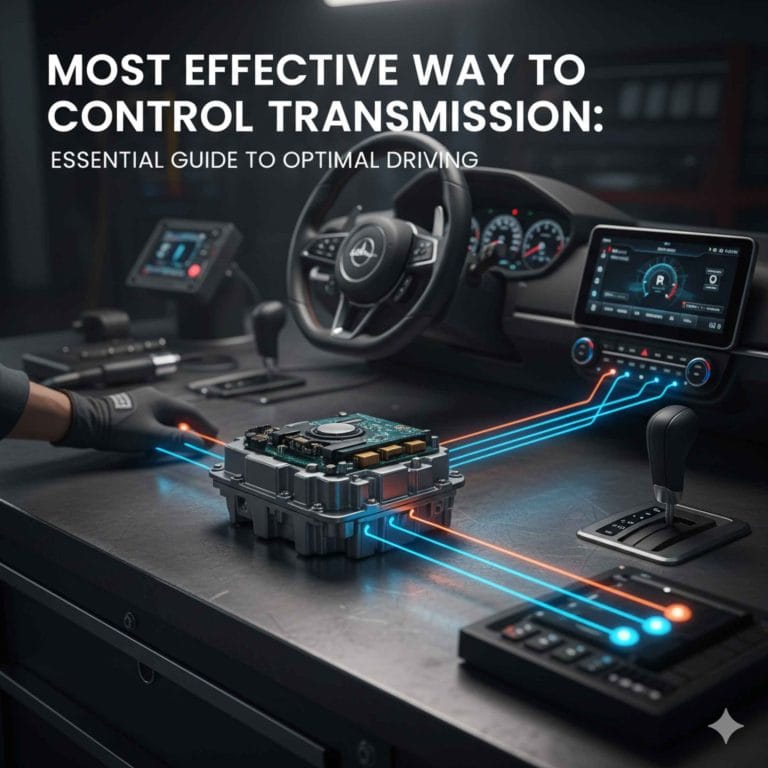
Modern cars have sophisticated computer systems that manage the transmission. The Transmission Control Module (TCM) is like the brain of the operation. It receives information from various sensors throughout the transmission and the engine.
These sensors tell the TCM about things like vehicle speed, engine speed, throttle position, and, importantly, transmission fluid temperature.
If one of these sensors starts to give inaccurate readings, or if it fails altogether, it can confuse the TCM. For example, if a temperature sensor is faulty and tells the TCM the fluid is extremely hot when it’s actually normal, the TCM might engage limp mode or alter shift patterns to protect the transmission. This can cause the transmission to seem like it’s failing, even if the underlying hardware is fine.
Similarly, if the TCM itself develops a fault, it can lead to all sorts of transmission issues. These issues might be intermittent and only appear under certain conditions, like when the system has been running for a while and reaches a specific operating temperature. The TCM uses complex algorithms to decide when and how to shift gears, and any glitch in its programming or hardware can throw things off.
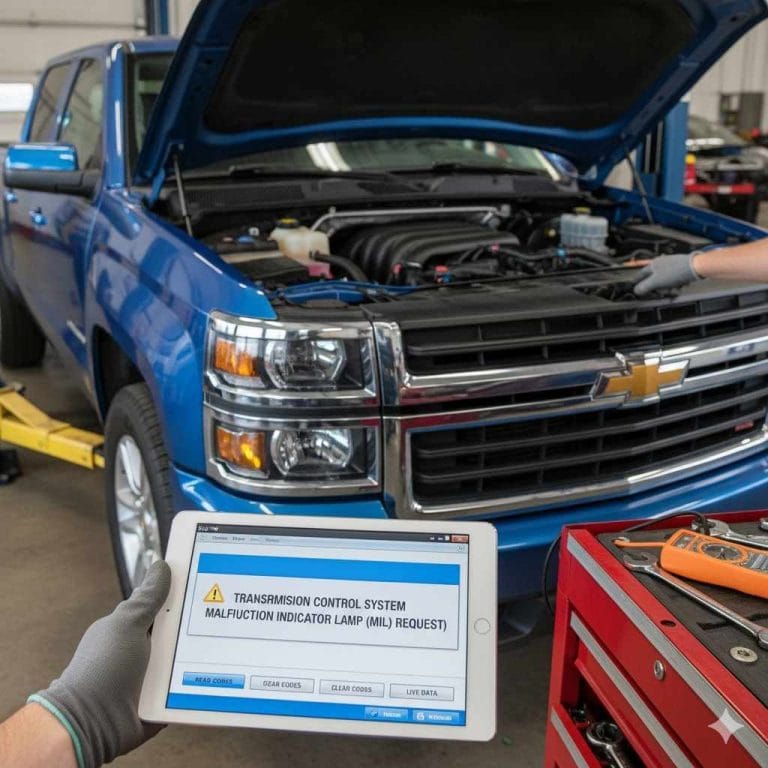
When a transmission problem occurs, a mechanic will often connect a diagnostic scanner to the car. This scanner can communicate with the TCM and retrieve any error codes that have been stored. These codes can provide valuable clues about which sensor or system is malfunctioning.
For instance, a code related to “Transmission Fluid Temperature Sensor Circuit Malfunction” directly points to a problem with that specific sensor or its wiring.
Key Sensors and Their Importance
Vehicle Speed Sensor (VSS): Tells the TCM how fast the car is moving.
Input/Output Speed Sensors: Measure the rotation speed of different parts within the transmission.
Transmission Fluid Temperature Sensor: Crucial for detecting overheating.
Throttle Position Sensor (TPS): Informs the TCM how much the accelerator is pressed.
Engine Speed Sensor (Crankshaft Position Sensor): Provides engine RPM data.
When Does This Problem Signal a Major Issue?
It’s natural to worry when your car’s transmission starts acting up. While some issues can be relatively simple fixes, like a fluid top-off or a filter change, others can indicate serious internal damage. The key is to pay attention to the symptoms and act quickly.
When it’s probably NOT a major issue:
- The problem only happens in very hot weather or after extended hard driving (like towing).
- A simple transmission fluid check shows it’s low, and adding fluid resolves the issue.
- A transmission fluid and filter change makes the problem disappear.
- The car goes into “limp mode” but immediately resumes normal operation after cooling down.
When you should be more concerned:
- The problem happens consistently, even after the car has been sitting and is cold.
- The transmission fluid is very dark, smells burnt, or has metal shavings in it.
- You hear grinding or knocking noises when the transmission tries to shift.
- The car completely loses the ability to move forward or backward, even with the engine running.
- Diagnostic trouble codes point to internal transmission failures, not just sensor issues.
- The problem persists after a fluid change and filter replacement.
If you notice any of the more concerning symptoms, it’s best to stop driving the car and have it inspected by a qualified mechanic as soon as possible. Continuing to drive with a damaged transmission can lead to catastrophic failure, turning a repairable problem into a very expensive replacement.
Signs It Might Be More Serious
Metal Shavings in Fluid: Indicates internal component wear.
Persistent Slipping: Even after warming up and cooling down.
Harsh Shifting or Clunking: Suggests problems with solenoids or clutch packs.
Complete Loss of Drive: The car won’t move.
Trouble Codes for Internal Failure: P0740 (Torque Converter Clutch Circuit Malfunction), P0700 (Transmission Control System Malfunction), etc.
Quick Checks You Can Do at Home
Before you rush to a mechanic, there are a few simple checks you can perform yourself. These might help you understand the situation better or even solve a minor issue. Remember to always consult your car’s owner’s manual for specific procedures related to your vehicle.
1. Check Transmission Fluid Level and Condition: As we discussed, this is the most important first step. If the fluid is low, add the correct type.
If it looks or smells bad, you know a fluid change is needed.
2. Inspect for Leaks: Look under your car after it’s been parked for a while. Are there any reddish or brownish puddles?
This indicates a transmission fluid leak. Check around the transmission pan, cooler lines, and seals for signs of wetness or drips.
3. Listen Carefully: When the problem starts to occur, try to pinpoint where the noises are coming from. Is it a whine, a clunk, a grinding sound?
Does it happen only when shifting, or while driving? This information can be very helpful for a mechanic.
4. Observe the Shifting Pattern: Does the car struggle to shift into a specific gear? Does it shift too early or too late?
Does it feel rough? Note down any patterns you observe.
5. Check for Warning Lights: Although not always present, sometimes a transmission issue will trigger a check engine light or a specific transmission warning light. If you see one, get the codes scanned.
These simple checks can give you a clearer picture. They can help you communicate better with a mechanic and potentially save you some diagnostic fees if the issue is straightforward.
What If It’s a Transmission Cooler Issue?
The transmission cooler is a vital component for preventing overheating. It’s typically a small radiator located in front of the main engine radiator. Hot transmission fluid flows through it, and airflow from driving (or a small electric fan) cools the fluid down before it returns to the transmission.
If the transmission cooler becomes clogged, either internally with sludge or externally with debris like leaves and dirt, it can’t dissipate heat effectively. This causes the transmission fluid to overheat, leading to the symptoms you might be experiencing. External blockage is easier to spot; you can often see dirt or damage on the cooler fins.
Internal clogging is more serious. It can happen if the transmission fluid hasn’t been changed in a long time, leading to sludge buildup. If the transmission has had a major internal failure, small metal particles can break off and clog the cooler.
This is why, in cases of severe internal transmission damage, mechanics often recommend replacing the transmission cooler entirely, as it can be difficult to clean thoroughly.
The cooler lines, which carry the fluid to and from the cooler, can also develop leaks. A leak in a cooler line means a loss of transmission fluid, which again leads to low fluid levels and inadequate cooling.
If you suspect a cooler issue, a mechanic can test the fluid temperature going into and out of the cooler. A significant temperature difference indicates it’s working. If the temperatures are similar, the cooler may be blocked or bypassed.
Transmission Cooler Maintenance
External Cleaning: Periodically inspect the transmission cooler fins for blockages. Gently clean them with a soft brush or low-pressure air.
Fluid Changes: Regular transmission fluid and filter changes prevent internal sludge buildup.
Inspection for Leaks: Check cooler lines and connections for any signs of fluid seepage.
Cooler Replacement: If internal damage is suspected or the cooler is severely corroded, replacement may be necessary.
When to Seek Professional Help
While some checks are easy to do at home, transmission issues can quickly become complex. If you’re not comfortable working on cars, or if your checks indicate a problem beyond low fluid, it’s time to call in the experts.
You should seek professional help if:
- You notice dark, burnt-smelling transmission fluid, or fluid with metal particles.
- The transmission slips or hesitates consistently, even after a fluid check.
- You hear loud, unusual noises like grinding, clunking, or whining from the transmission.
- The car loses power or fails to move.
- Your check engine light or transmission warning light comes on.
- You suspect a leak but can’t locate or fix it yourself.
- Diagnostic codes point to internal transmission problems.
A good mechanic specializing in transmissions can accurately diagnose the problem. They have the tools and experience to test pressures, check sensor data, and inspect internal components if necessary. Don’t ignore transmission symptoms.
The sooner you address a problem, the higher the chance of a less expensive repair.
Frequent Questions About Transmission Problems
Why does my transmission slip only when it’s hot?
When transmission fluid heats up, it becomes thinner. If seals are worn or there’s internal wear in clutch packs, the reduced viscosity can prevent proper engagement, causing slipping. Overheating itself can also degrade the fluid’s ability to create pressure.
Can I drive my car if the transmission is slipping after a few minutes?
It’s generally not recommended. Driving with a slipping transmission can cause further damage, especially to the clutch packs and other internal components. This can turn a repairable issue into a costly replacement.
It’s best to have it diagnosed and repaired promptly.
How much does it cost to fix a transmission that stops working after a few minutes?
The cost varies greatly depending on the cause. A simple fluid flush might be a few hundred dollars. Repairing internal components could range from $1,500 to $3,000 or more.
A complete transmission replacement can cost anywhere from $3,000 to $7,000 or higher, depending on the vehicle.
What’s the difference between transmission fluid and engine oil?
Engine oil lubricates the engine’s moving parts and helps cool them. Transmission fluid has a more complex role. It lubricates the transmission, but it also acts as a hydraulic fluid to engage gears, and it helps cool the transmission components.
They are not interchangeable.
How long should a transmission last?
With proper maintenance, including regular fluid and filter changes, a transmission can last for the life of the vehicle, often well over 100,000 to 200,000 miles. However, driving habits, towing, and lack of maintenance can significantly shorten its lifespan.
Is it possible that a transmission fluid change can fix the problem?
Yes, a transmission fluid and filter change can resolve issues caused by old, dirty, or low fluid. If the fluid has degraded, replacing it can restore proper lubrication and hydraulic function. However, if the transmission has already suffered significant internal damage, a fluid change might only be a temporary fix.
Final Thoughts
Dealing with a transmission that stops working after a short drive can be a real headache. It often points to a problem that worsens as the transmission heats up. Common causes include overheating due to low fluid or cooler issues, or internal wear that becomes apparent under load.
By understanding these possibilities and performing basic checks, you can get a better idea of what might be going on. Don’t hesitate to seek professional help to diagnose and fix the issue before it leads to more serious damage.
Related pick: Check today's price on Amazon