Can You Clean A Transmission Control Module Safely? Find Out
You generally cannot and should not try to “clean” a transmission control module (TCM) yourself. These are sensitive electronic units. Tampering with them can cause more harm than good. Professional diagnosis and repair are almost always the safest and most effective approach for TCM issues.
Understanding the Transmission Control Module (TCM)
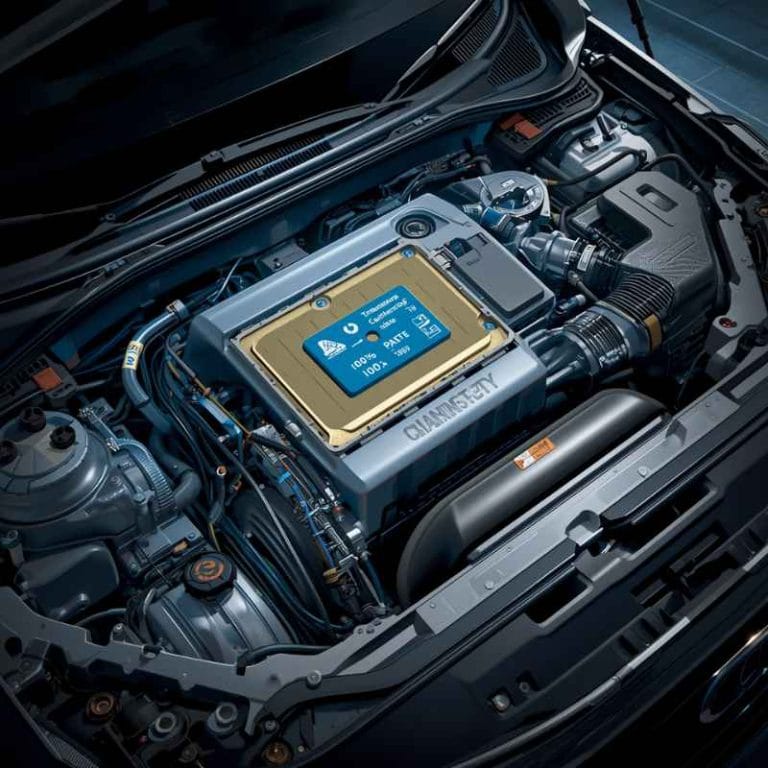
The transmission control module, or TCM, is like the brain for your car’s automatic transmission. It’s a small computer. It makes decisions about when to shift gears.

Manymiba
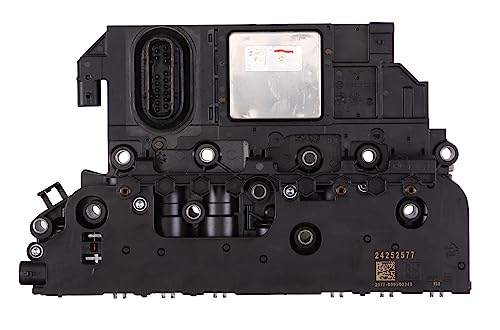
Manymiba Programmed TCM TCU Transmission Control Module…
- 【𝗙𝗮𝗰𝘁𝗼𝗿𝘆-𝗣𝗿𝗼𝗴𝗿𝗮𝗺𝗺𝗲𝗱 𝗳𝗼𝗿 𝗜𝗻𝘀𝘁𝗮𝗻𝘁 𝗨𝘀𝗲】Pre-programmed specifically for 2011-2022 Ford Focus 2.0L models with DPS6 transmissions. This…
- 【𝗚𝗲𝗻𝘂𝗶𝗻𝗲 𝗢𝗘𝗠-𝗟𝗲𝘃𝗲𝗹 𝗥𝗲𝗽𝗹𝗮𝗰𝗲𝗺𝗲𝗻𝘁】Engineered as a direct replacement for multiple OEM part numbers (including A2C53377498, AE8Z-7Z369…
- 【𝗦𝘁𝗿𝗮𝗶𝗴𝗵𝘁𝗳𝗼𝗿𝘄𝗮𝗿𝗱 𝗜𝗻𝘀𝘁𝗮𝗹𝗹𝗮𝘁𝗶𝗼𝗻】The module comes pre-loaded with the correct Ford software. Simply install it and perform the final…
As an Amazon Associate I earn from qualifying purchases.
It also controls how smoothly those shifts happen. Think of it as the conductor of an orchestra. It tells each part of the transmission exactly what to do and when.
This little box gets information from many sensors around your car. It knows things like how fast you are going. It also knows how much you are pressing the gas pedal.
It even knows the engine’s temperature. All this data helps it make smart gear-shifting choices. This makes your drive comfortable and efficient.
Without a working TCM, your car might not shift gears at all. Or it might shift very roughly. It could even get stuck in one gear.
Modern cars have very complex transmissions. The TCM plays a huge role in how they perform. It helps with fuel economy.
It also helps reduce wear and tear on the transmission parts. This module is sealed for protection. It has delicate electronic components inside.
These are not meant to be opened or cleaned by a regular person.
My Own TCM Scare
I remember one sweltering July afternoon. My old sedan, bless its heart, started acting up. I was driving home from a client meeting.
The road was jammed with traffic. Suddenly, my car felt… wrong. It was stuck in second gear.
No matter how fast I went, it wouldn’t shift up. The engine just roared. I tried stopping and restarting.
Nothing changed.
My mind immediately jumped to the worst. Transmission problems are notoriously expensive. I pictured mechanics shaking their heads and writing huge bills.
Panic started to set in. I thought, “Maybe there’s just some dirt in there. Can I just spray some cleaner into it?” I’d heard of people cleaning other car parts.
So, my panicked brain went down that road. I even Googled “how to clean car computer.” That’s when I quickly realized how wrong that idea was.
I saw forum posts and articles warning against touching electronic control units. They said they were sealed and delicate. The thought of causing more damage made my stomach churn.
I ended up having it towed. It turned out to be a faulty sensor connection, not the TCM itself. But that scare taught me a huge lesson.
Some car parts are not DIY territory. Especially the ones that manage critical functions like shifting gears.
TCM: What It Looks Like
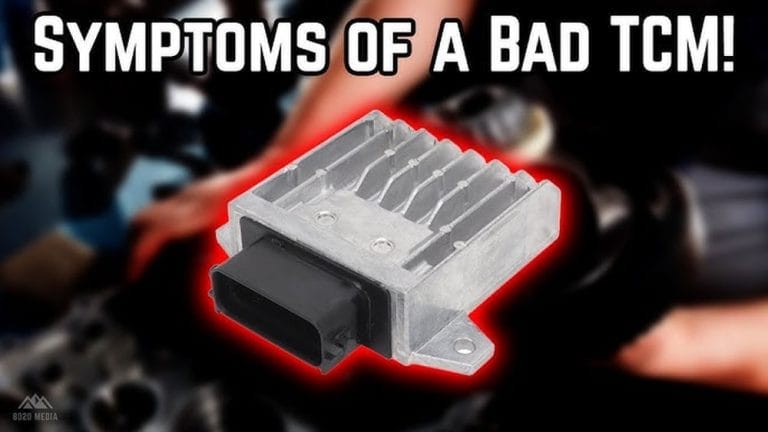
Appearance: A TCM is usually a small, metal or plastic box. It has several connectors for wires. It is sealed to protect its internal electronics.
It’s not something you can easily open like a battery compartment.
Why “Cleaning” a TCM is Not Advised
The idea of cleaning a TCM often comes from confusion. People might confuse it with cleaning something like a throttle body or a mass airflow sensor. Those parts can sometimes benefit from specific cleaners.
But a TCM is fundamentally different. It’s an electronic control unit (ECU). These units contain very sensitive microprocessors and circuits.
Think about the inside of your smartphone or computer. Would you spray cleaner into it? Probably not.
The TCM is similar in its delicate nature. It’s designed to be a sealed unit. This protection is crucial.
It keeps out moisture, dirt, and debris. These things can cause electrical shorts or corrosion. Corrosion is a big enemy of electronic components.
Attempting to open a TCM can break its seals. This lets in the very things it’s designed to keep out. Even if you could somehow get inside without breaking seals, what would you even clean?
The components are usually soldered onto circuit boards. There’s no “grime” in the way you might expect. If there’s an issue, it’s usually a failed component, a bad connection, or software trouble.
Common TCM Issues vs. “Dirt”
Normal Wear: Components can simply fail over time. This is like any electronic device. It’s not usually caused by dirt buildup.
Corrosion: If moisture gets in, corrosion can form. This damages circuits. Cleaning might spread corrosion, making it worse.
Software Glitches: Sometimes, the TCM just needs a software update or reset. This is done with special tools, not cleaners.
Connection Problems: A loose wire or corroded connector at the TCM can mimic a TCM failure. This is a wiring issue, not a dirt issue inside the module.
The Risks of DIY TCM “Cleaning”
When you consider trying to clean a TCM yourself, the risks are pretty high. For starters, most TCMs are not designed to be opened. There are no screws or clips to easily access the inside.
You’d likely have to pry it open. This can damage the casing. It can also damage the internal circuit board.
You might crack a component or break a solder joint.
Even if you manage to open it, what are you going to use? Standard electronic cleaners can be harsh. Some contain solvents that can degrade plastic or damage sensitive electronic coatings.
They can also leave behind residue. This residue can conduct electricity. That could cause short circuits.
It might even attract more dirt later.
Water is another big no-no. While some electronics are waterproof, car modules aren’t usually meant to be submerged or sprayed with liquids. Moisture can get into places it shouldn’t.
It can cause immediate failure or lead to corrosion over time. This corrosion is like rust for electronics. It eats away at the metal contacts and traces.
So, instead of fixing a problem, you could easily create a much bigger, more expensive one. You might turn a minor issue into a need for a complete TCM
Signs You Might Need TCM Attention (Not Cleaning!)
- Check Engine Light: This is a common first sign. It often points to a transmission-related issue.
- Harsh Shifting: Gears might feel like they are clunking into place. Or they might slip.
- Delayed Shifting: The car takes too long to shift into a higher gear.
- Stuck in Gear: The transmission may refuse to shift out of a specific gear (often “limp mode”).
- Tachometer Issues: The engine RPMs might not match the gear the car is in.
- Transmission Warning Light: Some cars have a specific light for transmission problems.
What Actually Happens When a TCM Fails or Acts Up?
When a TCM isn’t working right, it’s rarely because of dirt on the outside. It’s usually something more serious happening inside the module or with its connections. One common issue is component failure.
Like any electronic device, parts inside the TCM can wear out. This might be capacitors, transistors, or other tiny components on the circuit board.
Another problem is electrical connection issues. The TCM connects to the rest of the car through a wiring harness. These wires can corrode over time, especially if they are exposed to moisture.
The pins in the connectors can also get bent or corroded. This prevents the TCM from getting the right signals. Or it stops it from sending the right commands.
Sometimes, the wiring harness itself can get damaged.
Software glitches can also occur. While less common than hardware failure, the TCM’s programming can sometimes become corrupted. This can happen due to power surges or other electrical anomalies.
In these cases, the TCM might need to be reprogrammed or have its software updated. This is a specialized service.
Water intrusion is another major culprit. If the seals on the TCM fail, water can get inside. This is incredibly damaging.
It leads to corrosion and short circuits very quickly. Sometimes this happens because the module is in a low spot on the vehicle. It might get exposed to floodwater or even just heavy road spray over time.
The environment your car lives in matters a lot.
TCM Locations Vary
Under the Dash: In some cars, the TCM is inside the cabin, behind the dashboard. This offers better protection from the elements.
Under the Hood: Many TCMs are located in the engine bay. They might be near the transmission itself or integrated into it. These are more exposed to heat and moisture.
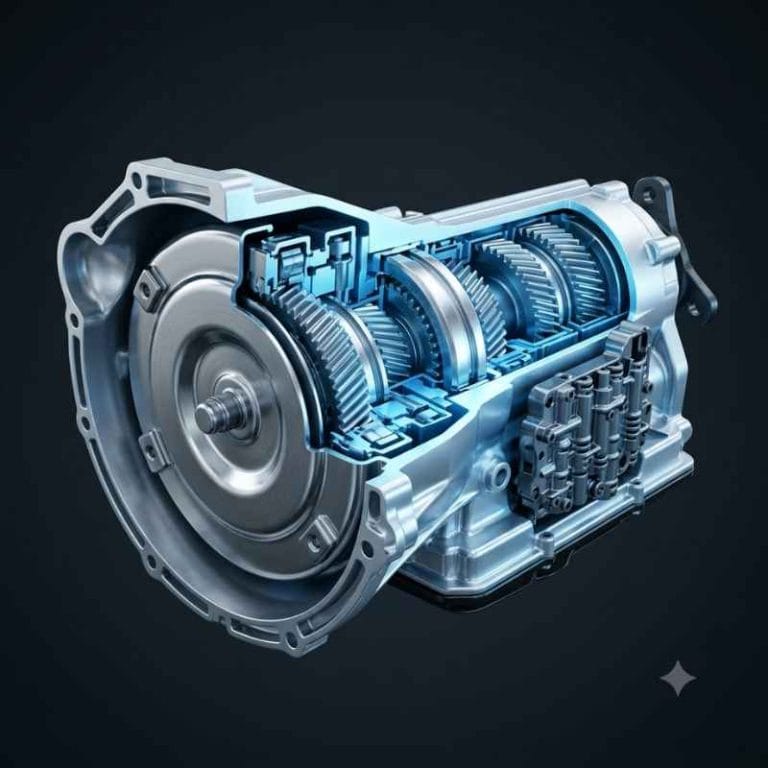
Integrated with Transmission: In many modern vehicles, the TCM is built directly into the transmission housing. This makes it even harder to access and definitely not user-serviceable.
When to Call in the Experts
If you suspect a problem with your transmission control module, the best course of action is to seek professional help. A qualified mechanic or transmission specialist has the tools and knowledge to diagnose the issue correctly. They can use diagnostic scanners that talk directly to your car’s computer systems.
These scanners can read error codes.
These codes provide valuable clues about what might be wrong. For example, a code might point to a specific sensor. Or it might indicate a problem with communication between the TCM and another module.
The mechanic can then perform further tests. They can check wiring harnesses, sensor readings, and the TCM itself.
They have specialized equipment to test the TCM’s function. They can also perform software updates or reprogramming if needed. If the TCM is indeed faulty, they can
Trying to avoid this step can lead to more costly repairs down the line. It’s like ignoring a toothache. It might seem like a small annoyance at first.
But it can lead to much bigger problems if you don’t see a dentist. Your car’s transmission is a complex system. The TCM is a vital part of that system.
Trusting the professionals is usually the wisest choice.
Quick Scan: What a Mechanic Does
Diagnostic Scan: Reads error codes from the car’s computer.
Data Monitoring: Watches live sensor data to see if it’s within expected ranges.
Wiring Checks: Inspects the harness and connectors for damage or corrosion.
Component Testing: Tests individual sensors and actuators related to the transmission.
TCM Testing: Uses specialized tools to verify TCM operation.
Software Updates: Reprograms or updates the TCM if necessary.
What Does This Mean For Your Car?
For you, the car owner, this means understanding the boundaries of DIY car maintenance. While many things can be fixed with a bit of YouTube research and some elbow grease, the TCM is not one of them. It’s an electronic brain.
It requires specialized knowledge and tools to repair or replace.
If your car is showing signs of transmission trouble, don’t jump to cleaning. Instead, think about the symptoms. Are the shifts rough?
Is the car stuck in a gear? Is a warning light on? These are clues for a mechanic.
The most important thing is to get a proper diagnosis. A mechanic can tell you if it’s a simple sensor issue, a wiring problem, or if the TCM itself has failed. Sometimes, a software update can solve the problem.
Other times, a component on the TCM might have failed. Or the entire module might need replacement.
If a TCM does need replacement, the cost can vary. It depends on the car model and the specific part. However, it’s almost always cheaper than the damage you could do by trying to “clean” it yourself.
Think of it as an investment in your car’s longevity. A properly functioning transmission makes for a much better driving experience. It also prevents further damage to other expensive components.
TCM Replacement vs. Repair
Replacement: Often the quickest and most common solution for a failed TCM. A new module is installed and programmed.
Repair: In some cases, specific components on the TCM circuit board can be repaired. This is more specialized and might not be available for all TCMs.
Reprogramming: A new TCM needs to be programmed to match your vehicle’s VIN and options. Older TCMs might also need software updates.
Quick Tips for Transmission Health
While you can’t clean the TCM, you can take steps to keep your transmission healthy. This can help prevent issues that might be mistaken for TCM problems. Or it can help prolong the life of your entire transmission system.
- Regular Fluid Changes: Transmission fluid is crucial. It lubricates, cools, and cleans. Follow your car’s maintenance schedule for fluid flushes and replacements. Use the correct fluid type specified in your owner’s manual.
- Avoid Aggressive Driving: Rapid acceleration and hard braking put extra stress on your transmission. Drive smoothly whenever possible.
- Don’t Overload Your Vehicle: Ensure you are not exceeding your vehicle’s towing or hauling capacity. This puts immense strain on the transmission.
- Address Leaks Promptly: If you notice red or brown fluid leaks under your car, get them checked immediately. A low fluid level can quickly damage the transmission.
- Warm Up Your Car: Especially in cold weather, let your car idle for a minute or two before driving off. This allows the transmission fluid to circulate properly.
- Listen to Your Car: Pay attention to any new noises or unusual shifting behavior. Early detection of a problem is often key to a less expensive repair.
Frequently Asked Questions About Transmission Control Modules
Can I just disconnect the battery to reset a faulty TCM?
Disconnecting the battery can sometimes reset minor electronic glitches. However, for a true TCM fault, this is usually a temporary fix, if it works at all. It will not repair a failed component or a software issue within the module.
It’s best to have it properly diagnosed.
How do I know if it’s the TCM or just low transmission fluid?
Low transmission fluid often causes slipping, rough shifting, and can lead to overheating. Symptoms can overlap with TCM issues. A mechanic will check the fluid level and condition as part of their diagnostic process.
Low fluid is usually a much simpler fix than a bad TCM.
Is a rebuilt TCM a good option?
A rebuilt TCM can be a viable and more affordable option than a brand-new one. It means the module has been professionally repaired and tested. However, ensure you get it from a reputable source with a good warranty.
Always have it installed and programmed by a qualified technician.
What happens if I drive with a bad TCM?
Driving with a faulty TCM can lead to significant damage. The transmission might enter “limp mode,” limiting speed and gears to prevent further harm. However, continued driving can cause excessive wear on transmission components.
This could turn a moderate repair into a complete transmission overhaul, which is very costly.
Can a mechanic actually “clean” a TCM connection?
Yes, a mechanic can clean the external connectors and wiring harness leading to the TCM. If corrosion or dirt is found on these external points, cleaning them with appropriate electrical contact cleaner can resolve the issue. This is different from opening and cleaning the module itself.
How long does a TCM typically last?
The lifespan of a TCM can vary greatly. Some can last the lifetime of the vehicle. Others might fail prematurely due to manufacturing defects, environmental factors, or electrical surges.
There’s no set mileage or time limit, but they are complex electronics that can eventually wear out.
Final Thoughts on TCM Care
So, to wrap things up: Can you clean a transmission control module safely? The short answer is no. It’s not a part designed for DIY cleaning.
Attempting it will likely cause more harm than good. For any transmission issues, especially those that point to the TCM, always rely on the expertise of a trusted mechanic. They have the right tools and knowledge to diagnose and fix the problem correctly.
Keeping your transmission healthy means a smoother, safer, and more reliable ride.
Related pick: Check today's price on Amazon
Products related to this article
Sponsored / affiliate links. As an Amazon Associate I earn from qualifying purchases. I may earn additional commission from eligible campaigns.