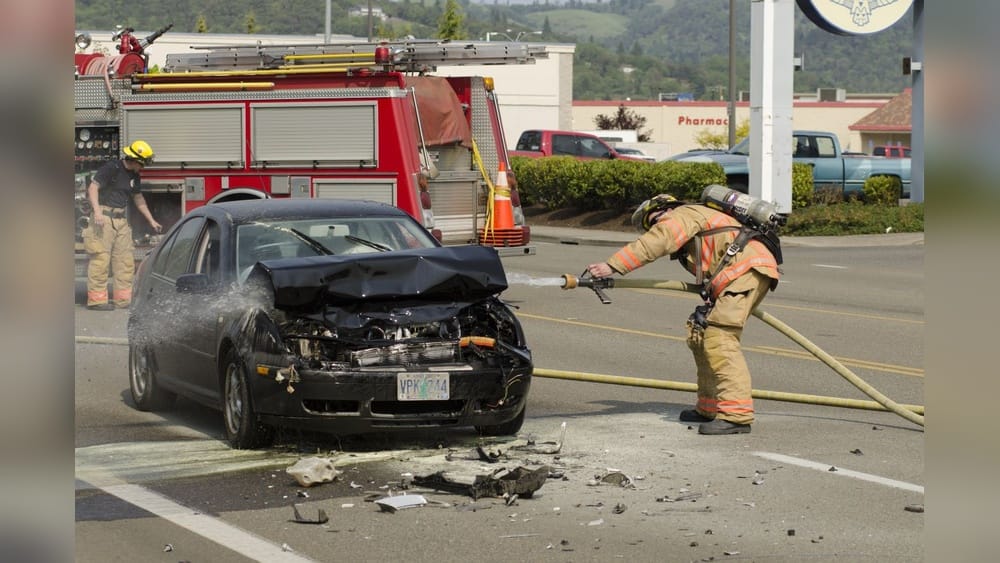
Can Car Engine Oil Catch Fire? What You Need to Know
Car engine oil is essential to the health and performance of every vehicle, yet many drivers overlook its basic properties, especially when it comes to fire risk. The idea that oil, a slippery liquid meant to reduce friction, could actually contribute to a fire under your hood is both alarming and misunderstood.
Understanding the real fire potential of engine oil is crucial for both car owners and automotive professionals, not just for peace of mind but also for safety and maintenance.
This article breaks down the science behind engine oil’s flammability, real-world case studies, risk factors, and what you need to know to keep your vehicle and loved ones safe. By exploring the chemical nature of engine oils, how fires actually start in vehicles, and the steps you can take to minimize risk, you’ll be empowered with actionable knowledge that goes beyond generic advice.
We’ve also included practical tables, data-backed comparisons, and answers to questions car owners often overlook. Whether you’re a seasoned mechanic or a daily commuter, this comprehensive guide offers everything you need to know about car engine oil and its fire risk.
Key Takeaways
- Car engine oil can catch fire, but it requires extremely high temperatures, much higher than normal engine operation.
- The flash point of most motor oils is between 390°F and 450°F (199°C, 232°C).
- Oil leaks onto hot engine parts or exhaust manifolds pose the greatest fire risk.
- Routine maintenance and inspections significantly reduce the risk of oil-related car fires.
- Understanding the difference between flash point and autoignition temperature is vital for fire safety.
- Modern synthetic oils often have higher flash points than conventional oils.
How Car Engine Oil Behaves Under Heat
The risk of engine oil catching fire depends on its chemical properties and the environment inside your engine bay. Let’s break down the essential physics and chemistry.
Understanding Flash Point And Autoignition Temperature
Two critical terms determine the flammability of oil:
- Flash point: The lowest temperature at which the oil emits enough vapor to ignite temporarily if exposed to an open flame.
- Autoignition temperature: The temperature at which the oil will ignite spontaneously without an external flame.
For most engine oils, the flash point ranges from 390°F to 450°F (199°C, 232°C), while the autoignition temperature is even higher, typically over 536°F (280°C). This means that, under normal driving conditions, engine oil is not likely to catch fire.
What Happens In Your Engine?
Even during heavy use, most engines do not reach oil temperatures above 250°F (121°C). The oil circulates, lubricating moving parts and reducing heat caused by friction. For oil to catch fire, a leak must allow it to contact a surface much hotter than its flash point, such as a cracked exhaust manifold or turbocharger housing.
Case Study: Oil Dripping On Exhaust Manifold
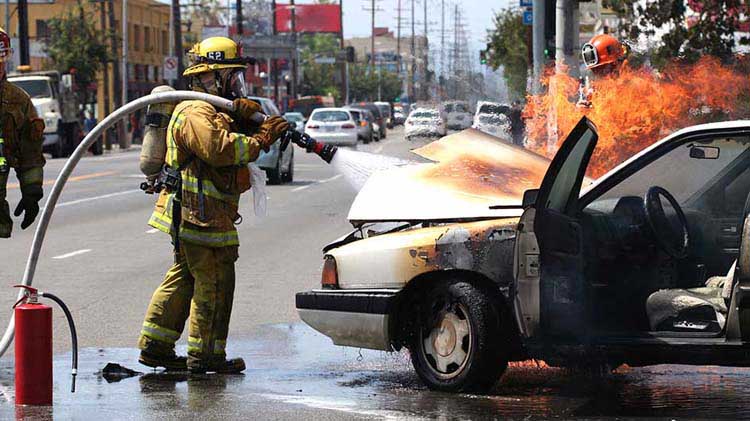
Consider a scenario where a worn valve cover gasket leaks oil onto the exhaust manifold. Exhaust components can reach upwards of 1,000°F (538°C), easily exceeding oil’s flash and autoignition points. In these cases, the oil vaporizes rapidly, and if the right conditions exist, presence of oxygen and a spark, a fire can start.
Key Chemical Differences: Synthetic Vs. Conventional Oils
Synthetic oils are engineered for higher stability. They generally have higher flash points due to their refined molecular structure. Conventional oils, derived directly from crude oil, tend to have slightly lower flash points and may degrade more quickly at high temperatures.
Credit: www.statefarm.com
Real-world Causes Of Oil Fires In Cars
While engine oil itself is designed to handle high heat, specific scenarios can lead to ignition. Understanding these risk factors can help you prevent dangerous situations.
Common Points Of Oil Leaks
- Valve cover gaskets
- Oil filter housings
- Oil pan gaskets
- Turbocharger oil lines
- Improperly sealed oil caps
Each of these can allow oil to escape and contact surfaces that are hot enough to ignite it.
Table: Typical Temperatures Of Engine Components
| Component | Normal Operating Temperature (°F) | Potential for Igniting Oil? |
|---|---|---|
| Engine Block | 180, 220 | Low |
| Exhaust Manifold | 600, 1,200 | High |
| Turbine Housing | 800, 1,600 | High |
| Radiator | 140, 200 | Very Low |
| Catalytic Converter | 1,200, 1,600 | High |
Example: The 2017 Bmw Oil Leak Recall
In 2017, BMW recalled over a million vehicles due to a risk of oil leaks from the EGR cooler. The leaked oil could contact hot engine parts, causing several reported engine compartment fires. This incident highlights the importance of manufacturer oversight and rapid response to potential fire risks.
Human Error And Maintenance Issues
- Overfilling engine oil
- Using incorrect oil viscosity
- Failing to replace worn gaskets or seals
Neglecting these basic maintenance steps increases the risk of leaks and, consequently, fires.

Credit: fxtincan.com
The Science: Why Oil Doesn’t Ignite Easily
Despite its combustible nature, engine oil is much less likely to ignite than gasoline. Its chemical structure requires more energy to transition from liquid to vapor and then to ignite.
Comparison: Gasoline Vs. Engine Oil Flammability
| Property | Gasoline | Engine Oil |
|---|---|---|
| Flash Point (°F) | -45 | 390, 450 |
| Autoignition Temperature (°F) | 495 | 536, 680 |
| Vaporizes Readily? | Yes | No |
| Fire Risk Under Hood | Very High | Moderate (if leaking) |
Why Oil Is Less Volatile
- Long hydrocarbon chains: Engine oil molecules are larger and less volatile than gasoline.
- Higher boiling points: Oil doesn’t produce flammable vapors at low temperatures.
- Additives: Modern oils contain anti-oxidants and detergents that further stabilize their properties.
Pro Tip:
If you ever spill oil in your garage, it’s much less likely to ignite from a stray spark than gasoline or brake cleaner. However, clean up spills promptly to avoid slip hazards and environmental harm.
Credit: auto.howstuffworks.com
How Engine Oil Fires Start: A Step-by-step Breakdown
Understanding the chain reaction required for an oil fire can help you spot and address risks before they escalate.
Step 1: Leak Development
A worn or damaged gasket, loose filter, or cracked oil line allows oil to escape the closed lubrication system. The leak may be slow (a drip) or fast (a stream).
Step 2: Oil Contacts Hot Surface
The most dangerous surfaces are exhaust manifolds, turbochargers, or catalytic converters. These operate well above oil’s flash and autoignition points.
Step 3: Vaporization
When oil lands on these surfaces, it vaporizes rapidly, creating a cloud of flammable gas.
Step 4: Ignition
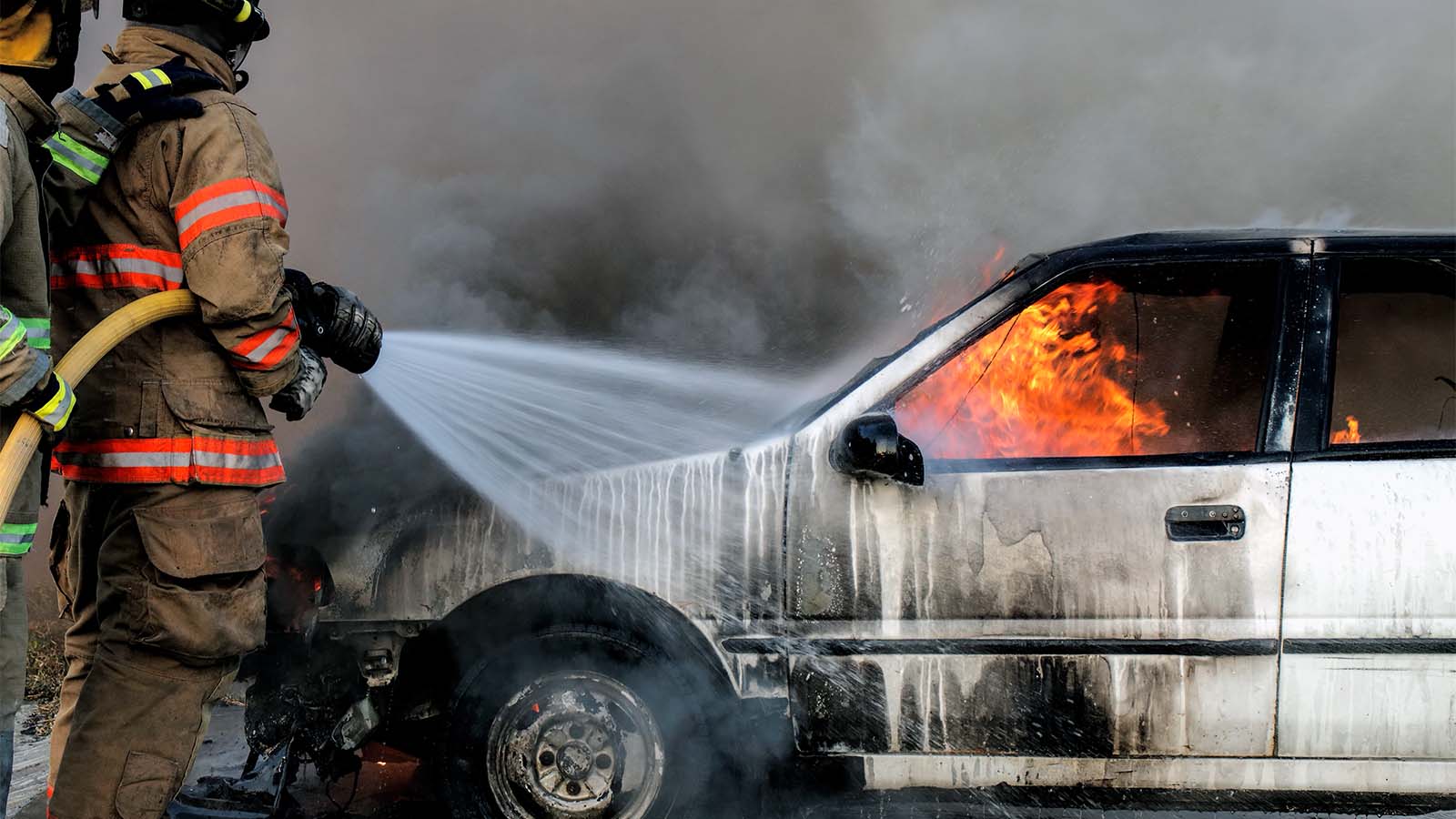
If there’s a spark, open flame, or the surface temperature is above the autoignition threshold, the vapor can ignite. This leads to a localized fire, which can spread to other engine components, wiring, and even fuel lines.
Example: Turbocharged Performance Cars
High-performance vehicles, especially those with turbochargers, run hotter and have more high-pressure oil lines. In my experience working with modified vehicles, a poorly routed oil feed or return line is a common culprit for under-hood fires.
The Role Of Other Fluids
It’s important to note that other automotive fluids (like transmission or power steering fluid) have similar fire risks if they leak onto hot surfaces. Always check for leaks of any kind.
Synthetic Vs. Conventional Oils: Fire Risk Comparison
The evolution of motor oil technology has given drivers more choices. How do synthetic and conventional oils compare when it comes to fire risk?
Table: Synthetic Vs. Conventional Oil Flammability
| Property | Synthetic Oil | Conventional Oil |
|---|---|---|
| Flash Point (°F) | 425, 475 | 390, 450 |
| Thermal Stability | Excellent | Good |
| Degradation Rate at High Temp | Low | Moderate |
| Fire Risk from Leaks | Slightly Lower | Slightly Higher |
Why Synthetics Are Safer
- Higher flash points due to engineered molecular structure.
- Better resistance to breakdown at high temperatures.
- Less likely to form carbon deposits that could ignite.
When Conventional Oil Is More Vulnerable
Older vehicles or those using conventional oil are at a slightly higher risk, especially if the oil is overdue for a change. Oxidized oil breaks down faster and may become more flammable.
Example: Fleet Maintenance Best Practices
Many commercial fleets have switched entirely to synthetic oils not just for longevity, but also for improved safety. Regular oil analysis and adherence to maintenance schedules have dramatically reduced oil-related engine bay fires in these fleets.
Preventing Oil-related Car Fires: Essential Tips
Prevention is always better than dealing with the aftermath of a vehicle fire. Here’s what every driver and mechanic should know.
Regular Maintenance And Inspections
- Check for visible leaks at every oil change.
- Inspect gaskets, seals, and oil lines, especially in older vehicles.
- Replace worn or cracked hoses immediately.
Proper Oil Fill And Type
- Always use oil that meets your manufacturer’s specifications.
- Avoid overfilling, which can increase system pressure and cause leaks.
Responding To Warning Signs
- Burning oil smell
- Smoke from the engine bay
- Oil spots on your driveway
These are signs you should investigate promptly.
Example: Quick Action Saves The Day
A driver notices a burning smell and smoke coming from under the hood. By pulling over, turning off the engine, and calling for assistance, they prevent a small leak from turning into a catastrophic fire. Early intervention is key.
Fire Extinguishers And Emergency Procedures
- Keep an automotive-rated fire extinguisher in your vehicle.
- Know how to use it, aim at the base of the fire, not the flames.
- Never open the hood fully if you suspect a fire; crack it slightly to avoid a rush of oxygen.
Pro Tip:
After any oil leak or fire incident, have your vehicle inspected by a certified mechanic to ensure no hidden damage remains. Never drive a car with a known oil leak.
What To Do If Your Car Catches Fire
A car fire is a frightening event, but knowing the right steps can save lives.
Step-by-step Guide
- Pull over safely: Signal, stop, and turn off the engine immediately.
- Evacuate: Get all occupants out and move at least 100 feet from the vehicle.
- Call 911: Report the fire and your location.
- Do not open the hood: This can feed the fire with oxygen.
- Use a fire extinguisher only if safe: Never risk injury for property.
After The Fire
- Contact your insurance provider.
- Arrange for professional towing and inspection.
- Never attempt to drive a fire-damaged vehicle.
Example: Insurance And Investigation
Insurance companies may investigate to determine the cause of a vehicle fire. Maintenance records and evidence of proper care can help speed up claims and reduce liability.
Legal And Safety Implications
Some vehicle fires lead to recalls or legal claims, especially if a defect is to blame. Always keep up with safety recalls for your make and model via the National Highway Traffic Safety Administration (NHTSA Recalls).
Environmental And Health Impacts Of Burning Engine Oil
Burning oil is not just a fire risk, it’s an environmental and health hazard.
Air Pollution
Engine oil contains additives and heavy metals that produce toxic fumes when burned. These emissions can harm nearby residents and first responders.
Soil And Water Contamination
If a car fire causes oil to spill onto the ground, it can seep into the soil and contaminate groundwater. Cleanup is costly and regulated by local environmental agencies.
Health Risks
Exposure to burning oil fumes can cause:
- Respiratory irritation
- Eye and skin irritation
- Long-term health effects from prolonged exposure
Regulatory Standards
Automotive manufacturers are required to meet stringent emissions and safety standards to minimize these risks. More information is available from the Environmental Protection Agency (EPA).
Frequently Asked Questions
What Is The Difference Between Engine Oil Flash Point And Ignition Temperature?
The flash point is the lowest temperature at which engine oil gives off enough vapor to form a flammable mixture with air, but it does not sustain combustion. The autoignition temperature (or ignition temperature) is higher, it’s the point at which oil vapors will spontaneously ignite without a spark or flame. For most engine oils, the flash point is around 390, 450°F, while the autoignition temperature is typically above 536°F.
Can Spilled Engine Oil In My Garage Catch Fire From A Dropped Cigarette?
It’s unlikely. Engine oil’s flash point is much higher than the temperature of a smoldering cigarette, which is about 700°F at its tip but cools quickly upon contact. Unless the oil is atomized into a fine mist or exposed to an open flame or very hot surface, it will not ignite from a cigarette alone.
However, it is always best practice to clean up oil spills promptly to avoid slips and long-term staining.
Does The Age Of Engine Oil Affect Its Fire Risk?
Yes, to some extent. As engine oil ages, it can oxidize and break down, especially if it’s overdue for a change. This degradation can lower its flash point slightly and increase the risk of forming flammable deposits. Old, contaminated oil may be more likely to ignite if it leaks onto a hot surface, so regular oil changes are essential for safety.
Are Electric Vehicles At Risk Of Oil Fires?
Electric vehicles (EVs) typically use little or no engine oil, as they don’t have conventional combustion engines. However, many have gearboxes or cooling systems that use other lubricants, which can pose similar, though much lower, risks. The main fire risk in EVs comes from the high-voltage battery systems, not from oil.
How Do Manufacturers Test Engine Oil For Flammability?
Manufacturers and safety organizations use standardized lab tests, such as the Cleveland Open Cup and Pensky-Martens Closed Cup methods, to determine oil’s flash point. In these tests, a sample of oil is gradually heated, and a small flame is applied at intervals to observe when vapors ignite. These tests ensure that only oils with sufficiently high flash points are marketed for automotive use.
Car engine oil is a marvel of chemical engineering, designed to perform under extremes of heat and pressure. While it’s not easily flammable under ordinary conditions, specific scenarios, especially leaks onto hot engine parts, can pose real fire risks. By understanding the science behind oil’s behavior, adhering to regular maintenance, and taking immediate action when warning signs appear, you can keep your vehicle safe and reliable.
Always consult your owner’s manual and a qualified mechanic for any concerns, and remember that prompt, informed action is the best defense against automotive fires. For the full breakdown of exactly how many quarts your engine needs, see how much oil does a car engine need. Using the right oil in the first place lowers this risk — see our best oil for a car engine picks ranked by mileage and budget.
Products related to this article
Sponsored / affiliate links. As an Amazon Associate I earn from qualifying purchases. I may earn additional commission from eligible campaigns.