How Much Do Car Tires Cost? Full Price Guide for 2026
Shopping for new car tires in 2026 can feel overwhelming. With prices fluctuating due to global supply chains, material costs, and ever-advancing tire technology, understanding exactly what you’ll pay—and what you’ll get for your money—has never been more important. Whether you’re a daily commuter, weekend adventurer, or performance enthusiast, the right set of tires impacts not only your wallet but your safety, fuel economy, and driving experience.
In this comprehensive guide, we break down the full spectrum of car tire costs for 2026. You’ll discover average price ranges by tire type, size, and brand, learn about factors that influence cost, and see real-world examples and comparison tables.
We’ll also provide actionable tips for saving money and answer the most common questions drivers have about buying tires this year. Let’s roll into the details and make sure you get the best value and performance for your investment.
Key Takeaways
- Car tire prices in 2026 range from $60 to over $500 per tire, depending on type, size, and brand.
- Major factors affecting cost include tire size, vehicle type, brand reputation, performance features, and where you buy them.
- All-season tires remain the most affordable and popular choice for most drivers.
- Buying online vs. in-store can save you 10-20% on average.
- Premium and specialty tires (performance, run-flat, winter) command higher prices due to advanced features.
- Routine maintenance and proper sizing are key to maximizing tire lifespan and value.

Credit: formulax.in
The Average Cost Of Car Tires In 2026
Understanding the typical price range for car tires in 2026 is the foundation for any smart tire purchase. Tire costs are influenced by a complex mix of manufacturing, distribution, and economic factors, but there are clear averages that consumers can use as benchmarks.
Price Ranges By Tire Type
The cost of a tire varies significantly based on its design and intended use. Here’s what you can expect to pay for the most common types in 2026:
- All-Season Tires: $65 – $180 per tire
All-season tires are engineered for balanced performance in wet and dry conditions, and most drivers find them suitable for year-round use in moderate climates. Their popularity and mass production often keep prices lower, making them the go-to for everyday vehicles.
- Performance Tires: $120 – $350 per tire
Performance tires are built to enhance handling, grip, and cornering at higher speeds. These are favored by owners of sports sedans, coupes, and drivers who value precise response. The higher cost reflects advanced materials and tread designs.
- Winter/Snow Tires: $90 – $250 per tire
Winter tires use specialized rubber compounds that remain flexible in freezing temperatures, combined with unique tread patterns for traction on snow and ice. Drivers in northern states or mountainous regions often invest in a separate set.
- All-Terrain Tires: $130 – $400 per tire
Designed for SUVs and trucks, all-terrain tires balance on-road comfort with off-road capability. Their robust construction and aggressive tread make them more expensive, but indispensable for outdoor enthusiasts.
- Run-Flat Tires: $150 – $500 per tire
Run-flat technology allows you to drive up to 50 miles after a puncture, providing peace of mind but at a premium price. Many luxury vehicles come equipped with run-flat tires from the factory.
These figures reflect standard passenger vehicle sizes (15”-18”). Larger vehicles (SUVs, trucks, luxury sedans) or specialty sizes often command higher prices due to increased material usage and more complex engineering. It’s also important to note that high-performance variants within each category (e.
g. , ultra-high-performance all-season tires) can reach the upper end or exceed these ranges.
Impact Of Tire Size And Vehicle Type
Tire size is one of the most significant cost variables. Standard sedans and compact cars usually require smaller, less expensive tires, while SUVs, trucks, and performance vehicles often need larger or specialized tires. The cost can also be influenced by whether your vehicle uses staggered setups (different sizes front and rear) or requires unique fitments.
| Vehicle Type | Common Tire Size | Average Price Range (per tire) |
|---|---|---|
| Compact Car | 15″-16″ | $65 – $120 |
| Sedan/Midsize | 16″-18″ | $85 – $180 |
| SUV/Crossover | 17″-20″ | $120 – $300 |
| Pickup Truck | 18″-22″ | $150 – $350 |
| Performance/Luxury | 19″-22″ | $200 – $500 |
For example, a Ford F-150 or Chevrolet Silverado may require 20” all-terrain tires, which are notably more expensive than the 15” all-season tires used on a Honda Civic. Additionally, owners of European luxury models like BMW or Mercedes-Benz may encounter higher costs for run-flat or extra-load tires.
Real-world Example: 2026 Toyota Camry
A 2026 Toyota Camry, one of America’s best-selling sedans, typically uses 215/55R17 tires. In 2026, you’ll find:
- Budget brands: $85 per tire (e.g., Douglas, Ironman)
- Mid-tier brands: $120 per tire (e.g., Kumho, Hankook)
- Premium brands: $170 per tire (e.g., Michelin, Bridgestone)
This example highlights the broad range of options available even for a single tire size. The differences in price often correspond to differences in treadwear warranties, ride comfort, wet/dry grip, and brand reputation. Many drivers opt for mid-tier brands for a balance of value and performance, while those prioritizing safety or longer tread life may invest in premium brands.
Average Cost For A Full Set
Most drivers replace all four tires at once, so it’s crucial to consider the total cost. For a standard sedan, a full set typically costs:
- Budget: $260 – $400 (including basic installation)
- Mid-range: $400 – $700
- Premium: $700 – $1,200+
Don’t forget to factor in mounting, balancing, and disposal fees, which typically add $15-$35 per tire. If your vehicle requires a full-size or matching spare, that’s an additional cost to consider. Some retailers offer package deals that include free rotations or flat repairs, adding to the overall value.

Credit: backyardescapism.com
Factors Influencing Tire Prices
Multiple elements contribute to the price of a tire. Understanding these factors helps you make informed decisions and avoid unnecessary expenses.
Brand Reputation And Warranty
Premium brands like Michelin, Goodyear, and Bridgestone command higher prices due to superior quality control, extensive research, and robust warranties (up to 80,000 miles). These brands invest heavily in research and development to improve safety, tread life, and fuel efficiency. Budget brands offer lower prices but may have shorter tread life and less comprehensive warranties. For example, a budget tire might have a 35,000-mile warranty, while a premium tire could offer 70,000–80,000 miles.
Warranties cover tread life and sometimes road hazards, but always read the fine print—some only apply if you follow specific maintenance schedules. Additionally, leading brands often have widespread dealer networks for easier warranty claims and support.
Performance Features
Tires with advanced features—such as run-flat technology, enhanced wet traction, low rolling resistance for fuel efficiency, or reinforced sidewalls—cost more to manufacture and thus have higher retail prices. For example, run-flat tires are commonly found on BMWs and Minis, which require special bead and sidewall construction to function when deflated. Similarly, low rolling resistance tires can improve fuel economy by 1–2 mpg, saving hundreds of dollars over the tire’s life but costing more upfront.
Other performance features that drive up costs include noise-reducing foam inserts, silica-based compounds for better grip, and asymmetric or directional tread patterns for optimized handling.
Seasonal And Specialty Tires
- Winter/snow tires: Designed for traction in cold, icy conditions, made with specialized rubber compounds. These are essential for drivers in northern states, where winter weather is severe. Many insurers even offer discounts for drivers who use winter tires.
- All-terrain/mud tires: Built for off-road capability, with aggressive tread patterns and reinforced casings. These tires are often heavier, which can impact fuel economy and require more robust suspension components.
- Run-flat tires: Allow driving for 50+ miles after a puncture, ideal for vehicles without a spare tire. While convenient, they often ride stiffer and wear out faster than conventional tires.
These specialized designs increase both material and research costs, reflected in the price tag. Specialty tires for vehicles like the Jeep Wrangler Rubicon or Tesla Model X Plaid can be even more expensive due to unique sizing and load requirements.
Raw Material And Supply Chain Costs
Global rubber prices, oil costs, and shipping rates impact tire prices. Disruptions in the supply chain—such as those seen in 2026-2026—can cause sudden price spikes. According to Statista, natural rubber prices increased by 18% from 2026 to 2026, directly influencing tire costs.
Moreover, tire manufacturers are affected by geopolitical events, tariffs, and environmental regulations, all of which can affect the final retail price. As the industry shifts toward more sustainable production, some manufacturers are investing in renewable materials, which can initially drive up costs but may stabilize over time.
Place Of Purchase: Online Vs. In-store
Buying tires online can save 10-20% compared to local retailers, thanks to lower overhead and frequent promotions. However, online purchases may require separate installation arrangements. Some online retailers partner with national installer networks, allowing you to ship tires directly to a preferred shop.
In-store retailers often bundle installation, balancing, disposal, and sometimes road hazard coverage in the price. They also provide immediate access to service if issues arise. Some drivers value this convenience and local support, which can justify a slightly higher price.
Installation, Taxes, And Fees
The out-the-door price includes additional costs:
- Mounting & balancing: $15-$35 per tire
- Tire disposal/recycling fee: $3-$10 per tire
- Alignment (optional but recommended): $80-$150
These add-ons can increase your total bill by $100 or more for a set of four tires. In some states, sales tax and tire fees are regulated, so be sure to ask for a complete quote before committing to a purchase.
Some retailers offer “all-in” pricing that includes installation and lifetime rotation, providing better transparency.

Credit: www.utires.com
Tire Price Comparison By Brand And Retailer
Not all tire brands and retailers price their products the same way. Comparing options can help you find the best value for your needs.
Popular Tire Brands And Their Price Ranges
| Brand | Average Price (per tire) | Typical Warranty (Miles) |
|---|---|---|
| Michelin | $140 – $350 | 45,000 – 80,000 |
| Bridgestone | $120 – $320 | 40,000 – 80,000 |
| Goodyear | $110 – $320 | 40,000 – 75,000 |
| Continental | $100 – $300 | 40,000 – 70,000 |
| Firestone | $90 – $250 | 40,000 – 70,000 |
| Kumho | $70 – $180 | 35,000 – 60,000 |
| Hankook | $75 – $200 | 35,000 – 60,000 |
| Cooper | $85 – $220 | 40,000 – 70,000 |
| Douglas (Walmart) | $60 – $110 | 35,000 – 45,000 |
When evaluating brands, consider not just price, but also reputation for quality, customer service, and the availability of replacement tires in your area. Premium brands often have more consistent performance across all weather conditions and may offer perks like roadside assistance or satisfaction guarantees.
Retailers: Brick-and-mortar Vs. Online
In-store retailers (Discount Tire, Walmart, Costco, Firestone) typically bundle installation and offer local service. Online retailers (Tire Rack, SimpleTire, Amazon) provide larger inventories and competitive pricing, but installation is extra.
- Costco: Known for competitive prices and free rotation/balance with purchase. They also extend a 5-year road hazard warranty on most tire purchases.
- Discount Tire: Wide selection, nationwide service, frequent rebates. Their price match guarantee can help you get online prices with local convenience.
- Tire Rack: Ships to local installers, extensive reviews and testing. Their tire decision guides help match the right tire to your needs.
- Walmart: Budget options, low installation fees. Walmart is a good option for basic all-season tires and offers convenient locations for installation.
According to Consumer Reports, buying from warehouse clubs like Costco can save $70-$100 on a set of tires compared to dealerships. Local tire shops may offer personalized service and support local businesses, but prices can vary widely.
Real-world Example: Online Vs. Local Purchase
A set of Michelin Defender T+H (215/60R16):
- Tire Rack: $144 per tire + $20 shipping = $656 (4 tires, delivered)
- Local tire shop: $165 per tire, including installation = $660
If you have free or discounted installation through a preferred shop, online purchases can be even more cost-effective. However, if you need your tires installed immediately, local shops may be more convenient.
Price Fluctuations And Promotions
Retailers often run rebates, bundle deals, and seasonal promotions. For instance, Goodyear and Bridgestone frequently offer $50-$100 rebates on a set of four tires. Shopping during these periods can yield substantial savings.
Be aware that some promotions require submitting receipts and waiting for prepaid cards or checks. Always read the terms and conditions to ensure you qualify, and keep an eye out for “buy three, get one free” deals, especially during spring and fall tire changeover seasons.
How To Choose The Right Tire Without Overpaying
Selecting tires isn’t just about cost—it’s about value and safety. Here’s how to balance price with quality in 2026.
Identify Your Driving Needs
Consider your typical driving conditions:
- City/highway commuting: All-season tires with good tread life
- Snow/ice: Winter tires or all-weather options
- Performance driving: High-performance or summer tires
- Off-roading: All-terrain or mud-terrain tires
Matching tires to your needs prevents overpaying for unnecessary features. For example, drivers in Texas likely don’t need snow tires, while those in Minnesota should consider dedicated winter tires for safety.
Evaluate your priorities. If you value a quiet, comfortable ride, look for tires with noise-reducing technology. If you frequently drive on rough roads, choose tires with reinforced sidewalls.
Compare Tread Life And Warranty
Longer treadwear warranties indicate better value over time. A tire that costs $150 but lasts 70,000 miles is often a better investment than a $100 tire with a 35,000-mile life.
When comparing warranties, pay attention to both the mileage and the specific terms. Some warranties are pro-rated, meaning you’ll get partial credit if the tire wears out prematurely, while others offer full replacement within a certain period.
Read Reviews And Test Results
Consult independent reviews from sources like Tire Rack and Consumer Reports. Look for:
- Wet/dry braking
- Ride comfort
- Road noise
- Fuel efficiency
These real-world tests can reveal significant differences between similarly priced tires, especially in emergency handling or wet stopping distances. You can also find owner reviews for insights into tread life, noise levels, and performance after thousands of miles.
Consider Total Cost Of Ownership
Factor in:
- Upfront cost
- Warranty coverage
- Expected lifespan
- Fuel efficiency (low rolling resistance tires can save $50-$150 per year in fuel)
Over the life of the tire, a more expensive but longer-lasting set may cost less per mile. For example, if a premium tire lasts 20,000 miles longer and improves fuel economy, it can offset the initial higher purchase price.
Real-world Case Study: Saving With The Right Choice
In 2026, Maria, a Seattle commuter, chose Michelin CrossClimate2 all-weather tires ($195 each, 60,000-mile warranty) over a budget brand ($110 each, 40,000-mile warranty). Over 60,000 miles, the Michelins lasted 50% longer, offered superior wet traction, and saved her $200 in fuel costs—demonstrating the importance of considering value, not just price.
Additionally, Maria experienced fewer flats and enjoyed quieter, more comfortable rides, which contributed to her overall satisfaction and reduced her need for unexpected repairs.
Ways To Save Money On Car Tires In 2026
Tires are a significant investment, but savvy shoppers can minimize costs without sacrificing safety.
Shop Online And Compare Offers
Use price comparison tools on sites like Tire Rack and Discount Tire. Check for coupon codes and seasonal promotions.
Many online retailers offer free shipping or discounted installation at partner shops. Some even provide virtual “tire decision guides” to help you compare options based on your vehicle and driving habits.
Look For Manufacturer And Retailer Rebates
Major brands regularly offer rebates ($50-$150) on select models, especially during spring and fall sales events. These can be combined with store discounts for even greater savings.
Sign up for retailer newsletters or follow them on social media to receive alerts about upcoming promotions.
Buy In Bulk Or Take Advantage Of Bundles
Warehouse clubs and some online retailers offer additional discounts when buying a full set of four tires. Bundles may include free rotations, road hazard coverage, or extended warranties.
If you have multiple vehicles in your household, ask about fleet or multi-car discounts.
Consider High-quality Used Tires
Reputable shops sell gently used tires with 70-90% tread remaining at 40-60% off new prices. Ensure they’re inspected for damage and come from a trusted source.
Used tires can be a smart option for drivers on a tight budget or those planning to sell their car soon. However, always check the manufacturing date—tires older than 6 years may be unsafe, even if tread remains.
Maintain Your Tires
Proper tire pressure, regular rotation, and timely alignment extend tire life, reducing how often you need replacements. Underinflated or misaligned tires wear faster and can cost you more in the long run.
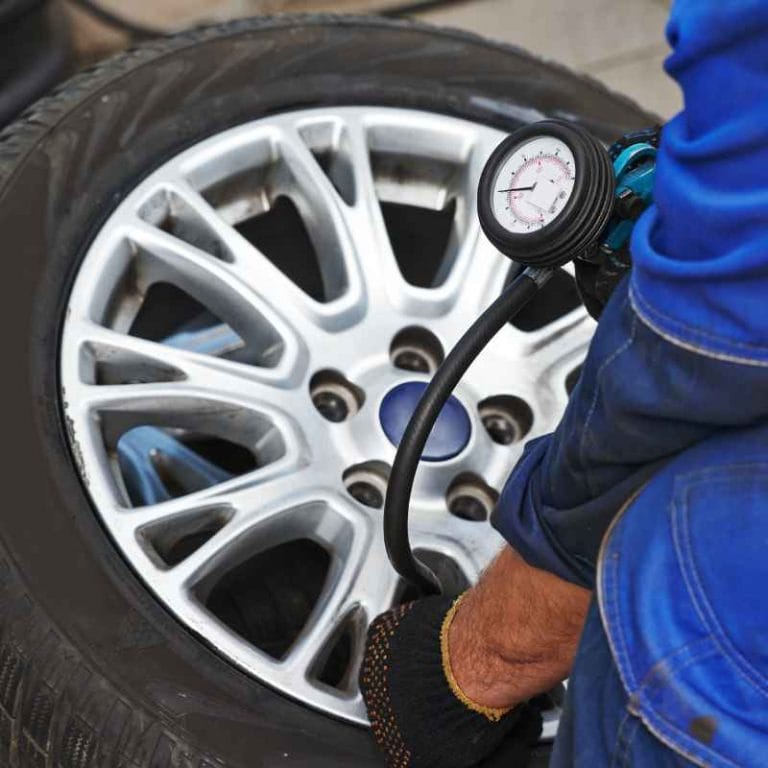
Invest in a reliable tire pressure gauge and check pressures monthly. Rotate your tires every 6,000–8,000 miles to ensure even wear.
Avoid Unnecessary Upgrades
Resist upselling for high-performance or specialty tires if your driving needs don’t require them. Many tire shops receive incentives to sell premium models, but for most drivers, a quality all-season tire suffices.
If you’re offered extras like nitrogen inflation, road hazard warranties, or alignment packages, evaluate if they truly add value for your situation.
Real-world Example: Warehouse Club Savings
John, a Houston driver, saved $120 on a set of four Michelin tires by purchasing at Costco during a spring rebate event. The purchase included free lifetime rotation and flat repair—a value-added bonus many traditional shops don’t offer.
Additionally, John appreciated Costco’s transparent all-in pricing, which helped him avoid hidden fees and made it easier to budget for his purchase.
Tire Replacement And Maintenance Costs
Tire costs extend beyond the initial purchase. Understanding related expenses ensures you budget accurately.
Installation And Balancing Fees
Most tire retailers charge $15-$35 per tire for mounting and balancing. Some offer packages that include free rotations, flat repairs, or road hazard protection.
Balancing ensures smooth driving and prevents premature wear. Ask if your retailer uses high-precision balancing equipment and whether they offer road force balancing for ultra-low-profile or performance tires.
Wheel Alignment
Alignment isn’t always required with new tires, but it’s recommended if you notice uneven wear or handling issues. Expect to pay $80-$150 for a four-wheel alignment.
Proper alignment improves tire life, fuel efficiency, and vehicle safety. Some retailers offer discounted alignment services with tire purchases or guarantee alignment for a set period.
Tire Disposal Fees
State laws often require a tire disposal or recycling fee ($3-$10 per tire) to ensure proper environmental handling. These fees support responsible recycling and help reduce illegal dumping.
Ask your installer if the fee is included in your quote, and verify that old tires are recycled in accordance with local regulations.
Ongoing Maintenance
- Tire rotation: Every 6,000-8,000 miles, often free with purchase
- Balancing: $12-$20 per tire if not included
- Flat repairs: $10-$30 per tire (free at some retailers)
Regular maintenance prevents irregular wear and extends the life of your investment. Keeping tires properly inflated can also improve fuel economy and handling.
Maximizing Tire Lifespan
Follow manufacturer recommendations for rotation, alignment, and pressure checks. The National Highway Traffic Safety Administration (NHTSA) notes that underinflation is the leading cause of premature tire failure.
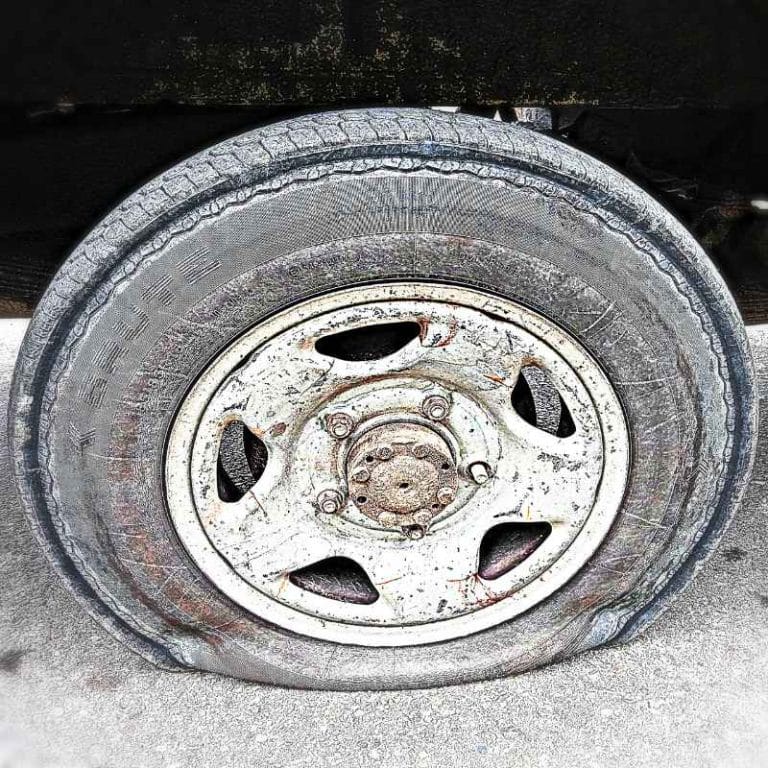
Check your tires for signs of aging, such as cracks, bulges, or tread separation. Even if tread remains, most manufacturers recommend replacement after 6–10 years, regardless of mileage.
The Future Of Tire Pricing: 2026 And Beyond
The tire industry continues to evolve, with new technologies and shifting market dynamics influencing costs.
Raw Material And Labor Costs
Volatility in natural rubber and synthetic compound markets, along with rising labor costs in manufacturing hubs, may push prices higher in 2026.
Additionally, environmental regulations and carbon taxes are influencing how tires are produced and transported, with some costs passed on to consumers. Manufacturers are investing in automation and more sustainable practices to offset these pressures.
Sustainable And Smart Tire Technology
Emerging trends, such as sustainable materials (e.g., dandelion rubber, recycled plastics), and smart tires with embedded sensors, are beginning to enter the mainstream. These innovations can command a premium, but may yield longer life and improved performance.
For example, smart tires can monitor pressure, temperature, and even tread wear in real time, sending alerts to your phone or car’s dashboard. Some automakers are already partnering with tire manufacturers to integrate this technology on new vehicles.
Electric Vehicle (ev) Impact
EVs require tires designed for higher torque, heavier weight, and lower rolling resistance. These specialized tires cost 10-25% more than comparable non-EV tires but are expected to become more affordable as production scales up. According to Tire Review Magazine, 2026 will see a surge in EV-specific tire options.
EV tires often feature reinforced sidewalls, unique tread patterns for quiet operation, and compounds designed to handle instant torque. As EV adoption grows, expect more choices and gradual price reductions due to economies of scale.
Supply Chain And Geopolitical Factors
Global events—such as shipping disruptions, tariffs, or pandemics—can trigger price volatility. Diversifying production and sourcing is helping some brands stabilize costs.
Manufacturers are also building regional plants to minimize the impact of transportation delays and tariffs, which should help keep prices more predictable in the future.
Real-world Case Study: Ev Tire Costs
Tesla Model 3 owners report paying $180-$320 per tire for EV-specific options in 2026, reflecting both higher performance requirements and current market demand.
Some EV owners are exploring all-weather or high-mileage tires to offset the increased wear caused by instant torque, but it’s important to choose models approved for your vehicle to maintain safety and efficiency.
Frequently Asked Questions
How Much Should I Expect To Pay For Four New Tires In 2026?
For a typical passenger vehicle, expect to pay $400 to $1,200 for a full set, including installation. The price depends on your vehicle’s tire size, the brand you choose, and whether you opt for all-season, performance, or specialty tires. Larger vehicles, specialty fitments, or EV-specific tires may push costs higher.
Are Expensive Tires Worth The Extra Cost?
Generally, premium tires offer better tread life, performance, and warranty coverage. Over the lifespan of the tire, they may cost less per mile driven and provide enhanced safety, especially in challenging conditions. However, many mid-tier options offer excellent value for everyday driving, and budget-conscious shoppers can find reliable choices among reputable brands.
Can I Save Money By Buying Tires Online?
Yes, buying tires online often saves 10-20% compared to brick-and-mortar stores. Be sure to factor in shipping and the cost of local installation. Some online retailers partner with local installers to streamline the process, while others offer home installation services in select areas.
How Do I Know When It’s Time To Replace My Tires?
Replace tires when tread depth is below 2/32 inch (the legal minimum), if there are visible cracks, bulges, or severe damage, or if you notice a significant decrease in traction. Most tires have wear indicators built into the tread for easy inspection. You can also use the “penny test”—if you insert a penny into the tread with Lincoln’s head upside down and visible, it’s time for new tires.
What Is The Difference Between All-season And All-weather Tires?
All-season tires are designed for mild climates, offering balanced performance in dry and wet conditions, but limited winter capability. All-weather tires provide better traction in snow and ice, meeting severe snow service standards (3PMSF symbol) while still performing well year-round. Choose all-weather tires if you live in areas with frequent winter weather.
Investing in quality tires in 2026 is about more than just the sticker price. By understanding the factors that influence cost, comparing options wisely, and maintaining your tires properly, you can ensure both safety and value on every mile. Whether you’re shopping for a budget-friendly commuter or a high-performance machine, the right tires are always worth the research—and the investment.