What Does Ford Stand For? The Real Meaning Behind the Name
Few names in the world of automobiles evoke as much recognition and legacy as Ford. For more than a century, the brand has been synonymous with innovation, rugged reliability, and the spirit of American manufacturing. But what does Ford actually stand for? Is it simply the surname of its founder, or does the name represent deeper values, visions, and technological revolutions that have shaped not just the company, but the global automotive landscape?
Unpacking the real meaning behind the Ford name leads us through a journey of industrial transformation, legendary products, and enduring cultural influence. From the assembly lines of Detroit to the racetracks of Le Mans, Ford has carved an identity that transcends its logo and lineage.
This article delves into the origins, symbolism, and modern-day significance of Ford, while exploring how its name has become a beacon for progress, quality, and trust in the automotive world.
Key Takeaways
- Ford originated as the surname of founder Henry Ford, but today it symbolizes innovation, quality, and American ingenuity.
- The Ford brand is built on values such as reliability, accessibility, and leadership in automotive manufacturing.
- Acronyms and myths about the Ford name have emerged over the years, but none are official company representations.
- Ford’s impact reaches far beyond cars, influencing culture, technology, and even labor practices globally.
- The company’s legacy is reinforced by iconic models, motorsport victories, and a forward-looking approach to sustainability and mobility.
- Understanding what Ford stands for requires examining both its historical roots and its modern identity.
The Origins Of The Ford Name
Henry Ford: The Man Behind The Name
At its core, the name Ford comes from its founder, Henry Ford, born in 1863 in Michigan. A visionary engineer, Henry Ford transformed the automobile from a luxury item for the wealthy into a practical means of transportation for the masses. By establishing the Ford Motor Company in 1903, he set in motion a revolution that would forever change the world’s relationship with mobility.
Henry Ford was more than an inventor; he was a cultural force. His commitment to efficiency, affordability, and worker welfare (such as introducing the $5 workday) became central to the Ford ethos. Today, the Ford name is not just a family surname—it’s a symbol of transformative leadership.
The Etymology Of “ford”
The surname “Ford” itself is of Old English origin, meaning a shallow place in a river or stream where one can cross. This sense of bridging gaps and facilitating journeys metaphorically aligns with the company’s mission: making transportation accessible to all. The Ford logo, with its flowing script, further evokes a sense of movement and progress.
The Birth Of The Ford Motor Company
The Ford Motor Company was officially incorporated on June 16, 1903. Its founding marked the beginning of a new era in manufacturing, emphasizing mass production and the democratization of car ownership. Ford’s first major success, the Model T, launched in 1908, became an icon of affordable mobility.
Early Brand Messaging
From its earliest days, Ford positioned itself as a brand for everyone. Slogans like “Universal Car” and “Opening the Highways to All Mankind” reflected an ambition to break down barriers to mobility. This inclusive philosophy shaped Ford’s identity for decades to come.
Credit: www.portervilleford.net
The Symbolism And Values Behind The Ford Name
Innovation And Mass Production
Perhaps the most defining value associated with Ford is innovation. Henry Ford’s introduction of the moving assembly line in 1913 reduced production time for a car from over 12 hours to just 93 minutes. This breakthrough allowed Ford to lower costs and make automobiles affordable to average Americans.
| Production Method | Time to Build One Car | Impact on Price |
|---|---|---|
| Pre-assembly Line | 12+ hours | $825 (Model T, 1908) |
| Post-assembly Line | ~1.5 hours | $260 (Model T, 1925) |
This commitment to efficiency and accessibility is a core part of what Ford stands for.
Reliability And Quality
Ford built its reputation on producing vehicles that are reliable and long-lasting. The Model T, known as the “Tin Lizzie,” was famous for its ability to withstand rough roads and harsh conditions. Decades later, models like the F-Series trucks have become benchmarks for durability and performance.
American Ingenuity And Leadership
The Ford name is inextricably linked to American ingenuity. The company’s contributions to engineering, manufacturing, and even the development of modern management practices, have made it a leader both in the U.S. and internationally. Ford’s willingness to innovate—whether through the V8 engine, safety features, or electric vehicles—reinforces its status as a trailblazer.
Affordability And Accessibility
Henry Ford’s mission was to make cars that everyone could afford. By standardizing parts and processes, Ford slashed production costs, passing the savings onto consumers. This democratization of mobility is central to the brand’s enduring appeal.
Social Responsibility And Labor Reform
Ford was also a pioneer in labor practices, introducing the $5 workday in 1914—double the standard wage at the time. This move not only improved the lives of workers but also set new standards for the industry, attracting talent and boosting productivity.
Global Influence And Cultural Impact
Ford’s reach extends far beyond the United States. The company has manufacturing plants and sales networks across six continents and has played a pivotal role in shaping automotive culture worldwide. The Ford name is a global synonym for mobility and progress.

Credit: www.uwa.edu
Common Myths, Acronyms, And Misconceptions
Popular Ford Acronyms
Over the years, various acronyms and playful expansions of the Ford name have emerged, particularly among car enthusiasts and rival brands. The most common include:
- Found On Road Dead
- First On Race Day
- Fix Or Repair Daily
- Fast Only Rolling Downhill
While these phrases are memorable, none are officially endorsed by Ford. In fact, most serve as either jokes or light-hearted jabs between fans of different automakers.
Debunking The Myths
Despite the popularity of these acronyms, the true meaning behind Ford is simply the surname of its founder. The company has never officially used any of these phrases in its branding or marketing. Ford’s actual legacy is rooted in quality, innovation, and accessibility.
The Power Of Brand Perception
The existence of such acronyms highlights the strong emotional reactions that automotive brands can inspire. Ford’s widespread presence means it’s often the subject of both admiration and criticism, which paradoxically reinforces its cultural significance.
Ford In Popular Culture
Ford vehicles have appeared in countless films, songs, and television shows, further embedding the name in popular consciousness. From the Mustang in “Bullitt” to the F-150 in country music lyrics, Ford’s association with American life is undeniable.
Credit: www.slashgear.com
Ford’s Evolution: From Model T To Modern Mobility
The Model T: Democratizing The Automobile
The Ford Model T, introduced in 1908, was the world’s first affordable, mass-produced car. Its simplicity, reliability, and low price made car ownership possible for millions. By 1927, over 15 million Model Ts had been sold—a record at the time.
The Birth Of The Assembly Line
In 1913, Ford revolutionized manufacturing with the moving assembly line. This innovation reduced costs and made large-scale production possible, setting a new standard for industries worldwide.
Expansion Into Trucks And Commercial Vehicles
Ford didn’t stop at passenger cars. The company introduced its first truck in 1917, and today, the F-Series is America’s best-selling vehicle line, demonstrating Ford’s adaptability and market leadership.
The Mustang And Performance Heritage
With the launch of the Ford Mustang in 1964, Ford tapped into the youth market and the burgeoning culture of personal expression. The Mustang became an icon of performance and style, helping cement Ford’s reputation for innovation and excitement.
Embracing New Technologies
In the 21st century, Ford has prioritized sustainability and technology. From hybrid and electric vehicles like the Mustang Mach-E to advanced driver-assist features, Ford continues to evolve with changing consumer demands and regulatory landscapes.
| Iconic Ford Vehicle | Year Introduced | Key Contribution |
|---|---|---|
| Model T | 1908 | Mass production & affordability |
| F-Series | 1948 | Truck market leadership |
| Mustang | 1964 | Performance & youth culture |
| Mustang Mach-E | 2026 | EV innovation |
Real-world Example: The Ford F-150
The Ford F-150, part of the F-Series, has been the best-selling truck in America for over four decades. Its reputation for durability, versatility, and innovation exemplifies what the Ford name stands for. The recent introduction of the F-150 Lightning, an all-electric version, demonstrates Ford’s commitment to leading the industry into the future.
Ford’s Enduring Legacy: Innovation, Quality, And Trust
Leadership In Automotive Safety
Ford has consistently pushed boundaries in automotive safety. The company was among the first to introduce features like seat belts, crumple zones, and later, advanced driver-assist technologies. These innovations highlight Ford’s commitment to protecting drivers and passengers.
Commitment To Sustainability
Recognizing the environmental challenges of the 21st century, Ford has invested heavily in electric vehicles (EVs) and sustainable manufacturing. The company has pledged to achieve carbon neutrality globally by 2050, and its Dearborn Truck Plant features one of the world’s largest living roofs.
Global Reach And Cultural Impact
Ford operates in more than 100 countries and has manufacturing plants on six continents. Its vehicles are tailored to local markets, reflecting diverse preferences while maintaining core brand values. Ford’s global presence has made it a symbol of mobility and progress around the world.
Case Study: Ford’s Role In World War Ii
During World War II, Ford converted its factories to produce aircraft, tanks, and military vehicles. The Willow Run plant in Michigan produced a B-24 bomber every 63 minutes at its peak. This contribution not only demonstrated industrial might but also solidified Ford’s reputation for reliability and national service.
Awards And Recognition
Ford has received numerous awards for quality, design, and sustainability. For example, the Ford F-150 has won Motor Trend’s Truck of the Year multiple times, and the Mustang Mach-E was named North American Utility Vehicle of the Year in 2026.
Building Trust Through Transparency
Ford has invested in transparency and ethical practices, from supply chain responsibility to consumer safety. Initiatives like publishing annual Sustainability Reports help reinforce trust with stakeholders and the public.
The Modern Ford: Brand Perception And Future Vision
Ford’s Current Brand Identity
Today, Ford stands for more than just vehicles; it represents mobility solutions, technological leadership, and a commitment to sustainability. The company’s tagline, “Built Ford Tough,” reflects a promise of durability and dependability across its product lineup.
Focus On Electrification And Smart Mobility
Ford is investing $50 billion through 2026 in electrification and aims to produce over 2 million electric vehicles annually by 2026. Models like the Mustang Mach-E and F-150 Lightning are at the forefront of this transformation.
Strategic Partnerships And Innovation
To stay competitive, Ford has entered partnerships with tech giants and startups, focusing on connected vehicles, autonomous driving, and smart city solutions. Collaborations with companies like Google and Argo AI are shaping the future of transportation.
Customer-centric Approach
Ford’s modern strategy emphasizes customer experience, from digital retail platforms to personalized vehicle configurations. The company’s FordPass app allows users to remotely control and monitor their vehicles, reflecting a shift towards integrated, technology-driven experiences.
Real-world Example: Ford And Electrification
The launch of the F-150 Lightning was a watershed moment, signaling Ford’s commitment to the electric future. The truck’s combination of power, range, and affordability has received widespread acclaim, positioning Ford as a serious contender in the EV market.
| EV Competitor | Model | Starting Price (USD) | Estimated Range (miles) |
|---|---|---|---|
| Ford | F-150 Lightning | $49,995 | 230-320 |
| Tesla | Cybertruck | $60,990 | 250-340* |
| Rivian | R1T | $73,000 | 270-410* |
| Chevrolet | Silverado EV | $52,000 | 400* |
*Estimate as per manufacturer sources.
Ford’s Vision For The Future
Looking ahead, Ford is prioritizing zero-emission vehicles, digital services, and inclusive mobility. The company’s commitment to diversity, sustainability, and technological leadership ensures that the Ford name will continue to stand for progress in the 21st century.
Comparing Ford To Other Automotive Giants
Ford Vs. General Motors (gm)
While both companies have deep American roots and global reach, Ford distinguishes itself through its focus on trucks, heritage performance models, and early investments in electrification. GM, on the other hand, often leads in terms of scale and diversification.
Ford Vs. Toyota
Toyota is known for reliability and efficiency, especially in hybrid technology. Ford, however, is often seen as the innovator behind mass production and the democratization of the automobile. Both brands are investing heavily in EVs and sustainability.
Ford Vs. Tesla
Tesla has disrupted the automotive sector with its direct-to-consumer sales model and cutting-edge EV technology. Ford’s advantage lies in its manufacturing expertise, dealer network, and brand loyalty built over a century.
Data Table: Market Presence Comparison
| Brand | Founded | Global Sales (2026, millions) | Primary Strength |
|---|---|---|---|
| Ford | 1903 | 4.2 | Trucks, Brand Heritage |
| General Motors | 1908 | 6.2 | Scale, Diversification |
| Toyota | 1937 | 10.5 | Reliability, Hybrids |
| Tesla | 2003 | 1.8 | EV Innovation |
Brand Value And Recognition
According to Interbrand’s 2026 ranking, Ford remains one of the world’s most valuable automotive brands, with a brand value exceeding $13 billion. This positions Ford among the global leaders in brand recognition and consumer trust (Interbrand).
Real-world Example: Ford’s Global Impact
Ford’s partnership with Mahindra & Mahindra in India and its growing presence in China illustrate how the company adapts its strategies to different markets, ensuring the Ford name remains relevant and respected worldwide (Reuters).
Ford In Society: Cultural And Economic Influence
Ford And The American Dream
For generations, owning a Ford has been intertwined with the American Dream. From the freedom of the open road to the pride of building vehicles in local communities, Ford has played a central role in shaping American identity.
Economic Contributions
Ford is a major employer, with over 186,000 employees worldwide. In the United States alone, Ford supports thousands of supplier companies and dealerships, contributing significantly to local economies.
Motorsports And Competition
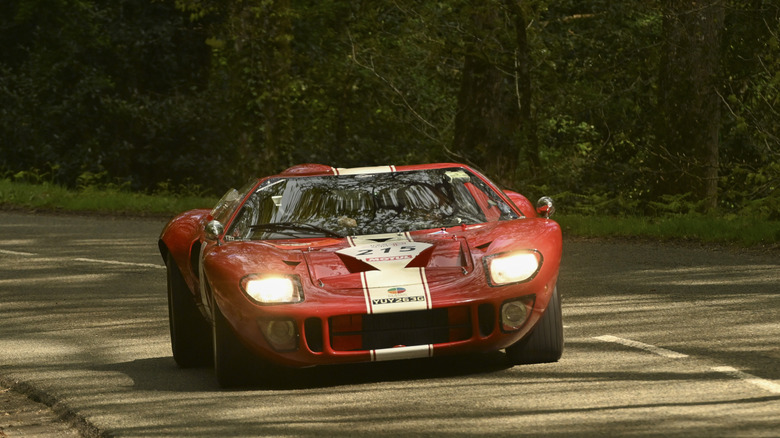
Ford’s involvement in motorsports, including NASCAR, World Rally Championship, and Le Mans, has enhanced its reputation for performance and innovation. The legendary GT40’s victory over Ferrari at Le Mans in the 1960s is a testament to Ford’s competitive spirit (Le Mans).
Philanthropy And Community Engagement
The Ford Foundation is one of the world’s largest private foundations, funding initiatives in education, social justice, and economic development. Ford’s community engagement extends to disaster relief, scholarships, and support for veterans.
Cultural Representation
Ford vehicles are celebrated in art, music, and literature. The Mustang, for example, is an enduring symbol of freedom and rebellion. Ford’s influence permeates everything from Route 66 nostalgia to modern sustainability movements.
Real-world Example: Ford And Social Change
In the 1960s, Ford was among the first major automakers to actively recruit women and minority workers, reflecting a broader commitment to diversity and inclusion. Today, Ford continues to invest in workforce development and equal opportunity programs (Ford Social Impact).
Frequently Asked Questions
What Is The Official Meaning Of The Ford Name?
The official meaning of “Ford” is simply the surname of founder Henry Ford. It does not stand for any acronym or phrase. The company has never officially used alternate meanings or expansions of the name.
Are Any Of The Popular Ford Acronyms Used By The Company?
No, acronyms like “Found On Road Dead” or “First On Race Day” are not used or endorsed by Ford. These are often jokes or playful rivalries among car enthusiasts and have no official connection to the brand.
What Values Does Ford Stand For Today?
Today, Ford stands for innovation, quality, reliability, accessibility, and sustainability. The brand is focused on providing advanced mobility solutions, investing in electric vehicles, and maintaining a strong commitment to customer satisfaction and social responsibility.
How Has Ford Influenced The Automotive Industry?
Ford has profoundly influenced the automotive industry through mass production techniques, affordable vehicles, safety innovations, and a global approach to mobility. The assembly line, in particular, revolutionized not only car manufacturing but also industrial production worldwide (Wikipedia).
What Is Ford’s Strategy For The Future?
Ford’s future strategy centers on electrification, digital services, sustainable practices, and global market adaptation. The company aims to be a leader in electric vehicles, connected technology, and inclusive mobility, ensuring its relevance for generations to come (Ford Media).
Ford’s legacy is more than a name; it’s a testament to progress, resilience, and the enduring power of innovation. As the company continues to adapt and lead in a rapidly changing world, the meaning behind the Ford name grows ever richer, symbolizing not just a storied past, but a bold vision for the future of mobility.
Products related to this article
Sponsored / affiliate links. As an Amazon Associate I earn from qualifying purchases. I may earn additional commission from eligible campaigns.