Can Am Outlander Wheel Bolt Pattern (Complete Guide)
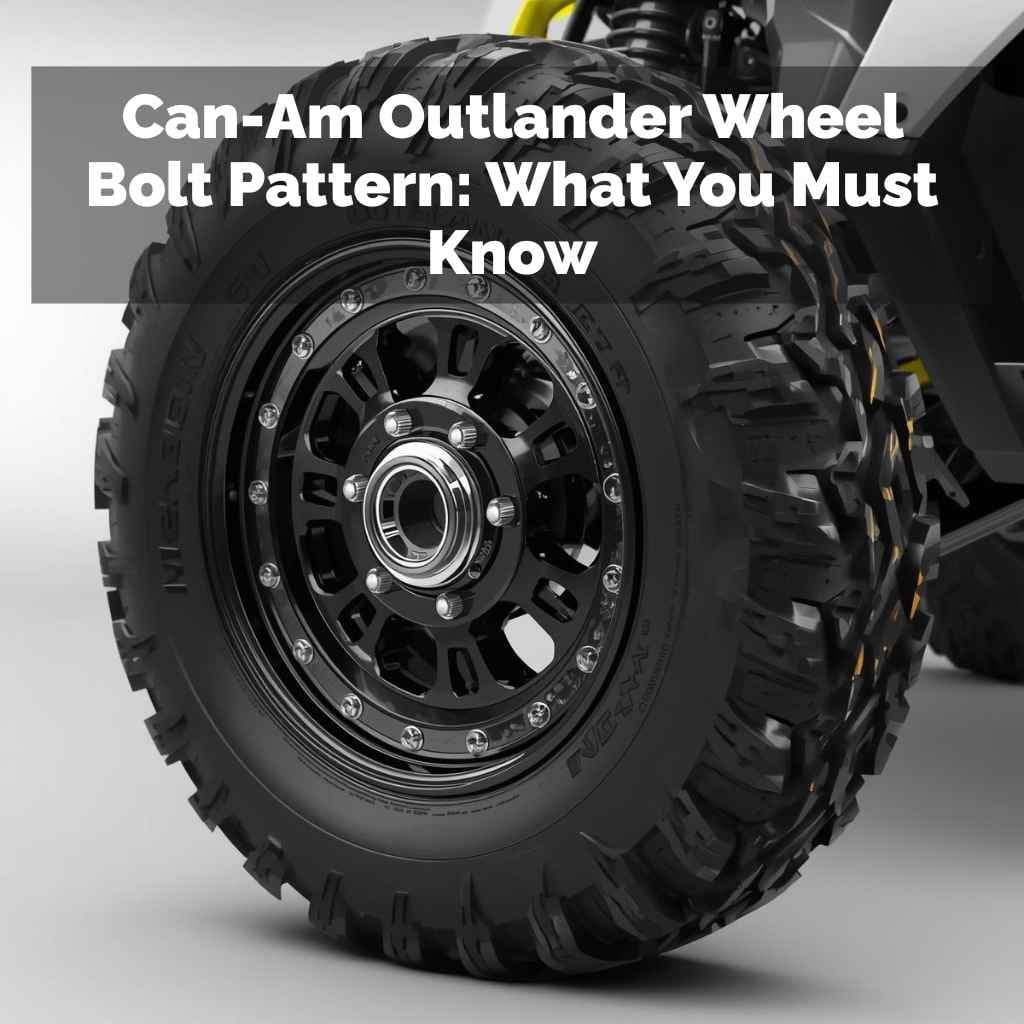
The Can-Am Outlander wheel bolt pattern is most commonly 4/137. This means it has four lug holes, and the diameter of the circle those holes make is 137 millimeters. Understanding this, along with offset and lug nut size, ensures your new wheels fit correctly and safely.
Understanding Your Can-Am Outlander Wheel Bolt Pattern
Every wheel needs to connect to your vehicle’s hub. This connection happens through lug bolts or studs and lug nuts. The “bolt pattern” is how we describe the arrangement of these holes on a wheel. It tells us how many holes there are and how far apart they are. For the Can-Am Outlander, this pattern is pretty standard for most models.
What is a Bolt Pattern?
A bolt pattern is a set of numbers. The first number tells you how many lug holes are on the wheel. The second number tells you the diameter of the circle these holes form. We measure this circle in millimeters (mm) or inches.
The Common Can-Am Outlander Pattern: 4/137
Most Can-Am Outlander ATVs use a 4/137 bolt pattern. This means:
4: There are four lug holes.
137: The diameter of the circle that connects the center of these four holes is 137 millimeters.
This is a crucial piece of information. If you try to put a wheel with a different bolt pattern on your Outlander, it simply won’t fit. The holes won’t line up with the studs on your hub.
Why is the Bolt Pattern So Important?
Safety and performance depend on the right fit. A wheel that doesn’t have the correct bolt pattern can wobble. It might even come loose while you’re riding. This is dangerous. Getting the bolt pattern right means the wheel is centered properly. It also means the load is distributed evenly across the studs.
Checking Your Current Wheels
If you’re still unsure, you can often find the bolt pattern printed on the inside of your current wheels. Sometimes it’s stamped directly onto the metal. You can also measure it yourself. Measure from the center of one stud hole to the center of the hole directly across from it. Then, multiply that measurement by two. This gives you the diameter of the bolt circle. For a 4-lug pattern, measure from the center of one stud hole to the center of an adjacent stud hole. Then, multiply that by 1.155. This number should be close to 137mm.
Beyond Bolt Pattern: Offset and Lug Nuts
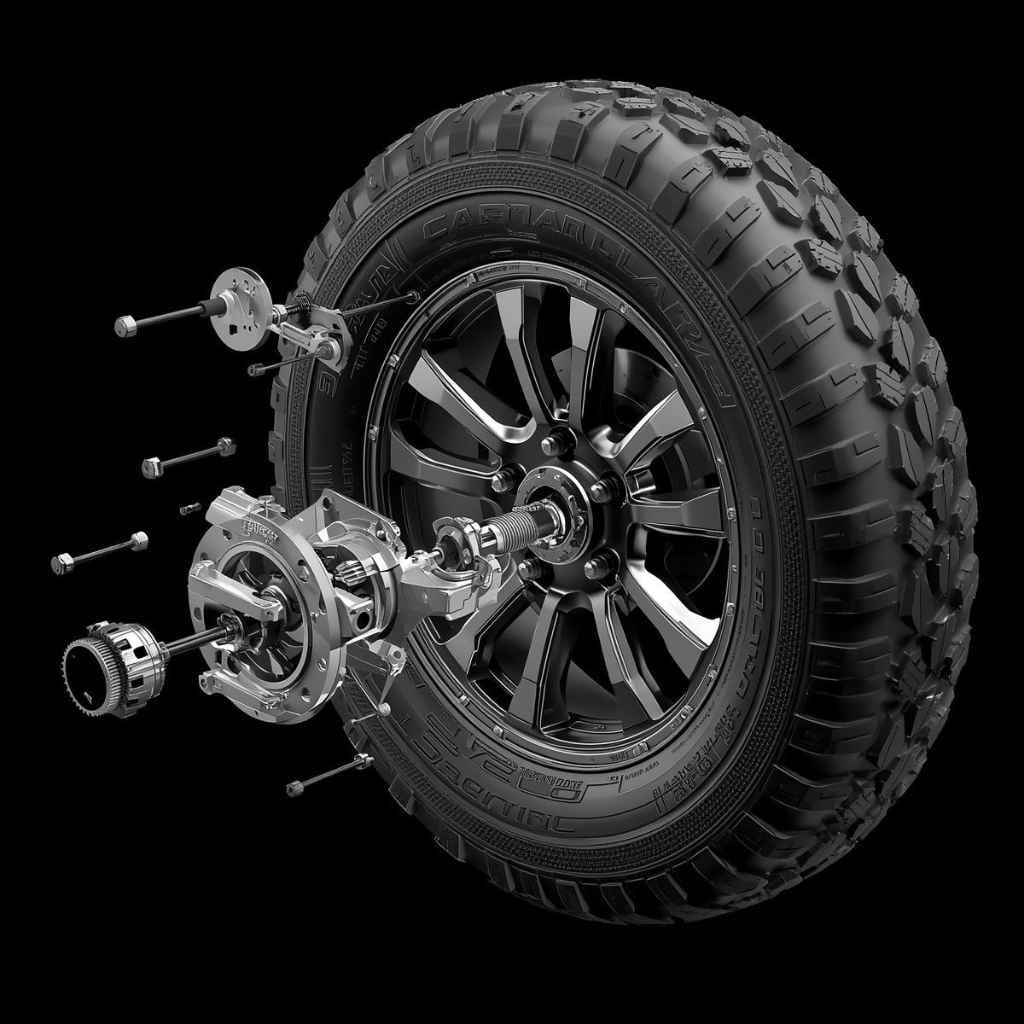
Just knowing the bolt pattern isn’t always enough. Two other important things affect wheel fit: offset and lug nuts. These details matter just as much as the bolt pattern itself.
What is Wheel Offset?
Offset refers to how the wheel mounts to the hub. It’s the distance between the wheel’s mounting surface and the centerline of the wheel.
Positive Offset: The mounting surface is closer to the outside of the wheel. This pushes the wheel inward toward the vehicle’s suspension.
Negative Offset: The mounting surface is closer to the inside of the wheel. This pushes the wheel outward, away from the vehicle.
Zero Offset: The mounting surface is exactly at the centerline of the wheel.
Most ATVs, including the Can-Am Outlander, typically use a positive offset. The specific offset for your Outlander model is important. Using the wrong offset can cause the tire to rub against suspension parts or the fender. It can also affect handling.
Why Does Offset Matter for your Outlander?
Getting the offset right is key for a few reasons. It ensures there’s enough clearance between your new wheels and the fenders. It also makes sure the tires don’t rub on the brake calipers or suspension components. A wheel that sticks out too far can cause issues with steering. It might also increase the chance of debris being thrown up onto the body of your ATV.
How to Find the Correct Offset
Your ATV’s owner’s manual is the best place to start. It will list the recommended wheel offset for your specific Outlander model. You can also look up wheel and tire specifications for your year and model online. Many aftermarket wheel manufacturers will also provide fitment guides. They’ll tell you which of their wheels fit your Outlander.
Quick Offset Check
Positive Offset (Common for Outlander):
- Helps keep tires tucked in.
- Reduces tire rub on fenders.
- Often around +0mm to +10mm for many ATVs.
Negative Offset (Less Common for ATVs):
- Pushes wheels outward.
- Can cause tire rub on bodywork.
- May affect steering feel.
Lug Nuts: The Small but Mighty Connectors
Lug nuts are what hold the wheel onto the studs. They come in different shapes and sizes. The most common types for ATVs are:
Conical (Acorn) Lug Nuts: These have a tapered end that fits into a matching recess in the wheel. This is the most common type for aftermarket ATV wheels.
Ball Seat Lug Nuts: These have a rounded end that fits into a rounded seat in the wheel. This is less common for ATVs but used on some vehicles.
Flat Seat Lug Nuts: These have a flat end and usually use a washer. This is very rare on ATVs.
Choosing the Right Lug Nuts
The shape of the lug nut must match the seat in your wheel. For aftermarket wheels designed for ATVs, conical lug nuts are almost always the right choice. You also need to match the thread size. The studs on your Outlander have a specific thread pitch. The lug nuts must have the same thread. Common thread sizes for Can-Am ATVs include M10x1.25 or M12x1.5.
Experiencing Lug Nut Issues
I remember a time when a friend swapped wheels on his utility ATV. He reused his old lug nuts. They looked similar, but the taper was slightly different. The wheel seemed to tighten up okay. But after a few bumpy rides, one of the studs actually snapped! The wheel wobbled, and he had to get it towed. It was a hard lesson: the lug nuts matter. Always make sure they match both the wheel and your vehicle’s studs.
Common Tire Sizes for the Can-Am Outlander
While we’re talking about wheels, it’s good to know about tire sizes too. Tires and wheels work together. The tire size is listed as a series of numbers. For example, a common Outlander tire size might be 26x10R-12. Let’s break that down:
26: This is the overall diameter of the tire in inches.
10: This is the width of the tire in inches.
R: This means the tire is radial.
12: This is the diameter of the wheel the tire fits on, in inches.
Matching Tires to Wheels
The wheel diameter (the last number) must match your new wheels. If you buy 12-inch wheels, you need 12-inch tires. If you buy 14-inch wheels, you need 14-inch tires.
Adjusting Tire Size
You can sometimes fit slightly larger or smaller tires. This depends on your ATV’s suspension and fender clearance. Going up in tire size can give you more ground clearance. But it can also put more stress on your engine and drivetrain. Going down in size might make it feel a bit zippier but reduce ground clearance.
Common Tire Size Factors
Diameter: Affects ground clearance and top speed.
- Larger diameter = more ground clearance, slower acceleration.
- Smaller diameter = less ground clearance, quicker acceleration.
Width: Affects traction and handling.
- Wider tires = more grip on soft surfaces.
- Narrower tires = better handling in mud/rutted conditions.
Tire Type: Mud, trail, sand, all-terrain.
- Choose based on where you ride most.
Can-Am Outlander Wheel Fitment: What to Look For
When you’re ready to buy wheels, you need to make sure they are designed to fit your Can-Am Outlander. This means checking a few key things.
1. Bolt Pattern
As we’ve discussed, this is the most important factor. Confirm your Outlander is a 4/137.
2. Offset
Ensure the offset is correct for your model. Most aftermarket wheels for Outlanders will be designed with the right offset. But it’s always good to double-check. A common recommended offset for many Outlander models is around +0mm to +10mm.
3. Wheel Diameter
This must match the tires you want to run. Common diameters for Outlander wheels are 12-inch and 14-inch. Some larger models might use 15-inch.
4. Hub Bore Size
The hub bore is the hole in the center of the wheel. It needs to be the same size as your ATV’s hub. If the wheel’s hub bore is larger, you can use hub-centric rings. These rings fill the gap and help center the wheel perfectly.
Hub-Centric Rings Explained
Imagine a funnel. The hub bore of the wheel is the wide opening. Your ATV’s hub is the narrow spout. A hub-centric ring is like a short adapter. It fits snugly into the wheel’s hub bore. Its outer edge then fits perfectly onto your ATV’s hub. This ensures the wheel is perfectly centered. Without it, even with the right bolt pattern, the wheel might not spin true. This can lead to vibrations and uneven wear.
5. Lug Nut Type and Thread Size
Confirm the wheels come with the correct lug nuts, or that you know what to buy. For aftermarket wheels, it’s usually conical. Make sure the thread size matches your Outlander’s studs.
Popular Wheel Brands and Materials
Many companies make great wheels for Can-Am Outlanders. These wheels are often made from strong, lightweight materials.
Aluminum Alloy Wheels
These are very popular. They offer a good balance of strength, weight, and cost. Many stylish designs are available in aluminum alloy. They are also resistant to corrosion.
Steel Wheels
Steel wheels are typically stronger and cheaper than alloy. However, they are also heavier. For ATVs, especially those used for utility or heavy work, steel wheels can be a durable option. They are less prone to cracking than alloy wheels if you hit a really hard obstacle.
Popular Brands to Consider
ITP: Known for high-quality wheels and tires for off-road vehicles.
STI: Offers a wide range of durable and stylish ATV wheels.
KMC: A well-respected name in wheels, with options for ATVs.
Super ATV: Many of their products are designed to work perfectly with Can-Am ATVs.
Always check reviews and specifications for the specific wheel model you are interested in.
Wheel Material Pros & Cons
Aluminum Alloy:
- Pros: Lightweight, stylish designs, good corrosion resistance.
- Cons: Can be more expensive, may crack under extreme impact.
Steel:
- Pros: Very strong, durable, less expensive, less prone to cracking.
- Cons: Heavy, can rust if not protected, limited design options.
Common Issues and How to Avoid Them
Buying new wheels can seem straightforward, but small mistakes can cause big problems. Here are some common issues and how to sidestep them.
Issue 1: Wrong Bolt Pattern
This is the most fundamental error. Always confirm your vehicle’s bolt pattern. For the Outlander, it’s almost always 4/137.
Issue 2: Incorrect Offset
Wheels that are too far in or out can cause rubbing and handling problems. Check the recommended offset for your Outlander model.
Issue 3: Mismatched Lug Nuts
Using the wrong lug nuts can lead to loose wheels and damaged studs. Ensure they match the wheel’s seat and your vehicle’s thread size.
Issue 4: Tire Rubbing
This can happen with larger tires or incorrect offset. Always check for clearance, especially when the suspension is compressed.
Testing for Tire Rub
After installing new wheels and tires, it’s smart to do a quick test. With the ATV on the ground, turn the handlebars fully left and right. Listen for any rubbing sounds. Then, try to compress the suspension gently. You can do this by sitting on the ATV or pushing down on it. Check all around the tire for any signs of contact with the fender, suspension, or bodywork.
Issue 5: Vibrations
Vibrations can occur if the wheel isn’t centered correctly (hub bore mismatch) or if the wheel/tire balance is off.
Balancing Wheels
Tire shops often balance wheels and tires. This process adds small weights to the wheel to ensure it spins evenly. While not always done for ATV wheels, it can significantly improve ride quality, especially at higher speeds.
Can-Am Outlander Bolt Pattern Variations?
While 4/137 is the standard for the Outlander, it’s always wise to be aware. Are there any exceptions?
For the vast majority of Can-Am Outlander models produced over the years, the 4/137 bolt pattern is consistent. This includes popular lines like the Outlander 450, 500, 570, 650, 800, 850, and 1000. This standardization is great for consumers, as it means a wider range of aftermarket wheels will fit.
However, it’s crucial to remember that very specialized or older, discontinued models could theoretically use a different pattern. Always, always, always confirm with your owner’s manual or by physically checking your existing wheels if you own a rare or very old machine. The risk of assuming is too great.
What about other Can-Am vehicles? For instance, some side-by-side models like the Maverick or Commander might use different bolt patterns, often larger ones like 4/156. This reinforces the need to know the specific bolt pattern for the vehicle you’re working on.
Real-World Scenarios: Choosing Wheels for Different Needs
The best wheels for your Outlander depend on how you use it. Here are a few scenarios:
Scenario 1: The Trail Rider
Needs: Durability, good traction on varied terrain, ability to handle bumps.
Wheel Choice: Strong aluminum alloy wheels in a 12-inch or 14-inch diameter. An offset that keeps the tires tucked in a bit helps avoid fender rub on tight trails. Tire choice would be an all-terrain or aggressive trail tire.
Bolt Pattern: 4/137 is a must.
Scenario 2: The Mud Enthusiast
Needs: Maximum ground clearance, wheels that can handle heavy mud, strong construction.
Wheel Choice: Often larger diameter wheels (14-inch or 15-inch) to accommodate taller, wider mud tires. Steel wheels can be a good choice here for their toughness against rocks and debris hidden in mud. Offset might be chosen to push the wheel out slightly for better mud throwing, but careful clearance checks are vital.
Bolt Pattern: 4/137 is essential.
Scenario 3: The Utility/Workhorse Rider
Needs: Maximum durability, puncture resistance, ability to carry loads.
Wheel Choice: Tough steel wheels are often preferred for their resilience. A slightly smaller diameter (12-inch) might be chosen to allow for taller sidewall tires, which absorb impacts better and offer more comfort. Offset should be standard to avoid handling issues when carrying heavy loads.
Bolt Pattern: 4/137.
What This Means for You: Simple Checks
When you’re looking at new wheels for your Can-Am Outlander, here’s what you need to do:
Confirm Your ATV’s Bolt Pattern: This is non-negotiable. It’s 4/137 for most Outlanders.
Check Recommended Offset: Your owner’s manual or a reputable dealer can tell you the ideal range.
Know Your Tire Size: Make sure the wheel diameter matches your desired tire size.
Verify Lug Nut Compatibility: Always use the correct type and thread size.
Read Reviews: See what other Outlander owners say about specific wheels.
Quick Tips for Buying Wheels
Buy a full set: Always replace all four wheels at once.
Consider the warranty: Good warranties show manufacturer confidence.
Ask for help: If you’re unsure, contact the wheel manufacturer or a trusted ATV shop.
Don’t forget lug nuts: They are a separate purchase sometimes.
Factor in tire installation: Some places offer package deals for wheels and tires.
Frequently Asked Questions
What is the bolt pattern for a Can-Am Outlander 850?
The Can-Am Outlander 850 uses a 4/137 bolt pattern. This means it has four lug holes arranged in a circle that measures 137 millimeters in diameter.
Can I use wheels from a different ATV on my Can-Am Outlander?
Only if the bolt pattern, offset, and hub bore are identical or compatible (with adapters). The most common bolt pattern for the Outlander is 4/137, but other ATVs might use different patterns like 4/110, 4/115, 4/136, or 4/156. Always verify compatibility before purchasing.
What does a 4/137 bolt pattern mean?
A 4/137 bolt pattern means the wheel has four lug holes, and the diameter of the circle formed by the center of these holes is 137 millimeters. This is standard for most Can-Am Outlander models.
How do I know if a wheel will fit my Can-Am Outlander?
You need to match the bolt pattern (4/137 for most Outlanders), check the wheel’s offset, ensure the wheel diameter matches your tire size, and confirm the hub bore size (or use hub-centric rings). Always check your ATV’s owner’s manual for specific fitment information.
Are wheel offset and backspacing the same thing?
No, offset and backspacing are related but different measurements. Offset is the distance from the wheel’s mounting surface to its centerline. Backspacing is the distance from the wheel’s mounting surface to the back edge of the wheel.
Both are important for fitment but measure different aspects.
What thread size are the lug nuts for a Can-Am Outlander?
Common thread sizes for Can-Am Outlander ATVs include M10x1.25 or M12x1.5. It’s best to confirm the exact thread size for your specific model year with your owner’s manual or by inspecting your existing lug nuts and studs.
Final Thoughts
Upgrading your Can-Am Outlander’s wheels is a great way to personalize it and improve its performance. The key to a successful upgrade is getting the fitment right. By understanding the 4/137 bolt pattern, offset, and lug nut requirements, you can confidently choose wheels that will not only look great but also perform safely and reliably on any terrain you tackle. Happy riding!
See also can i go through a carwash with a cracked windshield . See also can hitting a curb damage a wheel bearing real answer.