Engine Components That Wear Out First in Everyday Cars
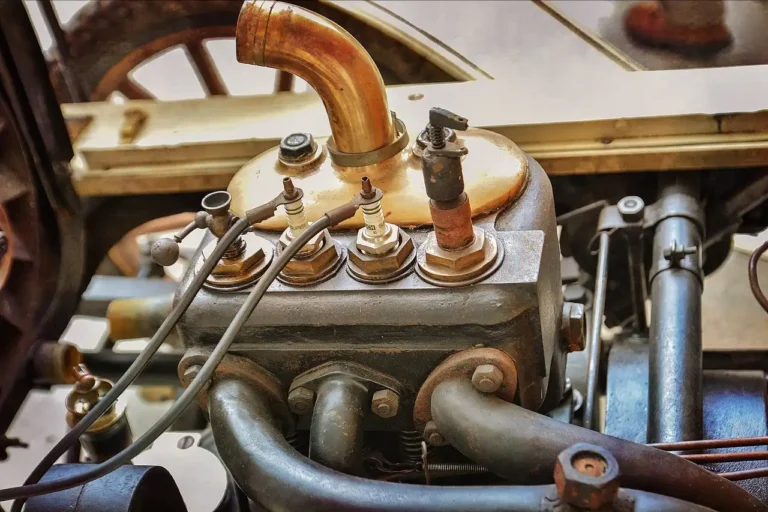
In everyday cars, spark plugs can be among the first engine parts to wear out, especially on vehicles with shorter-life plug schedules, along with ignition coils, PCV valves, air filters, belt-driven accessories, and later timing-chain or timing-belt components. Let early wear slide, and a cheap fix can turn into misfires, overheating, oil burning, or a top-end engine rebuild. This guide outlines common wear patterns, gives the earliest owner-observable clue for each, and shows the next part they can damage.
What fails first in daily driving?


Daily driving wears parts in a set pattern. Heat cycles, rubbing surfaces, engine shake, and dirt slowly change how they fit, seal, and fire. The first trouble usually shows up in ignition, airflow, and belt-driven accessories because those parts see repeated heat and load. Mileage matters, but short trips and age can matter sooner.
Mileage wear versus age wear
Parts that move wear by use. Spark plugs erode, belt surfaces glaze, and filters load with dirt. Parts that depend on rubber or seals can fail from age even with gentle driving, especially if they sit through many heat cycles. For that reason, a low-mileage car can still need hoses, belts, or mounts before a high-mileage commuter does.
City trips, short trips, and dusty roads
Stop-start city use is hard on spark plugs, serpentine belts, engine oil, and accessory drives because the engine rarely settles into steady operation. Short trips also leave moisture and fuel dilution in the oil longer than highway driving. Dusty roads push the air filter earlier than normal and can also shorten sensor life through contamination.
Early clues you can notice before a fault code
The first clues are often plain: rough idle, hesitation, squeal, reduced mileage, vibration, or a hotter-running engine. A check engine light may come later. A sensor can drift before it fails hard, but many drivers first notice a subtle change in throttle response, idle quality, or fuel use.
Engine wear triage table
Use this table to sort what to inspect first. It starts with the parts most likely to show up in ordinary daily driving, then moves toward age-related rubber failure and slower sensor drift. “Inspect now” means check at the next hood-open opportunity; “wait” means track it at the next scheduled service if no symptoms are present and the vehicle is still within its recommended maintenance interval.
| Part | Typical wear trigger | Earliest symptom | Likely secondary damage | Inspect now vs. wait |
|---|---|---|---|---|
| Spark plugs | Heat cycles, electrode wear, fuel fouling | Rough idle, hesitation, misfire, reduced mileage | Ignition coils, catalytic converter from repeated misfire | Inspect now if idle feels rough; wait only if maintenance is due and symptoms are absent |
| Engine air filter | Dust load from normal or dusty driving | Reduced airflow, sluggish response, lower efficiency | Airflow sensor contamination, richer fueling, dirt ingestion if ignored badly enough | Inspect now after dusty use; wait until scheduled service if clean and symptoms are absent |
| Engine oil | Heat, oxidation, fuel dilution, long intervals | Louder operation, slower revving, oil darkening | Cam wear, lifter wear, bearing wear | Inspect now at every oil service; do not wait if oil level or condition is questionable |
| Oil filter | Normal dirt loading between oil changes | Oil pressure noise or longer top-end noise after start-up | Accelerated engine wear from contaminated oil | Inspect now during oil service; replace with the oil |
| Serpentine belt | Heat, glazing, cracking, stretch, contamination | Squeal, chirp, visible cracks, charging warning | Alternator loss, weak cooling support, battery drain | Inspect now at each hood check; do not wait if squeal or fraying appears |
| Water pump | Bearing wear, seal wear, belt-driven load | Coolant seepage, noise, rising temperature | Overheating, head-gasket damage, belt contamination | Inspect now if there is seepage or noise; wait only if dry and quiet |
| Radiator, heater, and bypass hoses | Heat, age, hardening, cracking | Damp spots, swelling, cracks, coolant smell | Overheating, coolant loss, steam-related damage | Inspect now on older cars and before trips; do not wait if any cracking or soft spots appear |
| Timing belt | Age and mileage wear | Often none before failure; sometimes noise or seepage near covers | Engine damage if the belt breaks on an interference engine | Inspect now when service is due; do not wait past schedule |
| Engine mounts | Age, heat, fluid loss, cracking | Vibration, clunk on shift, engine movement | Stress on exhaust, hoses, and driveline joints | Inspect now if vibration changes; wait only if symptoms are mild and stable |
| Sensors | Heat and contamination over time | Subtle fuel-use change, hesitation, odd idle, delayed codes | Converter stress, poor running, hard starting | Inspect now if drivability changes; wait if no symptoms and no codes |
Spark plugs, air filter, and oil
Spark plugs, the engine air filter, engine oil, and the oil filter are the first maintenance items that often show up as everyday drivability problems. Plugs wear at the ignition tip, the air filter loads with dust, and oil loses its protective film with heat and age. The oil filter matters because dirty oil keeps circulating if it cannot trap contaminants well.
Why these parts show up early
Spark plugs are ignition components, so wear shows up as weak combustion before the engine outright stops running well. The air filter traps dust and grit before the combustion chamber; when it clogs, airflow and efficiency drop. Oil lubricates moving parts, and the oil filter removes dirt from that oil. As either one loses function, wear spreads inside the engine.
Owner-visible symptoms and next-step damage
Worn spark plugs often cause rough idle, hesitation, misfire, and reduced mileage. Ignored misfires can stress ignition coils and overheat the catalytic converter. A clogged air filter usually makes the engine feel flat and less responsive. Old or dirty oil can add noise and speed wear on valvetrain and bearings.
Say your compact car starts shuddering at a stoplight after a rainy week of short errands. If the check engine light stays off, the first stop is still the plugs and air intake, not the transmission. A rough idle under light load often points to ignition or airflow before it points to a major mechanical fault.
What the schedule tells you
Service intervals vary by vehicle for spark plugs, so you should follow the maintenance schedule for the exact engine. Oil and the oil filter belong with regular oil service, not as separate mystery items. The air filter may need earlier attention in dusty use, even if the car is otherwise healthy.
Belts, hoses, and the water pump
Belts, hoses, and the water pump fail differently from plugs and filters. A belt can crack, glaze, stretch, or squeal. Hoses can harden, split, or leak. The water pump can leak at the seal or grow noisy at the bearing. These parts matter because they can stop charging, cooling, or both in a short time.
Crack, squeal, leak, and heat clues
The serpentine belt or accessory drive belt drives the alternator and other accessories. A squeal on start-up or with steering and electrical load is an early clue. Radiator, heater, and bypass hoses are rubber coolant lines; cracking, swelling, or damp ends point to age or heat damage. A water pump that drips or growls should be treated as a cooling-system warning, not a minor seep.
Why belt-driven failures spread fast
When a belt loses grip or breaks, the alternator may stop charging and the engine may lose accessory support. If the water pump is belt-driven, overheating can follow quickly. Hose failure can dump coolant and turn a minor leak into an overheat event. Timing belt failure is worse: on many engines it can destroy the engine.
Suppose a sedan starts chirping for ten seconds on cold starts, then the same week the temperature gauge climbs in slow traffic. That combination points to more than one wear item worth checking together: belt condition, coolant leaks, and pump noise. Separating those checks can save time and avoid a tow.
Trip-stopping risks to watch
Timing-belt replacement intervals vary widely by engine, and many are much longer than 50,000 miles or 7 years. Radiator, heater, and bypass hoses can age out before they fail by mileage alone, and some engine components may show age-related wear by 10 years or 100,000 miles depending on the vehicle. Any rubber part deserves close attention if it shows cracking, soft spots, or leakage. These are planning points, not guarantees, but they are useful for trip prep.
Which parts age from heat alone?
Some parts wear out even when you drive gently. Heat ages rubber, dries seals, and changes fluids. Sensors can drift because of contamination and repeated temperature swings. Engine mounts can harden or lose fluid. Those changes are often slower than plug wear, but they can still alter how the car feels and sounds.
Rubber hardening and fluid loss
Hoses and mounts are the classic age-related failures. Rubber coolant hoses can crack from heat and time. Engine mounts may harden, crack, or leak fluid if they are hydraulic. Age-related wear can also show up in the serpentine belt, which loses flexibility and grip. Rubber parts deserve close attention as they get older, even if mileage is modest.
Sensors that drift before they fail
Examples include the oxygen sensor, airflow sensor, and temperature sensor. They can drift because of heat and contamination, and the change may be gradual. That can mean subtle fuel-use loss, hesitation, or odd shifting behavior before a clear code appears. Not every sensor goes bad this way, so the clue is a change in how the engine behaves, not a guess.
Mounts that change how the car feels
Engine mounts are rubber or hydraulic isolators. When they wear, the engine can move more at idle and under load, which feels like extra vibration or a clunk during shifts. Mount wear usually does not break the engine by itself, but it can stress hoses, exhaust joints, and nearby brackets if ignored long enough.
When wear turns into engine damage
Wear becomes expensive when one bad part starts hurting another. Misfires can damage the catalytic converter. Overheating can warp parts and ruin gaskets. Dirt in oil can speed internal wear. If you know the chain reaction, you can stop it early instead of waiting for a second repair.
Misfire and fuel-use changes
When spark plugs wear, combustion quality drops first. The driver notices rough idle, hesitation, or reduced mileage before the engine stops running altogether. Continued misfire can overheat the catalytic converter and place extra load on ignition coils. That is why plugs belong near the top of any wear checklist for everyday cars.
Overheating chain reactions
Cooling-system wear spreads fast. A leaking hose, failing water pump, or slipping belt can raise temperature, and high temperature can damage gaskets and other soft parts. If the temperature gauge rises or coolant smell appears, do not treat it as a small annoyance. Overheating is one of the fastest ways to turn a small leak into a major repair.
Parts that can damage other parts
The parts most likely to cause follow-on damage are spark plugs, the timing belt, the serpentine belt, hoses, and the water pump. Sensors can push fuel trims and drivability in the wrong direction, but they usually cause slower, subtler harm. Oil and the oil filter matter because dirty or degraded oil affects many moving parts at once.
What engine parts should you inspect before a long road trip?
Before a long trip, inspect the parts that can strand you or cause cascading damage: belts, hoses, coolant level, oil level, spark plug service status, and any active warning light. Pay special attention to signs of cracking, seepage, squeal, vibration, or low fluid. If a part is already borderline, a trip is not the time to gamble.
- Check oil level and look for fresh leaks.
- Inspect the serpentine belt for cracks, glaze, or fraying.
- Look at radiator, heater, and bypass hoses for swelling, cracks, or wet spots.
- Listen for belt noise, pump noise, rough idle, or hesitation at start-up.
- Confirm the timing belt service status if your engine uses one.
- Replace a weak battery-related item or sensor only if it is already causing symptoms or codes.
Frequently asked questions
What engine parts wear out first on a daily driver?
Spark plugs can show up early in everyday driving, especially on vehicles with shorter-life plug schedules, followed by air filters, belt-driven accessories, and then age-sensitive rubber parts. Oil and the oil filter are service items, not surprise failures, but they still matter because poor oil control speeds wear across the engine. Daily use makes the weak links appear sooner.
How can I tell if my car has normal wear or a bigger engine problem?
Normal wear usually shows as a slow change: slightly rougher idle, a small mileage drop, more noise, or a minor squeal. A bigger problem is more abrupt, such as a flashing warning light, overheating, strong vibration, smoke, or repeated misfires. If the symptom changes quickly, inspect now rather than waiting.
What are the first signs of worn spark plugs, belts, or hoses?
Worn spark plugs often cause rough idle, hesitation, misfire, and reduced mileage. Belts usually announce themselves with squeal, chirp, cracking, or glazing. Hoses show age through swelling, soft spots, cracks, or coolant smell. The first clue is usually visible or audible before it becomes a breakdown.
Which engine components fail from age even if I drive gently?
Rubber parts are the main age failures: radiator, heater, and bypass hoses, engine mounts, and belts. Timing belts are also age-based, not just mileage-based. Sensors can drift from heat and contamination over time as well. Gentle driving helps, but it does not stop rubber from hardening or seals from losing flexibility.
How long do common engine parts usually last in an everyday car?
There is no single life figure for every vehicle. Timing belts have a defined replacement schedule, and some hoses can fail by mileage or age depending on the vehicle, while other engine components can fail by 10 years or 100,000 miles. For plugs, belts, mounts, and sensors, the exact service life depends on the engine, materials, and duty cycle.
Can worn engine parts cause rough idle, misfires, or overheating?
Yes. Worn spark plugs and some sensor faults can cause rough idle and misfires. A clogged air filter can dull response and fuel economy. Belt, hose, or water pump problems can lead to overheating. These symptoms are often the first owner-visible clue, so they deserve quick inspection before secondary damage starts.
Products related to this article
Sponsored / affiliate links. As an Amazon Associate I earn from qualifying purchases. I may earn additional commission from eligible campaigns.