Can You Use Car Engine Oil In A Scooter? Honest Answer
Why Scooter Oil is Different from Car Oil
Scooters and cars have very different engines. That’s the main reason their oils are not the same. Think of it like this: a car engine is separate from its transmission and clutch.
Most cars have a separate place for engine oil. They also have separate places for transmission fluid and brake fluid.

STP
STP Premium Synthetic Blend 4 Cycle Small…
- SAE 10W-30 MOTOR OIL FOR SMALL ENGINES: One 32 fl oz bottle of STP Premium Synthetic Blend 4 Cycle Small Engine Oil SAE 10W-30, fo…
- FIGHTS THERMAL BREAKDOWN: Antioxidants fight thermal breakdown to enhance oil durability, helping the SAE 10W-30 oil handle high t…
- PREVENTS BUILDUP: Detergents help keep small engine components clean and control carbon deposits, preventing buildup that can affe…
As an Amazon Associate I earn from qualifying purchases.
A scooter, however, is often more compact. Many scooters use what’s called a wet clutch system. This means the clutch plates are bathed in oil.
This oil needs to lubricate the engine parts AND help the clutch grip. It also helps cool the transmission components.
Car engine oil is made for engines only. It doesn’t have the special additives that allow a wet clutch to work properly. If you use car oil in a scooter with a wet clutch, the clutch can slip.
This makes the scooter lose power. It can also cause the clutch to wear out much faster. That means costly repairs.
The viscosity, or thickness, of the oil matters too. Scooters often run at higher engine speeds. They also tend to be air-cooled.
This means they can get hotter than car engines. The right oil needs to stay stable at these higher temperatures. It needs to protect the engine from wear.
So, while both are “oil,” their jobs and the environments they work in are very different. Using the wrong type can lead to serious problems. It’s always best to use the oil recommended by the scooter manufacturer.
They know what their engine needs most.
My Own Scooter Oil Scare
I remember this one time, about five years ago. I had my trusty little 150cc scooter. I rode it everywhere.
It was my main way to get around town. One Saturday morning, I noticed the oil light was flickering. My heart sank.
I knew I was low on oil.
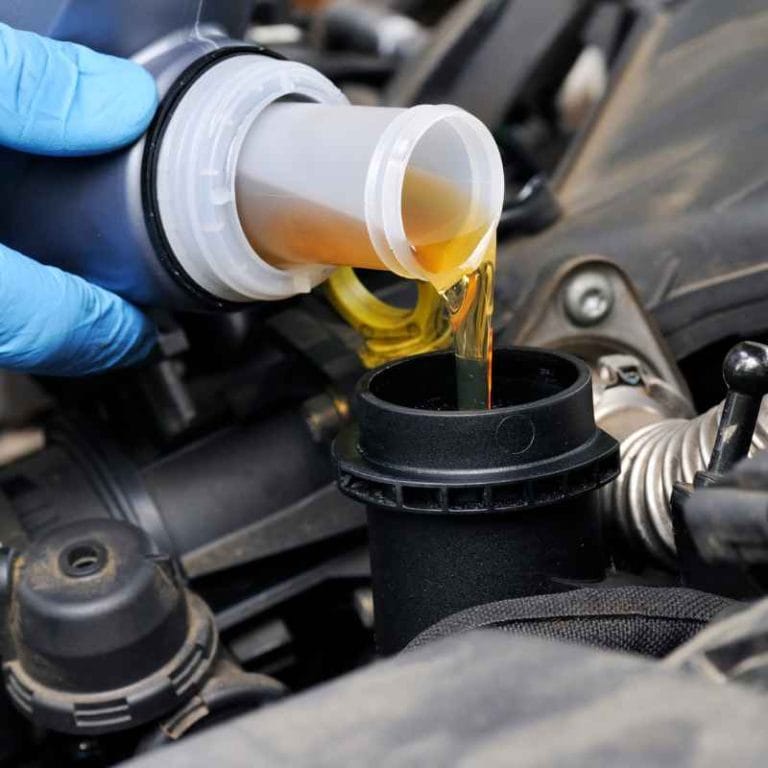
I looked in my garage. I had a nearly full jug of high-quality synthetic oil. It was for my car.
I thought, “It’s oil. It has to be okay, right?” I figured a little bit won’t hurt. I was in a hurry.
I needed to run errands. I unscrewed the cap and poured in maybe half a quart.
The scooter felt fine at first. I didn’t notice anything different. I drove to the grocery store.
Then I went to the hardware store. On the way home, I stopped at a red light. When the light turned green, I twisted the throttle.
The scooter just… sputtered. It didn’t move like it usually did. It felt weak.
Panic set in. Was I going to break down? I gently rode it the rest of the way home.
Once it was in the garage, I checked the oil again. It looked okay. But the performance was definitely off.
I started searching online, my stomach in knots. That’s when I found out about wet clutches.
I learned that the oil I had added was likely causing my clutch to slip. It didn’t have the right friction modifiers. It was made for a car, not a scooter.
I felt so foolish. I had ignored the advice I’d read before. I had put my scooter at risk just because I was lazy and in a hurry.
It was a stressful lesson.
Thankfully, I found out pretty quickly. I was able to drain all the oil. I then refilled it with the correct scooter-specific oil.
The scooter ran like new again. The lesson stuck with me. Now, I always double-check.
I use the exact oil my scooter manual says to use. It’s not worth the risk.
Key Differences at a Glance
What it is: Engine oil protects car engines. Scooter oil protects scooter engines and often their clutches/transmissions.
Additives: Car oil lacks specific additives for wet clutches. Scooter oil has them.
Viscosity: Scooter oil is often thinner. This helps with higher engine speeds and cooling.
Heat: Scooters can get hotter. Scooter oil needs to handle this heat better.
Result of Wrong Oil: Clutch slippage, engine wear, reduced performance, and costly repairs.
Understanding Scooter Oil Types
You’ll see different types of oil for scooters. They are usually labeled very clearly. The most important labels to look for are the JASO standards.
JASO stands for Japanese Automotive Standards Organization. They have different ratings for motorcycle and scooter oils.
The main ones you’ll see are JASO MA, JASO MA1, and JASO MA2. There’s also JASO MB.
JASO MA and JASO MA2 are for scooters with wet clutches. These oils have the right friction modifiers. They ensure the clutch engages properly.
MA2 is a higher performance standard than MA. It means the oil offers even better clutch performance and durability. Most modern scooters with wet clutches need MA or MA2 oil.
JASO MB is for scooters that do NOT have a wet clutch. These are often called “dry clutch” systems. They might be older models or some specific designs.
If your scooter has a dry clutch, it uses oil only for the engine. It doesn’t need the clutch-specific additives. JASO MB oil is usually thinner and designed for better fuel economy.
You also need to pay attention to the viscosity grade. This is the number you see like 10W-40 or 5W-30. The “W” stands for Winter.
The first number tells you how the oil flows when it’s cold. A lower number means it flows better in cold weather. The second number tells you how it flows when the engine is hot.
Your scooter’s owner’s manual will tell you exactly which JASO rating and viscosity grade to use. It might also specify if you need conventional, synthetic blend, or full synthetic oil. Full synthetic oils offer the best protection.
They can handle high temperatures and extreme conditions better. They also last longer between changes.
Never guess. Always check your manual. Using the wrong viscosity can lead to poor lubrication.
It can make your engine work harder. This wastes fuel and causes wear. It’s a small thing to check, but it makes a huge difference.
Quick Guide to JASO Standards
- JASO MA / MA2: For scooters with WET CLUTCHES. Ensures proper clutch grip. MA2 is the higher, more advanced standard.
- JASO MB: For scooters with DRY CLUTCHES. Designed for engine lubrication only, often with better fuel economy.
Always check your owner’s manual for the specific rating required for your scooter.
Common Scenarios Where Confusion Happens
It’s easy to get confused. Life is busy. Sometimes, you just need a quick fix.
Here are some situations where people might mistakenly think car oil is okay:
Scenario 1: The “Just a Little Bit” Mistake
You’re almost out of oil. The car is right there. You think, “I’ll just add a small amount.” This is a common mistake.
Even a little bit of the wrong oil can start to affect the clutch. It can mix with the good oil. Over time, this degrades the performance of the clutch.
It can be hard to tell when the damage starts.
Scenario 2: Online Advice Gone Wrong
You do a quick online search. Someone on a forum says, “Yeah, car oil is fine for scooters.” They might even say it’s “better” because it’s synthetic. This is dangerous advice.
Many forum users are not experts. They might have gotten lucky with a specific scooter model. Or they might not realize their clutch is actually slipping a bit.
Always trust the manufacturer’s recommendations.
Scenario 3: Misreading Labels
Sometimes, oil bottles look similar. You might grab the wrong one by accident. You think you’re buying scooter oil.
But you end up with car oil. Always read the label carefully. Look for the JASO rating and the recommended viscosity.
Make sure it says “For Motorcycles” or “For Scooters.”
Scenario 4: “It Worked Before” Thinking
Maybe a friend used car oil in their scooter years ago. And it seemed okay. This is not a reliable strategy.
Scooter technology changes. Engine designs change. What might have worked on an older, simpler scooter could be a disaster on a newer one.
Each scooter model has specific needs.
These scenarios highlight why it’s so important to be informed. It’s not about being overly cautious. It’s about protecting your investment.
Scooters are fun and practical. Keeping them running smoothly makes them even better.
Common User Mistakes to Avoid
Mistake: Adding a small amount of car oil.
Problem: Can still cause clutch slippage and damage.
Mistake: Trusting random online advice.
Problem: Incorrect information can lead to serious engine issues.
Mistake: Grabbing the wrong oil bottle by accident.
Problem: Using oil not designed for your scooter’s specific needs.
Mistake: Assuming older advice applies to newer models.
Problem: Newer scooters have different engineering and oil requirements.
The Impact on Scooter Performance and Longevity
Using the wrong oil isn’t just a minor inconvenience. It can significantly affect how your scooter performs and how long it lasts. Let’s break down what happens.
Clutch Slippage: This is the most immediate and noticeable problem. If you use car oil in a wet clutch, the clutch plates can’t grip each other as well. This means when you twist the throttle, the engine revs up, but the power doesn’t transfer to the wheels effectively.
Your scooter will feel sluggish. Acceleration will be slow. You might even hear the engine revving higher than usual without gaining speed.
Overheating: Scooter engines, especially air-cooled ones, can run hotter than car engines. Car oil isn’t formulated to withstand these sustained high temperatures as well. It can break down faster.
This means it loses its ability to lubricate properly. The engine parts don’t get the protection they need. This can lead to increased wear and tear.
Increased Engine Wear: When oil breaks down or isn’t the right viscosity, it can’t form a strong enough protective film between moving parts. This leads to metal-on-metal contact. Over time, this contact grinds away at your engine components.
Pistons, cylinders, and bearings can wear down much faster. This can result in reduced engine compression, loss of power, and eventually, catastrophic engine failure.
Transmission Damage: In many scooters, the engine oil also lubricates the transmission. If the oil is too thin or breaks down, it can’t protect the gears and bearings in the transmission. This can lead to premature wear or damage to these components as well.
Repairs for transmission issues can be very expensive.
Reduced Fuel Efficiency: When the engine isn’t lubricated properly, or the clutch is slipping, the engine has to work harder to maintain speed. This increased effort uses more fuel. So, you’ll notice your gas mileage dropping.
Voided Warranty: Using the wrong type of oil is often a violation of your scooter’s warranty. If something goes wrong and the manufacturer finds out you haven’t used the recommended fluids, they may refuse to cover the repair costs. This can leave you with a hefty bill for something that could have been avoided.
The takeaway here is clear: the right oil is essential for your scooter’s health. It’s not just about keeping the engine running; it’s about ensuring it runs efficiently and lasts for a long time. Investing in the correct scooter oil is a small cost compared to the potential repair bills and loss of performance.
Can You Use Car Engine Oil in a Scooter? The Expert Answer
So, to give you a direct, no-nonsense answer: No, you generally should not use car engine oil in a scooter.
This advice applies to the vast majority of scooters on the road today. Most modern scooters are equipped with wet clutch systems. These systems require oil with specific friction characteristics.
Car engine oils are designed for engines only. They do not have these necessary additives.
Using car oil in a scooter with a wet clutch can cause:
- Clutch Slippage: The clutch plates will not grip properly, leading to poor acceleration and loss of power.
- Premature Clutch Wear: The clutch will wear out much faster than it should, requiring early replacement.
- Transmission Issues: The wrong oil can also lead to faster wear and tear on the scooter’s transmission components.
- Engine Overheating: Car oil may not perform as well under the higher operating temperatures of a scooter engine.
Some older or very specific scooter models might have a dry clutch system. In those rare cases, an oil that does not contain wet clutch additives might be suitable. However, even then, car oil might not have the correct viscosity or other properties needed for that specific scooter engine.
The absolute best practice is to consult your scooter’s owner’s manual. It will specify the exact type of oil required, including the viscosity grade (e.g., 10W-40) and the JASO standard (e.g., JASO MA, MA1, or MA2 for wet clutches, or JASO MB for dry clutches).
Always use oil specifically formulated for motorcycles or scooters. These oils are tested and certified to meet the demanding requirements of these types of engines, ensuring proper lubrication, clutch engagement, and overall longevity.
Quick Verdict: Car Oil vs. Scooter Oil
Car Engine Oil in Scooter: Generally NO. It can cause serious clutch and engine problems.
Scooter-Specific Oil: ALWAYS YES. It’s designed for your scooter’s unique needs.
Key Factor: Wet clutch systems in most scooters are the main reason car oil is unsuitable.
Golden Rule: Check your owner’s manual for the precise oil requirements.
What If You Accidentally Used Car Oil?
Accidents happen. You might have already put car oil in your scooter. Don’t panic.
But don’t ignore it either. The sooner you address it, the better.
What to do immediately:
- Stop riding the scooter. Continuing to ride could worsen any damage.
- Drain the oil. You need to get all the incorrect oil out. Position a suitable drain pan under the oil drain plug. Remove the plug and let all the oil drain out. This might take a few minutes.
- Replace the oil filter. It’s a good idea to replace the oil filter at the same time. This ensures you remove any contaminants or degraded oil that might be trapped in the old filter.
- Refill with the correct oil. Refer to your owner’s manual. Use the exact viscosity and JASO standard recommended. Fill it to the proper level.
- Start the engine and let it idle. Listen for any unusual noises. Watch for any warning lights. Let it run for a few minutes.
- Check the oil level again. Make sure it’s at the correct mark on the dipstick or sight glass.
- Test ride gently. Take it for a short, gentle ride. Pay close attention to how the clutch engages and how the acceleration feels. If everything feels normal, that’s a good sign.
When to seek professional help:
- If you notice persistent clutch slippage after changing the oil.
- If the engine sounds noisy or rough.
- If the oil warning light comes back on.
- If you are unsure about any part of the process.
A mechanic can drain the oil, inspect the clutch plates for damage, and refill it with the correct fluid. They can also diagnose any other potential issues that might have arisen from using the wrong oil.
It’s always better to be safe than sorry. Taking immediate action can prevent much more expensive repairs down the line. Think of it as giving your scooter a quick, much-needed reset.
How to Choose the Right Scooter Oil
Choosing the right oil is crucial. It’s not complicated if you know what to look for. Here’s a simple guide.
1. Consult Your Owner’s Manual: This is your most important tool. Your scooter manufacturer knows their engine best.
The manual will tell you:
- The recommended viscosity grade (e.g., 10W-30, 5W-40).
- The required JASO standard (e.g., JASO MA, MA2, or MB).
- Whether they recommend conventional, synthetic blend, or full synthetic oil.
2. Understand the JASO Standards:
- JASO MA / MA2: For scooters with WET CLUTCHES. These oils have friction modifiers to ensure the clutch grips well. MA2 is the more advanced standard.
- JASO MB: For scooters with DRY CLUTCHES. These oils are typically thinner and designed for engine lubrication and fuel efficiency.
Never use JASO MB oil in a scooter that requires JASO MA or MA2.
3. Viscosity Grade Explained:
- The first number (e.g., 10W-30) refers to cold-temperature flow. Lower numbers are better in cold climates.
- The second number (e.g., 10W-30) refers to hot-temperature flow. Higher numbers offer more protection at high temperatures.
Your manual will state the correct grade for your local climate and riding conditions.
4. Synthetic vs. Conventional Oil:
- Conventional Oil: Basic protection, good for older engines or less demanding use. Needs more frequent changes.
- Synthetic Blend Oil: A mix of conventional and synthetic. Offers better protection than conventional.
- Full Synthetic Oil: The highest level of protection. More stable at extreme temperatures, lasts longer, and provides superior lubrication. Recommended for most modern scooters.
While synthetic oil is more expensive upfront, it can offer better protection and longer intervals between changes. This can sometimes make it more cost-effective in the long run.
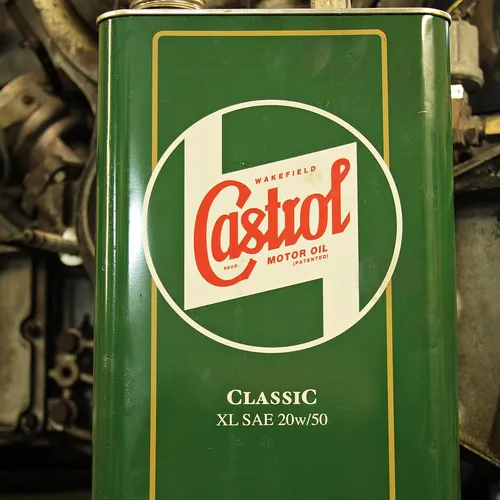
5. Look for Reputable Brands: Stick with well-known brands that specialize in motorcycle and scooter oils. Brands like Motul, Yamalube, Castrol, Mobil 1, and Valvoline often have lines specifically for powersports vehicles.
6. Buy the Right Amount: Your manual will also tell you the oil capacity of your scooter. Make sure you buy enough oil for a complete oil change, including any oil that might be lost during a filter replacement.
Taking these steps ensures your scooter gets the best possible lubrication and protection. It’s a small detail that makes a massive difference to your ride.
Real-World Consequences: A Friend’s Story
My friend, Sarah, rides a sporty 125cc scooter. She’s not super mechanically inclined but keeps it clean. One day, her scooter started feeling a bit sluggish.
She mentioned it to her neighbor, who happens to be a car mechanic.
The neighbor said, “Oh, you need oil? I’ve got plenty of this good synthetic stuff for my car. It’ll be fine for your scooter.” Sarah, trusting him, accepted the offer.
He even helped her pour it in. It was a 5W-30 synthetic oil. She thought she was getting a great upgrade.
For about two weeks, she didn’t notice much. Then, she started experiencing problems. When she’d try to accelerate from a stop sign, the engine would rev, but the scooter wouldn’t take off quickly.
It felt like it was slipping. She mentioned it again to the neighbor. He just shrugged and said, “Maybe it’s just getting old.”
Sarah didn’t believe him. She took it to a scooter shop. The mechanic immediately asked what oil she was using.
When she told him about the car oil, his face dropped. He explained that her scooter had a wet clutch, and the car oil was causing it to slip badly. He said the clutch plates were already showing signs of premature wear.
He had to drain the car oil and flush the engine. Then, he refilled it with the correct JASO MA2 10W-40 scooter oil. He also recommended replacing the clutch plates sooner rather than later, warning that they might not last as long now.
The repair bill was several hundred dollars. Sarah was upset, not just about the cost, but because she felt misled. She learned a very hard lesson: car oil is not for scooters.
Sarah’s Experience: A Cautionary Tale
Scooter: 125cc Sporty Model (Wet Clutch)
Mistake: Used neighbor’s 5W-30 synthetic car oil.
Initial Symptom: Sluggish acceleration, engine revving without moving.
Neighbor’s Advice: “Just getting old.”
Mechanic’s Diagnosis: Car oil caused wet clutch slippage and premature wear.
Outcome: Oil flush, correct scooter oil, potential need for clutch replacement, several hundred dollar repair bill.
Lesson Learned: Always use manufacturer-recommended scooter oil.
Frequent Questions About Scooter Oil
Can I use the same oil for my scooter and my motorcycle?
Often, yes! Many motorcycle oils are also suitable for scooters, especially if both have wet clutch systems and require the same JASO standard (like MA or MA2) and viscosity. However, always check the owner’s manual for both your scooter and your motorcycle to confirm compatibility.
Some very small scooters might have different requirements than larger motorcycles.
How often should I change the oil in my scooter?
This depends on your scooter’s make and model, the type of oil you use, and how you ride. Most owner’s manuals will recommend an oil change interval, often between 2,000 and 4,000 miles (or every 6-12 months, whichever comes first). Full synthetic oils may allow for longer intervals.
What does “viscosity” mean for scooter oil?
Viscosity refers to how thick or thin the oil is. It’s shown by numbers like 10W-30. The ‘W’ stands for Winter.
The first number shows how well the oil flows when cold. The second number shows how it flows when hot. Your scooter needs the right viscosity to lubricate properly in different temperatures.
Is synthetic scooter oil really better than conventional?
Yes, generally. Synthetic oils are engineered for superior performance. They resist breaking down at high temperatures better than conventional oils.
They also offer better lubrication and can last longer between changes. For most modern scooters, especially those ridden frequently or in demanding conditions, synthetic is worth the extra cost.
My scooter has a separate transmission oil, does that matter?
It can! Many scooters share engine oil for the engine and the transmission/clutch. However, some larger scooters or specific models might have separate oil reservoirs for the engine and the transmission or final drive.
Always check your owner’s manual. If your scooter has separate oils, you must use the correct type for each system.
What happens if I use a thicker or thinner oil than recommended?
Using oil that is too thick can make it harder for the engine to circulate, especially when cold. This can lead to poor lubrication and increased wear. Using oil that is too thin might not provide enough protection at high temperatures or under heavy load, leading to overheating and increased wear.
Final Thoughts on Scooter Oil Choices
Keeping your scooter happy and healthy doesn’t have to be a mystery. The biggest takeaway? Car engine oil is not for your scooter. It’s a critical distinction.
Your scooter’s engine, and especially its clutch, needs specialized protection.
Always refer to your owner’s manual. It holds the key to selecting the correct oil. Pay attention to the JASO rating and viscosity.
Making the right choice ensures your scooter runs smoothly, efficiently, and for many miles to come. Protect your ride!
Related pick: Check today's price on Amazon
Products related to this article
Sponsored / affiliate links. As an Amazon Associate I earn from qualifying purchases. I may earn additional commission from eligible campaigns.