How Much To Fix A Transmission Control Module? Cost Guide
Dealing with car trouble is never fun. When your transmission starts acting up, it can feel like your whole world stops. You might notice strange shifts, warning lights, or even complete failure. It’s easy to feel stressed about the cost to fix it.
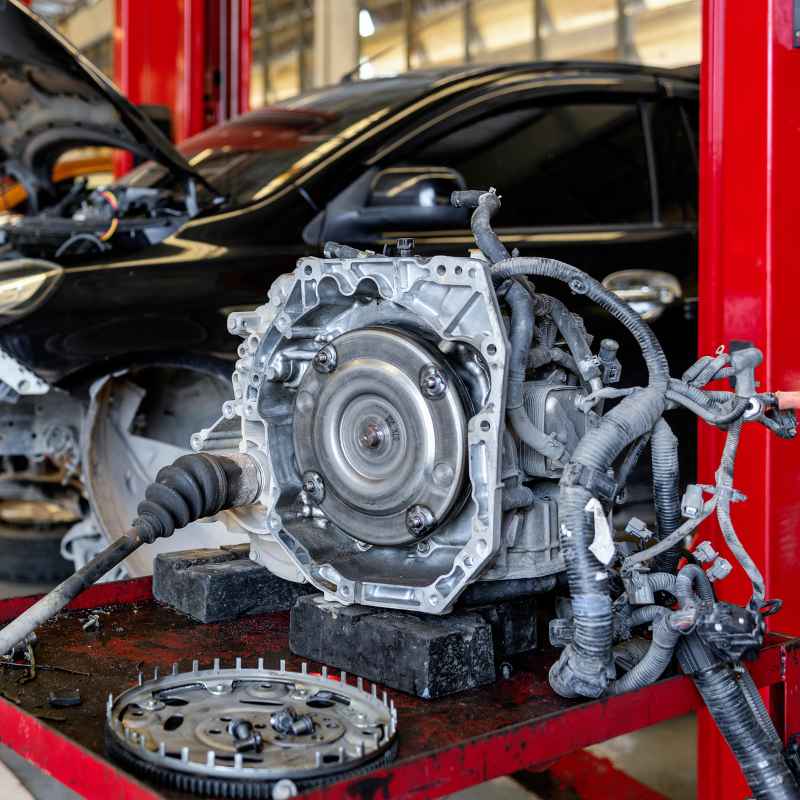
The transmission control module, or TCM, is a key part. When it’s not working right, your car’s transmission can’t shift gears properly. This guide will break down what a TCM does and what it might cost to repair or replace it. We’ll make it simple so you can understand your options.
A transmission control module (TCM) manages your car’s automatic transmission. If it fails, you might see shifting problems or a warning light. Repair or replacement costs can vary, but understanding the symptoms and typical prices helps. Costs often range from a few hundred to over a thousand dollars.
What is a Transmission Control Module (TCM)?
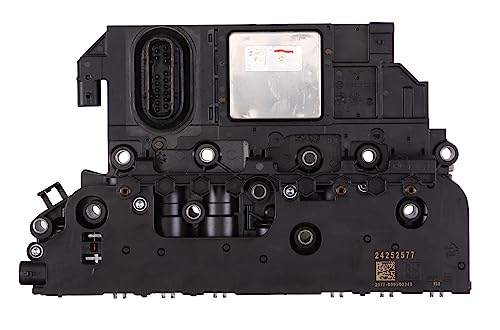
Think of your car’s TCM as the brain for its automatic transmission. It’s a small computer. This computer gets signals from many sensors around your car. These sensors tell it about your speed, engine load, and how hard you’re pressing the gas pedal.
Based on this info, the TCM tells the transmission when to shift gears. It decides the perfect time for upshifts and downshifts. This makes your ride smooth. It also helps your engine run well and saves fuel.
The TCM works with other car computers. The main one is the engine control module (ECM) or powertrain control module (PCM). They share data to manage the whole engine and transmission system. If the TCM has a problem, your transmission can’t do its job correctly.
Why Do Transmission Control Modules Fail?
Several things can cause a TCM to go bad. One common reason is heat. Transmissions get hot during use. This heat can damage the electronic parts inside the TCM over time. Your TCM might be located near the transmission, where it’s hottest.
Water or moisture is another enemy. If your car gets flooded, or if there’s a leak, water can get into the TCM. This can cause corrosion and short circuits. These are very hard to fix and often mean a new module.
Electrical issues can also play a role. A failing battery or a bad alternator can send bad power to the TCM. This can overload its sensitive circuits. Sometimes, simple age just wears out the components. Like any computer, they don’t last forever.
Symptoms of a Failing TCM
When your TCM starts to fail, you’ll notice some clear signs. The most common is a transmission warning light on your dashboard. It might look like a gear with an exclamation mark. Or it could just say “Transmission” or “Service Transmission.”
You might also feel the transmission shift oddly. It could slip out of gear. Gears might engage with a hard jolt. Sometimes, the transmission might get stuck in one gear. This is often called “limp mode” or “fail-safe mode.” Your car will drive slowly to prevent more damage.
Other symptoms include delayed shifting. You might press the gas, and it takes a long time for the car to shift. Or it might shift at the wrong times. Some drivers report a burning smell. This could be from the transmission overheating due to incorrect shifting.
Common TCM Failure Signs
- Transmission Warning Light: This is a key indicator.
- Harsh Shifting: Gears engage roughly.
- Slipping Gears: Car loses power or shifts unexpectedly.
- Stuck in Limp Mode: Car limits speed and gear selection.
- Delayed Shifting: Slow response when changing gears.
- Burning Smell: Often from overheating transmission parts.
Can a TCM Be Repaired?
In some cases, a TCM can be repaired. This depends on what went wrong. If there’s a loose connection or a minor electrical fault, a skilled mechanic might fix it. They can check for bad solder joints or corroded pins.
However, many TCM failures are internal. The computer chips inside might fail. Or there could be damage from heat or moisture. These kinds of problems are very hard to fix. They often require replacing the entire module.
Repairing a TCM is not always cheaper than replacing it. Specialized electronic repair shops might offer this service. But you need to find one you trust. A failed repair can lead to more costs down the road. It’s often safer to go with a new or remanufactured unit.
How Much Does it Cost to Fix a TCM?
The cost to fix or
Where you get the repair done matters too. Dealerships are often the most expensive. Independent mechanics might offer lower labor rates. The cost of the TCM part itself can range from $200 to $1,000 or more. Labor costs can add another $100 to $500, depending on how long it takes.
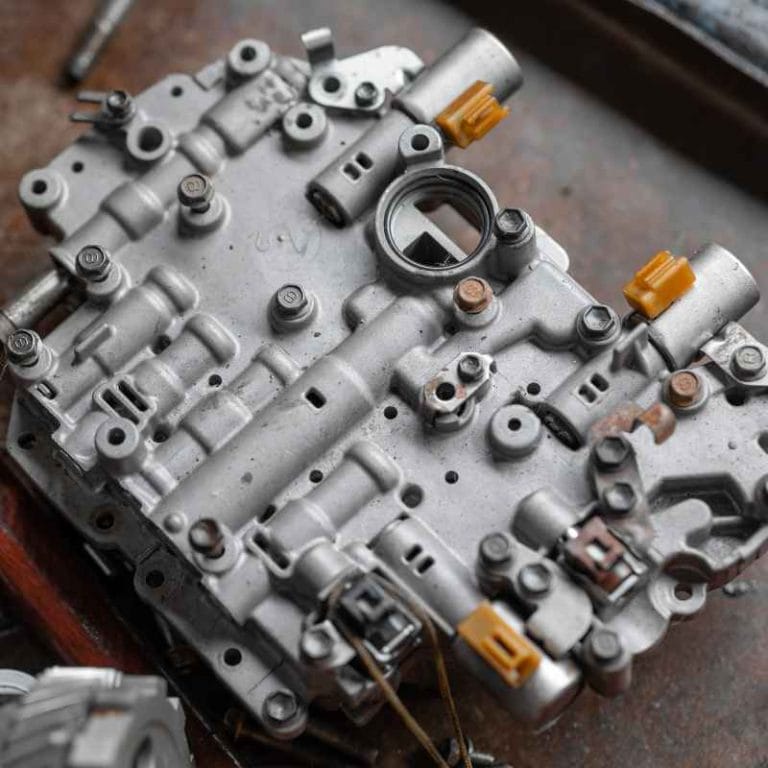
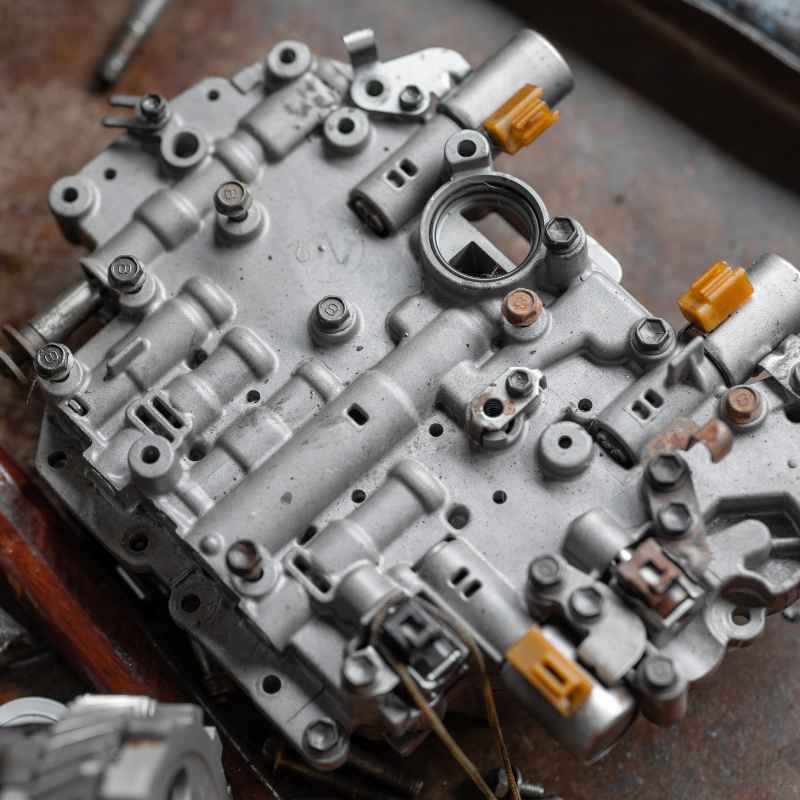
Some cars have the TCM built into the transmission valve body. In these cases, you might need to replace the whole valve body. This can significantly increase the cost. This job often involves dropping the transmission pan, which is more labor-intensive.
Average TCM Repair Costs
- Part Cost: $200 – $1,000+
- Labor Cost: $100 – $500+
- Total Repair (TCM Replacement): $300 – $1,500+
- TCM Integrated into Valve Body: Costs can be much higher ($1,000 – $3,000+).
Cost Breakdown: Part vs. Labor
Let’s look closer at the costs. The part itself is usually the biggest expense. A brand-new TCM from a dealership can be pricey. Aftermarket parts might be cheaper but sometimes lack the same quality.
Remanufactured or rebuilt TCMs are a good middle ground. They are tested and come with a warranty. They are usually less expensive than new ones. You can often find these for $200 to $600.
Labor is the other part of the bill. A mechanic needs time to diagnose the problem. They will confirm the TCM is the issue. Then, they need to access and replace the module. This can take 1 to 3 hours. The mechanic’s hourly rate will affect this cost.
Cost Elements Explained
Part: The TCM unit itself. New, aftermarket, or remanufactured options exist.
Labor: Time spent by the technician to diagnose and replace the part.
Diagnostics: Initial fees to pinpoint the exact cause of the transmission issue.
Programming/Adaptation: Some new TCMs need to be programmed to your car’s specific systems. This adds to labor time and cost.
Factors Influencing the Price
The exact cost depends on your car’s year, make, and model. For example, a TCM for a common sedan might be less than one for a heavy-duty truck or a sports car.
The location where you live can also impact prices. Labor rates vary by region. Some areas have higher costs of living, leading to higher shop rates.
What kind of TCM you choose matters. A genuine OEM (Original Equipment Manufacturer) part from the car dealer will cost more. An aftermarket part from a reputable brand can save you money. A remanufactured part is often the best balance of cost and reliability.
Key Price Influencers
Vehicle Make & Model: Popular vs. Luxury vs. Performance.
Part Type: New OEM, Aftermarket, Remanufactured.
Shop Labor Rates: Dealership vs. Independent Mechanic.
Geographic Location: Cost of living in your area.
Integrated vs. Separate TCM: Some TCMs are part of other modules.
My Own TCM Scare
I remember one time, about five years ago, my old sedan started acting weird. I was driving home from a friend’s place, late on a Tuesday night. The streetlights were the only things lighting the road. Suddenly, my car felt sluggish. It was like trying to pull a heavy weight.
Then, the transmission warning light flashed on. My heart sank. I’d heard stories about expensive transmission repairs. I pulled over to the side of the road, feeling a knot of panic in my stomach. The car wouldn’t shift out of what felt like second gear. I could hear the engine revving, but I was barely moving.
I called a tow truck. The next morning, the mechanic called me. He said the diagnostic scan pointed to the TCM. He explained that it was a common issue for that car model. He gave me an estimate for a remanufactured TCM and labor. It wasn’t cheap, but it was less than a whole new transmission. I breathed a sigh of relief and gave him the go-ahead. The car ran fine after that, but it was a stressful few days.
When is it More Than Just the TCM?
It’s important to know that a failing TCM can sometimes be a symptom of a bigger problem. If the TCM fails because of internal transmission damage or low transmission fluid, fixing only the TCM won’t solve the issue.
A good mechanic will do a thorough diagnostic. They will check the transmission fluid level and condition. They will also look for any internal mechanical issues. If there’s burned fluid or metal shavings, it means the transmission itself might be failing.
Sometimes, other sensors can send bad signals to the TCM. This can make it seem like the TCM is faulty when it’s actually another sensor. That’s why a proper diagnosis is crucial. You don’t want to pay for a new TCM if the real problem is something else.
Beyond the TCM: Other Transmission Issues
Low Transmission Fluid: Can cause overheating and transmission damage.
Internal Wear: Worn clutches, gears, or seals within the transmission.
Faulty Sensors: Speed sensors, solenoid issues that affect TCM performance.
Wiring Harness Problems: Damaged wires can prevent correct signals from reaching the TCM.
Torque Converter Issues: Problems with this component can affect shifting.
Can You Drive With a Bad TCM?
Driving with a known bad TCM is generally not recommended. As I experienced, the car will likely enter “limp mode.” This mode restricts your speed and gear selection. It’s designed to protect the transmission from further damage.
If your car doesn’t go into limp mode and continues to shift poorly, you risk causing serious damage to the transmission. This damage can be very expensive to repair, often much more than replacing the TCM itself.
The safety aspect is also important. If your transmission fails to shift correctly, especially at higher speeds or in traffic, it can be dangerous. It’s best to stop driving and get it towed to a mechanic as soon as possible.
What to Expect at the Repair Shop
When you take your car in, the mechanic will start with a diagnostic scan. They use a special tool to read error codes from your car’s computer. This tool can tell them if the TCM has any active fault codes.
They will likely perform a road test. This helps them feel how the transmission is behaving. They will compare what they feel with the codes they found. They may also check the transmission fluid level and condition.
If the codes and symptoms strongly point to the TCM, they will give you an estimate. This estimate will include the cost of the part and the labor. They should explain their findings clearly. It’s okay to ask questions.
Repair Shop Process
1. Initial Inspection: Listen to your description of the problem.
2. Diagnostic Scan: Read trouble codes from the TCM and other modules.
3. Road Test: Drive the car to observe shifting and performance.
4. Fluid Check: Inspect transmission fluid for level and quality.
5. Part Recommendation: Suggest new, remanufactured, or aftermarket TCM.
6. Estimate: Provide a written quote for parts and labor.
Choosing the Right Replacement Part
When it’s time to replace the TCM, you have a few choices. New OEM TCMs are made by the car manufacturer. They are usually the most expensive but offer the highest guarantee of fit and function.
Aftermarket TCMs are made by other companies. They are often cheaper than OEM. You need to choose a reputable brand known for quality. Not all aftermarket parts are created equal.
Remanufactured TCMs are a great option. They are used modules that have been taken apart, cleaned, repaired, and tested. They often come with a good warranty. This can save you a lot of money compared to a new OEM part.
Replacement Part Options
New OEM: Highest cost, guaranteed fit and function, full warranty.
Aftermarket: Lower cost, quality varies by brand, check reviews.
Remanufactured: Good balance of cost and quality, tested, typically with a warranty.
DIY vs. Professional Installation
Replacing a TCM can be a DIY job for some people. However, it’s not for everyone. The TCM is often located in a tricky spot. Accessing it might require removing other parts.
In many cars, the TCM is inside the transmission housing. This means the transmission fluid needs to be drained. The transmission pan has to be removed. This is messy work and requires careful handling to avoid damage.
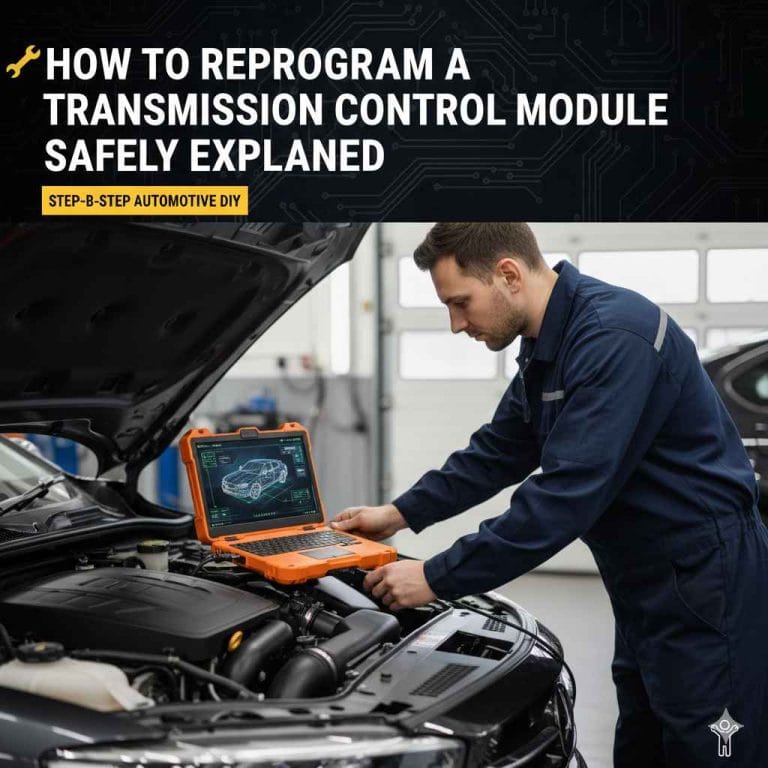
After installing a new TCM, many vehicles require reprogramming. This is done with a special scanner. The mechanic loads the correct software for your car into the new module. Without this step, the new TCM won’t work, or the transmission won’t shift correctly. For most people, professional installation is the safer and more reliable choice.
Understanding the Programming Step
The programming or adaptation process is really important. A new TCM needs to learn about your specific car. It needs to know the engine type, tire size, and other vehicle parameters.
Mechanics use advanced diagnostic tools for this. They connect the tool to your car’s OBD-II port. Then, they run a program to set up the TCM. This process can take anywhere from 30 minutes to over an hour.
Some shops might charge extra for this. Make sure to ask if programming is included in the estimate. If the TCM isn’t programmed correctly, you could face the same shifting problems as before. Or worse, the transmission might not engage at all.
Preventing TCM Issues
While you can’t always prevent a TCM from failing, you can take steps to protect it. Regular maintenance is key. This includes checking your transmission fluid. Make sure it’s at the correct level and doesn’t look dirty or burnt.
Avoid driving through deep water if possible. This helps prevent moisture from getting into electrical components. Also, address any electrical problems with your car promptly. A stable power supply is good for all electronic modules.
If you notice any early signs of transmission trouble, like odd noises or rough shifts, get it checked out. Addressing small issues early can prevent them from turning into bigger, more expensive problems, potentially saving your TCM.
Tips to Protect Your TCM
- Regular Fluid Checks: Ensure transmission fluid is clean and at the right level.
- Address Leaks Promptly: Fix any transmission fluid leaks.
- Avoid Deep Water: Protect electronics from moisture.
- Maintain Battery Health: Ensure a stable electrical supply.
- Prompt Repairs: Fix minor transmission issues before they worsen.
When to Worry About Transmission Costs
It’s normal to feel worried when your mechanic gives you a large estimate. If the TCM is the only issue, the cost is usually manageable, maybe $300 to $1,500. But if the diagnosis reveals internal transmission damage, that’s when costs can skyrocket.
Replacing a whole transmission can cost anywhere from $2,000 to $7,000 or more. This includes parts and labor. It’s crucial to get a clear diagnosis. You need to understand if the problem is just the TCM or the entire transmission.
Ask your mechanic to explain their findings in simple terms. Don’t be afraid to get a second opinion if the estimate seems very high, especially if it involves a complete transmission overhaul. This ensures you’re making the right decision for your car and your wallet.
Quick Checks You Can Do
Before rushing to the mechanic, there are a few simple checks you can do. First, check your dashboard for any warning lights. Note exactly what the light looks like or says.
Listen for unusual noises. Does the car make clunking, grinding, or whining sounds when shifting? Try to notice when these sounds happen.
If your car is safe to drive, check the transmission fluid. Refer to your car’s owner’s manual for the correct procedure. Low or dirty fluid can cause many transmission issues, sometimes mistaken for TCM problems.
Simple Car Checks
Warning Lights: Identify any illuminated icons on the dashboard.
Strange Sounds: Listen for unusual noises during acceleration or shifting.
Shifting Feel: Notice if shifts are rough, delayed, or slipping.
Transmission Fluid: Check level and color (if accessible and safe).
FAQs About TCM Costs
Here are some common questions people have about TCM costs:
Is a TCM covered by a car’s warranty?
It depends on the warranty. Powertrain warranties often cover transmission components. However, coverage can vary. Check your specific warranty details. Most standard warranties last for 3 years or 36,000 miles. Extended warranties might offer more coverage.
How long does it take to replace a TCM?
Replacing a TCM typically takes 1 to 3 hours. This includes diagnostic time. However, if programming is needed, it can add more time. Complex vehicle designs might also increase labor time.
What is the cheapest way to fix a TCM?
The cheapest option might be to find a used TCM from a salvage yard. However, these parts come with no warranty and can fail quickly. A remanufactured TCM with a warranty usually offers the best balance of cost and reliability for a cheaper repair.
Can I just ignore a transmission warning light?
No, you should not ignore a transmission warning light. It indicates a problem that could worsen over time. Ignoring it can lead to more serious and expensive damage to your transmission. Get it checked by a professional as soon as possible.
Does the TCM need to be programmed to my specific car?
Yes, in most modern cars, a new or remanufactured TCM needs to be programmed or “adapted” to your vehicle’s specific computer system. This ensures it communicates correctly with other modules and the transmission operates properly.
What’s the difference between a TCM and a PCM/ECM?
A PCM (Powertrain Control Module) or ECM (Engine Control Module) manages the engine. In some cars, the PCM also controls the transmission, meaning there isn’t a separate TCM. In other cars, the TCM is a separate unit that works alongside the PCM/ECM to manage the transmission specifically.
Conclusion
Facing a transmission issue can be daunting, especially concerning costs. Understanding the role of the transmission control module (TCM) is a big step. Knowing the signs of failure and the typical repair expenses helps you prepare.
Remember, a TCM failure can range from a few hundred to over a thousand dollars. Always seek professional diagnosis to confirm the issue. Choosing the right parts and a trusted mechanic will help get you back on the road safely.
See also how much do transmissions cost full price breakdown 2026.
Products related to this article
Sponsored / affiliate links. As an Amazon Associate I earn from qualifying purchases. I may earn additional commission from eligible campaigns.