Can a Car Wash Cause Brake Trouble in Freezing Weather?
Yes. Brief squeaking or light scraping after a winter car wash is usually moisture or surface rust, and it often clears after a few gentle brake applications. Persistent dragging, a soft pedal, or a brake warning light points to a real fault. Ignore it, and frozen pads or a stuck parking brake can leave you stranded or damage parts. This guide shows how to tell normal post-wash noise from a brake freeze-up, sticking caliper, or parking brake problem.
Can a car wash cause brake trouble in freezing weather?
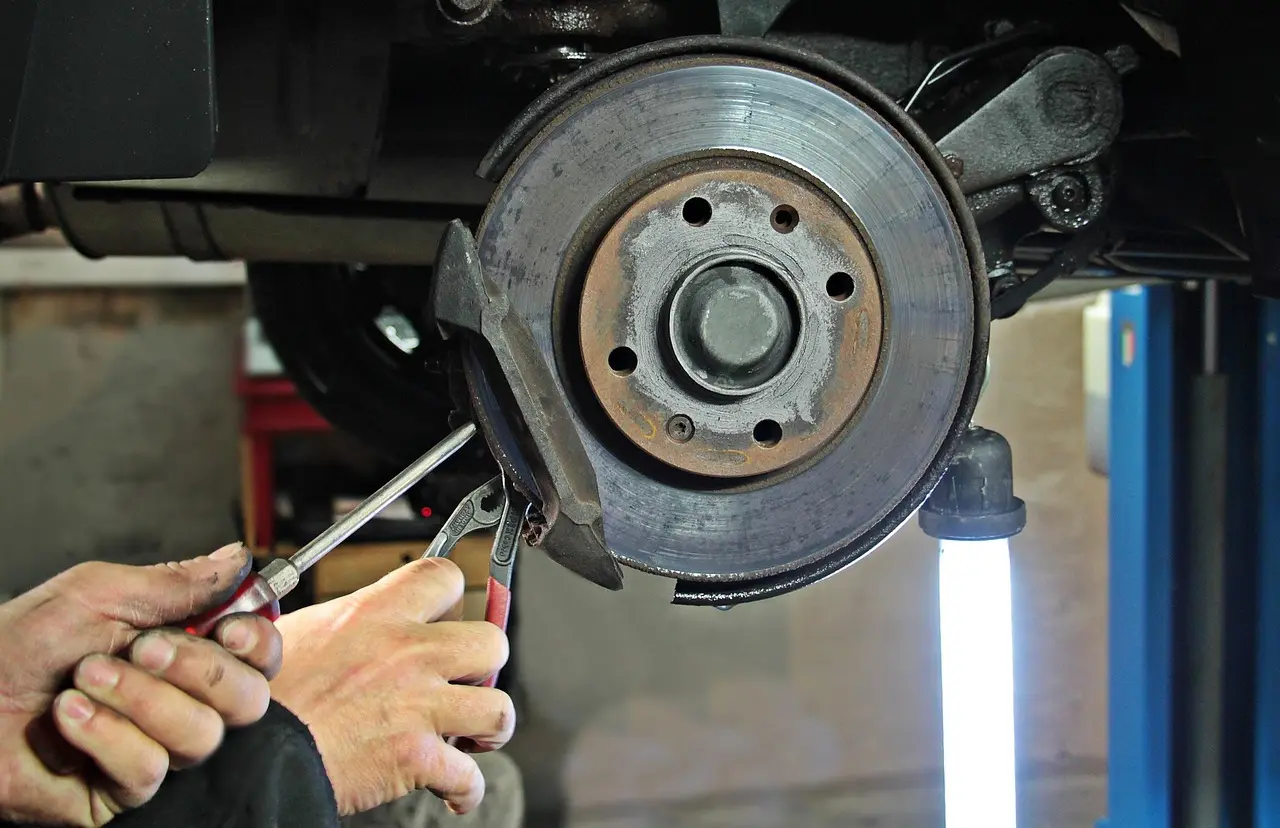
Yes. A winter wash can leave water on rotors, pads, calipers, and parking brake hardware, and freezing temperatures can turn that moisture into temporary drag or noise overnight. That is different from a true brake fault. The key is whether the symptom fades after a short drive or stays with one wheel, the pedal, or a warning light.
Brake symptom triage guide
| Symptom | Likely cause | Urgency | First check |
|---|---|---|---|
| Light squeal for the first few stops | Surface rust on rotors or moisture on pads | Low, if it fades quickly | Drive a short loop and use the brakes gently a few times |
| Brief grinding that disappears | Heavy rust film or wet debris on the rotor face | Moderate, if it stops fast | Check whether the noise is gone after several normal stops |
| One wheel drags or feels hot | Frozen parking brake, sticking caliper, or seized slide hardware | High | Stop and inspect that corner before driving farther |
| Pedal feels soft, spongy, or suddenly different | Brake fluid issue, trapped moisture, or hydraulic fault | High | Check fluid level and warning lights; do not assume it is only wash water |
| Parking brake will not release | Frozen cable, rear shoe hardware, or iced-in mechanism | High | Do not force the vehicle; inspect the rear brake and parking brake area |
| ABS or brake warning light | Brake system fault, sensor issue, or low fluid | High | Check the dashboard and brake fluid, then arrange inspection |
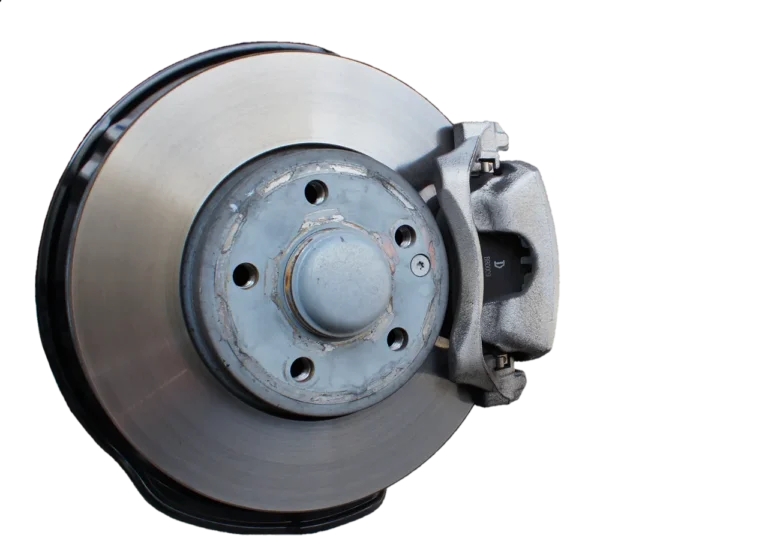
Surface rust is common because rain, slush, and road salt can corrode brake parts, and moisture buildup over winter can reduce braking effectiveness. Brake calipers can corrode or stick when exposed to winter moisture. Brake rotors can rust on the face first, then squeal until the pads clean them off.
If a car leaves a touchless wash in near-freezing weather and squeals for the first few stops before settling down, that can happen. That points to moisture and surface rust, not an immediate failure. Say the same car pulls to one side, and the rear wheel feels hotter than the others after a mile. That needs inspection, not more driving.
When the car is safe to drive
Use a short yes/no check. If the brake pedal feels normal, the car rolls freely, and the noise is light and fading, a short test drive is reasonable. If a wheel drags, the pedal changes, or a warning light appears, stop and inspect before driving farther. A frozen part can damage pads, rotors, or caliper hardware fast.
-
Check the first brake application.
Ease out of the parking spot and make one light stop. If the pedal is firm and the car stops straight, continue to the next check. A hard pull, a dead pedal, or a wheel that resists rolling is not normal after a wash. -
Listen for fade-out.
Apply the brakes several times at low speed. Light squeal or brief scraping should fade as the rotors dry and the rust film clears. If the sound stays steady after a few stops, treat it as a brake issue rather than a wash symptom. -
Check for heat and drag.
After a short drive, stop safely and look for one wheel that is much hotter than the others. One-wheel drag often points to a sticking caliper, a frozen rear brake, or a parking brake problem. That calls for inspection before another trip.
Why do my brakes squeak after a winter car wash?
Most often, the squeak is surface rust or moisture on the rotor face. Thin rust forms quickly after washing, especially in freezing temperatures, and the pads scrape it away during the first few stops. If the squeak disappears fast, that is usually normal. If it keeps going, check pad thickness and rotor condition.
Surface rust on rotors
Brake rotors can develop a light orange film as soon as water sits on them. That film may cause squeaking, light grinding, or a rough first stop. The sound should improve after a few brake applications. If it does not, inspect for scoring, heavy corrosion, or pad wear that lets metal contact metal.
Moisture noise versus worn pads
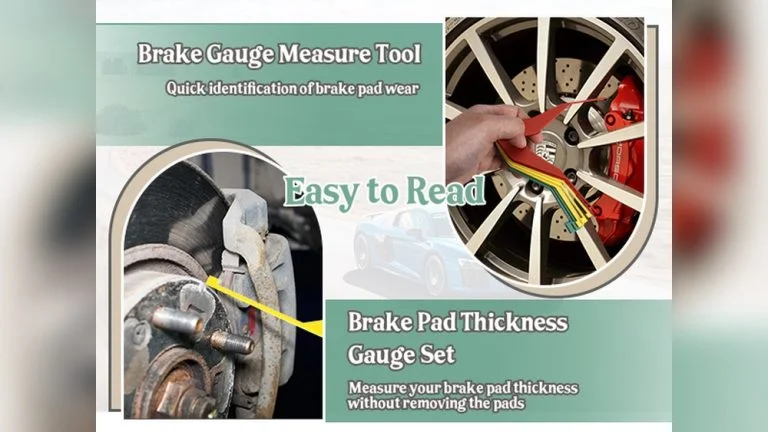
Brake pads should be checked for thickness during winter inspections. Thin pads wear faster in wet, salty conditions, and worn pads can squeak or grind even when the rotor is dry. Moisture can mimic a worn-pad sound for a few blocks. Worn pads keep making noise after the rotors warm and dry out.
Picture a sedan that comes out of a wash with a thin squeal only when backing out and stopping once. That can be a normal pad-and-rotor cleanoff. A different case is a front brake that squeals at every stop for the next ten minutes. That is a pad or rotor problem until proven otherwise.
Can water from a car wash freeze my brakes overnight?
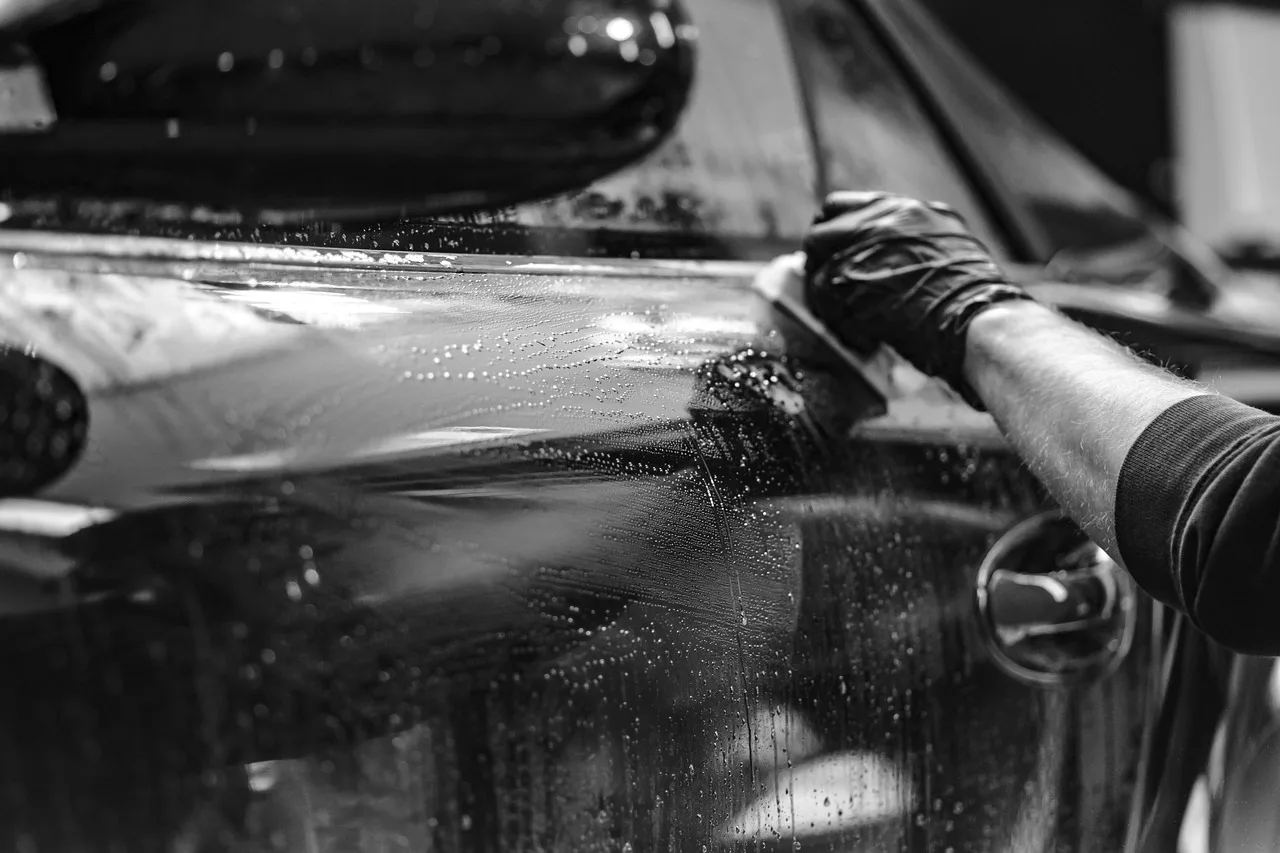
Water can freeze in parking brake hardware, around calipers, and inside rear brake mechanisms if temperatures drop after washing. The risk is highest when the car is parked outside in freezing temperatures with slush, salt, or standing water already on the brake parts. A frozen parking brake is common on rear-wheel or rear-drum parking brake setups.
Parking brake freeze
The parking brake cable, lever, or rear mechanism can hold moisture that freezes overnight. If the car will not move or only one rear wheel resists, do not force it. Releasing and reapplying the parking brake may help only if the issue is mild; forcing the vehicle can tear pads or overheat a dragging brake.
Sticking caliper or rear brake hardware
Brake calipers can seize if corrosion or moisture keeps the sliding parts from moving freely. Road salt speeds that corrosion, especially in snowy and coastal climates. A sticking caliper often shows up as a pull to one side, a hot wheel, or reduced stopping performance. Rear brake hardware can do the same on a smaller scale.
Why one wheel may drag
One wheel drag is the clue that separates normal wash noise from a true problem. Surface rust usually affects both sides and clears quickly. A single dragging wheel points to a frozen parking brake, seized caliper, or corroded slide pin. That is the point to stop the car and inspect, not keep driving to “work it out.”
-
Test each wheel’s roll.
In a safe flat spot, release the parking brake and see whether the car rolls normally. If one corner still resists, that corner needs attention. Do not keep applying throttle to free it. -
Inspect the rear hardware.
Look for a parking brake cable that is tight, stuck, or slow to return. Rear brake freeze-ups often start here. If the vehicle uses rear drum parking brakes, the shoes can bind after water exposure and freezing temperatures. -
Stop if the wheel heats up.
After a short drive, check for a wheel that seems noticeably warmer than the others, since that can indicate friction is staying in the system. Heat means friction is staying in the system. That can damage the rotor, pads, and caliper fast.
What should you check if the brake pedal feels odd?
A pedal that feels soft, unusually hard, or different in travel is more than a wash symptom. Moisture can reduce braking effectiveness, but a real change in pedal feel can also point to low brake fluid, air in the hydraulic system, or an ABS-related problem. If the pedal feel changes and the car does not stop normally, treat it as urgent.
Brake fluid level and condition
Brake fluid should be full and look clean during a spring brake inspection. Moisture buildup over winter can reduce braking effectiveness, and fluid that looks dark or dirty deserves attention. If the reservoir is low, do not just top it off and drive away. A low level can mean pad wear or a leak.
ABS or brake warning lights
An ABS or brake warning light changes the diagnosis. Water on the outside of the brakes may cause noise, but it should not turn on a warning lamp by itself. If the light appears after a wash or overnight freeze, look for low fluid, a failed sensor, or a system fault. That is not a wait-and-see case.
-
Read the dashboard first.
Look for ABS, brake, or traction warning lights before you move the car. A warning light with odd pedal feel means the problem is inside the brake system, not just on the rotor surface. -
Check the fluid reservoir.
Confirm that the brake fluid level is between the marks and that the fluid is not dark or cloudy. If the level is low, or the cap area looks wet, arrange inspection rather than guessing. -
Stop on any major change.
If the pedal sinks, pulses badly at low speed, or feels hard with poor stopping power, do not keep driving. Have the vehicle inspected before the next trip.
Brake parts most likely to need inspection
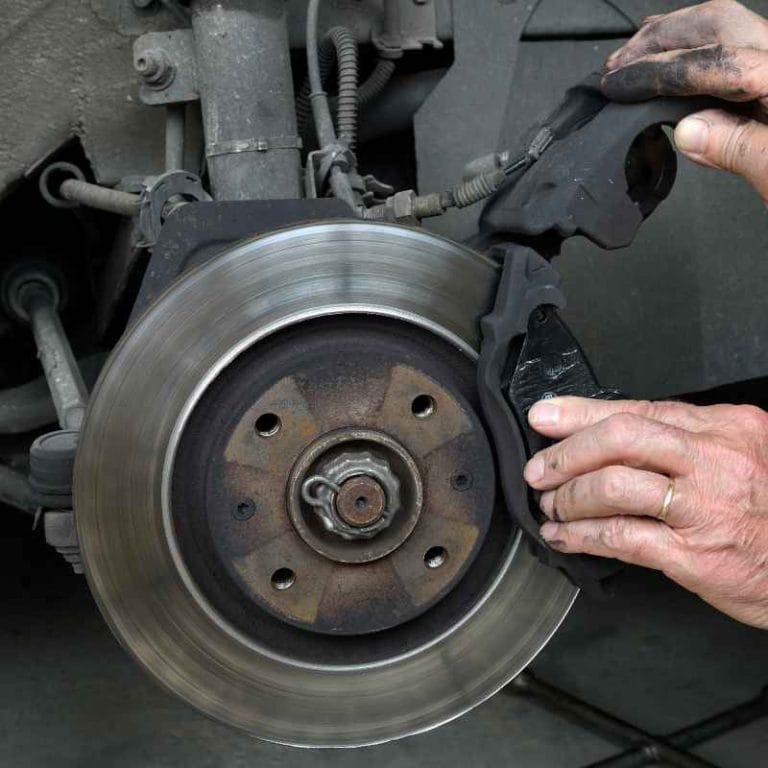
The parts most exposed to winter wash trouble are brake calipers, brake rotors, brake pads, brake fluid, and parking brake hardware. A thorough brake inspection every spring is a common recommendation after winter wear. That check should include pad thickness, rotor condition, caliper movement, and brake fluid.
Brake calipers
Calipers should move freely. Rusty or seized movement can reduce stopping performance and cause uneven pad wear. If one caliper sticks, the car may pull, drag, or overheat at one wheel. Winter moisture, road salt, and slush all raise the risk of corrosion around caliper slides and pistons.
Brake rotors and pads
Rotors should be checked for scoring and corrosion. Light surface rust is common after washing, but deep grooves or persistent roughness are not. Pads should still have useful thickness. Thin pads are more likely to squeak, grind, and wear fast in wet, salty conditions. That is why spring brake checks catch winter damage early.
Brake fluid and parking brake hardware
Brake fluid should be checked during inspection because moisture buildup over winter can affect braking performance. Parking brake cables, levers, and rear mechanisms should also move freely after freezing weather. If the rear brakes hold the car back or the parking brake will not release, that hardware deserves immediate attention.
-
Schedule a spring brake check.
Ask for pad thickness, rotor condition, caliper movement, and brake fluid to be inspected together. That single visit catches the common winter problems before they become noise, drag, or a warning light. -
Include the rear brakes.
Make sure the parking brake mechanism and rear hardware are part of the inspection, not only the front pads. Frozen rear parts are easy to miss if the car only squeaks up front. -
Ask about related services.
Wheel alignment and suspension checks are popular spring services after winter wear. If the car also pulls or feels unsettled, those systems may be part of the complaint.
Is it safe to use an automatic car wash when it’s below freezing?
It can be, but the risk rises when the car leaves the wash with wet brake parts and the temperature stays below freezing. A touchless wash usually leaves less direct contact on trim and wheels, but it can still put water on rotors, calipers, and parking brake hardware. An undercarriage spray can also push slush and salt into the brake area.
Use more caution if the car is parked outside after the wash. If possible, dry the brakes with a short, gentle drive and a few light stops before the car sits overnight. If temperatures are already severe, a wash can wait until the weather improves. That is safer than dealing with a frozen brake the next morning.
-
Choose the least wet option.
If a wash is necessary in below-freezing weather, a touchless wash may reduce direct residue on the brake area compared with heavy undercarriage spray. It does not remove freeze risk, so the car still needs a dry-out drive afterward. -
Dry the brakes immediately.
After the wash, drive a short distance at moderate city speeds and use the brakes gently several times. The goal is to clear moisture from the rotors and pads before the vehicle sits. -
Park only when dry.
Do not set the parking brake hard and leave the car wet in freezing temperatures unless the vehicle design or parking situation requires it. A damp rear mechanism can freeze overnight.
How long should I wait before driving after a winter car wash?
There is no single fixed time for every vehicle. A short wait may help surface dripping finish, but the better test is a gentle drive that dries the brakes. If the brakes feel normal and the light noise fades after a few stops, the car is likely fine. If the symptom stays, waiting longer will not fix a fault.
The practical rule is to drive soon enough to dry the brakes, then recheck the feel. A minute or two of gentle braking is usually more useful than sitting still while water freezes. If temperatures are already well below freezing, get the car dry promptly and avoid parking it with wet rear brake hardware.
-
Leave the wash promptly.
Do not idle in the wash exit lane with wet brakes and a cold breeze. Move out, drive carefully, and start drying the rotors with light braking. -
Use a short test route.
Choose a low-traffic road and make several gentle stops. If the squeak fades and the pedal stays normal, the brakes are likely only reacting to moisture. -
Recheck after parking.
When you stop, make sure the car rolls and releases normally. If it seemed fine on the road but sticks after parking, the parking brake or rear hardware may be freezing.
Frequently asked questions
Why do my brakes squeak after a car wash in winter?
Most often, the rotor face has a thin film of rust or moisture that the pads scrape off. That noise should fade after a few gentle stops. If it keeps going, check pad thickness and rotor condition, since worn pads or scored rotors can keep squeaking after the moisture is gone.
Why does my brake pedal feel weird after washing my car in cold weather?
A weird pedal can point to more than wash water. Moisture buildup can reduce braking effectiveness, but a soft, hard, or sinking pedal can also mean low brake fluid or another hydraulic issue. If the pedal feel changes and the ABS or brake light comes on, get the system inspected right away.
What brake parts are most likely to freeze after washing a car?
The parking brake hardware, rear brake mechanism, caliper slides, and any corroded or wet part near the wheel are the usual trouble spots. Brake rotors can also rust quickly after moisture exposure, though that usually causes noise rather than a true freeze-up. One dragging wheel is the key warning sign.
Products related to this article
Sponsored / affiliate links. As an Amazon Associate I earn from qualifying purchases. I may earn additional commission from eligible campaigns.