Brake Fluid Moisture in Winter: Symptoms, Risks, and Prevention
Brake fluid that has absorbed moisture can cause a low or spongy pedal, longer stopping distances, and corrosion. If the pedal sinks, a warning light comes on, or braking changes suddenly, you need to park the car and get the brake system checked right away. Ignoring it can turn a cold morning commute into brake failure or an expensive hydraulic repair. This guide explains winter symptoms, how moisture contamination differs from a true leak, and when to park the car versus schedule service.
Why winter surfaces the danger of absorbed moisture

Brake fluid is hygroscopic, which means it absorbs moisture from the air whenever it is exposed. That matters most when the master-cylinder cap is removed for a level check, because the fluid can take in water from the atmosphere during that brief opening. Liqui Moly also notes that hygroscopic properties promote moisture absorption.
Winter does not create the problem on its own. It reveals it sooner. Overnight cold-soak, repeated freeze-thaw cycles, and a first stop in subfreezing weather can bring a marginal hydraulic system to the surface before the brakes fully warm up.
Hydraulic brake pressure transfers pedal force to the wheels. When fluid level drops, air enters the brake lines more easily, pressure drops, and pedal feel changes. If the pressure loss is severe, braking can fail. Moisture contamination adds a second layer of risk because water is commonly reported to lower the fluid’s boiling margin and can rust or corrode internal metal parts.
That is why a winter check should not stop at the reservoir cap. A quick look at the cap area can tell you whether the system has been opened recently, which increases the chance that air or contamination entered during service or top-off. It also helps you avoid confusing a routine level check with a real diagnosis.
What symptoms should you watch for?
Winter-related brake fluid problems often show up as changes in the first few stops of the day. A soft pedal, a delayed bite on the first stop, or a warning light that appears after an overnight park all point to a hydraulic issue that needs inspection. If the symptom repeats only on cold mornings, do not dismiss it as normal winter feel.
Spongy or soft pedal
A spongy pedal usually points to air in the brake lines, low fluid, or a hydraulic problem that needs bleeding after the source is fixed. Moisture alone does not always make the pedal soft, but contaminated fluid can go with a larger system problem that changes pedal feel. If the pedal travels farther than usual, treat it as a safety issue.
Delayed bite on the first stop
A delayed bite means the brakes respond after a short pause or the pedal feels normal only after one or two pumps. In winter, that can happen when moisture-laden fluid, air, or a marginal leak shows itself before heat from driving changes the system. A first-stop delay is a warning, not a quirk to ignore.
Warning lights and repeated morning-only symptoms
A brake warning light, ABS light, or ESP light changes the priority. Modern vehicles with ABS and ESP rely on stable hydraulic pressure, and brake fluid service matters for those systems. If the same symptom appears on several cold mornings and then fades once the car warms up, the problem still exists. Warmth can hide it, not fix it.
Say your commuter car sits outside overnight in 20°F weather. The first brake application in the morning feels soft, then the pedal seems normal after two miles. That pattern points toward a problem that appears under cold-soak conditions, which is exactly when a weak hydraulic system becomes obvious.
Moisture contamination or a brake leak?
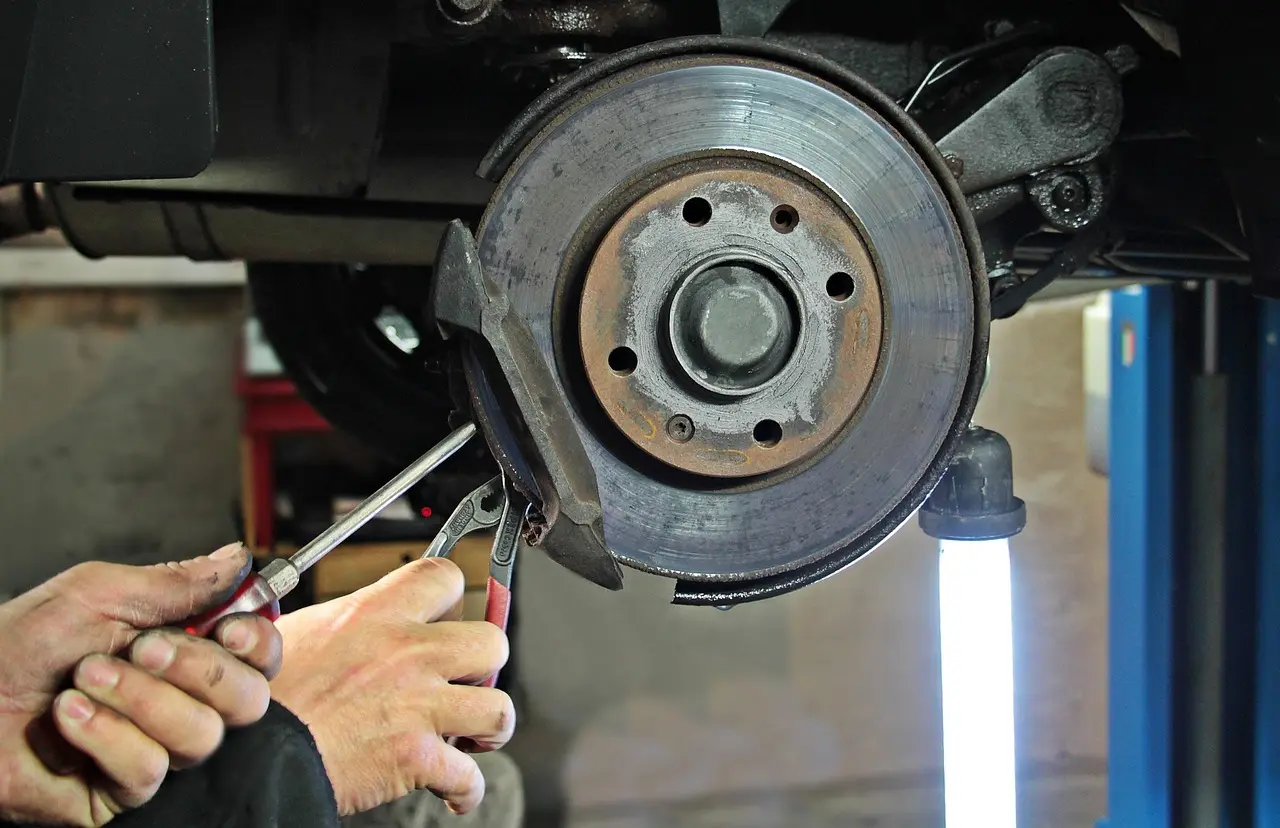
These are related, but they are not the same problem. Moisture contamination changes fluid quality inside the system. A leak drops fluid level and can let air into the lines, which is a larger immediate safety issue. A level drop means the source must be found, not just topped off.
Brake inspection should come first. It checks for leaks, damaged hoses, caliper issues, and other hydraulic faults before anyone assumes the fluid alone is at fault. If the reservoir is low, the system may already have air in the brake lines. That can create a spongy pedal and requires bleeding after the leak or loss is fixed.
Level drop versus fluid contamination
Contaminated fluid can look normal at the reservoir and still be a problem. Water contamination, debris, or incorrect fluid added to the system can reduce protection and performance without an obvious spill. A leak usually shows up as a falling level, wet residue around components, or brake fluid on a wheel, hose, or underbody part.
Air in the brake lines
Air compresses far more than brake fluid, so even a small amount can soften pedal feel and slow response. Air can enter when fluid level drops or during service if the system is opened and not bled correctly. Once the source of air or loss is fixed, bleeding restores proper hydraulic response.
When ABS or ESP warning lights matter
An ABS or ESP light can mean the system has seen a pressure or sensor issue, but in the context of low or contaminated fluid it should be treated as a warning that the hydraulic side needs attention. Brake fluid service is especially important for ABS and ESP systems because they depend on stable pressure and clean fluid to function correctly.
Suppose a salted-road commuter sees a low reservoir and a wet spot at a front wheel. That is different from old fluid alone. The wet spot suggests an external leak, which can create air in the lines and turn a maintenance issue into a stop-driving problem.
Winter brake fluid decision table
| Symptom | Likely cause | Immediate risk | Next step |
|---|---|---|---|
| Spongy pedal | Air in the brake lines, low fluid, or hydraulic loss | Reduced braking response and longer stopping distance | Park the car if the pedal sinks; book inspection and bleeding |
| Delayed bite | Moisture contamination, air, or a developing leak | Late brake response on the first stop | Schedule inspection before the next drive in cold weather |
| Warning lights | ABS, ESP, or brake-system fault tied to hydraulic instability | System may not respond as designed | Do not ignore; arrange diagnosis promptly |
| Leaking fluid | External leak at hose, caliper, line, or master cylinder | Fast fluid loss and possible brake failure | Park the car and inspect immediately |
| Repeated morning-only symptoms | Cold-soak reveals weak fluid, air, or a small leak | Problem may worsen as temperatures drop | Book service before more cold starts |
Park the car now if: the pedal sinks toward the floor, a brake warning light stays on, fluid is visibly leaking, or braking changes suddenly. Those are not maintenance-only signs. They point to a hydraulic problem that can fail under load.
Book inspection soon if: the pedal feels soft only on cold mornings, the first stop is delayed, or the reservoir level has dropped and no leak source is obvious. Those symptoms can still be serious, but they leave time for a scheduled visit if braking remains predictable.
Do you need a brake fluid test or flush?
A brake fluid test or flush depends on what the inspection finds. A qualified technician can check for moisture effect, depletion of corrosion inhibitors, and incorrect fluid. AMRA MAP recommends brake fluid testing by a qualified technician. If the fluid is old, contaminated, or mixed with the wrong type, service may be needed even if the pedal still feels acceptable.
Brake fluid service is especially important for ABS and ESP systems. These systems depend on stable hydraulic pressure, and contaminated fluid can contribute to internal wear or valve issues over time. A flush or bleeding service is not just about fresh-looking fluid. It is about restoring proper hydraulic performance.
When bleeding is needed
Bleeding is required when air has entered the brake lines, after a leak is repaired, or after any service that opens the hydraulic system. It removes air and helps restore pedal firmness. If the problem was a low reservoir with air ingestion, bleeding without finding the source will only hide the symptom for a short time.
How often should fluid be tested or changed?
There is no one schedule that fits every driver, but a pre-winter test is a practical choice for cars that see short trips, heavy stop-and-go use, or salted roads. Those conditions expose the fluid to moisture and heat cycles more often. If the fluid is older, dark brown, or the vehicle has repeated winter symptoms, testing should move from optional to necessary.
Color alone should not be used to decide replacement timing. Fresh brake fluid ranges from colorless to light brown or amber, and old brake fluid is often a darker brown. That difference can help with a visual check, but it cannot tell you whether the fluid has absorbed moisture or whether the corrosion inhibitors are depleted.
-
Check the reservoir level.
With the engine off and the car on level ground, inspect the reservoir against the MIN and MAX marks. A level below MIN or a visible drop from the last check can point to a leak or wear issue that needs inspection, not just a casual top-off.
-
Inspect for wet spots.
Look at hoses, calipers, the master cylinder area, and the ground under the car. Brake fluid on a wheel or along a line usually suggests an external leak, which can let air into the system and lower hydraulic pressure.
-
Test the pedal response.
Press the pedal firmly several times before moving. A sinking, soft, or uneven pedal means the hydraulic system is not behaving normally and should be checked before winter driving continues.
-
Schedule a fluid test.
Ask a qualified technician to check for moisture effect, contamination, and the wrong fluid type. That test is the best way to judge whether a flush is due and whether ABS or ESP components may be at risk.
-
Flush or bleed as directed.
If the test shows bad fluid, air in the lines, or contamination, service the system with the proper procedure. A flush replaces old fluid, while bleeding removes trapped air. Skipping either step can leave the symptom in place.
Pre-winter brake checklist
A short checklist before the first deep cold spell can prevent a lot of guesswork later. The goal is simple: find leaks, catch low fluid early, and spot signs that the system needs testing before the first icy morning exposes the weakness.
-
Open the cap briefly.
Inspect the master-cylinder reservoir only long enough to check the level and fluid condition. Because brake fluid can absorb moisture from the atmosphere whenever it is exposed to air, keep the opening brief and close it promptly.
-
Look for contamination.
Check for debris, murky fluid, or evidence that the wrong fluid was added. Contamination reduces protection and performance, and it can leave ABS or ESP hardware working in poor fluid conditions.
-
Inspect wear points.
Examine hoses, calipers, fittings, and the master cylinder for wetness, crusty residue, or damp dust. Those signs are often easier to spot before snow and road grime cover the area.
-
Note driving exposure.
Short-trip city cars, fleet vehicles, and salted-road commuters should be watched more closely because they see more cold starts, more stop-and-go heat cycling, and more corrosion exposure. That shortens the time before fluid and hardware need attention.
-
Plan service early.
If the fluid is old, dark brown, or the pedal already feels different in cold weather, schedule inspection before winter gets worse. Waiting for a true failure is the expensive choice.
Frequently asked questions
What are the symptoms of moisture in brake fluid in winter?
The most common winter signs are a soft or spongy pedal, delayed bite on the first stop, and repeated morning-only braking changes. Moisture lowers the fluid’s boiling margin and can also contribute to corrosion inside the hydraulic system, so symptoms may start before the brakes fully warm up.
Can wet brake fluid make the brake pedal feel soft or spongy?
Yes, but soft pedal feel more often points to air in the brake lines, low fluid, or a leak that needs repair. Moisture-laden fluid can be part of the problem, especially if the system has been open or contaminated. If the pedal sinks, park the car and inspect the system.
Does brake fluid absorb water from the air?
Yes. Brake fluid can absorb moisture from the atmosphere whenever it is exposed to air, and removing the cap to the master cylinder can expose it. That is why an open reservoir should be handled carefully and why fluid condition matters more than appearance alone.
Why does winter make brake fluid problems worse?
Winter reveals weak fluid and small leaks sooner. Cold-soak, freeze-thaw cycles, and the first stop of the day can bring out a problem before heat from driving masks it. Moisture also raises corrosion risk over time, so winter often reveals damage that was already forming.
How often should brake fluid be tested or changed?
A qualified technician should test brake fluid when symptoms change, before winter if the vehicle sees heavy cold-weather use, and whenever contamination or a leak is suspected. Change intervals vary by vehicle and use, but repeated cold-start symptoms, dark fluid, or any brake warning light justify inspection now.
Can contaminated brake fluid damage ABS components?
Yes. Brake fluid service is especially important for ABS and ESP systems because they depend on stable hydraulic pressure. Contamination, moisture, and incorrect fluid can affect internal parts and system behavior over time. If ABS or ESP warning lights appear with brake symptoms, the system needs diagnosis promptly.
What color should brake fluid be, and can color tell if it needs changing?
Fresh brake fluid ranges from colorless to light brown or amber, and old brake fluid is often a darker brown. Color can hint at age, but it should not be used alone to decide replacement timing. Testing is the better guide because moisture and inhibitor loss are not always visible.
Is a brake fluid flush necessary before winter driving?
Not for every car, but it is sensible when the fluid is old, contaminated, or showing winter-related symptoms. If inspection finds air in the lines, a leak, or degraded fluid, a flush or bleeding service may be needed before cold-weather driving continues. The goal is stable hydraulic performance, not just fresh fluid color.
Products related to this article
Sponsored / affiliate links. As an Amazon Associate I earn from qualifying purchases. I may earn additional commission from eligible campaigns.