Can Brakes Freeze Up in Winter?
Yes, brakes can freeze up in winter. The usual causes are moisture in the hydraulic system, ice around pads or shoes, or corrosion that makes moving parts stick. If you misread the symptom, you can end up with a dragging brake, longer stopping distances, or the same failure after the next cold snap. This guide separates the three freeze-up modes, shows how to tell them apart from pedal, pad, and parking-brake symptoms, and explains what to do next.
Why symptoms point to hydraulic or sticking failures

- Tests DOT 3, DOT 4, and DOT 5.1
- Simple dip-and-read operation
- Compact pen with included battery
Winter brake trouble is not one fault. A stiff pedal can point to frozen moisture in hydraulics, while a wheel that stays applied after parking points more toward pads or shoes sticking, ice buildup, or corroded hardware. The symptom matters more than the air temperature.
Hydraulic freeze-up versus sticking pads or shoes
Brake fluid is hygroscopic, meaning it readily absorbs moisture from the air. That moisture can build up over time and freeze in cold weather, especially in older fluid that contains significantly more moisture than fresh fluid. In another failure mode, pads or shoes can stick to rotors or drums because water, slush, or corrosion keeps parts from moving normally.
That distinction matters because the next step changes. A hydraulic blockage can affect the whole circuit. A stuck pad or shoe can affect one wheel, one axle, or only the parking-brake side of the system.
Why the symptom matters more than the temperature
The freezing point of water is 32°F (0°C), but brake problems do not appear just because the thermometer drops below that number. Moisture from rain, snow, condensation, or repeated freeze-thaw cycles has to be present somewhere in the system. Vehicles left stationary for extended periods increase frozen-brake risk.
Say your car sat outside after a slushy commute, then the next morning the pedal feels unusually hard and the car barely rolls. That points to a different diagnosis than a rear wheel that drags only after a long parking stop. Same season. Different cause.
Can brakes freeze up in winter?
Yes. Brakes can freeze in winter when water inside the hydraulic system turns to ice, or when snow, slush, and corrosion prevent parts from moving freely. ABS does not prevent moisture from freezing in the brake system, and it cannot correct a hydraulic issue that is already present.
When moisture inside the system freezes
Brake fluid can contain dissolved moisture, and that moisture can freeze in cold weather. DOT 3 and DOT 4 are glycol-based fluids, and DOT 5 has a lower affinity for moisture than glycol-based fluids, but DOT 5 is not compatible with all braking systems. Fresh fluid matters more than a brand swap if the problem is water contamination and age.
A frozen hydraulic issue is more likely to feel like a stiff brake pedal that is hard to depress, reduced braking power, or delayed response. It is not the same as a normal spongy pedal.
When ice or corrosion keeps parts from moving
Ice can form around calipers, slide points, and parking-brake hardware. Corrosion can also make calipers bind or shoes hang up. In this mode, the brake may release slowly, pull to one side, or drag after parking. Snow and slush can also pack around rotors and under shield areas, where they interfere with normal pad contact and release.
Picture a front wheel that squeals after a storm and then feels hot after a short drive. That is more consistent with a sticking caliper or rotor-area ice than with a system-wide hydraulic freeze.
Why moisture is the main cause
Moisture is the common factor behind most winter brake freeze-ups. Water enters as humidity, condensation, rain, or snow exposure, then lingers in fluid, on metal, or around moving parts. Freeze-thaw cycles increase the risk because they let water move, collect, and refreeze in different places.
Brake fluid that has absorbed water
Brake fluid is sealed from the outside, but it still absorbs moisture over time. That is why older brake fluid contains significantly more moisture than fresh fluid. Manufacturer-recommended service intervals exist for a reason: fluid that has spent too long in service is more likely to carry enough water to matter in a cold snap.
Brake lines carry hydraulic fluid, and moisture inside them can freeze. Leaks or cracks also increase winter failure risk because they let the system lose integrity and invite corrosion. Corrosion and brittleness make winter behavior less predictable.
Rain, snow, condensation, and freeze-thaw cycles
Cold-weather moisture does not have to come from a deep puddle. A damp parking lot, packed snow around the wheel well, or condensation after a warm garage-to-cold-driveway transition can be enough to set up a freeze. The risk rises when the vehicle sits unused long enough for water to settle and refreeze.
What parts are most affected?
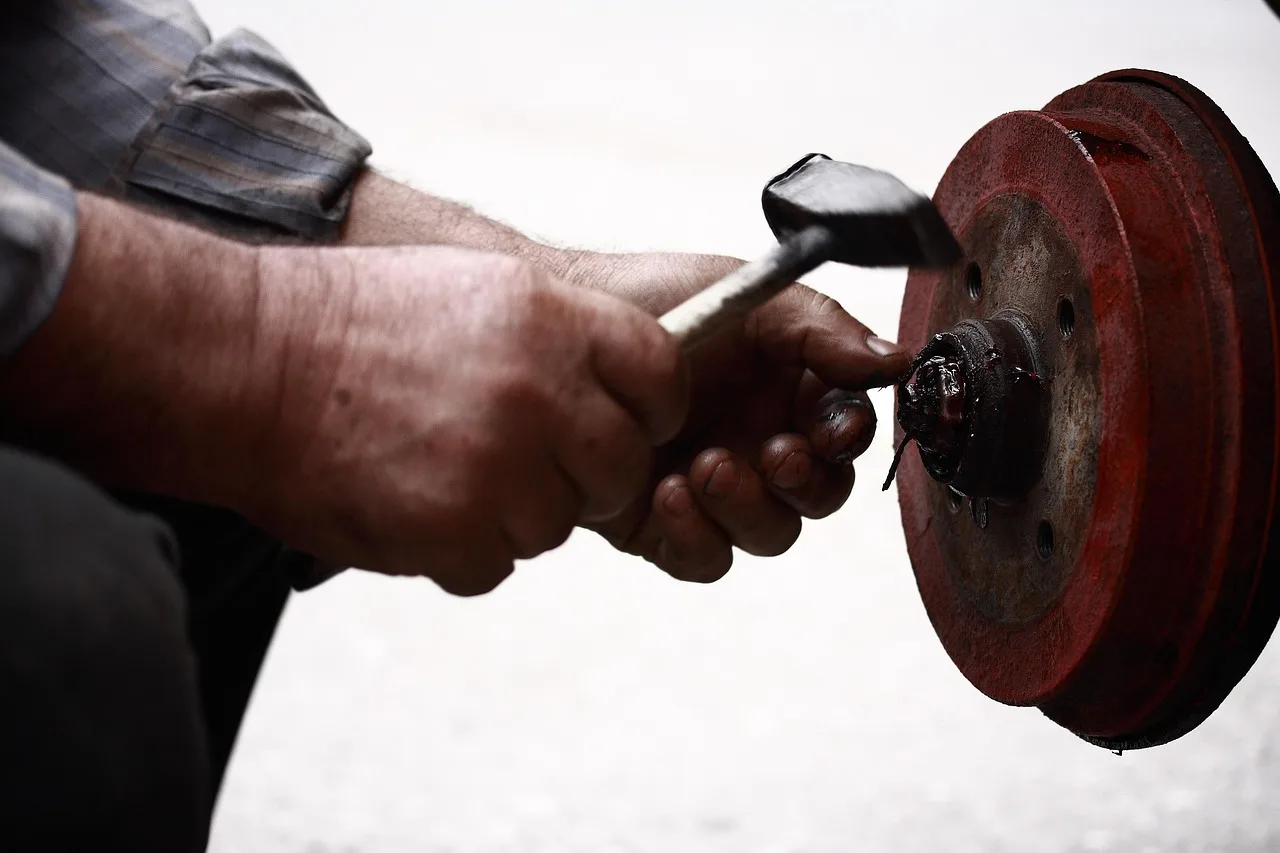
Several parts can be involved, but they fail in different ways. Brake lines carry fluid, calipers move pads, rotors provide the friction surface, and drums and shoes can stick together after parking. ABS helps with wheel lockup after braking starts, but it does not stop moisture from freezing or fix a blocked hydraulic path.
Brake lines and hydraulic flow
Brake lines are the hydraulic lines that carry fluid from the master cylinder to the wheels. If moisture inside that fluid freezes, hydraulic flow can be restricted. If the line is corroded or cracked, winter failure risk rises because the line is already weakened and less able to tolerate temperature swings.
Inspection matters here. Brakes should be inspected regularly for lines, calipers, and rotors.
Brake calipers, rotors, drums, and shoes
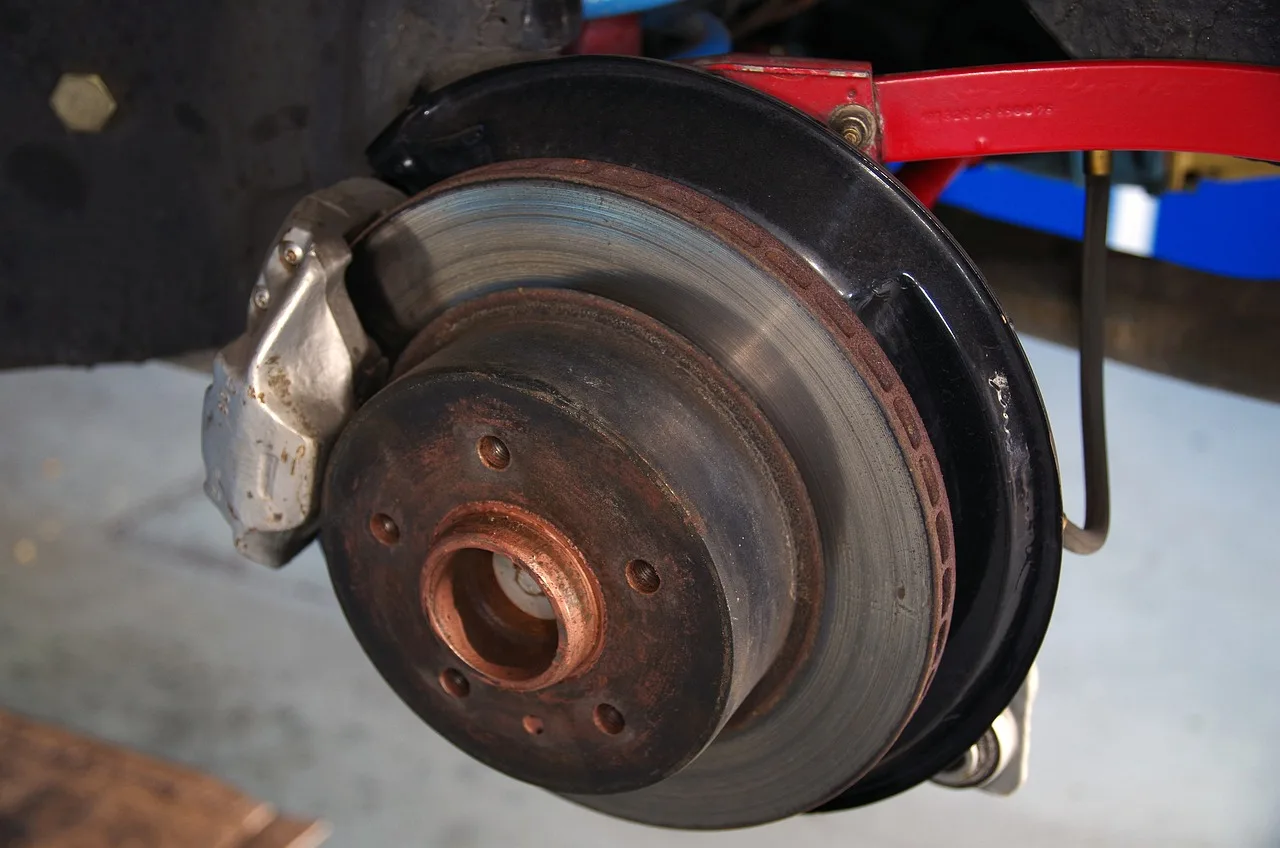
Brake calipers can stick when ice forms around moving parts, and seals can stiffen in cold weather. Brake rotors can collect snow, slush, and ice that hinder normal movement at the pad face. Brake drums and shoes are a separate and common freeze-up mode: moisture can freeze shoes to the drum surface, especially when a vehicle sits unused.
Brakes with drums on the rear axle are often more vulnerable to parking-related sticking because the shoe and drum surface can trap moisture. That is a distinct symptom pattern, not the same thing as a frozen hydraulic line.
ABS limits and what it cannot fix
ABS prevents wheel lockup after braking begins. It does not thaw frozen moisture, free a seized caliper, or restore a hydraulic path blocked by ice. If the system is already compromised, ABS cannot solve the underlying problem.
What are the signs of frozen brakes?
The main clues are pedal feel, whether one wheel drags, and what happens right after parking or after snow exposure. A stiff pedal points toward hydraulic restriction or a related blockage. One-wheel drag points more toward a sticking caliper, shoe, or parking-brake component. Grinding after snow suggests ice or slush around the friction parts.
Stiff or hard pedal
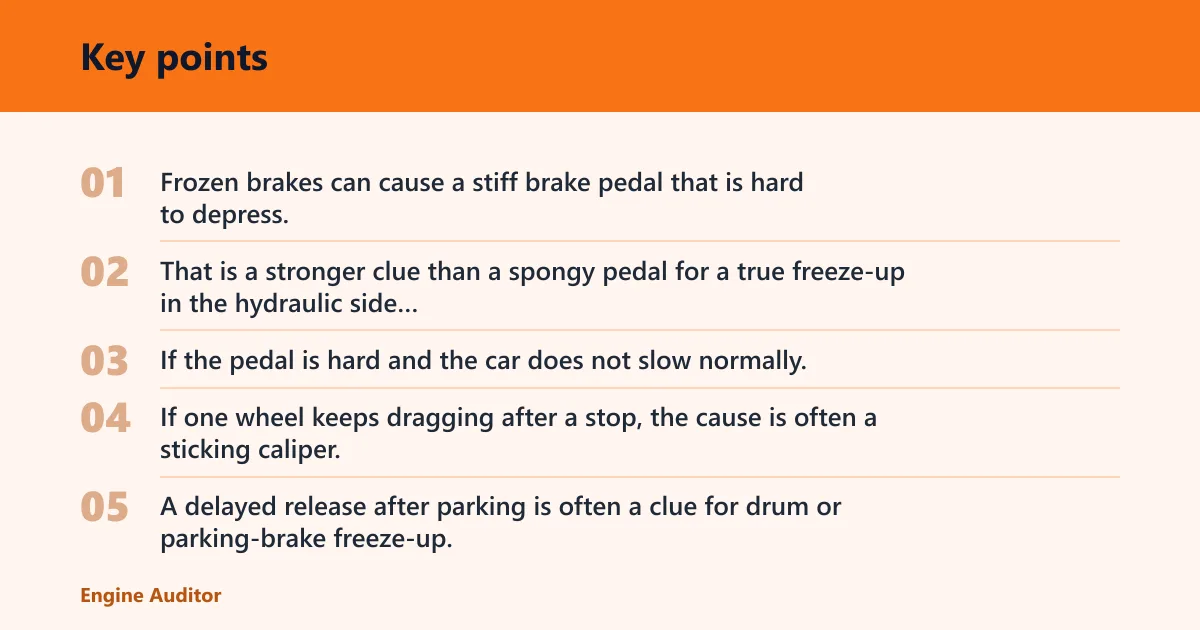
Frozen brakes can cause a stiff brake pedal that is hard to depress. That is a stronger clue than a spongy pedal for a true freeze-up in the hydraulic side of the system. If the pedal is hard and the car does not slow normally, do not assume the issue will clear itself while driving.
One-wheel drag or delayed release
If one wheel keeps dragging after a stop, the cause is often a sticking caliper, frozen shoe, or ice around moving parts rather than a whole-system hydraulic freeze. A delayed release after parking is often a clue for drum or parking-brake freeze-up. One side versus all four wheels is a useful diagnostic split.
Grinding after snow or slush
Frozen brakes can produce grinding, scraping, or squealing sounds. Snow, slush, and ice can sit between the pad and rotor or around drum hardware until movement clears it. If the sound starts right after snow exposure and changes as the wheel warms or rotates, inspect the area before more driving.
Warning light and other clues
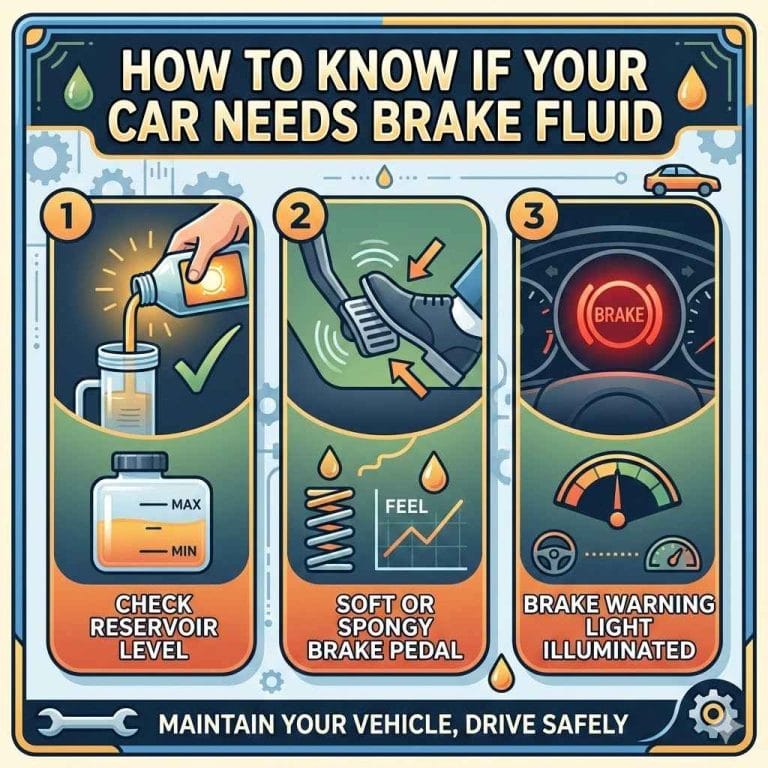
A warning light does not identify the exact cause by itself, but it should not be ignored. If the light appears with a hard pedal, dragging wheel, or poor stopping power, inspection is required. Reduced braking power and longer stopping distances are part of the risk set, not minor annoyances.
Winter brake freeze-up decision table
This table separates the most common winter symptoms into likely cause and safest next step. Use the symptom first. Then decide whether a cautious thaw attempt is reasonable or whether you should stop driving and inspect the vehicle.
| Symptom | Likely cause | Safest next step |
|---|---|---|
| Stiff pedal | Moisture frozen in the hydraulic system or a blocked hydraulic path | Do not drive if braking is weak. A brief thaw in a warmer space may be reasonable, but inspection is required if the pedal stays hard or the car still slows poorly. |
| One-wheel drag | Sticking caliper, frozen shoe, or ice around one wheel’s moving parts | Stop driving and inspect. Drag on one wheel can overheat parts quickly and may damage the brake. |
| Delayed release after parking | Drum shoes frozen to the drum, parking-brake hardware sticking, or ice at the caliper | A cautious thaw attempt may be reasonable if the vehicle has only just started moving. If the wheel still drags, do not keep driving. |
| Grinding after snow | Snow, slush, or ice interfering with pad or shoe movement | Pull over safely and inspect. If the noise persists or braking feels abnormal, stop driving and have it checked. |
| Warning light | Brake-system fault, low fluid, or a related hydraulic or sensor issue | Do not ignore it. If braking feel is abnormal, stop driving and inspect; if the pedal and stopping power seem normal, schedule a prompt check. |
What should you do if brakes freeze?
Start with the symptom, then decide whether the vehicle is safe to move. If the pedal is stiff, the car does not stop normally, or a wheel is dragging hard, do not continue driving. A gentle thaw attempt is only reasonable when the problem looks light and localized, and the vehicle can be moved without stressing the brake.
When not to drive
Do not drive if the pedal is hard and braking power is reduced, if a wheel is clearly dragging, or if the vehicle pulls sharply to one side. Those are signs that the brake may be applying or releasing incorrectly. Continued driving can damage pads, rotors, drums, or hubs.
When a gentle thaw attempt is reasonable
If the issue started right after parking in cold, wet conditions and the symptom is mild, a thaw attempt may be reasonable. A garage, covered space, or gradual warming can help if the problem is mainly surface ice. Do not pour hot water on brakes. That can create more problems than it solves.
When inspection is required
If the problem returns, if the pedal remains abnormal, or if the brake light stays on, inspection is required. The same is true if the vehicle sat unused for a long period and now drags or stops poorly. Follow the vehicle manual, never work under a vehicle held only by a jack, and check local laws.
How to reduce the risk before cold weather
Prevention works best when it targets the specific failure mode. Fluid service addresses moisture in the hydraulic side. Inspection catches corrosion, leaks, and sticking hardware. Parking indoors or under cover helps reduce snow, slush, and condensation that feed freeze-up.
Follow fluid service intervals
Use the manufacturer-recommended service interval for brake fluid. Fresh fluid matters because older brake fluid contains significantly more moisture than fresh fluid. That is the point at which winter risk begins to climb, especially in damp climates or in vehicles that see short trips and long idle periods.
Inspect corrosion, leaks, and sticking hardware
Regularly check lines, calipers, rotors, drums, and shoes. Corrosion, cracks, and sticking hardware can turn a cold morning into a brake problem. If the vehicle uses rear drums, pay particular attention to shoe movement and parking-brake release.
Park covered or indoors when possible
Parking indoors or in a covered area helps reduce direct snow and ice buildup. It also limits overnight condensation and the freeze-thaw cycle that leaves moisture in the wrong place. That simple step can reduce nuisance freeze-ups and one-wheel sticking after a storm.
- Check for a stiff pedal, a dragging wheel, or a warning light before driving away.
- If the vehicle sat through wet, freezing weather, assume moisture may be involved until proven otherwise.
- Do not force a drive if braking feel is abnormal or stopping power is reduced.
- Use a mild thaw only when the symptom is light and localized.
- Schedule inspection if the problem repeats or does not clear promptly.
Frequently asked questions
Can brakes freeze up in cold weather?
Yes. Brakes can freeze in cold weather when moisture in fluid, around moving parts, or in parking-brake hardware turns to ice. The symptom matters more than the temperature alone. A hard pedal, dragging wheel, or delayed release points to a specific failure mode that needs different handling.
What causes brakes to freeze in winter?
The main causes are moisture absorbed into brake fluid, water trapped around pads or shoes, and corrosion that makes moving parts stick. Rain, snow, condensation, and freeze-thaw cycles all feed the problem. Vehicles left stationary for extended periods increase frozen-brake risk.
Why do my brakes feel stiff on a cold morning?
A stiff pedal can mean moisture in the hydraulic system has frozen or a hydraulic path is restricted. That is different from a spongy pedal, which points elsewhere. If the pedal is hard and the vehicle does not slow normally, do not keep driving until the cause is clear.
Can moisture make brakes freeze overnight?
Yes. Moisture can collect from condensation, snow, slush, or fluid that has absorbed water over time, then freeze overnight when temperatures fall. That is especially likely after wet driving followed by parking outside. Older brake fluid carries more moisture risk than fresh fluid.
Can brake fluid freeze in winter?
Brake fluid itself is usually not the only issue; moisture in the fluid is the bigger concern. Brake fluid is hygroscopic, so it readily absorbs moisture from the air. That moisture can build up over time and freeze in cold weather, which is why service intervals matter.
Products related to this article
Sponsored / affiliate links. As an Amazon Associate I earn from qualifying purchases. I may earn additional commission from eligible campaigns.
 Brake Fluid Liquid Tester Pen, Brake Fluid Tester with 5 LED Indicators, Brake Fluid Liquid Testing Pen for DOT 3 DOT 4 DOT 5.1 Vehicle, Auto Tester Tool, Diagnostic Testing Tool.
 KAIWEETS Brake Fluid Tester Pen with Corrosion Resistance Probe, High-Precision Brake Fluid Moisture Tester with Data Hold Function, Buzzer Alarm, 3 Colors Backlight, Calibrated for DOT3, DOT4, DOT5.1