How Slush Buildup Around Wheels Can Affect Braking Performance
Slush packed around wheels can add drag, confuse wheel-speed signals, and make stops feel longer. If the car pulls, grinds, or braking stays odd after the slush clears, inspect the brakes. Left alone, it can hide pad, rotor, bearing, or ABS problems until they become more costly and less predictable. This guide explains how wheel-area slush changes brake feel, what symptoms point to temporary buildup, and when to look for a deeper fault.
Can slush affect braking?


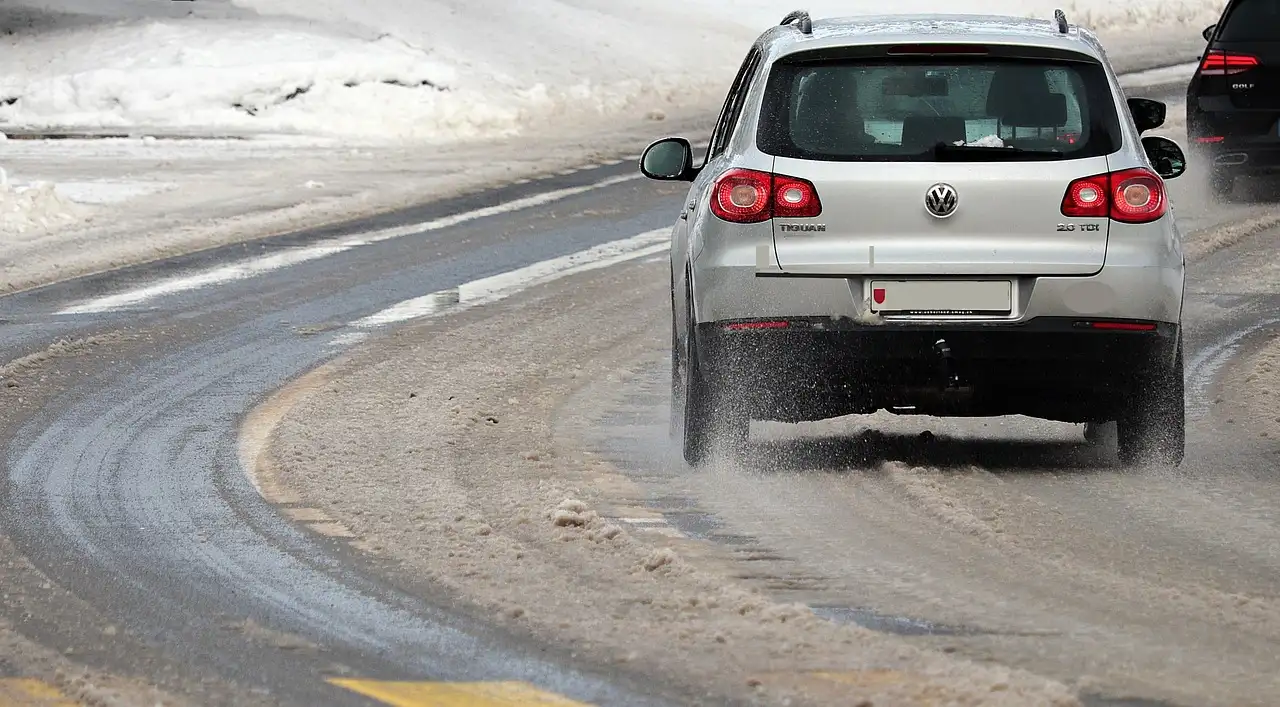
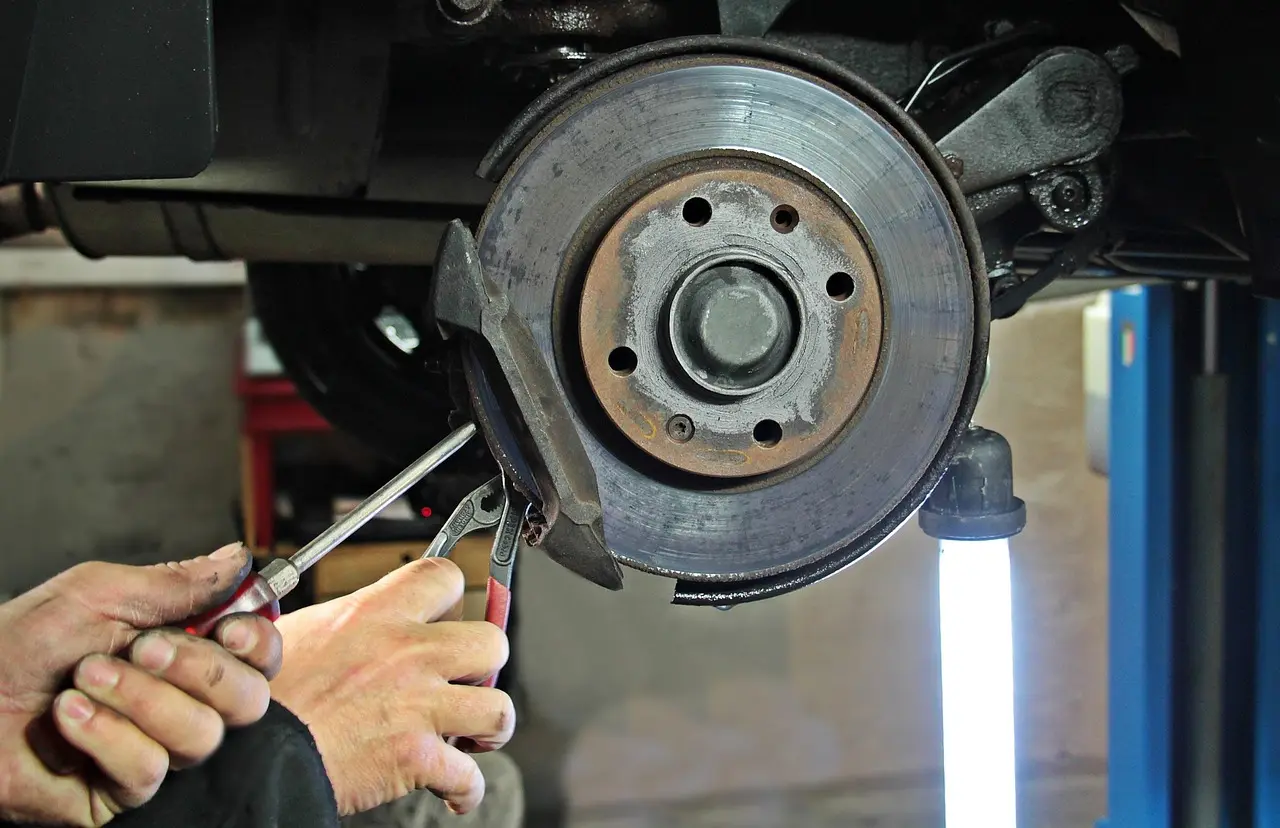
Yes. Slush in the wheel area can change how the rotor, caliper, pads, parking brake hardware, and wheel-speed sensors move or read for a short time. That can change pedal feel, create noise, and add rolling drag. If the symptoms vanish after the ice sheds, contamination was likely involved; if they remain, treat it as a brake fault.
What slush can touch near the wheel
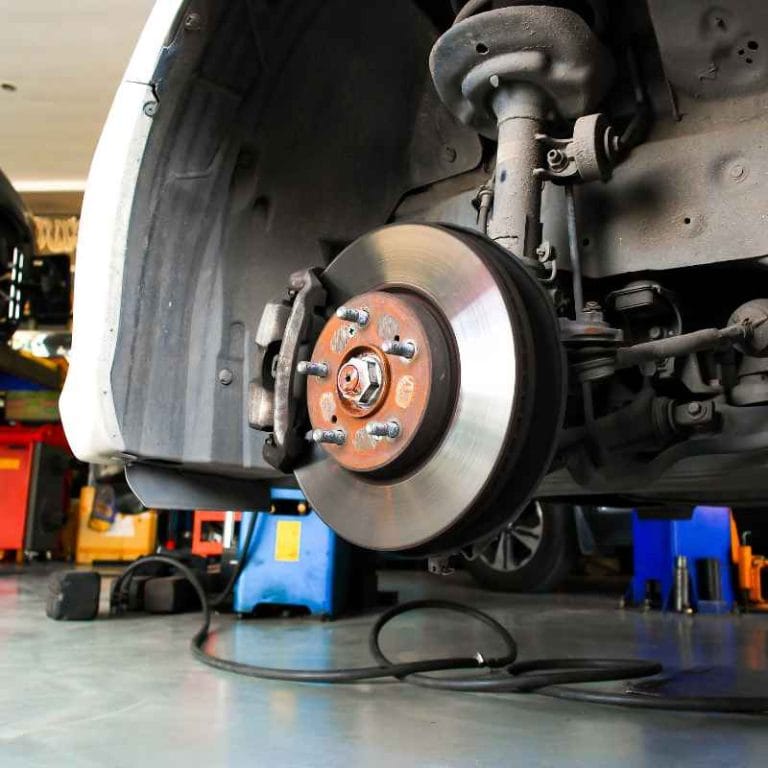
- Brake rotor surfaces. Slush can leave a wet film that freezes into an uneven layer on the rotor face or edge. In brake diagnosis, rotor icing is a contamination issue, not a normal braking condition.
- Brake pads and backing plates. Packed ice can hold moisture against the pad area and change how the pad contacts the rotor. Some brake hardware is built to manage heat better, but that does not make it immune to slush buildup.
- Caliper slides and pins. These parts need to move freely. Packed snow can hold water around them, then freeze into a drag point that keeps the pad from releasing fully.
- Parking brake hardware. If the parking brake uses a cable or integrated mechanism, slush can freeze around exposed hardware and leave the rear brakes partly applied. That is one of the most common winter causes of rear-wheel drag.
- Wheel wells, liners, and hose routing. Packed snow can press against liners and mud flaps and contribute to rubbing or heat buildup from brake drag. The wheel area is where contamination, contact, and heat all meet.
Picture a sedan that leaves a slushy road and develops a light grind from one front wheel. If the noise fades after the wheel well clears and the pedal feels normal again, that points toward packed contamination rather than a worn rotor. If the grind stays, a stuck pad or caliper slide needs inspection.
Why does my car brake differently after driving through slush?
Slush can change braking because it changes the surface around the brake, not because the system suddenly “forgets” how to stop. A wet rotor can freeze unevenly, packed snow can add resistance, and wheel-speed sensors can see irregular wheel rotation. The result can be longer-feeling stops, pulsing, or brief warning-light behavior.
How braking feel changes
A wet or icy rotor can contact the pad unevenly for the first few brake applications. That can make the pedal feel rough or the car feel less predictable. If slush is packed near the caliper, the pad may not retract fully, which adds drag and makes the first stop after a cold stretch feel heavier.
Brake fade is a loss of stopping force from heat buildup in the pads and rotors. It usually shows up after repeated hard braking in a short span, or on long downhill runs. Slush usually does not create fade on its own, but a dragged brake can add heat and hide a heat problem already in progress.
Wheel-speed signal issues
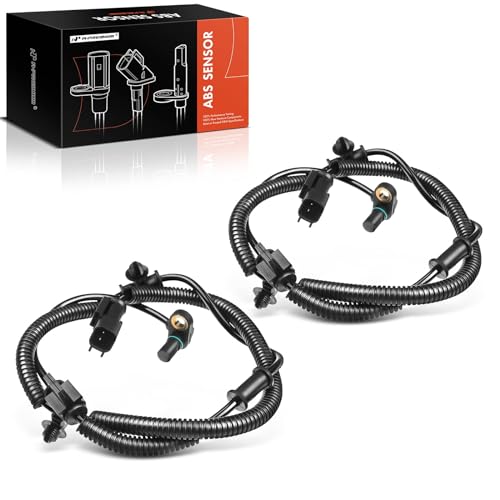
ABS and traction control depend on each wheel turning at a believable rate. If one wheel is packed with slush or ice, the system may think that wheel is slipping or locking when it is not. That can trigger a false activation, especially on uneven snow, slush ridges, or partially cleared wheel wells. If the ABS light stays on after the road is dry, the issue has moved beyond simple winter contamination.
Suppose a pickup leaves a plowed road and the traction-control light flickers on a low-speed turn. If the light goes out after the wheel wells are cleared and the same turn feels normal, the slush was likely affecting the wheel-speed signal. If the light returns on dry pavement, the issue is no longer just winter contamination.
Service threshold: safe to continue vs stop and inspect now
- Safe to continue cautiously: the noise, pull, or warning clears after a few gentle stops; the car rolls normally; and no wheel smells hot.
- Stop and inspect now: one wheel drags, the car pulls hard, the brake smell is sharp, the ABS light stays on, or the symptom gets worse with each mile.
Winter brake contamination checklist
This checklist helps you separate a temporary slush problem from a fault that needs service. Use it after a snowstorm, after a road with heavy slush, or after a low-speed drive that left one wheel sounding or feeling different. The goal is to identify the failure mode before you keep driving.
| Symptom | Likely slush-related cause | Quick roadside test | When to seek service |
|---|---|---|---|
| Light grind that fades after a few stops | Rotor icing or packed snow at the rotor edge | Check whether the noise drops after the wheel well sheds slush and the brake is applied gently a few times | If the grind continues after the wheel area clears or returns on dry pavement |
| One wheel feels hot or smells sharp | Frozen caliper slide, sticking pad, or parking brake drag | After a short stop, compare wheel heat by careful hand proximity, not contact, and look for one wheel that seems much warmer | If one wheel stays hotter than the others or the car pulls during braking |
| Brake pedal feels uneven or pulsing at low speed | Slush-packed rotor surface or uneven ice buildup | Drive slowly in a safe area and apply the brakes gently; note whether the feel normalizes after several clean rotations | If pulsing remains after the slush is gone |
| Vehicle slows more than expected when coasting | Packed wheel well rubbing tire, liner, or brake hardware | Look for visible packed snow between the tire and liner, and listen for scraping that changes with wheel speed | If the drag does not disappear after the packed material falls away |
| ABS or traction-control light flickers on snow | False activation from uneven wheel-speed signals | Note whether the warning appears only in slush and clears on dry road | If the light stays on or the system activates on clean pavement |
| Rear brakes feel tight after parking | Parking brake drag from frozen cable or mechanism | Check whether the parking brake fully releases and the vehicle rolls normally on level ground | If release is delayed, uneven, or one rear wheel remains affected |
How do I know if slush is causing brake problems or just normal winter road conditions?
Look for whether the symptom clears as the wheel area sheds ice and water. Temporary slush drag usually changes quickly, stays tied to one wheel or one axle, and improves after a few careful stops. A true brake problem tends to remain, spread, or appear on dry pavement after the contamination is gone.
Signs the issue is temporary
-
Inspect the wheel area. Look for packed snow inside the wheel well, around the rotor edge, and near the caliper. If the buildup is visible and the symptom began right after slushy driving, contamination is the first suspect.
-
Drive gently for a short check. Use a safe, low-traffic road and apply the brakes lightly several times. If the grind, pull, or pulsing fades as the wheel area clears, the cause was likely packed slush rather than a permanent fault.
-
Compare both sides. Check whether one side is obviously dirtier, noisier, or warmer. A single-wheel difference points to a local drag issue, not a general winter-road effect.
Signs the issue needs service
If the vehicle keeps pulling after the wheel wells are clear, the pedal stays strange, or a wheel remains hotter than the others, the problem is deeper than surface contamination. That can mean worn pads, a sticking caliper, a seized slide, a damaged hose, or parking brake hardware that is not releasing fully.
Another warning sign is a change that returns every time the brakes heat up, even after the slush is gone. That pattern points away from winter buildup and toward a mechanical fault that should be checked before the next drive.
Is it safe to keep driving if slush is packed around the wheels?
Only if the symptom is mild and clears quickly. If the wheel still drags, the car pulls hard, the ABS light stays on, or a brake smells hot, stop and inspect before continuing. Packed slush can turn into steady drag, and drag can create heat, uneven wear, and a longer stopping distance.
Follow the vehicle manual for any brake-related inspection or parking-brake procedure, and never work under a vehicle held only by a jack. If you need to check near the wheels on the roadside, keep clear of traffic, keep loose clothing away from moving parts, and check local laws before stopping in a prohibited area.
How can I prevent snow and slush from affecting braking performance?
You cannot stop every winter buildup, but you can reduce how much slush reaches the brake area and how long it stays there. The most useful steps are simple: clear packed snow from the wheel wells, check for rubbing after deep slush, and make sure the parking brake releases fully before you move off.
-
Clear the wheel wells. Remove loose packed snow from the liner, rocker area, and around the visible rotor and caliper zone before it freezes. Do not pry at friction surfaces or spray cleaners onto pads and rotors unless the vehicle manual calls for that product.
-
Check the brakes after parking. After driving through deep slush, listen for scraping, grinding, or a one-wheel drag on the next move-off. Early detection matters because a frozen slide or parking brake drag can show up only after the vehicle sits.
-
Release the parking brake fully. Make sure it is not partly applied before you drive away in cold weather. A partially released parking brake can hold heat in the rear brakes, and that heat can worsen drag if slush is already present.
-
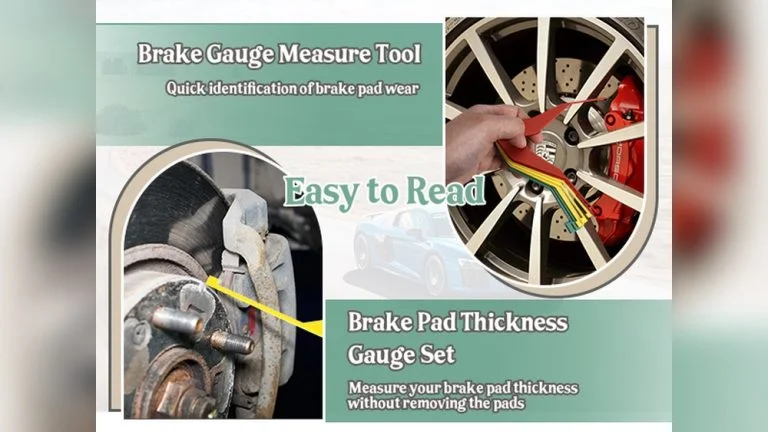
Inspect after severe winter use. Check pad thickness, rotor condition, and hose routing after repeated slush exposure or heavy braking on winter roads. Better heat management in brake design can help with consistent braking, but it does not replace a clean, free-moving caliper and parking brake system.
How brake design affects winter response
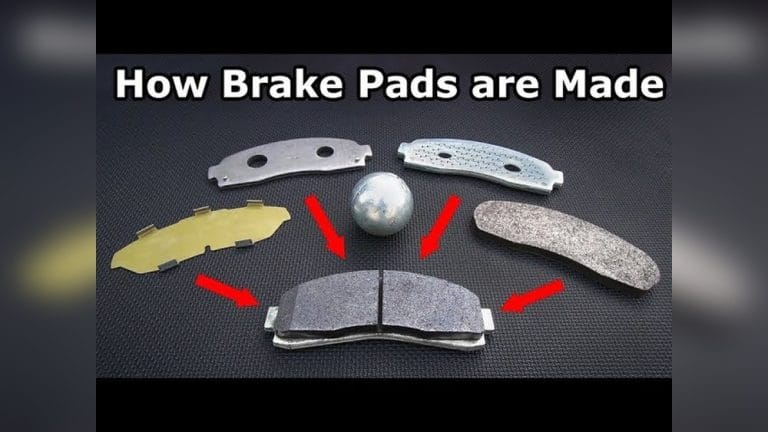
Rotor and pad heat management still matters in winter because heat buildup reduces consistent braking and can magnify any drag created by slush. Brake pads may use resin or metal compounds, and some brake design examples use features that increase heat dissipation. Those are heat-management design examples, not a separate diagnosis for typical passenger-car winter contamination.
Brake hardware that manages heat well can still be affected by slush. A rotor face can ice over, caliper slides can freeze, and parking brake parts can hold the rear brakes slightly applied. That is why a winter brake check focuses on movement, drag, and cleanup, not on cooling hardware alone.
When should I have my brakes checked after winter driving?
Have the brakes checked when a symptom does not clear after the wheel area is free of slush, when one wheel stays hotter than the others, or when the car still pulls, grinds, or drags on dry pavement. Those signs point beyond temporary contamination and into wear, sticking hardware, or a hose or parking brake problem.
Brake inspection is also sensible after repeated hard braking on winter descents, because heat buildup can mask worn pads or a weak caliper until the next storm. If the wheel area was packed enough to trigger ABS or traction-control false activations, a follow-up inspection can confirm that sensors, hardware, and pad movement are all back to normal.
Frequently asked questions
Can slush buildup around wheels affect braking?
Yes. Slush can change braking by freezing on the rotor edge, packing around caliper hardware, or confusing wheel-speed sensors. The change is usually temporary if it clears after a few gentle stops, but a symptom that remains after the wheel area dries points to a deeper brake fault.
Can packed snow or ice around the wheels make brakes drag?
Yes. Packed snow can hold moisture against the caliper slide, pad hardware, or parking brake parts until they freeze. That can keep a pad from releasing fully and create drag on one wheel. If the drag stays after the wheel area clears, service is needed.
What parts near the wheel are most affected by slush and ice?
The rotor, pads, caliper slides, parking brake hardware, wheel-well liner, and brake hose area are the main concern. Rotor surfaces handle heat dissipation, while slides and pins need to move freely. If snow packs around those parts, braking can feel rough or draggy until the buildup clears.
Products related to this article
Sponsored / affiliate links. As an Amazon Associate I earn from qualifying purchases. I may earn additional commission from eligible campaigns.