Why Do My Brakes Squeal in Cold Weather?
By a brake systems editor
Mechanic’s note: Cold-start brake squeal often fades after two or three gentle stops. If it does, surface rust, salt film, or pad vibration are more likely than a major failure.
Cold-weather brake squeal is often normal for the first stop or two, but noise that keeps coming back after about 3 stops, or comes with pedal pulsation or poor braking, needs inspection. Ignoring a brake fault can lengthen stopping distances, cause uneven wear, or damage the rotor. This guide helps you separate normal winter noise from a problem using timing, pedal feel, and changes from stop to stop.
Winter brake noise decision table
| Symptom pattern | Most likely cause | Self-check | Urgency |
|---|---|---|---|
| First-stop-only squeal after an overnight cold soak | Surface rust from moisture on the rotor, plus pad material behavior in low temperatures | Make 2 to 3 gentle stops in a safe area and see whether the sound fades | Usually low if it disappears quickly |
| Squeal continues after the brakes warm up | Glazed pads, worn pads, or rotor wear | Check whether the sound returns on every stop, even after several blocks of driving | Book an inspection soon |
| Grinding with vibration | Worn pads, rotor damage, or metal-to-rotor contact | Stop driving if braking feel changes or the noise is harsh and continuous | Urgent |
| Backing-up squeal only | Pad shift, light rotor film, or pad hardware movement when direction changes | Listen for whether it happens only in reverse and goes away in forward stops | Often moderate, but check if it persists |
| Buzzing or scraping during a hard stop on snow or ice | ABS activity | Keep steady pressure on the pedal and note whether the noise stops when traction returns | Usually normal in slippery conditions |
| Noise after washing, slush, or road salt exposure | Moisture film, salt, sand, or grime around the brakes | See whether a short drive and a few light stops reduce the noise | Low if it clears quickly |
| Squeal that started after one hard stop or repeated downhill braking | Glazed pad surface | Check whether the sound is now present on nearly every stop | Inspect soon |
| Noise with a stiff, dragging pedal feel | Caliper slides, shims, or lubrication points that stiffen or freeze in cold weather | Notice whether one wheel seems to drag or heat unevenly | Inspect promptly |
| Squeal from one wheel only, especially on one side, versus noise from both sides | One-wheel noise points to a pad, rotor, caliper, or hardware issue at that corner; both sides usually point to moisture, cold pad behavior, or road contamination | Compare left and right. If only one wheel is noisy, inspect that corner first. If both sides sound the same and the noise fades after a few stops, it is more likely winter surface noise | One-wheel-only: moderate to urgent. Both sides and fading quickly: usually low |
| Squeal from one corner only, especially the front | Uneven pad wear, rotor grooves, or hardware on that axle | Compare the sound with the other corner and look for uneven dust or wear | Moderate to urgent depending on brake feel |
Why cold brakes squeal
What changes on a cold start
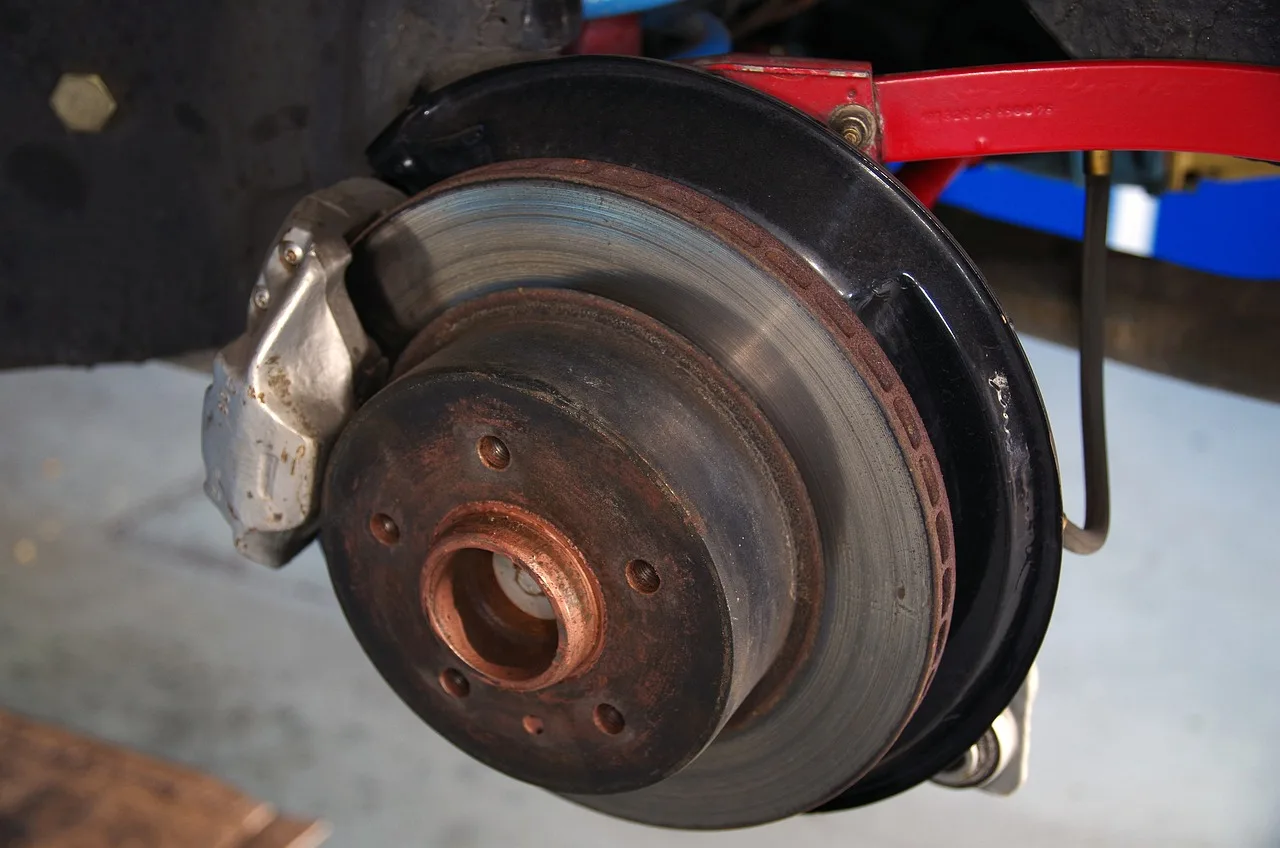
Cold weather changes how the rotor, pad, and hardware work together. Moisture can leave a thin rust layer on the rotor overnight, and that film can make the first brake application noisy. Brake systems should be checked when symptoms change, and unusual noise is a reason to inspect the system. The first few cold stops often sound rough because the pads are cleaning the rotor face.
The first stop is often loudest because the brake surfaces have not yet cleaned themselves. A light rust film, dew, frost, or snow melt can sit on the rotor face until the pads wipe it away. After that, the contact pattern often gets quieter.
Why the first stop is often loudest
The first application after a cold soak is the best clue. If the squeal fades after about 2 or 3 normal stops, the issue is more likely moisture, surface rust, or winter debris than a major fault. If the same sound stays on every stop, the problem usually needs a closer look.
For example, if your car sat outside overnight in freezing weather and the first stop in the neighborhood sounds sharp, then quiets by the third light brake application, that pattern fits a temporary cold-start squeal better than a worn-pad failure.
How stop-to-stop changes help you judge severity
Noise that changes from stop to stop matters more than noise by itself. A brief squeal that fades, then stays gone for the rest of the drive, is not the same as a squeal that returns every time you slow down. Pedal feel matters too. Pulsation, a soft pedal, or extra effort points away from harmless surface noise.
- Test brakes gently in a safe area if road conditions allow.
- Note whether the sound appears only on the first 1 to 3 stops.
- Check whether the pedal feels normal or changes as the noise continues.
- Stop driving and inspect if the sound becomes grinding, scraping, or vibratory.
Why do brakes squeal only in cold weather?
Cold-only squeal usually comes from a thin moisture film, a light rust layer on the rotor, or pad material that acts differently at low temperature. That does not mean the brakes are failing. It means the surfaces are reacting to winter conditions, and the sound should fade as the brakes clean up.
Surface rust from overnight moisture
Overnight frost, dew, snow, and humidity can leave a thin rust layer on brake rotors. Brake manufacturer technical guidance commonly describes this as surface corrosion that clears after a few applications. That first rough contact can make the initial braking sound louder than usual.
This is most common after the car sits outside in wet or freezing conditions. The rotor face can feel normal once the car is rolling, then squeal during the first few pedal applications. If the sound disappears quickly, that pattern is usually consistent with surface contamination, not a major brake failure.
Pad material behavior in low temperatures
Brake pad compounds can change noise behavior in cold weather. Semi-metallic pads are often noisier, while ceramic pads are usually quieter. Brake service references from major manufacturers and training materials note that pad compound, shim design, and rotor finish all influence noise. Cold can make the noise more noticeable without reliably increasing friction, so squeal alone does not prove poor stopping power.
Glazed pads are different. A glazed pad has a hardened, glossy surface from heat or repeated light braking. It can squeal with every use and may not clean itself the way a normal pad does, so the sound can stick around after warm-up.
Salt, sand, and winter grime around the brakes
Road salt and winter grit can collect around the brakes and add squeal or grinding. Salt residue and abrasive debris can sit on the pad edge, rotor face, and hardware. Sand can act like fine grit, while salt can leave a film that keeps parts noisy until the buildup is removed.
After a salted drive, an undercarriage wash can remove some of that buildup once the brakes have cooled. If the noise fades after the next few stops, the issue was likely contamination rather than wear.
Why do brakes squeal when backing up?
Backing-up squeal often comes from pad shift or a different contact angle when the direction changes. The pads can settle slightly in one direction and then move again in reverse. If the sound appears only when backing out of a driveway, and not on forward stops, that pattern is usually different from a worn-pad problem.
Pad shift and rotor contact direction
When the car rolls backward, the pads may touch the rotor in a new spot. That can make a brief squeal or chirp. It is more common after a wet drive, after road salt exposure, or when the brake hardware is a little dry or stiff. A backing-up squeal that vanishes after a few reverse stops is more consistent with a temporary contact change than one that stays loud in both directions.
When backing-up noise points to wear
If backing-up squeal turns into grinding, scraping, or a vibration through the pedal, treat it as a warning sign. That can mean worn pads, rotor grooves, or hardware that is no longer keeping the pad aligned. Worn pads often lead to more noise, and metal-on-rotor contact is a different condition from normal winter squeal.
Suppose the rear brakes squeal only while backing out of a slushy parking space, then go quiet in forward driving. That points toward moisture, salt, or pad movement. If the same car also starts grinding at every stop, the problem has moved beyond a winter noise issue.
Winter brake parts that add noise
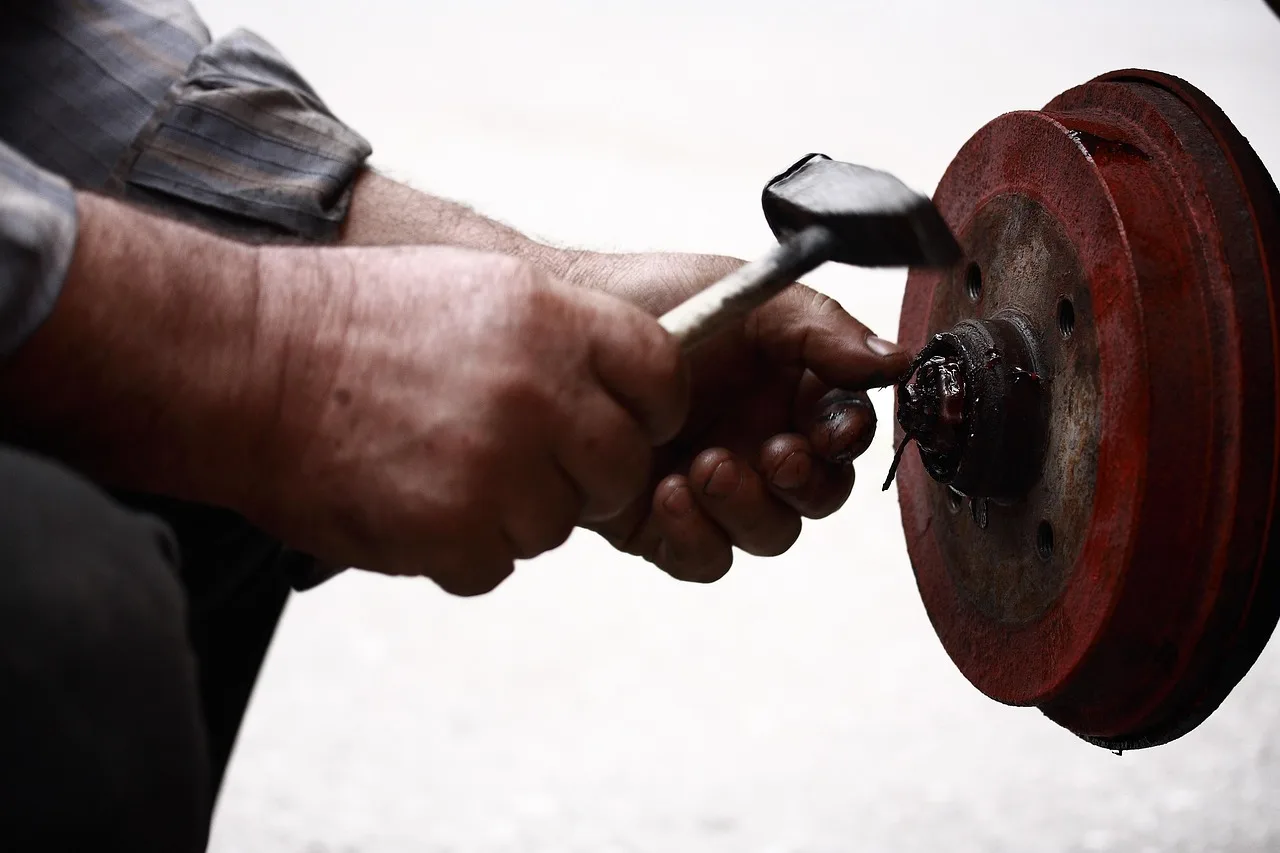
Several parts can turn a normal cold-weather squeal into a repeat problem. Pads, rotors, and hardware all matter. A winter noise that keeps returning after warm-up often means one of those parts is worn, dry, or contaminated.
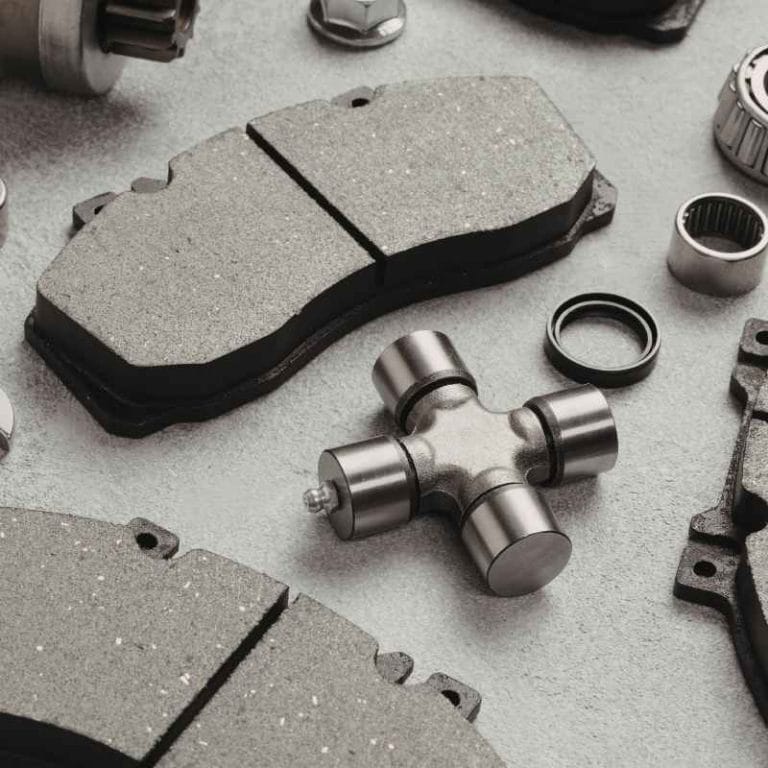
Brake pads and glazed surfaces
Brake pads wear down over time, and once they are thin, they can become noisy. If wear continues, the pad can lose material and expose backing hardware, which usually produces grinding or scraping. That is the point where inspection becomes urgent.
A glazed pad has a hardened glossy surface. It usually comes from heat or over-braking. The pad then grips poorly and can squeal on every use, even after the brakes warm up. That pattern does not behave like a one-stop winter squeal.
Brake rotors with grooves or uneven wear
Rotors with grooves or uneven wear can make pad contact less stable. Surface rust from overnight moisture is common, but deep grooves are not the same thing. If the rotor face is uneven, the noise may stay present after the first few stops and may come with pedal pulse or vibration.
Caliper slides, shims, and lubrication points
Brake hardware matters more in winter than many drivers expect. Caliper slides, shims, and lubrication points can stiffen or freeze in low temperatures. When that happens, the pads may not retract cleanly, and the brake can drag or squeal. A stuck slide is not the same as frozen moisture on the rotor.
Some winter noise clears because the heat from braking melts thin ice or moisture on the contact points. If the noise does not fade, the hardware itself may need inspection.
When squeal is a warning sign
Persistent squeal after warm-up is commonly treated as the key warning sign. So is any noise that changes braking feel. If the sound is joined by vibration, longer stopping distance, or a harsh scraping tone, do not treat it as routine winter noise. Those symptoms point to wear or damage, not normal cold-start noise.
Grinding or scraping with vibration
Grinding means something harder is contacting the rotor surface. That can happen when pads are worn down far enough to contact hardware or when a rotor is already damaged. It is not the same as a short squeal from surface rust. Grinding, scraping, and vibration generally deserve urgent attention.
Noise that stays after warm-up
Noise that remains after several stops is more likely to involve glazed pads, worn pads, rotor grooves, or sticking hardware. If the brake noise persists once the rotors are warm and dry, it should be inspected soon.
Why worn pads can damage rotors
Worn pads do more than make noise. If ignored, they can shorten rotor life and create deeper wear on the disc surface. That raises repair cost and can change braking feel. The longer worn pads are left in place, the more likely rotor damage becomes.
What to check after a snowy drive
Start with a safe brake check in a clear area. After a snowy or salted drive, make a few gentle stops and listen for change. Then check whether the noise clears, whether one wheel seems hotter than the others, and whether the pedal feels normal. If any of those checks look wrong, book an inspection.
Safe brake check in a clear area
Do not assume every winter squeal is harmless. Test gently where traffic, ice, and pedestrians are not a problem. If road conditions are icy, keep the test slow and cautious. Steady pedal pressure is the right response if ABS activates on snow or ice, and ABS operation can make a pulsing or buzzing feel that is normal for the system.
Undercarriage rinse after salt exposure
Road salt, sand, and grime can stay on brake parts after a storm. An undercarriage wash can remove some of that buildup. That is especially useful after repeated salted-road driving, because residue can keep the brakes noisy even when the pads and rotors are otherwise healthy.
When to book an inspection
Book an inspection if the squeal lasts after warm-up, returns on most drives, changes pedal feel, or comes with grinding, scraping, or vibration. Also inspect if the noise is tied to one wheel, one direction, or a stuck-feeling brake. Persistent noise is not a normal winter quirk.
Frequently asked questions
Do brakes squeak in cold weather?
Yes, they can. Cold mornings often leave a thin rust film on the rotor, and pad material can act differently at low temperature. If the sound fades after 2 or 3 stops, it is usually a cold-start noise rather than a fault. If it stays, inspect the brakes.
Why do my brakes squeal when cold?
Cold squeal usually comes from moisture, surface rust, salt residue, or pad behavior in winter conditions. The useful clue is whether the noise disappears after a few stops. A sound that sticks around after warm-up is more likely to point to glaze, wear, or hardware trouble.
Why do my brakes squeal when braking?
Squeal during braking can come from pad vibration, glazed pads, rotor film, or hardware that is dry or stiff. It is important to separate brief winter squeal from persistent noise. Grinding or vibration changes the diagnosis, because that points more toward wear or damage than simple cold-weather noise.
Why do my front brakes squeal?
Front brakes often do more work, so they can show noise first. If the squeal is from the front only, check for uneven pad wear, rotor grooves, or hardware issues on that axle. A front-only squeal that persists after warm-up deserves inspection sooner than a brief first-stop sound.
What makes brakes squeal after sitting overnight?
Overnight moisture is the usual reason. Dew, frost, snow, or humidity can leave a thin rust layer on the rotor, and a brief first-stop squeal is common. The first stop scrapes that film away, so the next few stops often sound quieter.
Sources
- National Highway Traffic Safety Administration (NHTSA), brake system safety and inspection guidance
- ASE brake inspection and service training materials
- Brake manufacturer technical literature on pad compound, rotor surface condition, and noise control
- Vehicle OEM service information for brake noise diagnosis, pad wear inspection, and caliper hardware checks
- University and technical college automotive brake service references covering friction materials, corrosion, and brake hardware function
Products related to this article
Sponsored / affiliate links. As an Amazon Associate I earn from qualifying purchases. I may earn additional commission from eligible campaigns.