Why Brakes Drag More After Overnight Freezing Temperatures
Light brake drag after an overnight freeze is often surface rust if it fades within about 50 to 100 feet. If one wheel stays hot, the car still resists rolling, or braking feel changes, treat it as a fault. Ignoring true binding can overheat pads, cook grease, and warp rotors. This guide helps you separate harmless morning rust from a stuck caliper, frozen parking brake, or hydraulic problem.
Why brakes feel stuck after a freezing night
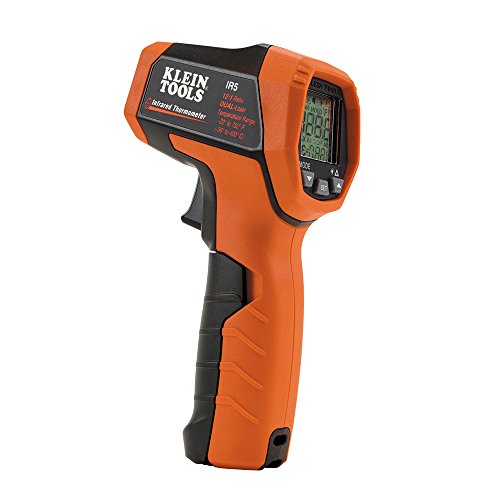
- Non-contact wheel temperature checks
- Wide temperature range
- Dual laser targeting and alarms
Cold mornings can leave a thin film of moisture on pads and rotors, then freeze it in place or turn it into light surface rust. That can make the first stop or two feel sticky. True brake binding is different. The drag stays, one wheel runs hot, or the car pulls because a part is not releasing fully.
What temporary surface rust feels like
Temporary drag usually shows up as a brief scrape, a slight grab, or a louder first stop after the car sits overnight. It should fade quickly as the pads wipe the rotor clean. The wheel should not stay much hotter than the others after a short drive.
How true brake binding feels different
Binding usually feels heavier at the pedal or as a constant resistance while rolling. You may notice a pull to one side, a burning smell, or a wheel that is clearly hotter than the rest. That points away from simple rust and toward caliper, hose, parking brake, or bearing trouble.
Overnight brake drag diagnostic matrix
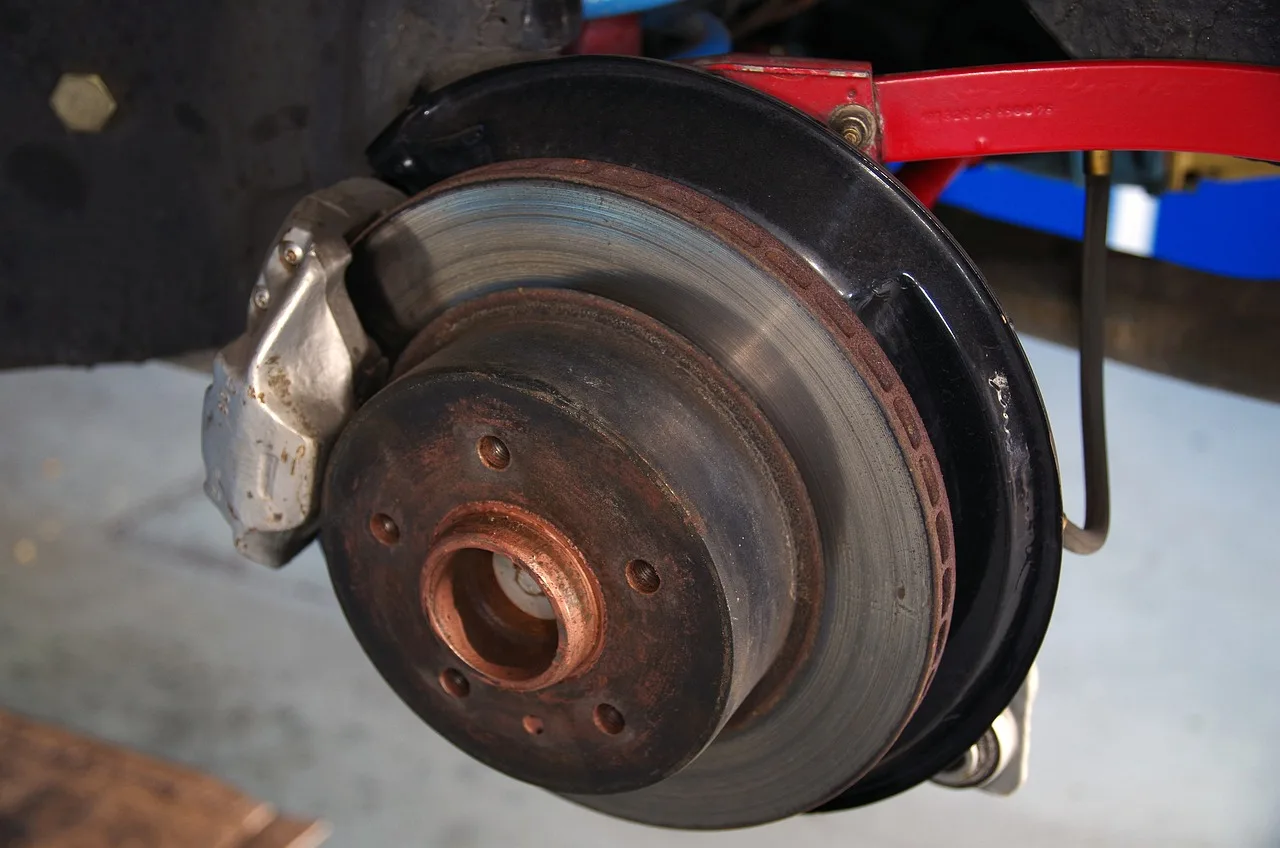
Use this matrix to separate harmless morning rust from a fault path that needs inspection. The key is to check release behavior, then wheel heat, then the likely component one system at a time.
| Symptom | Likely cause | Quick driveway check | Heat pattern | Urgency |
|---|---|---|---|---|
| Drag disappears after a few minutes | Surface rust or moisture film on pads and rotors | Drive 50 to 100 feet and recheck whether rolling improves | All wheels warm similarly, no single hot corner | Low if it clears completely |
| Both front wheels feel sluggish | General rotor rust, pad transfer, or a front hydraulic issue | Lift each front wheel and compare spin after the first stop | Both fronts warmer than the rears | Medium if it returns after warm-up |
| One front wheel drags hard | Seized caliper slide pins, piston trouble, or hose restriction | Compare that wheel’s spin and brake smell to the opposite side | One corner much hotter | High |
| One rear wheel dragging | Parking brake cable freeze, rear caliper issue, or rear hose problem | Check whether the parking brake releases fully by hand or switch | Single rear corner hot | High |
| Parking brake lever or pedal feels stuck | Cable icing or seized rear mechanism | Verify lever travel and release, then inspect rear hardware | Rear wheels hotter than normal | High |
| Pedal release feels normal but wheel stays hot | Residual hydraulic pressure or internal hose collapse | Crack the bleeder only for diagnosis by a technician, not as a roadside fix | One wheel stays hot after release | High |
| Car rolls hard at first, then frees up | Light rust bond or moisture on rotors | Note whether the drag ends within the first block | No lasting hot spot | Low |
| Noise and rough rotation continue after warm-up | Caliper, slide pins, wheel bearing, or parking brake fault | Jack and spin the wheel, then listen for grinding or growling | One wheel hotter with noise | High |
Could the parking brake be stuck?
Yes. A frozen or partly applied parking brake is one of the first things to check, especially on rear disc setups and electronic parking brakes. Cable systems can ice inside the sheath, and rear drum-in-hat or rear caliper mechanisms can hold a wheel even when the main brake pedal feels normal.
Cable freeze and rear mechanism issues
Moisture can freeze inside a parking brake cable sheath and keep the cable from returning. On rear drum-in-hat systems, the mechanism inside the rotor hat can stick from corrosion. On rear calipers, the parking brake lever or internal screw mechanism can hang up and leave rear drag behind.
Manual and electronic parking brake checks
- Release the parking brake fully. Make sure the lever, pedal, or switch reaches its normal release position. If the indicator stays on, do not keep driving until you know why.
- Check rear wheel release. Roll the car a short distance on level ground. If the rear drag persists and one rear wheel stays hot, focus on the rear parking brake hardware first.
- Listen for uneven release. A light click and then free roll is normal. A wheel that stays fixed, or takes extra throttle to move, points to cable or rear mechanism trouble.
Say an SUV with an electronic parking brake sits through a 20-degree night and then pulls out with one rear wheel hot. If the warning light clears but the wheel still resists by the end of the driveway, the fault path is not simple frost. It needs a closer look at the rear caliper mechanism and cable path, if equipped.
What one hot wheel points
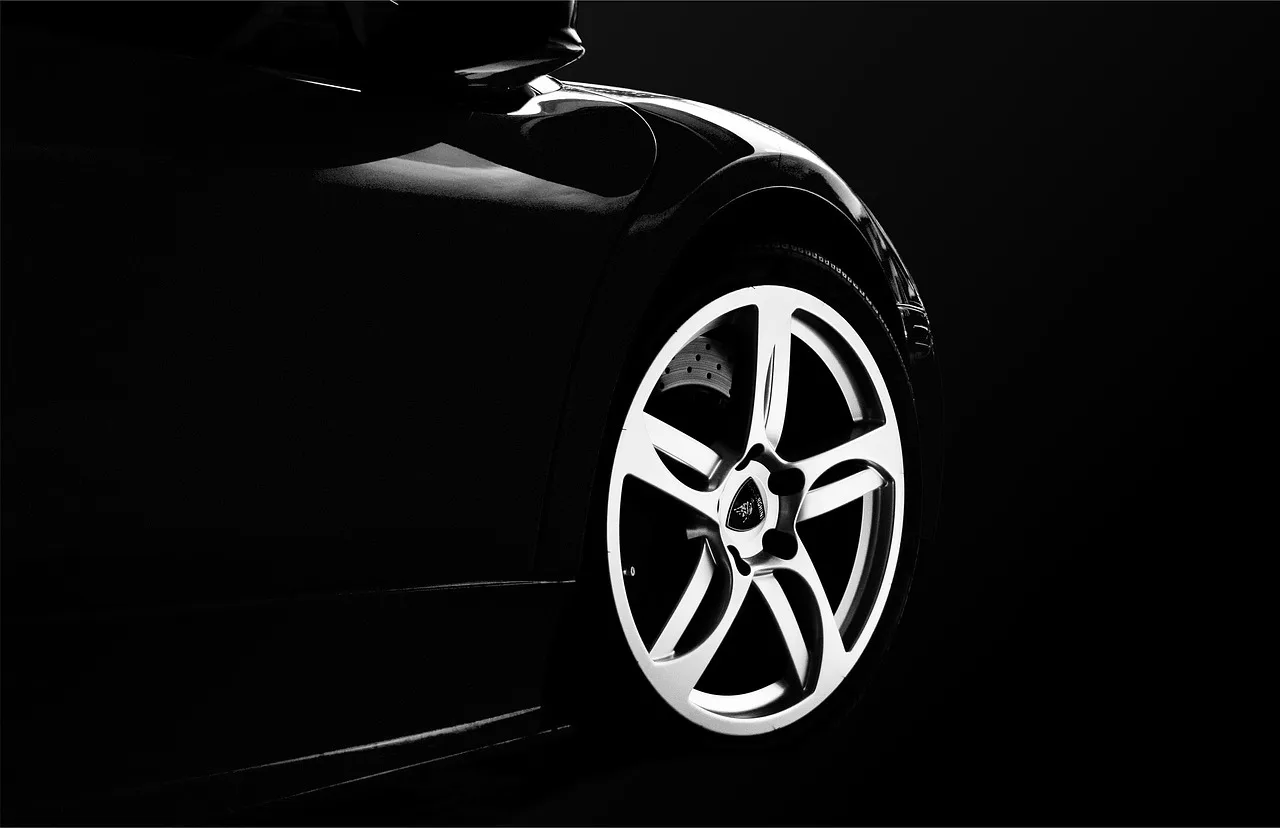
One wheel that runs hotter than the others is a strong clue. It usually points to a brake caliper, slide pin, hose, or parking brake problem on that corner. Wheel bearing heat and noise can mimic brake drag, but the pattern is usually different and worth checking separately.
Brake caliper, slide pins, and piston drag
Brake calipers depend on free slide pin movement and a piston that retracts when pedal pressure is gone. Corroded hardware, dry pins, or a seized piston can hold the pads against the rotor on one wheel. That creates one-wheel drag, uneven pad wear, and extra heat after driving.
Brake hose restriction and trapped pressure
An internal brake hose collapse can act like a check valve. Pressure goes in during the stop, then does not return quickly enough, so the wheel stays applied after pedal release. That fault often shows up as one hot wheel with normal pedal feel during the stop but lingering drag afterward.
Wheel bearing heat and noise clues
A wheel bearing can feel like drag because it adds rotation resistance, but it usually adds noise too. A rough growl, rumble, or low-speed hum that changes with steering load points more toward the bearing than the brake. Brake drag more often gives off heat and a pad smell without the same bearing-style growl.
Picture a sedan with the left front wheel too hot to hold a hand near after a six-minute drive. If the wheel also squeals when spun by hand, the left front caliper, slide pins, or hose sits higher on the list than overnight rust on both front rotors.
Rotor rust, pad contact, and winter salt
Moisture can freeze or leave a thin rust film on the rotor and pad faces overnight. That is common in winter and usually clears quickly. Road salt makes the problem worse by speeding corrosion on brackets, pads, and slide hardware, which can turn a short-lived scrape into repeat drag.
Surface rust versus heavy corrosion transfer
Light rust leaves a brief orange film and a few noisy stops. Heavy corrosion transfer or glazing can leave a rough rotor face and uneven pad contact that does not clean up fast. If the pad material looks shiny, cracked, or uneven, the issue is no longer just morning rust.
Pad wear patterns that point to a fault
Inner and outer pads should wear fairly close together. If the inner pad is much thinner, a slide pin or piston problem is likely. If both pads are worn unevenly on one wheel, the caliper may not be centered or releasing fully.
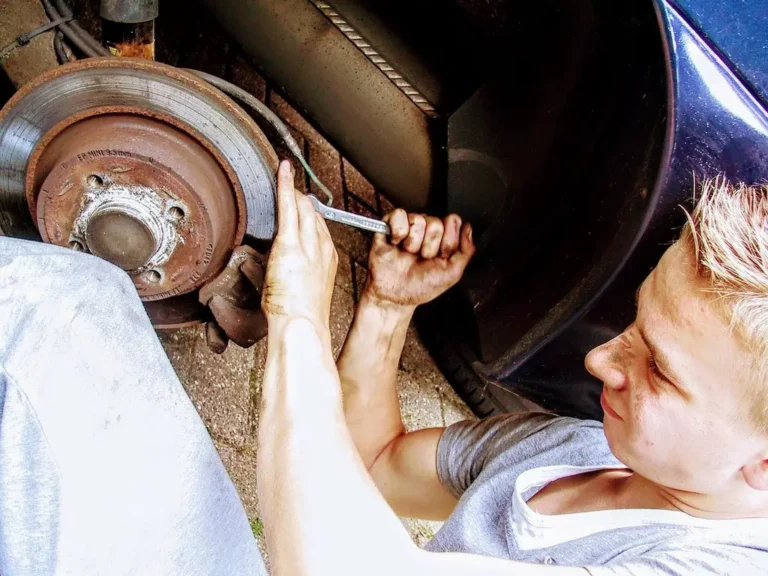
- Inspect the rotor face. Look for light orange flash rust first, then deeper pitting or blue hot spots. A thin rust film is normal after a damp freeze; blueing or heavy scoring is not.
- Compare inner and outer pads. Uneven wear tells you more than the rotor alone. A thin inner pad often points to a caliper that may not be sliding back evenly.
- Check the slide pins. Torn boots, dry grease, or seized movement can keep one pad applied. Free side-to-side movement matters because the caliper body must center itself as the pedal releases.
Brake fluid, heat, and cold-weather pressure
Brake fluid can absorb moisture over time, and that lowers its boiling point. Cold weather itself does not boil fluid, but drag heat can push a weak system toward fade or a soft pedal. If a wheel got hot from dragging, fluid condition becomes part of the inspection, not an afterthought.
Why moisture matters in winter
Moisture in the brake system can contribute to internal corrosion and poor hydraulic release over time. In freezing weather, water can also affect hoses, fittings, and parking brake hardware outside the hydraulic system. Most manufacturers give a fluid service interval; if it is overdue, that raises the value of a full brake check.
Why heat after drag changes urgency
Heat is the warning sign that separates harmless rust from a serious fault. A wheel that stays hot after a short drive can overheat grease in bearings and slide pins, glaze pads, and stress seals. The longer the heat continues, the more likely the repair grows beyond a simple cleaning.
- Check for smell and smoke. A burnt odor or visible smoke means the brake is still applying too much friction. Stop driving and let the system cool before inspection.
- Compare wheel temperatures. Use the back of a hand near each wheel without touching hot parts. One wheel that is clearly hotter than the others points to the affected corner.
- Note pedal changes. A low, spongy, or changed pedal after heat buildup suggests more than overnight rust. That can point to fluid or hydraulic trouble that needs professional diagnosis.
How do you tell normal drag from a fault?
Normal morning drag clears quickly and does not leave one wheel much hotter than the others. A fault keeps returning, pulls the car, or changes the pedal feel. The safest order is parking brake first, then roll test, then wheel-by-wheel heat check, then component isolation if the drag persists.
Roll test, coast test, and wheel heat check
- Start with the parking brake. Confirm it is fully released before moving the car. This avoids mistaking a stuck rear brake for a caliper or hose fault.
- Perform a short roll test. Move the car 50 to 100 feet on level ground. If the drag fades completely after about 50 to 100 feet, light surface rust is the likely cause.
- Check each wheel for heat. Compare all four wheels after the short drive. One hot corner is the clue that narrows the diagnosis.
- Isolate the suspect corner. Look at caliper slide pins, piston movement, hose condition, and parking brake hardware on that side. If a bearing is noisy or rough, inspect that too.
When the drag clears versus keeps returning
If the drag clears after a few stops and never returns, the problem was probably overnight rust or moisture. If it clears and then comes back after warm-up, that is a different pattern. Repeated drag, heat, or pull means the part is not releasing as it should.
Frequently asked questions
Why do my brakes drag more after freezing overnight?
Overnight cold can leave moisture on rotors, pads, cables, and hardware. That moisture may freeze or make light surface rust, which adds brief drag on the first stop or two. If the drag lasts past the first block or one wheel stays hot, the cause is more than frost.
Can cold weather make brake pads stick to rotors?
Yes. A thin rust layer or moisture film can make pads cling lightly to the rotor surface after a freeze. That should clear quickly with normal driving. If the pad stays stuck, especially on one wheel, look for caliper, slide pin, or parking brake trouble.
Is brake drag after frost normal or a sign of a problem?
Brief drag that disappears within 50 to 100 feet is often normal after a damp freeze. A sign of a problem is heat that stays at one wheel, a car that still resists rolling, or a brake pedal that feels changed. Those signs point to binding, not simple rust.
Why does my car feel harder to roll after a freezing night?
Frozen moisture, surface rust, or a partially applied parking brake can all add resistance. The difference is duration and pattern. If the car frees up quickly, the cause is usually temporary. If it feels stuck on one corner or one axle, inspect that system first.
Can frozen calipers or parking brakes cause drag?
Yes. Frozen or corroded slide pins, a sticking piston, or a cable that iced in place can all keep the brakes applied after release. Rear disc systems and electronic parking brakes deserve extra attention because their release parts can hang up without obvious pedal changes.
When should I stop driving and get the brakes inspected?
Stop driving if a wheel is much hotter than the others, if you smell burning, see smoke, hear grinding, or feel a strong pull. Also stop if the drag persists after warm-up or keeps returning. Those signs mean the brake system may be overheating and needs inspection now.
Products related to this article
Sponsored / affiliate links. As an Amazon Associate I earn from qualifying purchases. I may earn additional commission from eligible campaigns.
 Brake Bleeder Kit Automotive,Brake Fluid Bleeder Exchanger Machines,Brake Oil Fluid Extractor Pump,Professional Pulsating Brake Oil Fluid Bleeding Tool,Automatic Vacuum Brake Bleeder One Person
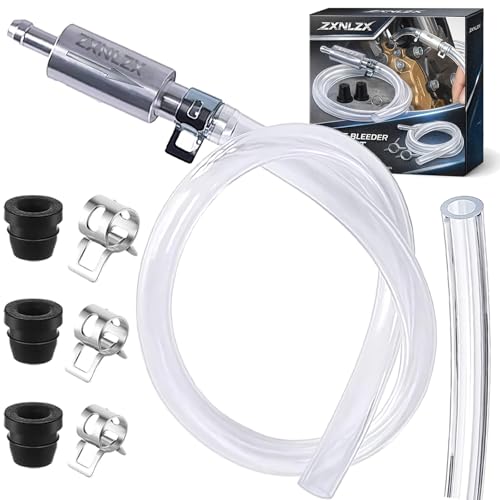 Brake Bleeder Hose - One Way Check Valve Tube Bleeding Tool Kit for Hydraulic System Bleeding for Car Motorcyle Clutch (1PCS)