How to Stop Car Brake Squeal for Good (Proven Methods)
Few automotive problems are as irritating—or as embarrassing—as the high-pitched squeal of brakes when you slow your car. The shrill noise can turn heads for all the wrong reasons, make you worry about safety, and even hint at costly repairs. Whether you drive a new sedan or a well-loved truck, brake squeal is a common complaint that affects both novice drivers and car enthusiasts alike.
But here’s the good news: that annoying squeal isn’t something you just have to live with. Modern automotive research and decades of real-world experience have revealed proven, practical methods to stop brake squeal for good. Whether your goal is to maintain peace and quiet, improve vehicle safety, or simply avoid embarrassment at stoplights, this comprehensive guide will show you exactly how to tackle brake noise using the most effective strategies available today.
Key Takeaways
- Brake squeal is most often caused by vibration between brake components, not always by worn-out parts.
- Using high-quality brake pads and proper installation techniques dramatically reduces squeal risk.
- Regular cleaning, lubrication, and periodic inspection are crucial for long-term brake quietness.
- DIY solutions like anti-squeal shims and sprays can offer immediate relief, while professional diagnosis may be needed for persistent issues.
- Neglecting brake noise can lead to safety concerns and higher repair costs in the long run.
Understanding Brake Squeal: Causes And Myths
Brake squeal is a classic case of a small problem that sounds much worse than it is. Before reaching for your toolbox or scheduling a service appointment, it’s crucial to understand what causes that ear-piercing noise—and what doesn’t.
What Really Causes Brake Squeal?
At its core, brake squeal is caused by vibrations between brake components—usually the brake pad and rotor—when you apply the brakes. These vibrations generate high-frequency sound waves, which we perceive as squealing. Several factors contribute to these vibrations:
- Pad material and composition: Different pad materials interact with rotors in unique ways, creating varying friction coefficients. For example, semi-metallic pads tend to be noisier due to their harder structure, while ceramic pads generally produce less vibration thanks to their uniform composition.
- Rotor surface condition (rust, scoring, glazing): Rotors that develop surface irregularities like grooves, rust, or glazing (a shiny, hard layer from excessive heat) are more likely to cause uneven contact with pads, amplifying vibration and noise.
- Lack of lubrication on contact points: Brake systems rely on small amounts of specialized lubricant at key points to minimize metal-on-metal friction. Without lubrication, even well-installed brakes can squeal.
- Improper pad installation or fit: Pads must sit perfectly flush against the rotor. If installed at an angle, or if hardware is missing, small gaps can create resonance and noise.
- Missing or worn anti-rattle clips/shims: These components keep pads stable and absorb vibration. When they are worn or absent, the pads can rattle and squeal.
Even minor misalignments or debris can trigger squeal, making attention to detail during installation and maintenance essential.
Common Myths About Brake Squeal
Many drivers believe brake squeal is always a sign of worn-out brakes or imminent failure. In reality, even brand-new brakes can squeal if not installed or maintained correctly. Here are a few myths debunked:
- Myth: Only old or cheap brakes squeal.
- Fact: Even premium pads can make noise if installed improperly or if the rotor surface is compromised.
- Myth: Squeal means your car is unsafe.
- Fact: Squeal often signals vibration, not necessarily a safety issue—unless accompanied by grinding or reduced braking performance. In most cases, squeal is a nuisance, not a warning of impending failure.
- Myth: Wet weather always causes brake squeal.
- Fact: Moisture can temporarily increase noise, but persistent squeal points to other issues such as contaminated pads, rust, or improper installation. Squeal from moisture usually disappears after a few stops.
It’s important to separate myth from fact to avoid unnecessary repairs and anxiety.
The Science Behind Brake Noise
According to research published by the Society of Automotive Engineers (SAE International), brake noise is a function of friction-induced vibration, material properties, and the geometry of the brake system. The interaction between the pad and rotor can create a feedback loop, amplifying certain frequencies that result in squeal.
The frequency of brake squeal typically ranges from 1,000 to 16,000 Hz, which is why it sounds so sharp and piercing to the human ear. Engineers use computer modeling and physical testing to minimize these vibrations, but variances in pad and rotor manufacturing, installation, and even driving style can affect the outcome.
When Is Squeal A Serious Problem?
While most brake squeal is simply a nuisance, it can also signal:
- Worn brake pads approaching minimum thickness: When pads are near the end of their usable life, wear indicators (metal tabs) intentionally produce a squeal to alert you.
- Loose or missing hardware: Bolts, clips, or shims that become loose or fall out can cause excessive movement and vibration, leading to noise and, in severe cases, brake failure.
- Cracked or warped rotors: Rotors that have been overheated or subjected to uneven torque can warp or crack, creating irregular contact surfaces and increased noise.
If squeal is accompanied by grinding, vibration in the pedal, or reduced stopping power, immediate inspection is warranted. These symptoms often indicate deeper mechanical issues and should not be ignored.
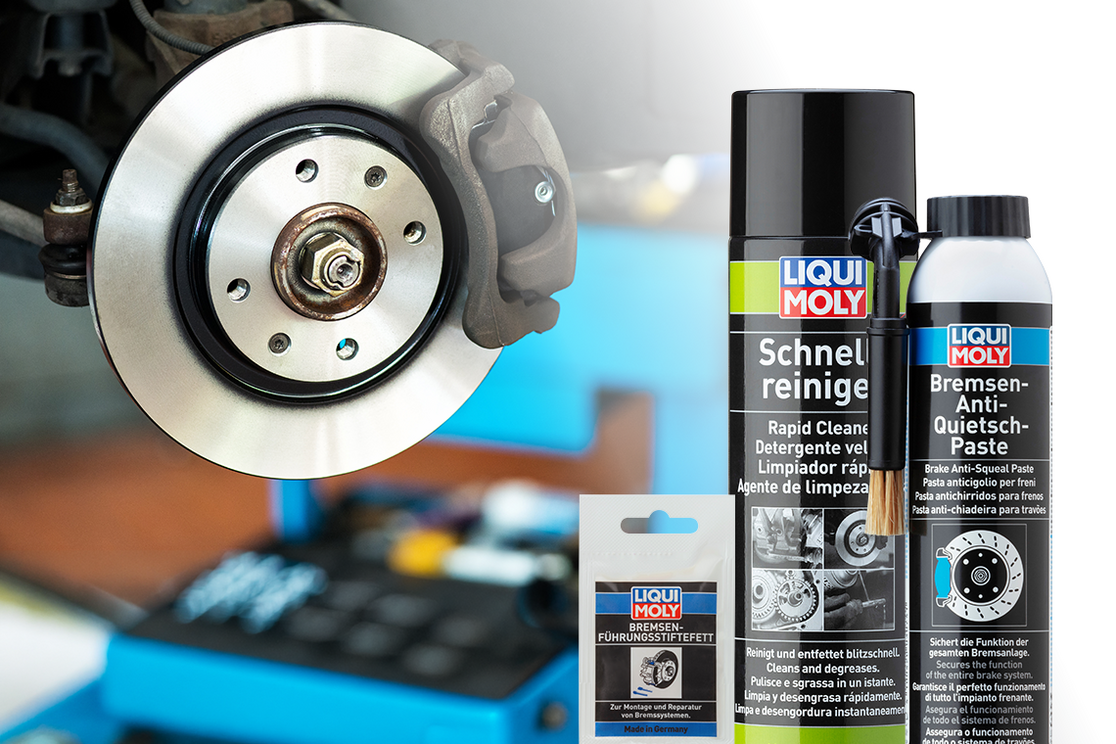
Credit: www.liqui-moly.com
Proven Methods To Stop Brake Squeal
Eliminating brake squeal requires a mix of preventive care, proper installation, and, when necessary, targeted upgrades. Here’s how to silence your brakes for good.
Choose The Right Brake Pads
The quality and composition of your brake pads play a central role in preventing squeal.
Types Of Brake Pads
| Pad Type | Noise Level | Durability | Best For |
|---|---|---|---|
| Organic | Low | Moderate | Everyday driving |
| Semi-metallic | Moderate | High | Performance, heavy vehicles |
| Ceramic | Very Low | High | Luxury, quiet rides |
Ceramic pads are renowned for their quiet operation, while semi-metallic pads, though durable, are more prone to squeal. For most drivers seeking quiet performance, ceramics or high-quality organics are the best bet.
Upgrade To Low-noise Pads
Look for pads marketed as “low-dust” or “quiet” and check for features like chamfered edges and slotted surfaces. These design tweaks help break up vibration patterns that cause squeal. Additionally, reputable brands often incorporate advanced friction materials and noise-suppressing technology, making them ideal for drivers in urban settings or those desiring a premium driving experience.
Proper Installation Techniques
Even the best pads can squeal if not installed correctly.
Use Brake Lubricant
Apply high-temperature brake grease to the back of the pads, the caliper slide pins, and any contact points where metal meets metal (but never on the friction surface). This absorbs vibrations and prevents noise. Careful application is crucial; too much lubricant can attract dust, while too little won’t provide adequate vibration damping.
Install Anti-squeal Shims
Most modern pads come with anti-squeal shims—thin layers of rubber or metal that act as sound barriers. Ensure these are installed, or upgrade to aftermarket shims if missing. Shims are especially effective in vehicles with floating calipers, where movement is more likely to induce vibration.
Torque Hardware To Spec
Over- or under-tightening the caliper bolts can cause misalignment and vibration. Always use a torque wrench and follow manufacturer specs. This step prevents unnecessary movement and ensures even pad contact, which is essential for noise-free braking.
Maintain Clean Brake Components
Dirt, dust, and rust are prime contributors to brake squeal.
Clean Rotors And Pads
Periodically remove the wheels and use brake cleaner to remove dust and debris from rotors, pads, and calipers. Avoid using compressed air, which can disperse harmful asbestos fibers in older pads. A clean environment ensures optimal pad-to-rotor contact and reduces the risk of airborne contaminants causing squeal.
Address Rotor Surface Issues
Glazed (shiny) or scored (grooved) rotors can exacerbate noise. If rotors are in poor condition, have them resurfaced (“turned”) or replaced. In cases of mild glazing, light sanding with fine-grit emery paper can restore the surface and improve braking performance.
Lubricate And Secure Brake Hardware
Neglected hardware can be a hidden source of persistent squeal.
Lubricate Slide Pins And Contact Points
Dry or corroded slide pins can cause uneven pad wear and noise. Clean and lubricate these every time you service your brakes. Proper lubrication allows the caliper to move freely and ensures consistent braking force.
Replace Worn Clips And Springs
Anti-rattle clips, pad retaining springs, and caliper abutment hardware lose tension over time. Replace any that appear worn, bent, or corroded. Regular inspection and replacement of these components prevent pads from shifting and vibrating.
Diy Anti-squeal Products
A variety of products are designed to specifically target brake squeal for DIYers.
Anti-squeal Sprays And Compounds
Apply a thin layer of anti-squeal compound to the back of the brake pads before installation. These adhesives stay tacky, absorbing vibration at the source. For best results, allow the compound to cure according to the manufacturer’s instructions before reinstalling the pads.
Brake Quiet Shims
Aftermarket shims can be added to most brake systems for extra noise dampening. Choose reputable brands with proven results. Some shims use advanced materials like Teflon or rubber composites for superior vibration absorption.
Real-world Example: Diy Fix Success
A 2018 Toyota Camry owner struggled with brake squeal after a pad change, despite new hardware. After applying a commercial anti-squeal spray and properly lubricating the slide pins, the noise stopped entirely—proving that sometimes, the simplest solutions work best. This scenario underscores the importance of thorough cleaning and proper use of anti-squeal products.
Upgrade Rotors And Calipers
Sometimes, the root cause of squeal is the brake hardware itself.
Opt For Premium Rotors
Slotted or drilled rotors dissipate heat and gases, reducing squeal risk. High-quality rotors are machined to tighter tolerances, minimizing vibration. For vehicles that experience heavy braking (such as towing or performance driving), premium rotors can make a noticeable difference in noise reduction.
Consider Performance Calipers
For high-performance or heavy vehicles, upgrading calipers to multi-piston models can ensure more even pressure distribution and reduced noise. Multi-piston calipers help maintain consistent pad contact and minimize vibration, especially during aggressive braking.
Seek Professional Diagnosis For Persistent Squeal
If you’ve tried everything and the squeal persists, it’s time for expert help.
Advanced Diagnostic Tools
Shops use tools like Chassis Ears (special microphones) to pinpoint the exact source of brake noise. This can reveal issues like caliper misalignment, hub runout, or even suspension-related vibrations. Technicians may also use oscilloscopes and vibration analyzers to identify problematic frequencies.
Manufacturer Tsbs (technical Service Bulletins)
Some vehicles have known brake noise issues addressed by manufacturer-issued TSBs. Dealers can apply factory-approved fixes, sometimes at no cost. These fixes may include updated pads, shims, or even revised caliper designs.
Case Study: Professional Shop Intervention
A 2016 Honda Accord repeatedly developed brake squeal despite pad and rotor replacement. A specialty shop diagnosed uneven hub surfaces, which caused rotor misalignment. Machining the hub and reinstalling the rotors solved the issue permanently. This case highlights the value of professional diagnostics when DIY solutions fail.

Credit: www.caranddriver.com
Routine Maintenance To Prevent Brake Squeal
Preventing brake squeal is easier—and less expensive—than fixing it after it starts. Incorporate these best practices into your regular maintenance routine.
Regular Inspection Schedule
Industry experts recommend inspecting your brakes at least every 12,000 miles or once per year. Look for:
- Pad thickness (replace if less than 3mm): Thin pads not only squeal but also provide reduced braking performance.
- Rotor surface condition: Check for grooves, rust, and glazing, as these can accelerate pad wear and increase noise.
- Hardware integrity: Inspect all clips, shims, and bolts for signs of wear or corrosion.
More frequent inspections are advised for vehicles used in harsh environments or for commercial fleets.
Keep Components Clean
If you drive in dusty, salty, or wet environments, wash your wheels and brakes regularly to prevent buildup. Using a hose to rinse brake components can help remove salt and dust, which are common culprits of squeal.
Replace Parts Before They Fail
Don’t wait for squeal or performance loss. Replace pads and rotors at the end of their service life, not after. Proactive replacement prevents damage to other brake system components and maintains optimal performance.
Lubricate During Every Service
Each time you rotate your tires or perform a brake job, clean and re-grease all moving parts. Using high-quality, high-temperature lubricants ensures longevity and noise-free operation.
Real-world Example: Fleet Maintenance Success
A delivery company with a fleet of 50 vans implemented a quarterly brake inspection and cleaning program. After six months, instances of brake squeal dropped by 75%, and overall brake service costs decreased by 18%. The program included comprehensive cleaning, lubrication, and scheduled replacement of worn hardware, demonstrating that systematic maintenance can yield both quieter operation and financial savings.

Credit: www.youtube.com
Choosing The Right Brake Parts: A Data-driven Guide
Component choice is critical for quiet, reliable braking. Here’s how to choose wisely based on data and expert recommendations.
Compare Pad Materials And Brands
| Brand | Type | Noise Rating (1-10)* | Longevity (Miles) | Price (per axle) |
|---|---|---|---|---|
| Akebono | Ceramic | 2 | 45,000 | $60–$90 |
| Wagner ThermoQuiet | Semi-metallic | 4 | 40,000 | $50–$80 |
| PowerStop Z23 | Ceramic | 1 | 50,000 | $80–$110 |
| OEM (Toyota/Honda) | Organic/Ceramic | 3 | 40,000 | $70–$120 |
*Lower noise rating = less likely to squeal.
Review independent tests and customer feedback to ensure the pads you select offer both quiet operation and durability. High-performance brands often publish data on noise levels and longevity, helping you make informed decisions.
Rotor Quality And Design
Higher-quality rotors with precision-machined surfaces and anti-corrosion coatings not only last longer but also reduce noise. Look for brands with OEM certifications or positive independent reviews. Slotted and drilled designs are ideal for drivers seeking improved cooling and reduced squeal, especially in performance applications.
Aftermarket Vs. Oem: What’s Best?
OEM (Original Equipment Manufacturer) parts are designed for your specific vehicle, but reputable aftermarket brands can offer superior noise control and performance at a lower price. Always read reviews and check for warranty coverage. Aftermarket options may include enhanced materials and innovative designs that target common squeal issues.
Where To Buy Quality Parts
- Dealerships for OEM
- Trusted auto parts retailers like AutoZone or Advance Auto Parts
- Specialty online sites with verified reviews
For more on brake part quality, see this guide from the Consumer Reports.
Diy Vs. Professional Repair: What’s Right For You?
While many brake squeal fixes are accessible for DIYers, some situations demand professional expertise. Here’s how to decide.
When Diy Makes Sense
- Basic pad and rotor replacement: With the right tools and attention to detail, most drivers can handle this task.
- Cleaning and lubrication: Routine maintenance like cleaning rotors and lubricating slide pins is straightforward and highly effective.
- Installing anti-squeal shims: Shims are easy to install and offer immediate relief from squeal.
If you have basic tools, patience, and follow instructions, you can address most squeal issues at home. Always use jack stands and safety gear. Watching video tutorials and reading manufacturer guides can bolster your confidence and ensure success.
When To Call A Pro
- Squeal persists after DIY fixes: If noise returns or never disappears, professional diagnosis is necessary.
- Signs of uneven wear, warping, or grinding: These issues can indicate deeper mechanical problems.
- ABS or brake warning lights illuminated: Modern brake systems are complex, and electronic issues often require specialized equipment and expertise.
Professional shops have diagnostic tools and access to TSBs that can quickly pinpoint stubborn problems. They can also ensure all repairs meet safety standards and manufacturer guidelines.
Cost Comparison: Diy Vs. Professional
| Service | DIY Cost | Professional Cost | Time Investment |
|---|---|---|---|
| Pad Replacement (per axle) | $40–$110 | $150–$300 | 1–2 hours |
| Rotor Replacement (per axle) | $60–$200 | $200–$400 | 1–2 hours |
| Anti-Squeal Treatment | $5–$30 | $30–$80 | 30 mins |
| Full Diagnostic | – | $100–$200 | 1 hour |
DIY repairs can save hundreds of dollars but require time, effort, and willingness to learn. Professional repairs offer peace of mind and warranty coverage, but at a higher cost.
Case Study: Diy Saves Big
A 2017 Ford F-150 owner noticed squeal after 25,000 miles. After researching online and watching tutorials, they replaced their own pads and lubricated all hardware for under $100—saving over $250 versus a local shop quote. The owner reported quieter brakes and improved performance, demonstrating the value of DIY solutions when done correctly.
Ensuring Quality And Safety
If you go the DIY route, follow manufacturer instructions to the letter and double-check your work. Test brakes at low speed in a safe area before resuming normal driving. Always inspect for leaks, proper pad placement, and secure hardware before completing the job.
For detailed DIY brake tips, see Popular Mechanics.
Advanced Solutions For Chronic Brake Squeal
If you’ve tried every standard fix and squeal persists, advanced techniques may be needed. These are especially relevant for performance vehicles, luxury cars, or vehicles with unique brake designs.
Resurface Or Replace Rotors
Over time, rotors can develop runout (wobble) or uneven wear. Machining the rotor surface restores even contact with the pad. If the rotor is below minimum thickness, replacement is necessary. Precision resurfacing can eliminate minor imperfections, while new rotors ensure a fresh, perfectly flat surface.
Upgrade To Performance Brake Kits
Some vehicles, especially sports cars, benefit from performance brake kits that include multi-piece rotors, carbon-ceramic pads, and reinforced hardware. These systems are designed for both high performance and low noise. While more expensive, performance kits provide superior stopping power and longevity.
Adjust Pad Bedding-in Procedures
Properly bedding in new pads and rotors ensures an even transfer layer, reducing noise. This involves a series of moderate stops from 30–40 mph to gradually heat and mate the surfaces. Failure to follow recommended bedding procedures can lead to uneven pad deposits and increased squeal.
For an in-depth guide on pad bedding, see Racecar Engineering.
Suspension And Alignment Checks
Occasionally, squeal originates not from the brakes but from suspension issues that affect brake alignment. Worn bushings, ball joints, or wheel bearings can cause vibration and noise. A thorough inspection by a qualified technician is advised. Proper suspension alignment ensures the brake components operate harmoniously and minimizes unwanted vibrations.
Manufacturer Recalls And Service Campaigns
Rarely, persistent brake squeal is due to a manufacturing defect. Check with your dealer or the National Highway Traffic Safety Administration (NHTSA) for active recalls or service campaigns related to your vehicle’s brakes. Recalls may cover replacement of pads, rotors, calipers, or hardware at no cost.
Frequently Asked Questions
What Causes My Brakes To Squeal Only When Backing Up?
Brake squeal when reversing is often due to surface rust or dust buildup on the rotor, especially after overnight parking or in humid conditions. It can also result from rear brake shoe vibration or worn anti-rattle clips. Cleaning and lubricating the components usually resolves the issue. If noise persists, inspect hardware and pad fitment.
Can I Use Wd-40 Or Household Oils To Stop Brake Squeal?
No. WD-40 and household oils are not designed for high temperatures and can contaminate the brake surfaces, severely reducing braking effectiveness and causing dangerous conditions. Always use specialized high-temp brake lubricants or anti-squeal compounds made for automotive use. Improper products can lead to brake failure and costly repairs.
How Long Should New Brakes Squeal Before It’s A Concern?
A slight squeal for the first 50–100 miles after new pad installation is normal as the pads bed in. Persistent or worsening noise after this period signals a problem—most commonly improper installation, lack of lubrication, or incompatible pad/rotor materials. If squeal remains after bedding, inspect installation and hardware.
Are Squeaky Brakes A Sign I Need To Replace Them?
Not always. While worn-out pads can squeal, noise can occur with new brakes due to hardware, dust, or installation errors. Inspect pad thickness and condition, and address squeal promptly to avoid uneven wear or damage. Routine maintenance and cleaning are often all that’s needed.
Is It Safe To Drive With Squealing Brakes?
Occasional squeal without other symptoms is generally safe, but constant or worsening noise—especially if combined with grinding or poor performance—warrants immediate inspection. Ignoring chronic squeal can lead to expensive repairs and compromised safety. Always err on the side of caution.
Resources And Further Reading
For more in-depth coverage and expert advice, check these external resources:
- NHTSA: Brakes and Related Components
- YourMechanic: Why Do Brakes Squeal?
- Wikipedia: Disc Brake Squeal
Silencing brake squeal for good is entirely achievable—often with simple maintenance, smart product choices, and attention to detail. By following the proven strategies outlined here, you’ll enjoy quieter, safer driving and avoid the frustration of unwanted brake noise. Remember, investing a little time and care now can save you from bigger headaches—and expenses—down the road.
Products related to this article
Sponsored / affiliate links. As an Amazon Associate I earn from qualifying purchases. I may earn additional commission from eligible campaigns.