Why Is My Car Light Not Turning Off? Fix It Fast
Dashboard warning lights indicate a problem with your vehicle’s systems. If a light stays on after you turn off the engine, or a specific light like headlights won’t turn off, it points to a malfunction that needs attention. Common reasons include sensor issues, electrical problems, or low fluid levels.
Addressing it promptly can prevent bigger issues.
Understanding What a Persistent Car Light Means
When a car light not turning off on your dashboard, it’s your car’s way of talking to you. It’s telling you something isn’t quite right. Modern cars have many sensors.
These sensors watch things like your engine oil, tire pressure, brakes, and electrical system. If a sensor detects a problem, it sends a signal.
This signal tells your car’s computer to turn on a warning light. The light’s color and symbol give you clues. Red lights often mean something serious.
Yellow or orange lights usually mean a less urgent issue, but one you should still check soon. Green or blue lights are often just informational, like your high beams are on.
If a light stays on even after the car is off, it means the problem is persistent. It’s not a one-time glitch. The car’s computer still sees an issue in the system it’s monitoring.
This could be a faulty sensor that’s always reporting a problem. Or it could be a genuine issue with a component that needs fixing.
Sometimes, it’s not a dashboard light. Maybe your headlights won’t turn off. Or your interior dome light stays on.
This points to a problem with the light’s switch, its wiring, or the control module that operates it. These issues can drain your battery if left unaddressed.
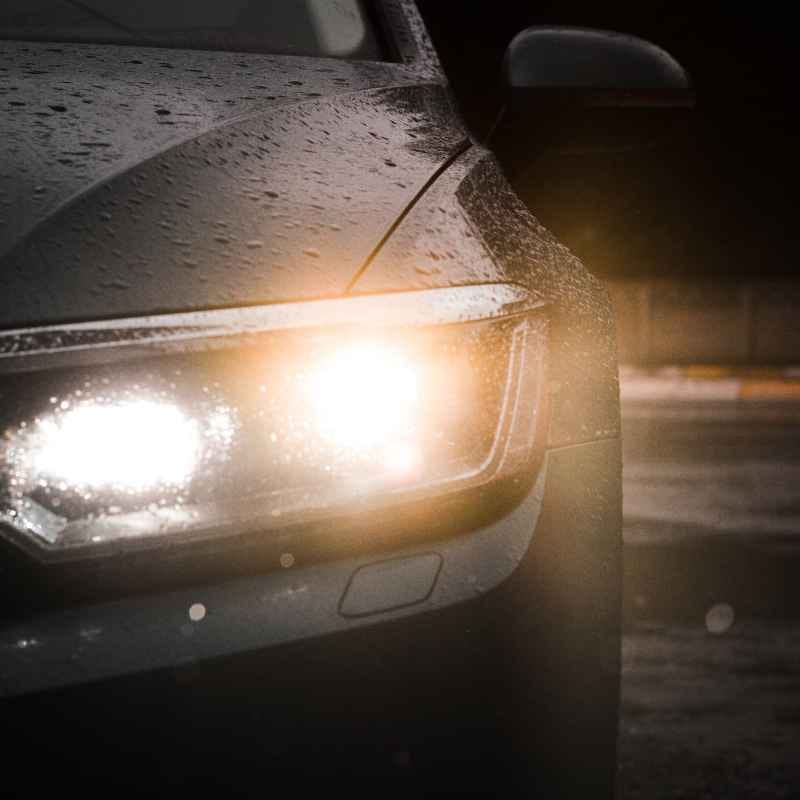
My Own Headlight Nightmare
I remember one chilly evening, about three years ago. I’d just finished a long drive home. I pulled into my driveway, killed the engine, and took my keys out.
But then, I heard it. A faint hum. I looked outside.
My headlights were still on, blazing into the dark yard. My heart sank a little.
I knew this wasn’t right. I tried turning the light switch off and on. Nothing changed.
I jiggled the steering wheel. No luck. A wave of annoyance washed over me.
It was late. I was tired. The last thing I wanted was to figure out a car problem.
I pictured my car battery dying overnight. That would mean a stressful call to a tow truck. I felt a pang of dread, thinking about how much this might cost to fix.
Common Reasons Your Car Light Stays On
There are several common culprits when a car light not turning off. Understanding these can help you pinpoint the issue.
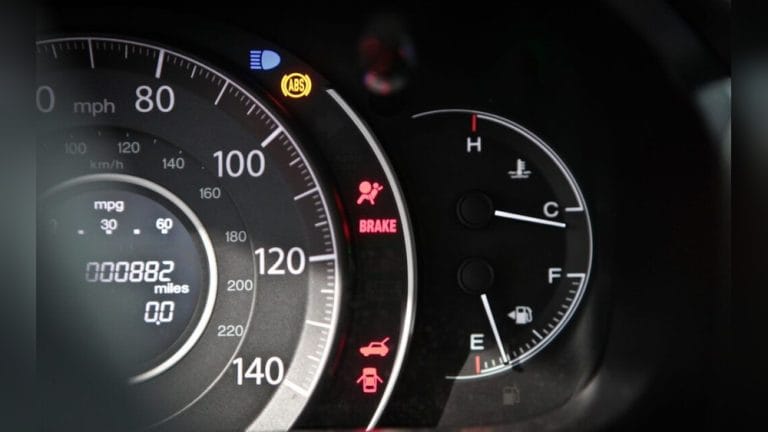
Dashboard Warning Light Causes
- Engine Light (Check Engine Light): This is the most common. It can mean anything from a loose gas cap to a serious engine misfire.
- Oil Pressure Light: Usually means your oil level is too low or the oil pump is failing. This is serious.
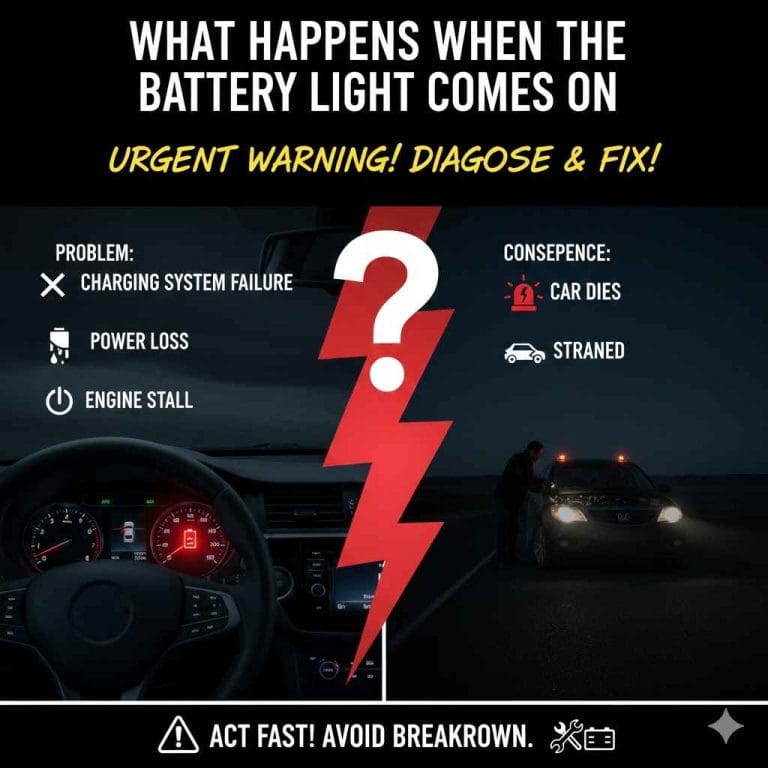
- Battery Light: Indicates a problem with your charging system. Your alternator might not be working.
- Brake System Light: Can signal low brake fluid, worn brake pads, or a problem with the anti-lock braking system (ABS).
- Tire Pressure Monitoring System (TPMS) Light: Your tire pressure is low. Check all your tires, including the spare.
- ABS Light: Shows an issue with the anti-lock braking system. Your regular brakes should still work, but ABS might not.
- Airbag Light: Points to a fault in the airbag system. Safety is compromised.
For lights that stay on even when the car is off, it’s usually an electrical issue. This could be a faulty switch, a wiring problem, or a control module that’s stuck.
When the Headlights Won’t Quit
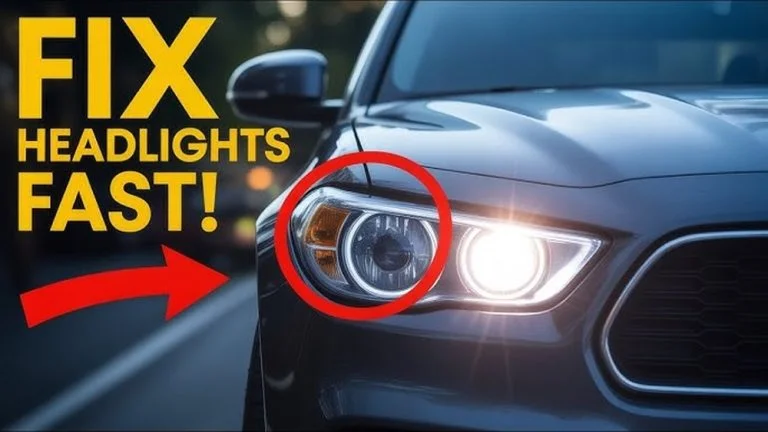
Let’s talk more about those lights that just won’t go off. If your headlights are staying on, this often points to a problem with the headlight switch itself. Or it could be the automatic headlight sensor if your car has one.
These sensors detect light levels and turn your lights on automatically.
Sometimes, a relay or fuse related to the lighting system can get stuck. This keeps the circuit powered even when it shouldn’t be. Wiring issues are also a common cause.
A frayed wire or a loose connection can create a short circuit, keeping the lights on. It’s like leaving a light switch permanently in the “on” position.
Focus on the Headlight Switch
What it does: The headlight switch tells your car when to turn the lights on and off. It’s usually a knob or a stalk near your steering wheel.
Common problems: These switches can wear out over time. Dirt or moisture can also cause them to malfunction. A stuck switch can keep power flowing to your headlights, even when the ignition is off.
Another possibility is the body control module (BCM). This is a computer that controls many of your car’s electrical functions, including lights. If the BCM malfunctions, it can cause odd behavior like lights staying on.
The Loose Gas Cap Conundrum
One of the simplest and most common reasons the check engine light stays on is a loose or damaged gas cap. Yes, really! Your car’s evaporative emission control system (EVAP) is designed to prevent fuel vapors from escaping into the atmosphere.
It relies on a sealed fuel system.
If the gas cap isn’t tightened properly, or if its seal is cracked, fuel vapors can escape. The car’s computer detects this leak and turns on the check engine light. It’s a very basic but important check.
Most people overlook this simple step when the check engine light comes on.
Quick Check: The Gas Cap
Action: Remove your gas cap. Check the rubber seal for cracks or damage. Reinstall it, turning it until it clicks at least once, preferably three times.
This ensures a tight seal.
What to expect: It might take a few driving cycles (starting and stopping your car) for the check engine light to turn off after fixing the gas cap issue.
If tightening or replacing the gas cap doesn’t solve the problem, the EVAP system might have a more serious leak. This could involve hoses, valves, or other components that need repair.
What About Tire Pressure Lights?
The Tire Pressure Monitoring System (TPMS) light is designed to alert you when your tire pressure is too low. This is crucial for safety and fuel efficiency. If this light stays on, it usually means one or more of your tires needs air.
However, the TPMS light can also stay on for other reasons. Sometimes, after you’ve added air to your tires, the system needs a reset. This might require driving a short distance.
In other cases, the TPMS sensors themselves can fail. These sensors are located inside each tire. They can be affected by extreme temperatures or physical damage.
The TPMS control module can also have issues. If the light stays on even after you’ve confirmed your tire pressure is correct, it’s likely a sensor or module problem. Some systems have direct sensors in each wheel, while others use the ABS sensors to estimate pressure.
A malfunctioning ABS sensor could also trigger the TPMS light.
TPMS Light Scenarios
- Low Tire Pressure: The most common reason. Inflate tires to the recommended PSI found on the driver’s side doorjamb.
- System Reset Needed: After adding air, drive for a few minutes at speeds over 15 mph for the system to recalibrate.
- Faulty Sensor: The sensor in one or more tires may have failed.
- Control Module Issue: The main computer for the TPMS system might be malfunctioning.
The Oil Light: A Serious Warning
If your oil pressure light stays on, this is one of the most critical warnings your car can give you. Low oil pressure means your engine is not getting enough lubrication. This can cause severe and rapid engine damage.
You should not drive the car if this light is on.
The first thing to check is your oil level. Pull over safely and check your dipstick. If the oil level is very low, add the correct type of oil immediately.
However, even if the oil level is correct, the light could still be on. This might be due to a faulty oil pressure sensor or a problem with the oil pump. The oil pump is responsible for circulating oil throughout the engine.
A clogged oil filter or using the wrong type of oil can also contribute to low oil pressure. It’s essential to address this warning immediately. Continuing to drive with low oil pressure can turn a minor issue into a catastrophic engine failure.
Battery and Charging System Lights
When the battery warning light stays on, it usually indicates a problem with your car’s charging system. This system includes the battery, alternator, and voltage regulator. The alternator is what keeps your battery charged while the engine is running.
If the alternator is not working correctly, the battery will start to drain.
Symptoms can include dimming headlights, flickering dashboard lights, or your car stalling because the battery has run out of power. You might also notice a strange smell, like burning rubber, if the alternator is overheating.
Battery Light Means Trouble
What it signals: Your car’s charging system isn’t working right. The battery isn’t getting recharged.
Potential causes:
- Faulty alternator
- Loose or corroded battery terminals
- Bad serpentine belt (which drives the alternator)
- Faulty voltage regulator
A weak or old battery can also cause this light to come on, especially if it can no longer hold a charge. It’s important to have your charging system inspected by a mechanic to diagnose the exact problem.
Brake System Warning Lights
Brake warning lights are a serious matter. There are often two main brake lights: one for the brake system in general, and one specifically for the ABS (Anti-lock Braking System).
If the main brake warning light stays on, it can mean your brake fluid is low. This is a critical safety issue, as it indicates a potential problem with your braking power. It could be a sign of a brake fluid leak.
Another cause could be a problem with the brake light switch. This switch activates the brake lights when you press the pedal.
If the ABS light is on, it means there’s a fault in the anti-lock braking system. Your regular brakes should still work. However, the ABS feature, which prevents your wheels from locking up during hard braking, will not be active.
This can be dangerous in emergency situations.
Airbag and Safety System Lights
The airbag warning light signals a problem within your car’s airbag system. This is a crucial safety feature. If this light is on, it means your airbags might not deploy correctly in an accident.
It could also mean they deploy at the wrong time. This is a very serious issue.
Causes for the airbag light include faulty sensors, issues with the airbag control module, or problems with the wiring harness. Even a loose connection under a seat can sometimes trigger the light. It’s essential to have this diagnosed and fixed by a qualified technician.
Airbag System Concerns
Why it matters: Airbags are vital safety devices.
What to do: If the airbag light is on, get it checked immediately. Do not ignore it.
Possible causes:
- Faulty seat belt sensor
- Defective clock spring in the steering wheel
- Issues with the airbag control module
Electrical Gremlins: The Root of Many Issues
Many times, a car light not turning off, especially non-dashboard lights like interior lights or exterior marker lights, comes down to electrical problems. This is where things can get tricky.
Your car’s electrical system is a complex network of wires, fuses, relays, and control modules. A single frayed wire, a blown fuse, or a malfunctioning relay can cause a cascade of strange issues. For example, a stuck relay for your parking lights could keep them on all the time.
Fuses are designed to blow and break a circuit when too much current flows through it. This protects your car’s wiring from damage. If a fuse related to a specific light is stuck in a “closed” position, it would allow power to flow continuously.
However, this is less common than a relay issue.
My Tale of the Stuck Relay
Back to my headlight saga. After a bit of research and a nervous call to a mechanic friend, I learned about relays. These are like tiny electronic switches that control larger electrical circuits.
In my car, a relay controlled the headlight power.
My friend suggested I locate the headlight relay in the fuse box. It was a simple little black box. He said sometimes they just get stuck in the “on” position.
He told me to try tapping it gently with the handle of a screwdriver. It seemed too easy. But, with a hopeful sigh, I opened the fuse box and gave the relay a few firm taps.
I got back in the car. Turned the ignition. Then off again.
And then… silence. The headlights were off. Relief washed over me like a tidal wave.
It was a simple fix, a stuck relay. The mechanic friend later confirmed that sometimes they just need a little nudge.
The Role of Sensors
Sensors are the eyes and ears of your car. They monitor everything from engine temperature and oxygen levels to wheel speed and steering angle. If a sensor fails or provides incorrect data, it can trigger a warning light.
And sometimes, the faulty sensor can cause a related component to behave strangely.
For example, a faulty ambient temperature sensor might not affect a dashboard warning light, but it could confuse the climate control system. In the case of lights, a faulty light sensor could tell the system it’s dark when it’s not, keeping your headlights on. Or a problem with a body control module sensor could affect interior lighting.
Sensor Spotlight: Automatic Headlights
How they work: These sensors detect ambient light levels. When it gets dark, they signal the car’s computer to turn on the headlights. When it’s light, they signal to turn them off.
When they fail: A dirty sensor can be tricked by shadows. A faulty sensor might falsely report darkness, keeping your headlights on constantly.
What Does This Mean for My Battery?
If a light stays on when the car is off, it means something is still drawing power from the battery. This is particularly concerning for interior lights, parking lights, or headlights that refuse to turn off. Even a small light left on can drain a car battery over time.
A fully charged car battery typically has about 50 amp-hours (Ah) of capacity. Leaving headlights on for just a few hours can deplete this significantly. If the problem is a persistent dashboard light, it might not be directly draining the battery.
However, the underlying issue causing the dashboard light could be related to a system that also affects battery health, like the charging system.
It’s always a good idea to monitor your battery’s health, especially if you notice any persistent lights. A multimeter can help you check battery voltage. However, for most people, the best approach is to have a mechanic diagnose the specific light issue.
When Is It Normal?
Not all lights staying on mean trouble. Some lights are designed to stay on under specific conditions.
- Daytime Running Lights (DRLs): In many countries, including the U.S., cars have DRLs that are on whenever the engine is running. These are typically dimmer than headlights.
- Automatic Headlights: As mentioned, if your car has an automatic setting, they will turn on and off based on light conditions.
- Parking Lights: These are often used when parking in low-light conditions and might stay on for a set period after the engine is off, or when the car is locked.
- Interior Courtesy Lights: These lights usually stay on for a short period after you open the door and then turn off automatically. Some cars allow you to manually override this to keep them on.
The key is to know which lights are supposed to be on and under what circumstances. If a light is on when it shouldn’t be, or if a dashboard warning light remains illuminated, it’s time to investigate.
When Should You Worry?
You should worry if:
- A red dashboard warning light stays on. These are critical alerts.
- A light stays on after you’ve turned the car completely off and removed the key. This indicates a power drain.
- Brake or ABS lights are on. This directly impacts your ability to stop safely.
- The oil pressure light is on. This can lead to catastrophic engine failure.
- The battery light is on. Your car might stop running soon.
- You notice strange noises, smells, or performance changes along with the light.
If you’re unsure, it’s always better to be safe than sorry. A quick check or a call to a mechanic can save you a lot of stress and money down the line.
Simple Checks You Can Do
Before calling a mechanic, try these simple checks:
- Check your gas cap: As we discussed, tighten it until it clicks.
- Check tire pressure: Use a reliable gauge. Adjust to the manufacturer’s recommended PSI.
- Check fluid levels: Look at your oil, coolant, and brake fluid. Ensure they are within the normal range.
- Examine your lights: Walk around your car when it’s off. Are any lights staying on that shouldn’t be?
- Consult your owner’s manual: It has detailed information about what each warning light means and basic troubleshooting steps.
Your Car’s Manual is Your Friend
Why read it: Your owner’s manual is tailored to your specific vehicle.
What to look for:
- Explanation of all dashboard warning lights.
- Recommended tire pressures.
- Location of fuses and relays.
- Basic maintenance schedules.
When to Seek Professional Help
If the simple checks don’t resolve the issue, or if you’re dealing with a serious warning light (like oil pressure or brakes), it’s time for professional help. Mechanics have specialized tools and diagnostic equipment to read error codes from your car’s computer. They can accurately pinpoint the problem.
Don’t hesitate to call your trusted mechanic. Explaining the symptoms clearly, including which light is on and when it stays on, will help them diagnose the problem faster. Sometimes, a minor issue can be fixed quickly.
Other times, it might require replacing a part. But getting it checked is the most important step.
Frequently Asked Questions About Car Lights Not Turning Off
What if my headlights stay on all the time?
If your headlights won’t turn off, it’s likely an issue with the headlight switch, a faulty relay, a stuck fuse, or a problem with the body control module. Sometimes, a faulty automatic headlight sensor can also cause this. You should have this checked by a mechanic to prevent battery drain and potential damage.
My check engine light is on, but the car drives fine. Should I worry?
Even if the car seems to drive fine, a check engine light indicates a problem detected by the car’s computer. It could be something as simple as a loose gas cap or something more serious that could affect emissions or engine performance over time. It’s best to get it checked to prevent future issues.
How long can I drive with the battery light on?
You should drive as little as possible with the battery light on. This light means your charging system isn’t working properly, and you’re running on battery power alone. Depending on your battery’s charge, you might only have a short time before the car runs out of power and stops.
Get it checked immediately.
What should I do if my brake light stays on?
If your brake light stays on, it’s a critical safety issue. First, check your brake fluid level. If it’s low, add the correct type of fluid and look for leaks.
If the fluid is fine, or if the ABS light is also on, you should have your braking system inspected by a mechanic as soon as possible. Do not drive the car if you suspect braking issues.
Can a faulty sensor cause multiple lights to come on?
Yes, absolutely. Modern cars have complex interconnected systems. A single faulty sensor can sometimes send incorrect data to the car’s computer, which might then trigger multiple warning lights.
For example, a problem with the ABS system could affect both the ABS light and the brake warning light.
My interior dome light won’t turn off. What could be wrong?
This is usually caused by a faulty door switch, the interior light switch itself being stuck in the “on” position, or an issue with the body control module. Sometimes, the timer that turns the light off after a set period may have malfunctioned. It’s important to fix this to avoid draining your battery.
Final Thoughts on Lights That Won’t Quit
It’s unsettling when a car light not turning off. Whether it’s a dashboard alert or an exterior light you can’t switch off, it needs attention. Your car is signaling a need for care.
By understanding the common reasons and knowing when to act, you can keep your vehicle running safely and smoothly. Don’t ignore these signals; they’re there to help protect you and your car.
See also how to upgrade car lights to led simple diy guide . See also when to use car emergency lights safely on the road.
Products related to this article
Sponsored / affiliate links. As an Amazon Associate I earn from qualifying purchases. I may earn additional commission from eligible campaigns.