How to Tell If Car Brakes Need Replacing
Knowing when your car’s brakes need attention can feel tricky, especially if you’re new to car care. You hear strange noises or feel a difference when you stop, but figuring out if it’s a big problem or just a small fix can be confusing. Many people wonder How to Tell If Car Brakes Need Replacing because brakes are so important for safety.
Don’t worry; we’ll walk through the simple signs to look for, making it easy to know when it’s time for new brake parts.
Signs Your Car Brakes Need Replacing
Your car’s braking system is vital for safe driving. It uses friction to slow and stop your vehicle, and over time, the parts that create this friction wear down. Recognizing the signs that your brakes need service or replacement is key to preventing accidents and costly damage.

Hart Brakes
Hart Brakes Front and Rear Brake Kit…
- KIT INCLUDES 8 CERAMIC BRAKE PADS AND 4 PERFORMANCE BRAKE ROTORS - This brake kit includes everything you need for a complete brak…
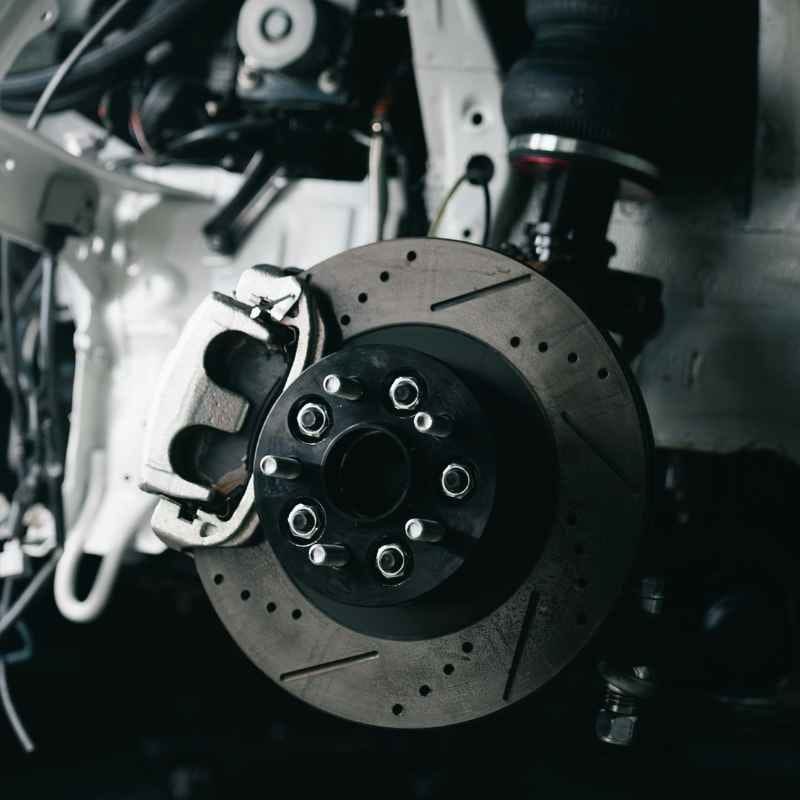
- LESS HEAT LONGER BRAKE LIFE - Hart Brakes drilled rotor will vent hot gasses from the pad surface, reducing heat transfer between…
- REDUCE YOUR STOPPING DISTANCE - Slots create a stronger pad bite, reducing your stopping distance providing you best in class brak…
As an Amazon Associate I earn from qualifying purchases.
This section will cover the most common indicators that signal your brake pads, rotors, or other brake components are nearing the end of their life.
Squealing or Grinding Noises
One of the first and most common signs that your brakes need attention is a strange noise when you apply the brake pedal. This noise can take a few forms, and understanding them can help you pinpoint the problem.
High-Pitched Squealing
When you hear a high-pitched squeal or screech every time you brake, it’s often your brake pad wear indicators. These are small metal tabs built into the brake pads. As the pad wears down, this indicator rubs against the brake rotor, making a loud noise.
It’s a warning system designed to alert you before the pad material is completely gone and damages the rotor.
Deep Grinding Sound
A deeper grinding or scraping sound is more serious. This usually happens when the brake pad material has worn away completely, and you’re hearing the metal backing plate of the brake pad rubbing directly against the metal brake rotor. This can cause significant damage to the rotor, making repairs more expensive.
If you hear this sound, you should have your brakes checked immediately.
Changes in Brake Pedal Feel
How your brake pedal feels under your foot can also tell you a lot about the condition of your brakes. A healthy brake pedal should feel firm and consistent when you press it.
Spongy or Soft Pedal
If your brake pedal feels spongy or soft, and you have to push it further down than usual to get the car to stop, this could mean there’s air in your brake lines or a leak in the hydraulic system. Air in the lines reduces the pressure that the brakes receive, making them less effective. A leak means you are losing brake fluid, which is also critical for brake function.
Both are serious issues that need immediate attention.
Pedal Pulsing or Vibrating
If you feel a pulsing or vibrating sensation in the brake pedal when you apply the brakes, especially during hard braking, this is often a sign of warped brake rotors. Rotors can warp due to excessive heat buildup from heavy braking or frequent stops. This warping creates an uneven surface that causes the brake pads to grab and release unevenly, leading to the pulsing feeling.
While it might not always cause immediate brake failure, it significantly reduces braking performance and can make stopping longer.
Visual Inspection of Brake Pads and Rotors
Looking at your brakes directly can give you clear evidence of wear. While it might seem intimidating, a quick visual check can be very informative.
Brake Pad Thickness
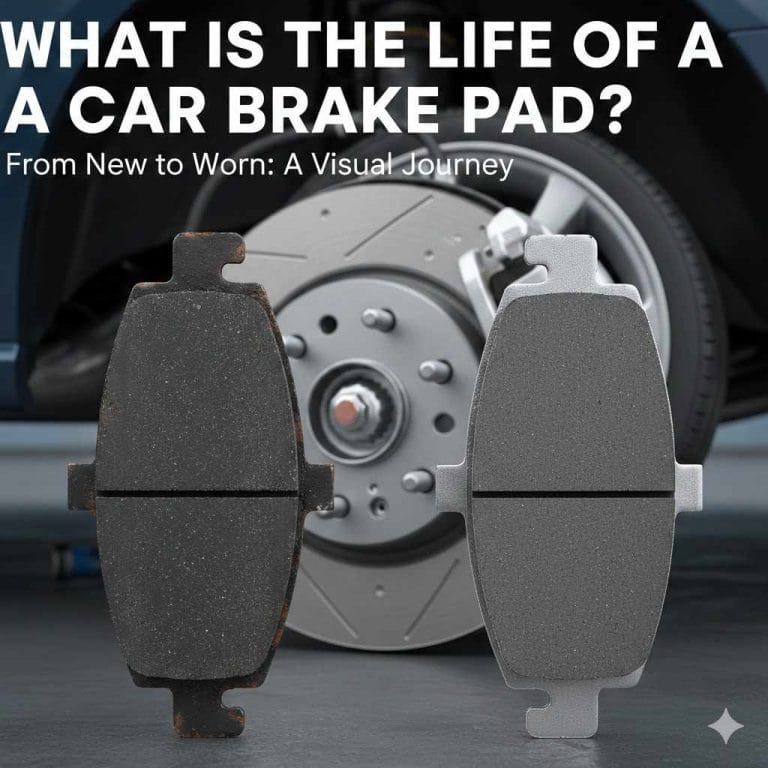
Brake pads are the components that press against the rotors to create friction. They have a friction material that wears down over time. Most brake pads have a minimum thickness recommendation, usually around 3 millimeters (about 1/8 inch) of friction material left.
If you can see that the pad material is thin, you’re getting close to needing replacements. Some pads have wear indicators, but looking at the thickness is the most direct way.
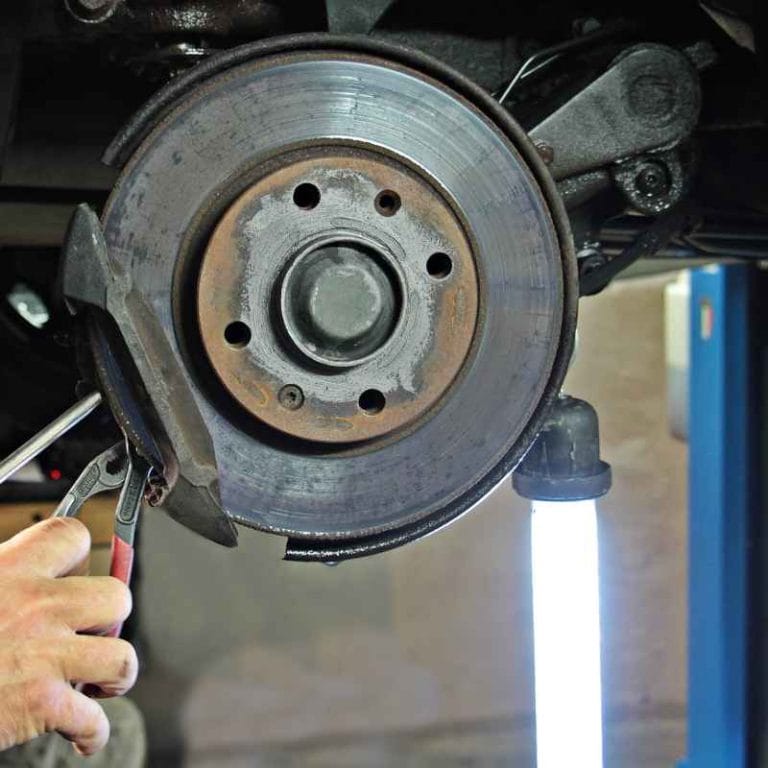
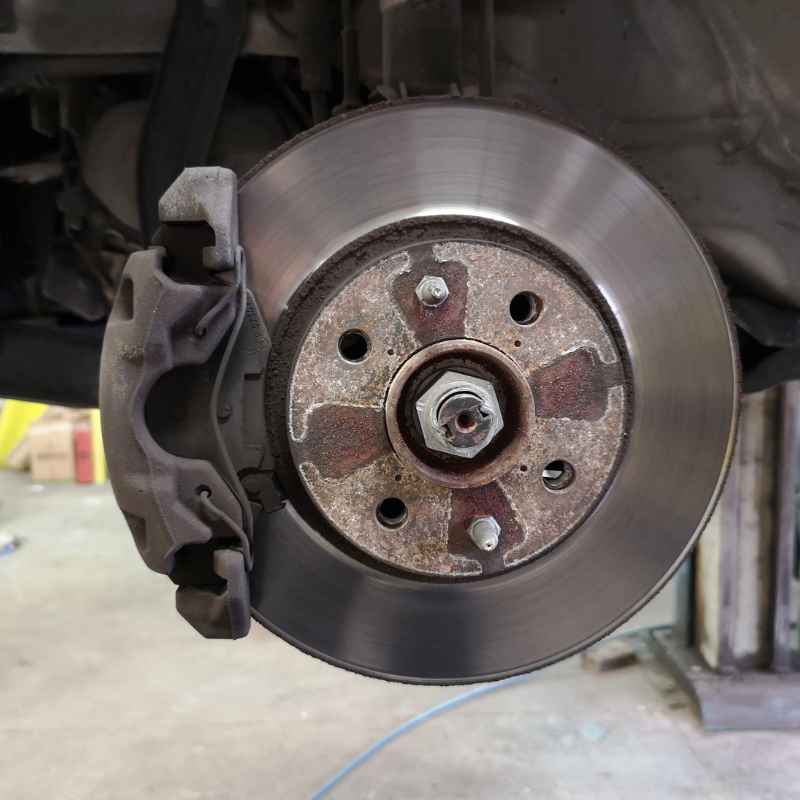
Brake Rotor Condition
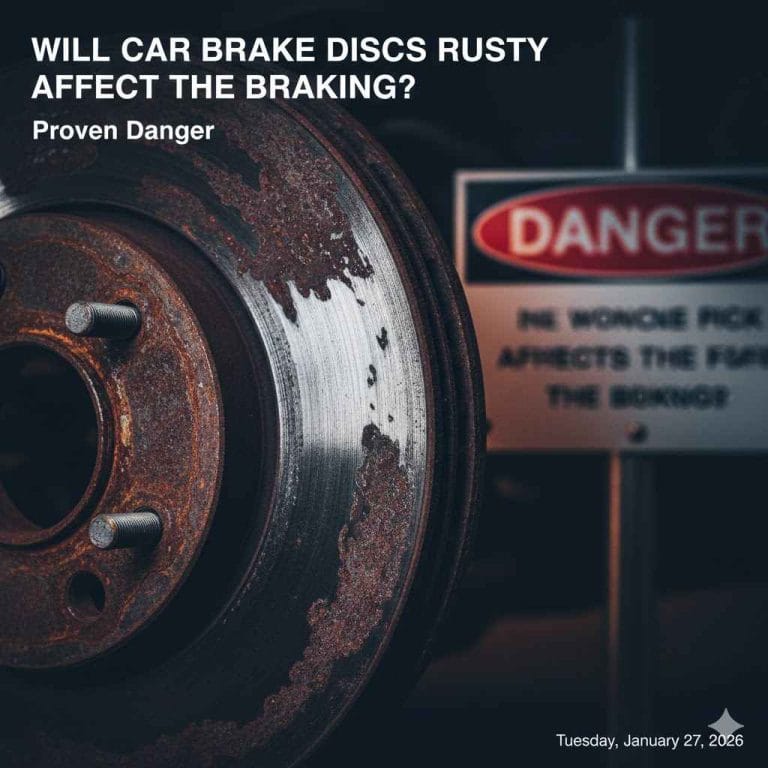
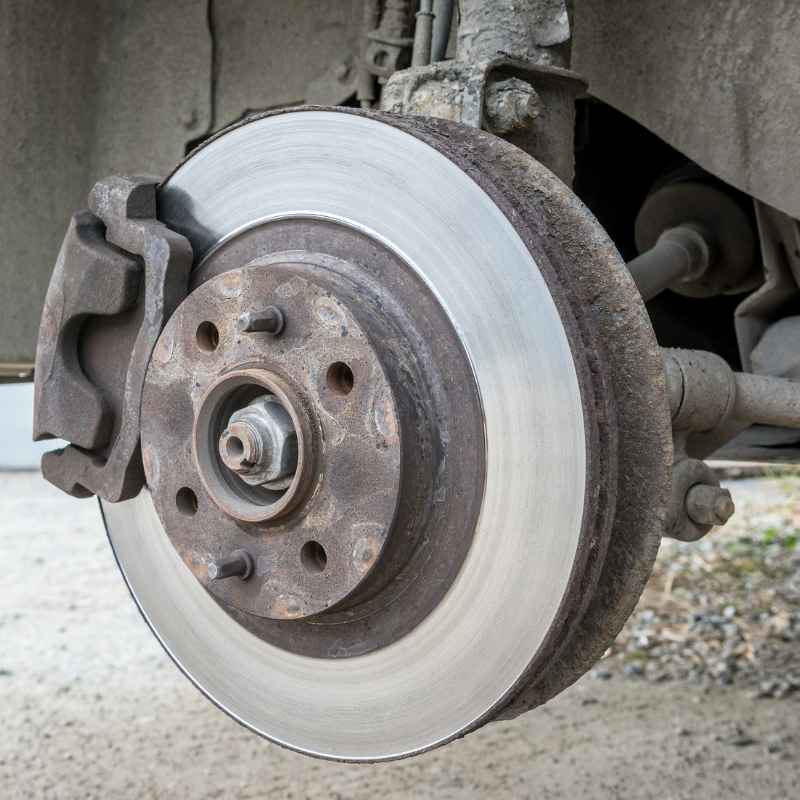
Brake rotors are the metal discs that the brake pads clamp onto. They can develop grooves, cracks, or become warped over time. Look for deep grooves or scoring on the surface of the rotor.
Also, check for any visible cracks, especially around the edges. A rotor surface should be relatively smooth. If you see significant wear or damage, it’s time to consider replacing them along with the pads.
Other Warning Signs
Beyond the typical sounds and feel, there are other indicators that your brakes may be failing.
Pulling to One Side When Braking
If your car pulls to one side when you brake, it could indicate a problem with one or more of your brake calipers or a stuck brake line. A brake caliper is a device that squeezes the brake pads against the rotor. If a caliper isn’t working correctly, one side of the car might brake harder than the other, causing the pull.
This imbalance is dangerous as it can make steering difficult during braking.
Brake Warning Light Illuminates
Modern cars have sophisticated warning systems. If the brake warning light on your dashboard illuminates, it’s a clear signal that something is wrong. This light can indicate low brake fluid levels, a problem with the anti-lock braking system (ABS), or that the brake pads are worn out.
Don’t ignore this light; it’s your car telling you to check the brakes immediately.
How to Perform a Basic Brake Inspection
Checking your brakes doesn’t always require a mechanic. With a few simple steps, you can get a good idea of their condition. This section will guide you through a basic, do-it-yourself brake inspection you can perform at home.
Gathering Your Tools
Before you start, make sure you have the necessary items. While you won’t need many specialized tools for a visual check, having a few basics can help. A flashlight is essential for seeing into dark wheel wells.
You might also want a simple tire pressure gauge, though it’s not directly for brakes, it’s good practice when inspecting your vehicle. If you plan to remove a wheel for a better look, you’ll need a lug wrench and a jack.
Checking Brake Pad Thickness
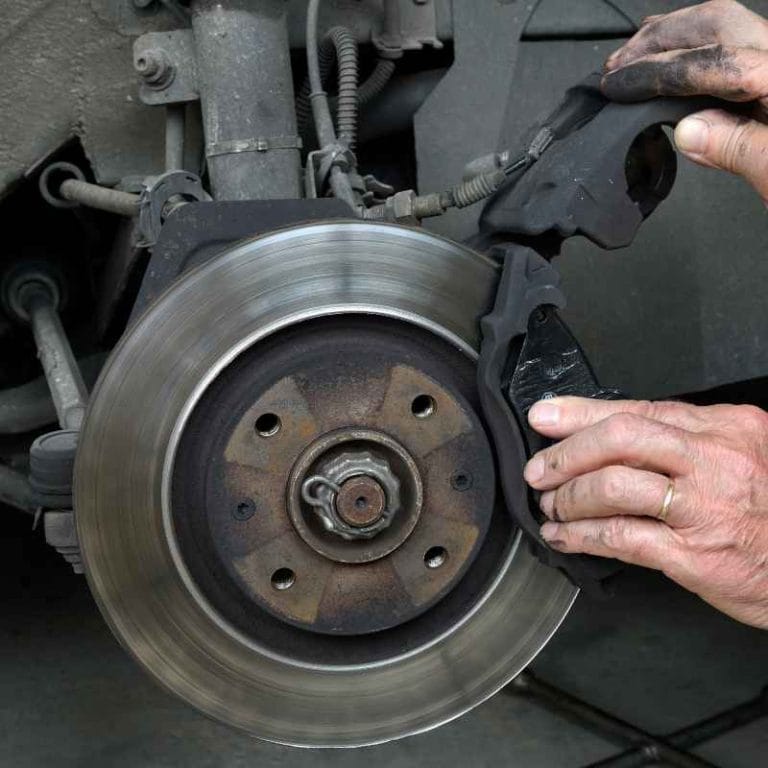
This is a critical step. You need to see the brake pad material between the caliper and the rotor. For a better view, you might need to remove the wheel.
If you’re not comfortable with this, you can often see a good portion of the brake pad by looking through the spokes of the wheel. The pad material should be at least a quarter of an inch thick. If it looks very thin, like a few millimeters, it’s time for a replacement.
Example: Sarah noticed her brakes were making a faint squealing noise. She looked at her front passenger-side wheel and saw that the brake pad material looked very thin, almost gone. She decided to have them replaced that day.
Inspecting Brake Rotors
Once you can see the rotors, examine their surface. They should look smooth and free of deep grooves or scoring. If you see lines etched into the rotor surface or feel a significant lip forming on the outer edge, the rotors may be worn.
Small superficial scratches are often normal, but deep gouges or a rough texture are not.
Checking Brake Fluid Level
Locate the brake fluid reservoir under the hood of your car. It’s usually a translucent plastic container. Check the fluid level against the markings on the reservoir.
If the level is low, it could indicate a leak in the brake system or that your brake pads are very worn, causing the fluid level to drop as the calipers extend. Low brake fluid is a serious issue that needs immediate attention.
What is Brake Fluid?
Brake fluid is a special hydraulic fluid that transmits the force from your brake pedal to the brake calipers. When you press the brake pedal, it pushes a piston in the master cylinder. This piston forces brake fluid through the brake lines to the calipers.
The fluid’s pressure then causes the calipers to squeeze the brake pads against the rotors, slowing the car. Brake fluid must be able to withstand high temperatures and not compress under pressure. It also has properties that prevent corrosion within the brake system.
Over time, brake fluid can absorb moisture from the air, which lowers its boiling point and can cause corrosion. This is why it needs to be replaced periodically.
Examining Brake Lines and Hoses
Look for any signs of damage to the brake lines and hoses. These rubber or metal tubes carry the brake fluid. Check for cracks, bulges, leaks, or any signs of wear and tear.
Damaged brake lines can lead to a sudden loss of brake pressure and a dangerous failure of your braking system.
When to Seek Professional Help
While basic checks are helpful, certain situations absolutely require a trained mechanic. If you’re unsure about anything, or if you notice any serious signs, it’s always best to err on the side of caution and consult a professional.
Complex Brake System Issues
Modern cars have complex braking systems, including Anti-lock Braking Systems (ABS) and Electronic Stability Control (ESC). These systems involve sensors, electronic modules, and sophisticated hydraulic controls. If your ABS warning light comes on, or if you suspect a problem with these advanced systems, you’ll need a mechanic with specialized diagnostic tools.
What is an Anti-lock Braking System (ABS)?
An Anti-lock Braking System (ABS) is a safety feature that prevents your wheels from locking up during hard braking. When you brake hard, the ABS rapidly pulses the brakes on and off for each wheel individually. This allows you to maintain steering control even when braking very hard.
It works by using wheel speed sensors to detect when a wheel is about to lock up. A control unit then signals the hydraulic unit to modulate the brake pressure to that specific wheel, preventing it from skidding. This helps you to steer around obstacles while braking, reducing the chance of an accident.
ABS also typically shortens stopping distances on dry surfaces, though on very loose surfaces like gravel, it can sometimes increase stopping distances.
Signs of Major Brake Failure
If you experience any of the following, stop driving the car immediately and have it towed to a mechanic. These are signs of critical brake failure:
- Complete loss of braking power.
- Brake pedal goes all the way to the floor with no resistance.
- Visible brake fluid leaks under the car.
- Loud, persistent grinding that suggests metal-on-metal contact.
These symptoms indicate a serious and immediate safety risk. Driving a car with failing brakes is extremely dangerous.
Routine Brake Maintenance
Beyond fixing problems, regular professional check-ups are important. Mechanics can identify potential issues before they become major problems. They can also perform services like brake fluid flushes, which are necessary for the longevity of your braking system but require specific procedures and knowledge.
Brake Fluid Flush Explained
A brake fluid flush is a maintenance procedure where old brake fluid is removed from the entire brake system and
Brake System Components and Their Lifespan
Understanding the different parts of your braking system and how long they typically last can help you plan for maintenance. The lifespan of these components can vary greatly depending on driving habits, vehicle type, and environmental conditions.
Brake Pads
Brake pads are designed to wear down. Their lifespan is usually measured in miles, but it’s highly variable. On average, most front brake pads last between 30,000 to 70,000 miles.
Rear brake pads often last longer, sometimes up to 80,000 miles or more, because the rear brakes do less of the stopping work. Factors like frequent city driving with lots of stops and starts, or aggressive driving, will reduce brake pad life significantly. Heavy vehicles also tend to wear out brake pads faster.
Brake Rotors
Brake rotors are more durable than pads but can still wear out or become damaged. They can typically last through two or three sets of brake pads, meaning they might last anywhere from 50,000 to 120,000 miles. However, rotors can warp due to overheating, or they can develop deep grooves (scoring) from worn-out brake pads.
If rotors are too thin or significantly damaged, they will need to be replaced. Machining or resurfacing rotors is sometimes possible if they are only slightly warped or scored, but they have a minimum thickness limit.
Brake Calipers
Brake calipers house the brake pads and pistons that push the pads against the rotors. They are generally quite durable and can last for the life of the vehicle, often 100,000 miles or more. However, they can fail due to corrosion, sticking pistons, or leaks in the seals.
A sticking caliper can cause uneven braking, overheating, and premature wear on the brake pads and rotors on that wheel.
Brake Hoses and Lines
The flexible rubber hoses and rigid metal lines that carry brake fluid are also critical. Rubber hoses can degrade over time due to exposure to heat, road salt, and ozone, leading to cracks or bulging. Metal lines can corrode and rust, especially in areas with harsh winters.
These typically last a very long time, often 100,000 miles or more, but inspection for wear and damage is important, especially on older vehicles.
Brake Maintenance and Longevity Tips
Taking good care of your brakes can extend their life and ensure they perform reliably. Simple habits can make a big difference in how often you need costly brake repairs.
Driving Habits Matter
How you drive has a huge impact on brake wear. Gentle braking is key. Instead of hard stops, try to anticipate traffic and coast or brake gradually.
This reduces the heat and friction applied to your brake pads and rotors. Avoid riding the brakes, especially when going downhill. Use your gears to help slow the car instead of constantly applying the brakes.
This technique is known as engine braking.
Regular Inspections Are Key
Don’t wait for your brakes to start making noise or feeling strange. Have them inspected regularly, perhaps every six months or with every oil change. A quick look by a mechanic can catch small issues before they become big, expensive problems.
They can check pad thickness, rotor condition, fluid levels, and look for any leaks or wear.
Real-Life Example: City vs. Highway Driving Impact
Consider two drivers, Alex and Ben. Alex lives in a busy city and commutes daily, involving frequent stops and starts in heavy traffic. Alex’s brake pads typically last about 35,000 miles.
Ben lives in a rural area and commutes on highways, with very few stops. Ben’s brake pads often last 70,000 miles or more. This stark difference highlights how driving conditions directly affect brake wear.
Alex’s city driving requires constant use of brakes, generating more heat and friction, while Ben’s highway driving allows for more coasting and less frequent braking.
Replacing Components in Pairs
When you replace brake pads, it’s essential to replace them on both sides of the axle (both front wheels or both rear wheels). Similarly, if rotors need replacing, do both on the same axle. This ensures even braking performance.
If one side has new, thicker pads and the other has worn ones, your braking will be unbalanced and less effective, potentially causing steering issues during stops.
Importance of Quality Parts
Using high-quality brake parts can also influence their lifespan and performance. While cheaper parts might seem like a good deal upfront, they may wear out faster or not perform as well, potentially leading to more frequent replacements and a higher overall cost. Investing in reputable brands can provide better durability and safety.
Frequently Asked Questions
Question: How often should I check my brakes?
Answer: It’s a good idea to have your brakes inspected at least once a year or every 12,000 miles. However, if you notice any unusual sounds, smells, or changes in how your car stops, get them checked immediately.
Question: Can I drive with worn brake pads?
Answer: Driving with worn brake pads is dangerous. They significantly reduce your car’s stopping power and can quickly damage your brake rotors, leading to more expensive repairs and a higher risk of accidents.
Question: What is the difference between brake pads and rotors?
Answer: Brake pads are the friction material that presses against the brake rotors. Brake rotors are the metal discs that the pads clamp onto to slow down the wheels. Both work together to stop your car.
Question: How much does it typically cost to replace brake pads?
Answer: The cost can vary depending on your car model and where you get the service done. For front brake pads, you might expect to pay anywhere from $150 to $300 for parts and labor. Rear brakes can be similar or slightly less.
Question: Is it okay to mix different brands of brake pads?
Answer: It’s generally not recommended. For best performance and safety, it’s best to use the same brand and type of brake pads on both sides of an axle. Mixing brands can lead to uneven wear and braking.
Summary
Knowing how to tell if car brakes need replacing involves listening for noises, feeling changes in the brake pedal, and performing simple visual checks. Pay attention to squealing, grinding, soft pedals, or pulsing. Regularly inspect brake pad thickness and rotor condition.
Don’t ignore warning lights. If you’re ever in doubt, professional help is always the safest bet for maintaining your car’s vital stopping power.
Related pick: Check today's price on Amazon
Products related to this article
Sponsored / affiliate links. As an Amazon Associate I earn from qualifying purchases. I may earn additional commission from eligible campaigns.