Why Car Brakes Don’t Work When Engine Is Off
It’s a common question many new drivers or even experienced ones wonder about: why car brakes don’t work when the engine is off. This can seem strange because we expect our cars to stop when we need them to. Don’t worry if this puzzles you.
It’s actually quite simple to understand once you know how your car’s braking system works. We’ll walk through it step-by-step, and you’ll see that Why Car Brakes Don’t Work When Engine Is Off makes perfect sense. We will cover the main reasons and what makes the brakes work when the engine is running.
Understanding Car Braking Systems
This section will explore the basic workings of your car’s braking system. We will look at the parts that make your car slow down and stop. Understanding these parts helps explain why your brakes need the engine to be on.
HARDK
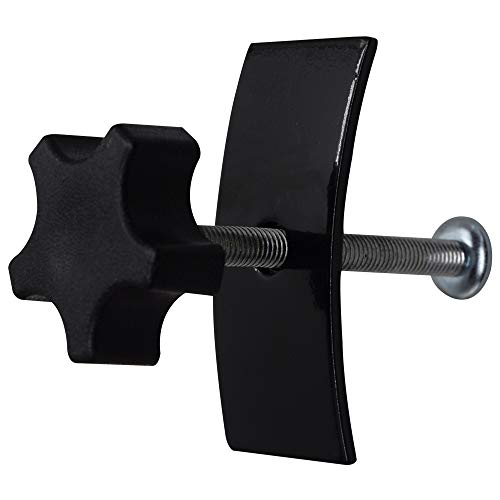
HARDK Disc Brake Pad Spreader Tool -…
- ✅ Replace your pads faster by compressing your inner brake pad and resetting the piston
- ✅ Apply maximum torque with this tool's large handle and slip resistant grip
- ✅ Heavy-duty construction makes this product highly durable ,Design Includes a Large Knob and Fine Thread Driver
As an Amazon Associate I earn from qualifying purchases.
We will explain things in a simple way so anyone can grasp the ideas. This knowledge will also help you appreciate the technology that keeps you safe on the road.
The Role of the Brake Pedal
When you push the brake pedal, you are starting a chain reaction. This pedal is the driver’s direct link to the braking system. Pushing down on the pedal applies force.
This force is then sent through other parts to create friction. Friction is what slows your wheels down.
The brake pedal itself is a lever. This means a small force applied to one end creates a larger force at the other. When you press the pedal, it pushes a rod into the brake master cylinder.
This action is the very first step in stopping your car.
The Master Cylinder Explained
The master cylinder is a key component. It holds brake fluid and has pistons inside. When the brake pedal rod pushes, it moves these pistons.
The pistons then push the brake fluid out under high pressure. This pressurized fluid is what travels through brake lines to reach the wheels.
Think of it like squeezing a tube of toothpaste. When you squeeze the tube (the master cylinder), the toothpaste (brake fluid) comes out. The harder you squeeze, the more toothpaste comes out.
The brake fluid is essential for transferring the force you apply to the wheels.
Brake Lines and Fluid
Brake lines are strong metal or rubber tubes. They carry the pressurized brake fluid from the master cylinder to each wheel. Brake fluid is specially made to not compress.
This means it efficiently transfers the pressure without losing much force.
If there was air in the brake lines, the fluid could compress. This would make your brakes feel spongy and less effective. This is why bleeding your brakes, which removes air, is an important maintenance task.
The fluid’s ability to remain incompressible is vital for responsive braking.
Brake Calipers and Pads (Disc Brakes)
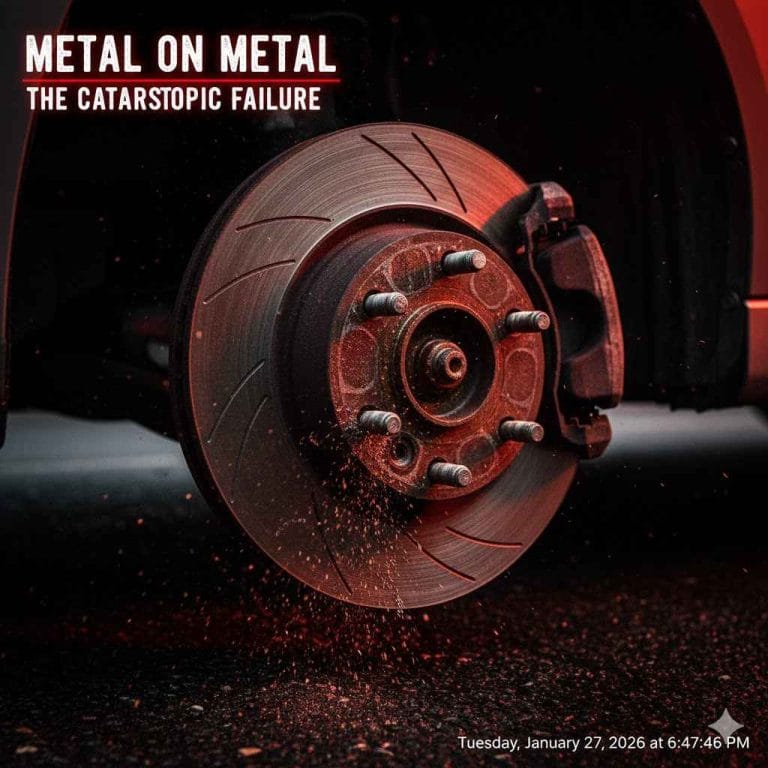
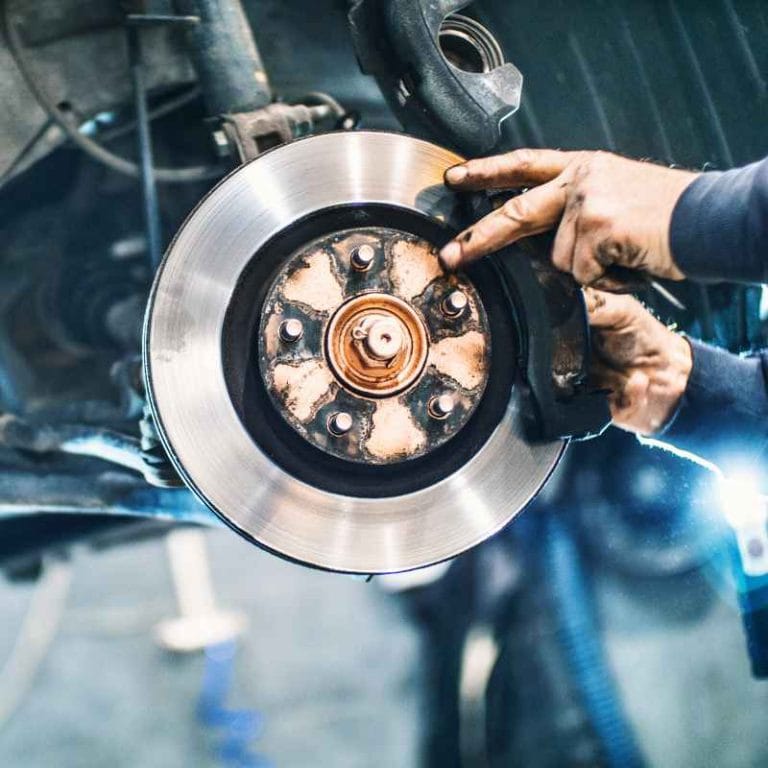
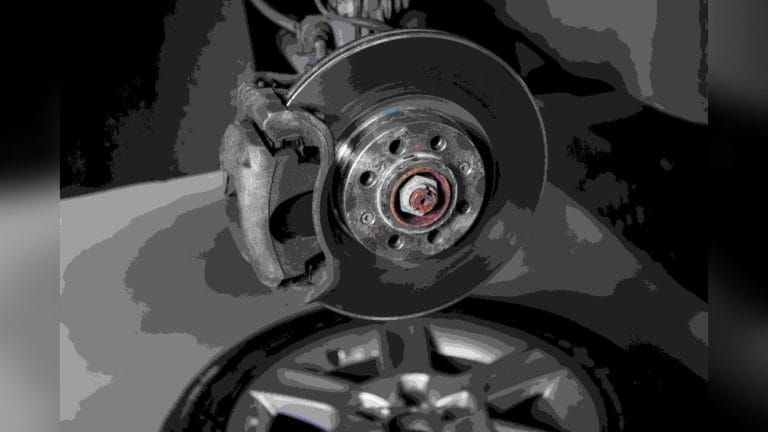
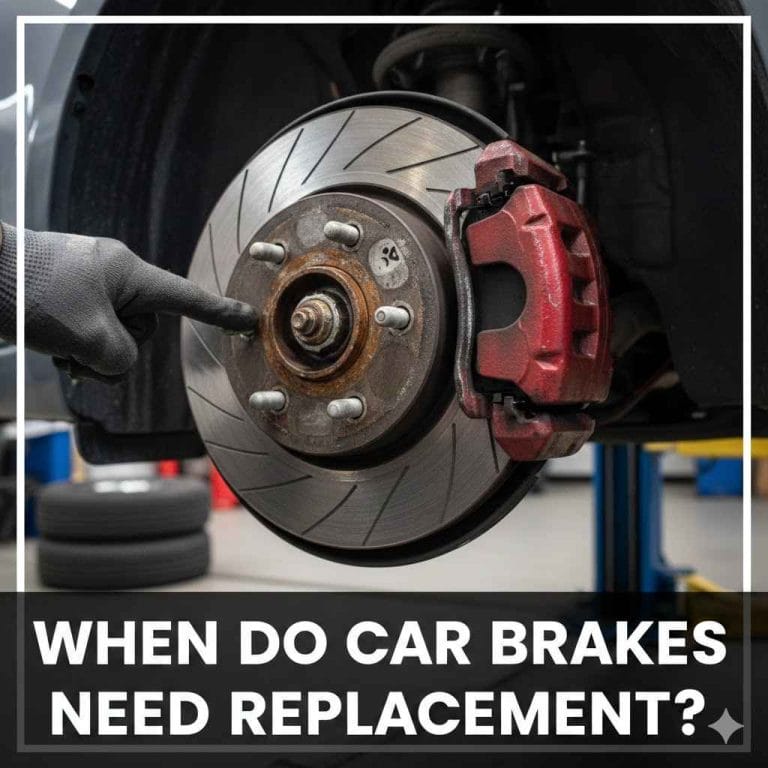
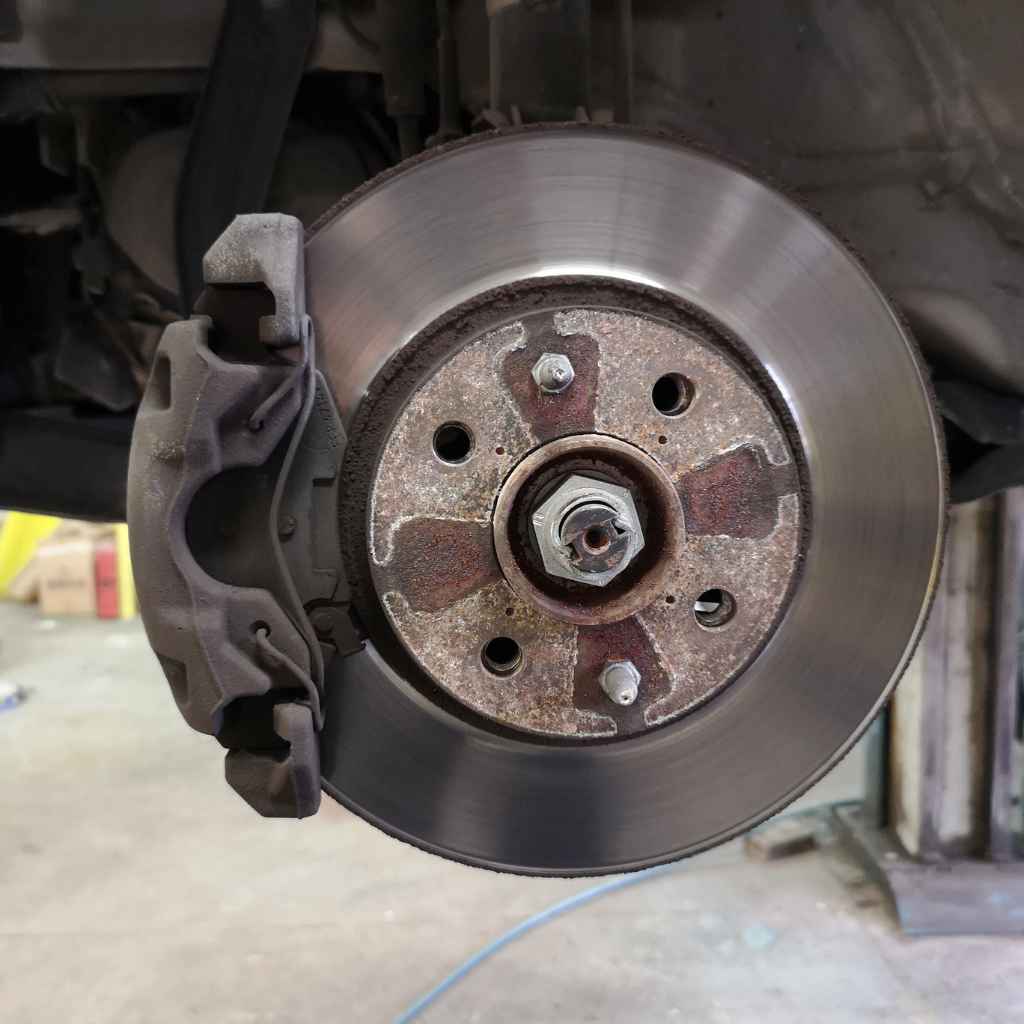
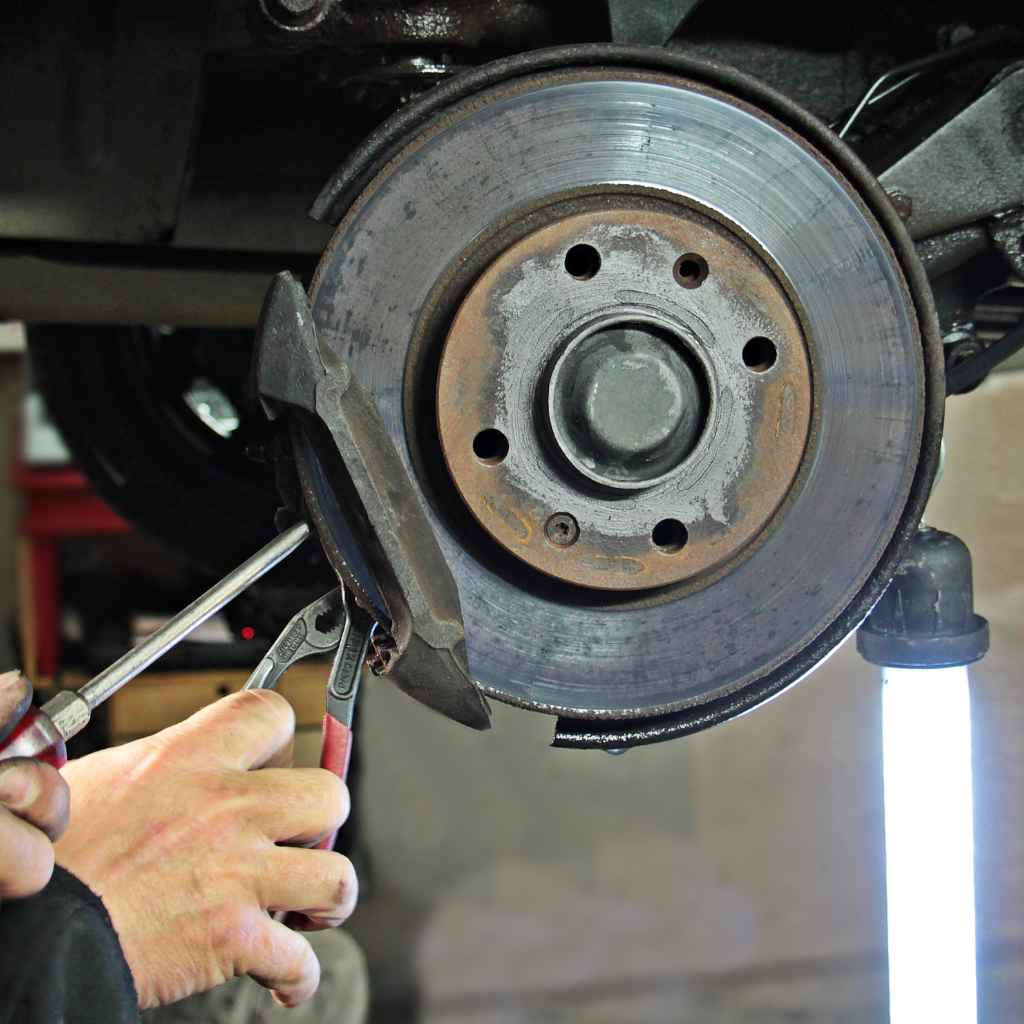
At each wheel with disc brakes, there is a caliper. Inside the caliper are brake pads. When the pressurized fluid reaches the caliper, it pushes a piston.
This piston squeezes the brake pads against a spinning metal disc called a rotor.
The friction between the brake pads and the rotor slows the wheel down. Imagine rubbing your hands together quickly; they get warm. The same principle applies here.
The friction generates heat, and this heat is a byproduct of converting the car’s motion into heat energy.
Wheel Cylinders and Brake Shoes (Drum Brakes)
Older cars or some trucks might have drum brakes. Here, brake fluid pressure pushes pistons in a wheel cylinder. These pistons force brake shoes outward against the inside of a metal drum attached to the wheel.
This outward force also creates friction to slow the wheel.
Drum brakes work similarly to disc brakes but use a different design. The friction between the shoes and the drum slows the rotation. Both systems rely on friction to do the work of stopping your vehicle.
The Crucial Role of Vacuum Assist
This part explains why the engine’s running status is so important for your brakes. It introduces the concept of vacuum assist, which makes braking much easier. We will explain what vacuum is and how your car makes it.
This is the main reason why car brakes don’t work when the engine is off.
What is Vacuum?
Vacuum is basically empty space or a place with very low pressure compared to the air around it. In your car, the engine creates this low pressure. It happens during the intake stroke of the engine’s pistons.
As a piston moves down, it sucks in air and fuel.
This pulling action creates a partial vacuum. Think of it like using a straw to drink a milkshake. You lower the pressure inside the straw, and the outside air pressure pushes the milkshake up.
The engine creates a similar effect, but on a much larger scale.
The Brake Booster’s Function
The brake booster is a special device that uses this engine vacuum. It sits between your brake pedal and the master cylinder. Its job is to multiply the force you apply to the brake pedal.
Without it, you would have to push very hard to stop your car.
The booster has two sides: one connected to engine vacuum and the other to normal atmospheric pressure. When you press the pedal, it opens valves. These valves allow the higher atmospheric pressure on one side to push on a diaphragm.
This pushes a rod that assists the master cylinder, making your braking effort much lighter.
How Engine Vacuum Assists Braking
When the engine is running, it constantly produces vacuum. This vacuum is used by the brake booster to assist your braking. When you press the brake pedal, the booster uses the vacuum to give you extra stopping power.
This is why your brakes feel soft or require a lot of effort when the engine is off.
The vacuum assist essentially “boosts” the force from your foot. It uses the pressure difference created by the engine to help push the brake fluid. This makes stopping your car feel effortless, even at high speeds.
Loss of Vacuum When Engine Is Off
When you turn off the engine, the source of the vacuum is gone. The brake booster can no longer create that extra assist. You are left with only the direct force of your leg pushing on the brake pedal.
This is why car brakes don’t work with the same ease when the engine is off.
It’s not that the brakes completely stop working. The hydraulic system is still there. However, the significant mechanical advantage provided by the vacuum booster is lost.
You are now directly operating the master cylinder without any amplification.
Maintaining Vacuum in the Booster
Even after the engine is off, the brake booster can hold some vacuum for a short time. This is why you might get one or two assisted brake pedal pushes after turning off the engine. With each push, however, the vacuum is used up.
After a few presses, you will feel a much firmer pedal.
This stored vacuum allows you to park your car safely even if you shut off the engine. It gives you enough braking power for those critical moments. However, it’s a limited resource.
Safety Implications and Precautions
This section covers what to do and what to be aware of concerning your brakes. It addresses the safety aspects of why car brakes don’t work as effectively without the engine running. We will provide practical advice to keep you safe.
The Feel of the Brake Pedal
When the engine is off, the brake pedal will feel very hard. It might feel like you’re pushing against a solid brick. This is a sign that the vacuum assist is gone.
You will need to use much more physical force to slow the car down.
This firm pedal is your indicator. It tells you that you are relying solely on manual braking. Always be aware of how your brake pedal feels.
Any change can signal an issue.
Braking in an Emergency Without Engine Power
If your engine suddenly cuts out while driving, you will experience this hard pedal. To stop the car, you must press the brake pedal with significant leg strength. It will take more effort, but the brakes will still function.
It’s important to practice this in a safe, controlled environment if possible. Knowing how much force you need can be critical. Think of it as needing to push twice as hard or more.
Example Scenario One Parking Safely
- You are parking your car and turn off the engine.
- You realize you didn’t engage the parking brake firmly.
- Push the brake pedal firmly one more time. This uses the residual vacuum.
- Apply the parking brake strongly.
- Now, you can turn the key completely off.
This sequence ensures the car is secured. The single assisted push helps maintain brake pressure while you engage the mechanical parking brake.
Example Scenario Two Engine Stalling While Driving
- Your engine unexpectedly stalls while you are driving.
- Immediately, you will feel the brake pedal become very hard.
- Push down on the brake pedal with all your might. You will need to use considerable force.
- Steer the car to a safe location, like the side of the road.
- Once stopped, you can engage the parking brake and turn the ignition fully off.
This scenario highlights the need for awareness and strong leg muscles. The brakes will work, but not easily.
The Importance of the Parking Brake
The parking brake, also known as the emergency brake or handbrake, is a separate mechanical system. It does not rely on engine vacuum or hydraulic fluid pressure. It typically uses cables to apply braking force to the rear wheels.
This means the parking brake will work whether the engine is on or off. It is your backup system. Always use it, especially when parking on hills.
It’s a vital safety feature, and understanding why car brakes don’t work when the engine is off makes its importance even clearer.
Regular Brake Maintenance
Even when the engine is running, your brakes need to be in good condition. Regularly check your brake fluid level and condition. Have your brake pads, rotors, or shoes inspected.
Any issues with the hydraulic system will affect braking even with vacuum assist.
A mechanic can check for leaks, worn parts, or air in the lines. Keeping your brakes in top shape ensures they perform as expected, no matter the engine’s status. This proactive approach is key to safety.
How the System Recovers When the Engine Starts
This part explains what happens when you start your car’s engine again. It describes how the vacuum is restored and your brakes return to normal. This is the resolution to why car brakes don’t work when the engine is off.
Rebuilding Vacuum Pressure
As soon as you start the engine, it begins creating vacuum again. The brake booster is designed to immediately start rebuilding its vacuum reserve. The intake manifold of the engine is constantly pulling air.
This vacuum is then directed to the brake booster. The booster’s internal valves work to equalize pressure on both sides of its diaphragm. This process quickly restores the boost assist to your brake pedal.
The Pedal Feel Changes
You will notice a distinct change in the brake pedal’s feel once the engine is running. It will go from being very firm and hard to soft and easy to press. This change is a direct result of the vacuum being restored to the brake booster.
This quick recovery is why you don’t have to worry about braking after starting your car. The system is designed for this rapid transition. It’s a seamless return to assisted braking power.
Vacuum Check Valve
A crucial part in this process is the vacuum check valve. This valve is usually located in the vacuum line between the engine and the brake booster. It allows vacuum to flow from the engine to the booster but prevents it from flowing back.
This one-way action ensures that the vacuum stored in the booster is maintained. It keeps the brake assist ready even when the engine is momentarily off, like at a stoplight. This valve is critical for maintaining the boost.
Normal Braking Operation Restored
Once the engine is running and the vacuum is sufficient, your brakes operate as they should. The brake booster amplifies your pedal input. The hydraulic system transmits the force efficiently to your wheels.
This is the normal state of operation. The vacuum assist allows you to stop your car with minimal effort. It’s an essential safety feature that works in conjunction with the engine’s power.
Frequently Asked Questions
Question: What happens if my car loses all its brake fluid
Answer: If your car loses all its brake fluid, your brakes will not work at all, even if the engine is on. This is because the hydraulic system relies on the fluid to transmit pressure. In such a situation, you would need to use the parking brake and steer to a safe stop.
Question: Can I still steer my car if the engine is off
Answer: Yes, you can still steer your car if the engine is off, but it will be much harder. Power steering systems also use the engine to operate. Without the engine running, you’ll be using manual steering, which requires significantly more effort.
Question: How many times can I pump the brakes after the engine is off
Answer: You can typically pump the brakes two or three times after the engine is off. Each pump uses up the remaining vacuum in the brake booster. After these few pumps, the pedal will become very hard.
Question: Is it safe to drive a car with a hard brake pedal
Answer: It is not safe to drive a car with a consistently hard brake pedal unless you are prepared for the increased effort. A hard pedal usually indicates a problem with the brake booster or a vacuum leak, which needs immediate attention from a mechanic.
Question: What is the difference between the brake pedal and the parking brake
Answer: The brake pedal operates the main hydraulic braking system, which is usually assisted by engine vacuum. The parking brake is a separate mechanical system that uses cables to physically apply brakes, typically to the rear wheels, and does not rely on the engine.
Summary
Your car’s brakes need engine power for the vacuum assist. This boost makes stopping easy. When the engine is off, this vacuum is lost.
This makes the brake pedal hard to press, but the brakes still work with more force. Starting the engine restores vacuum and normal braking. Always use your parking brake for added safety.
Related pick: Check today's price on Amazon
Products related to this article
Sponsored / affiliate links. As an Amazon Associate I earn from qualifying purchases. I may earn additional commission from eligible campaigns.