Compare Two Vehicles Specs Side by Side Before You Buy
Buying a new vehicle is one of the largest purchases most people make. The stakes are high: the right choice can mean years of reliable, enjoyable driving, while the wrong pick may result in ongoing frustration, higher costs, or even safety issues. With so many makes, models, trims, and options, it’s easy to feel overwhelmed. That’s why comparing two vehicles side by side, analyzing their specs, features, and overall value, has become an essential part of the modern car-buying process.
In my experience as an automotive writer and car shopper, having direct, apples-to-apples comparisons is not just helpful, it’s transformative. Instead of relying on vague impressions or marketing claims, you can see exactly how one vehicle stacks up against another in terms of price, performance, safety, and more.
Whether you’re debating between two sedans or trying to choose the best SUV for your family, a thorough comparison equips you to make a confident, informed decision that fits your needs and budget.
Key Takeaways
- Side-by-side vehicle comparison is crucial for making an informed car purchase.
- Key specs to compare include price, engine, fuel efficiency, safety, and technology.
- Real-world examples highlight how side-by-side data impacts decisions.
- Use comparison tables to quickly visualize differences between models.
- Consider both objective specs and subjective factors (e.g., driving feel, reliability).
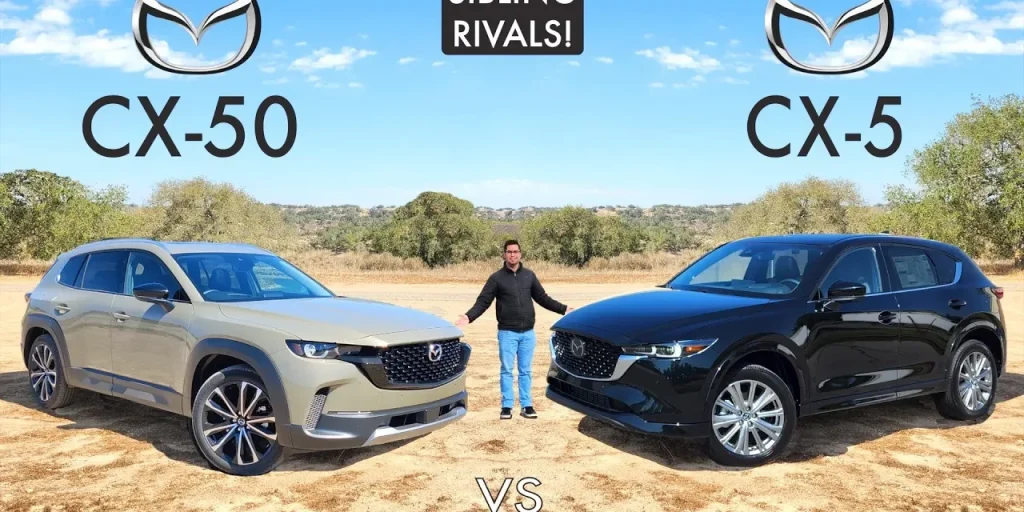
Credit: www.marinmazda.net
Why Comparing Vehicle Specs Side By Side Matters
Comparing vehicles isn’t just about numbers, it’s about understanding how those numbers translate into ownership experience, costs, and peace of mind. Side-by-side comparisons reveal details that brochures or dealer pitches might gloss over, allowing you to see true strengths and weaknesses.
Making Sense Of Overwhelming Choices
The automotive market is saturated with options. In 2026 alone, over 250 new models were available in the United States, ranging from compact cars to heavy-duty trucks. Even within a single segment, the choices can be dizzying. For example, compact SUVs like the Toyota RAV4, Honda CR-V, and Mazda CX-5 each offer unique strengths, and their differences aren’t always obvious until you compare them side by side.
Avoiding Costly Mistakes
A thorough comparison helps buyers avoid regrets. It’s easy to be swayed by a low sticker price, for example, only to discover later that a similarly priced competitor offers better safety features or a longer warranty. Reviewing specs side by side enables you to spot these deal-breakers before you sign.
Focusing On What Matters To You
Every buyer has unique priorities: some value fuel economy, others want cutting-edge technology, while others prioritize cargo space or towing capacity. By comparing specs directly, you can zero in on the factors that matter most to your lifestyle, ensuring your next vehicle truly fits your needs.
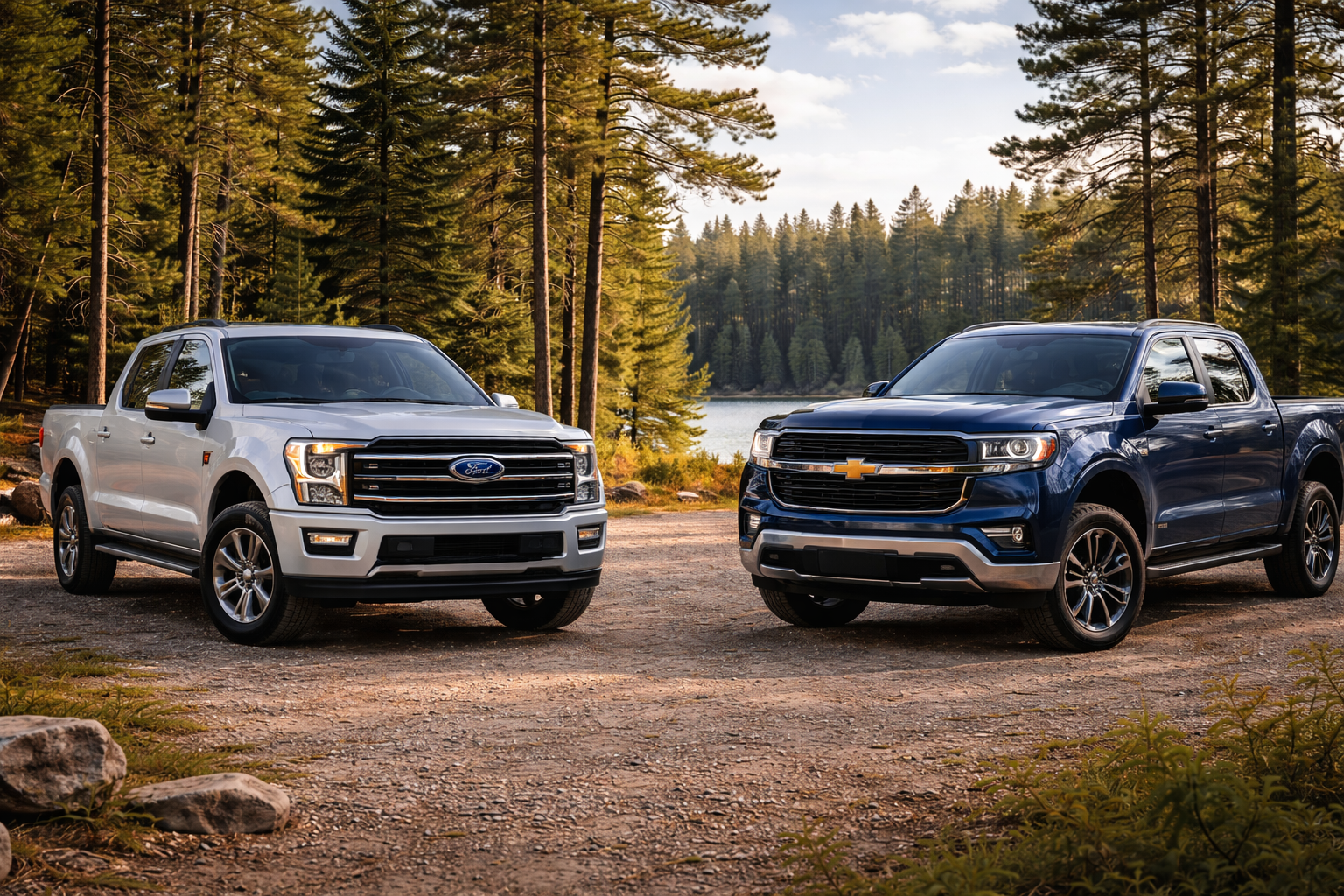
Credit: www.northwoodsford.com
The Essential Specs To Compare
When shopping for vehicles, not all specs are equally important. Below are the critical categories to focus on, with guidance on what each means and why it matters.
Price And Value
Price goes beyond MSRP (Manufacturer’s Suggested Retail Price). Consider:
- Base price and price as configured
- Incentives and rebates
- Estimated long-term ownership costs (insurance, maintenance, depreciation)
A lower initial price may be offset by higher maintenance costs or faster depreciation.
Engine And Performance
Performance specs directly impact driving enjoyment and capability.
- Engine type (gas, hybrid, electric, diesel)
- Horsepower and torque
- 0-60 mph acceleration
- Towing capacity (for trucks and SUVs)
For example, a turbocharged engine may offer more torque at lower RPMs, which is ideal for towing.
Fuel Economy
With fuel prices fluctuating, efficiency is top-of-mind for many buyers. Compare:
- City, highway, and combined MPG (or MPGe for electric vehicles)
- Fuel tank or battery size
- Range per tank/charge
EPA estimates are a helpful benchmark, but real-world economy may vary.
Safety Features And Ratings
Safety is paramount. Look at:
- Crash test ratings from the NHTSA and IIHS
- Standard and optional safety features (automatic emergency braking, lane keep assist)
- Advanced driver assistance systems (ADAS)
A car with a five-star rating and a full suite of ADAS features typically offers better protection.
Interior Comfort And Space
Beyond numbers, comfort is about fit and finish.
- Passenger volume and seating configuration
- Cargo space (with seats up and folded)
- Material quality and amenities (heated seats, sunroof)
For families, rear seat legroom and cargo flexibility are especially important.
Infotainment And Technology
Modern vehicles are rolling computers. Compare:
- Touchscreen size and responsiveness
- Smartphone integration (Apple CarPlay, Android Auto)
- Navigation, premium audio, and connected services
A laggy or confusing infotainment system can be a daily annoyance.
Reliability And Warranty
Long-term reliability impacts total cost of ownership.
- Predicted reliability scores (from sources like Consumer Reports or J.D. Power)
- Warranty coverage (basic, powertrain, roadside assistance)
- Known issues or recalls
Some brands, like Toyota and Honda, have reputations for bulletproof reliability.
How To Compare Two Vehicles: Step-by-step Process
A structured approach makes side-by-side comparisons effective and less overwhelming.
Step 1: Identify Your Must-have Features
List your non-negotiables. For example:
- All-wheel drive for snowy climates
- Third-row seating for families
- High towing capacity for trailers
This narrows the field quickly.
Step 2: Shortlist Two Vehicles
Pick two models that meet your must-have criteria and fall within your budget. Use reputable sites like Edmunds or Kelley Blue Book to gather initial specs.
Step 3: Gather Detailed Specs
Visit the manufacturer websites or reliable automotive databases. Look for:
- Full spec sheets
- Safety ratings
- Owner reviews
Organize this info in a side-by-side table for easy comparison.
Step 4: Analyze The Data
Look for:
- Major advantages in one vehicle (e.g., better warranty, higher MPG)
- Potential deal-breakers (e.g., poor reliability, low safety scores)
- Small differences that may not matter to you
Step 5: Test Drive Both Vehicles
Specs only tell part of the story. A test drive reveals:
- Driving comfort and ergonomics
- Infotainment system usability
- Real-world performance
If possible, drive both vehicles back-to-back for a fair comparison.
Step 6: Consider Total Ownership Cost
Use calculators from sites like Consumer Reports to estimate costs over five years, including:
- Fuel
- Insurance
- Maintenance
- Depreciation
Sometimes a vehicle with a higher sticker price is actually cheaper in the long run.
Credit: www.seagrenspowersports.com
Real-world Example: Comparing Two Popular Suvs
To illustrate how a side-by-side comparison works, let’s examine two top-selling compact SUVs: the Honda CR-V and the Toyota RAV4.
Overview Of The Models
- Honda CR-V: Known for reliability, spacious interior, and strong resale value.
- Toyota RAV4: Praised for advanced safety features, hybrid option, and rugged styling.
Key Specs Comparison Table
| Spec | Honda CR-V EX | Toyota RAV4 XLE |
|---|---|---|
| MSRP | $31,060 | $30,825 |
| Engine | 1.5L Turbo I4 | 2.5L I4 |
| Horsepower | 190 hp | 203 hp |
| MPG (Combined) | 30 | 30 |
| Cargo Space (cu ft) | 39.2 | 37.6 |
| Safety Features | Honda Sensing Suite | Toyota Safety Sense 2.0 |
| Warranty (Basic) | 3 yr / 36,000 mi | 3 yr / 36,000 mi |
Analysis
- The CR-V offers slightly more cargo space, while the RAV4 delivers more horsepower.
- Both have comprehensive safety suites and identical basic warranties.
- Fuel economy is nearly identical, making other features and subjective preferences more decisive.
Example: Family Decision
A family prioritizing cargo space and rear seat comfort may prefer the CR-V. However, if they value a more powerful engine and want more hybrid options, the RAV4 could be the better fit.
Advanced Comparison: Electric Vehicles (evs)
As electric vehicles gain popularity, comparing EV specs requires special attention to charging, range, and technology.
Key Ev Specs To Compare
- Range (EPA estimated)
- Charging speed (kW)
- Battery warranty
- Tech features (over-the-air updates, driver aids)
Comparison Table: Tesla Model Y Vs. Ford Mustang Mach-e
| Spec | Tesla Model Y Long Range | Ford Mustang Mach-E Premium AWD |
|---|---|---|
| MSRP | $50,490 | $51,995 |
| Range (mi) | 330 | 290 |
| 0-60 mph (s) | 4.8 | 4.8 |
| Charging Speed | 250 kW (Supercharger) | 150 kW (DC Fast Charge) |
| Battery Warranty | 8 yr / 120,000 mi | 8 yr / 100,000 mi |
Pro Tip:
When comparing EVs, consider not just range but also the charging network. Tesla’s Supercharger network is more extensive in the U.S. than Ford’s partner networks, which can make a big difference for road trips.
Case Study: Choosing Between A Sedan And An Suv
Let’s follow a real-world scenario involving a recent college graduate choosing between a Toyota Corolla (sedan) and a Mazda CX-5 (compact SUV).
Decision Factors
- Budget: Both vehicles are available in the $25,000 range.
- Commute: 20 miles each way, mostly highway.
- Lifestyle: Occasional road trips, no kids or pets.
Comparison Table
| Spec | Toyota Corolla LE | Mazda CX-5 Sport |
|---|---|---|
| MSRP | $21,900 | $26,700 |
| MPG (Combined) | 35 | 28 |
| Cargo Space (cu ft) | 13.1 | 30.8 |
| Safety Ratings (NHTSA) | 5 stars | 5 stars |
| Warranty (Powertrain) | 5 yr / 60,000 mi | 5 yr / 60,000 mi |
Outcome
- The Corolla wins on price and fuel efficiency, making it ideal for daily commuting.
- The CX-5 offers more cargo space and a higher driving position, appealing for road trips.
- Since the buyer prioritized budget and commute efficiency, the Corolla was the better fit.
Beyond The Specs: Subjective Factors In Vehicle Comparison
Not everything that matters can be captured in a table. The subjective side of car shopping is equally important.
Ride Quality And Handling
A test drive reveals the character of the vehicle:
- Is the ride comfortable or sporty?
- How does the steering feel?
- Is the cabin quiet at highway speeds?
Reviews and owner forums can provide additional insights.
Infotainment Usability
Specs may list a 10-inch touchscreen, but is the interface intuitive? Are there physical buttons for key functions? In my experience, some highly rated systems are frustrating in daily use.
Brand Reputation And Dealer Experience
Consider:
- Brand reliability ratings
- Dealer proximity and service quality
- Resale value
A great car can be a headache if the local dealer is difficult to work with.
Customization And Aftermarket Support
If you plan to modify your vehicle, research aftermarket support. Some models have robust communities and parts availability, while others do not.
Tools And Resources For Effective Side-by-side Comparison
A variety of online tools simplify the comparison process and ensure accuracy.
Official Manufacturer Websites
Most automakers offer comparison tools that let you select trims, options, and see specs side by side.
- Pros: Up-to-date information, direct from the source
- Cons: May lack third-party analysis or owner feedback
Automotive Review Sites
Sites like Cars.com or Car and Driver offer comprehensive comparison features, expert reviews, and user ratings.
Ownership Cost Calculators
Platforms such as Kelley Blue Book and Consumer Reports estimate long-term costs, including depreciation, insurance, and repairs.
Mobile Apps
Many car shopping apps now include side-by-side comparison features, allowing buyers to check specs on the go, even from the dealership lot.
Mistakes To Avoid When Comparing Vehicle Specs
Even with the best tools, common pitfalls can derail your comparison.
Focusing Only On Price
The lowest price does not always equal the best value. Consider:
- Total cost of ownership
- Resale value
- Feature content
A slightly higher-priced vehicle may offer more standard features, saving money long-term.
Ignoring Future Needs
Plan for the future: children, hobbies, or career changes can impact your vehicle requirements. Choose a vehicle that will serve you well for several years.
Overlooking Dealer Incentives And Financing Terms
Dealers may offer special incentives, low-interest loans, or lease deals that change the value equation. Always factor these into your decision.
Neglecting Safety And Reliability
A flashy infotainment system is no substitute for top safety ratings and proven reliability. Prioritize these essentials.
Not Test Driving Both Vehicles
Specs provide a baseline, but only real-world experience reveals comfort, visibility, and ergonomics.
Frequently Asked Questions
How Can I Verify If The Specs I See Online Are Accurate?
Always cross-reference key specs using multiple sources, official manufacturer websites, reputable automotive review sites, and government databases like the EPA for fuel economy. Also, review the window sticker or Monroney label at the dealership, which provides official details for the specific vehicle you’re considering.
Are There Any Hidden Costs That Comparison Tables Don’t Show?
Yes, comparison tables typically focus on visible specs. Hidden costs can include dealer documentation fees, taxes, aftermarket add-ons, higher insurance premiums, and destination charges. It’s wise to request a full out-the-door price breakdown from the dealer and to use ownership cost calculators for a more complete financial picture.
Should I Trust User Reviews Or Expert Reviews More When Comparing Vehicles?
Both have value. Expert reviews offer professional testing and context, but may not cover long-term reliability. User reviews can reveal real-world problems and satisfaction levels but may be subjective or based on limited experience. The best approach is to use both: rely on expert reviews for objective analysis and user reviews for insights into daily ownership.
How Important Is Resale Value When Comparing Two Vehicles?
Resale value can significantly impact your total cost of ownership, especially if you plan to sell or trade in the vehicle within five years. Brands known for strong resale value, like Toyota, Honda, and Subaru, may cost more upfront but lose value more slowly, saving you money over time. Check sources like the Kelley Blue Book Best Resale Value Awards for current data.
Can I Compare Vehicles From Different Classes (e.g., Sedan Vs. Suv) Directly?
Yes, especially if your needs or budget span multiple categories. Focus on the features that matter to you, such as interior space, fuel economy, and safety, regardless of body style. However, be aware that some specs (like towing or off-road capability) may not be directly comparable between classes.
Choosing a new vehicle is a major decision, but by leveraging side-by-side comparisons of key specs, you can cut through the noise and focus on what truly matters to you. Whether you’re prioritizing price, performance, safety, or long-term value, structured comparison empowers you to find the best fit for your lifestyle.
Remember to combine objective data with hands-on experience, test drives, real-world feedback, and thorough research, to ensure your next vehicle serves you well for years to come.