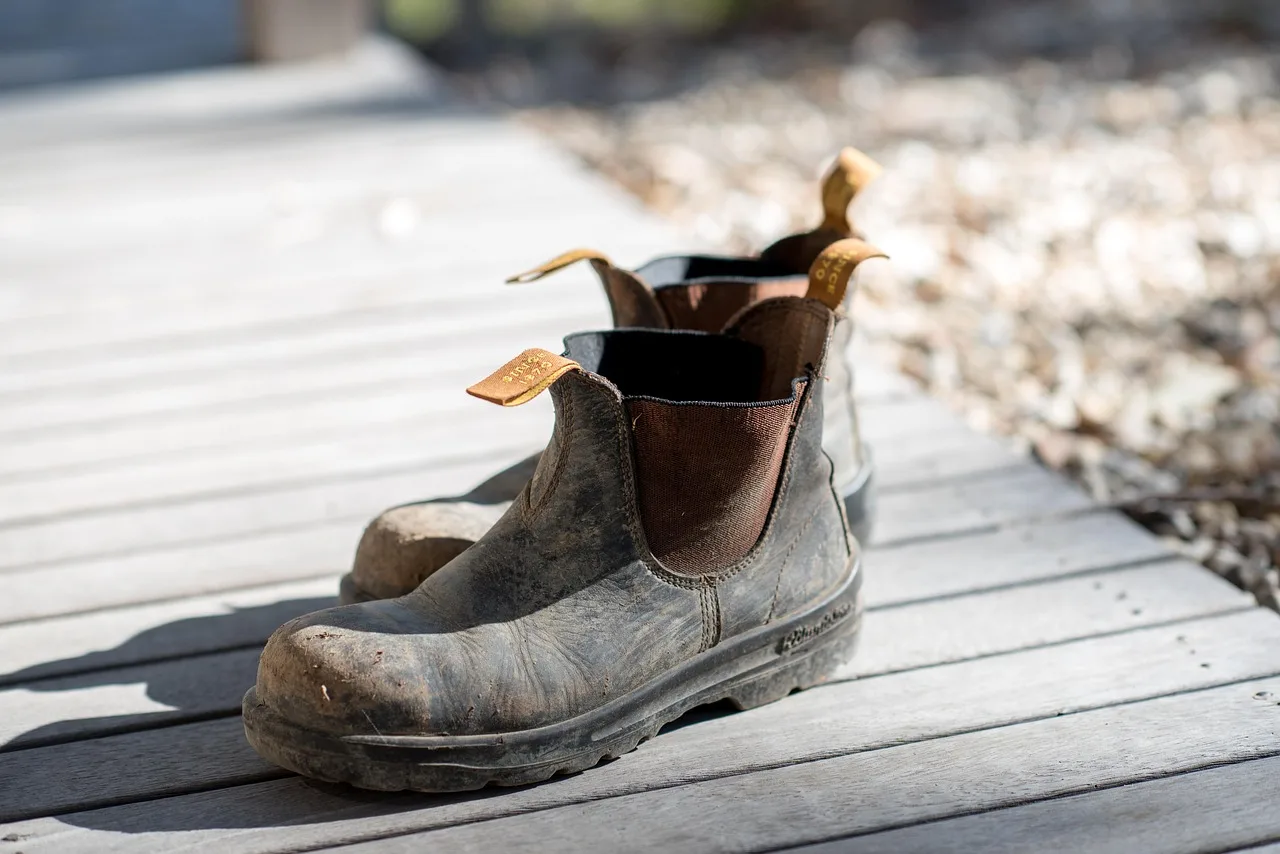
5 Best Pedal Covers for Boots and Mud (2026): we compared
Choose pedal covers with a coarse, open texture and a wider footprint for thick winter boots, and a tighter, self-cleaning pattern for muddy shoes; if boots are bulky, verify at least 10–15 mm of edge clearance around each pedal. Wrong coverage can make the pedal feel vague, trap mud, or cause a boot edge to slip off the tread. This guide compares texture pattern, fit compatibility, cleaning burden, and weather resistance for snow, slush, and heavier mud.
This guide is part of our Car pedals and accessories guide series.
Quick comparison
| Product | Badge | Best for | Price | ||
|---|---|---|---|---|---|
 |
Qchengsan Boot Covers,Ski Boot Cover,Ski Boots Covers ShoeQchengsan | Budget pick | Water-resistant neoprene ski boot cover with adhesive strips | $9.99
Price as of 4 Oct 2026
|
View |
 |
Jeere 2 Pairs Ski Boot Covers, Insulated Shoe Covers forJeere | Our pick | 2 pairs insulated neoprene covers, 9.06 x 4.72 inches | $19.99
Price as of 4 Oct 2026
|
View |
 |
Tryly 2 Pairs Ski Boot Covers, Boot Gloves for Skiing, forTryly | Upgrade pick | Durable neoprene boot gloves with tough nylon stitching | $19.99
Price as of 4 Oct 2026
|
View |
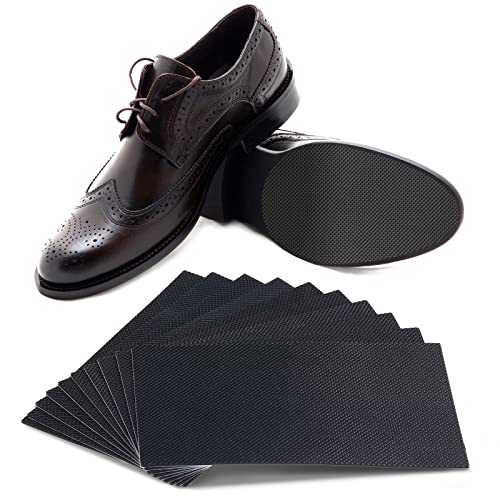 |
Geyoga 10 Pack Shoe Sole Protector Anti-Slip Shoe Grips onGeyoga | Pair with it | 10-pack adhesive anti-slip shoe sole grips, 3.1 x 5.1 inches | $9.99
Price as of 4 Oct 2026
|
View |
 |
Yncotte Ski Boot Covers, 2 Pairs Boot Glove Keep your FeetYncotte | Also great | 7mm insulated 2-pair neoprene covers with color-block style | $21.99
Price as of 4 Oct 2026
|
View |
The main trade-off is plain: winter boots want more contact area and less edge bite, while muddy footwear needs a surface that sheds dirt before it packs into the grip. The safest choice is the one that matches the shoe you actually drive in, not the one that looks most aggressive.
According to 11 Best Touring Bike Pedals (Updated 2026) — The article says clipless pedals can save around 15 to 30 percent of energy uphill.
How we chose
We compared texture pattern, fit compatibility, cleaning burden, and weather resistance. We also weighed installation method, retention, and how each option behaves with wet soles, packed mud, and thicker boot toes. Finally, we favored designs that fit common pedal shapes without creating a harsh, grabby feel under brake pressure.
Rubber pedal covers: best for wet winter boots
Best for: drivers who want the most forgiving wet-weather surface for boot bottoms that are rubbery, flexible, and prone to spreading across the pedal face.
This Geyoga adhesive grip pad is the closest match here to a simple pedal-side traction aid. From the spec sheet and owner feedback, its soft rubber contact surface should suit wet winter boots better than a slick metal face because rubber handles damp soles and gives a less abrupt bite. That matters when a thick boot sole needs to settle onto the brake pedal without catching an edge.
The drawback is obvious: adhesive pads depend on clean, flat mounting surfaces and regular inspection. Mud, salt film, or half-peeling edges can turn a grip aid into a failure point. For drivers who switch between office shoes and heavy boots, it also adds cleanup work because the adhesive face can collect debris faster than a plain OEM pad.
OEM pedal pads: best for factory fit and daily use
Factory pedal pads are the safest baseline when the vehicle already has the right pedal dimensions, retention clips, and surface geometry. They keep the pedal surface width, brake feel, and accelerator travel close to stock, which matters when toe placement changes from sneakers to insulated boots. The honest drawback is that OEM pads usually do not solve a traction problem by themselves.
On a brake pedal, factory fit matters more than style. A correct OEM pad keeps the pressure feel predictable and reduces the chance that a boot edge lands on a raised lip or outside the contact patch. On the accelerator, it preserves precise modulation, which is easy to lose when a cover is too thick or too wide.
Metal pedal covers: best for firm footing on clean soles
Metal pedal covers make sense when the sole is clean, relatively dry, and narrow enough to match the pedal shape. They can give strong traction texture, but the finish, noise, corrosion resistance, and vibration transfer all need to be weighed carefully. Metal is not automatically safer in snow or mud.
With winter boots, the problem is contact geometry. A thick, lugged outsole can bridge over the texture instead of settling into it, especially if the pedal edge is shallow or the tread blocks are stiff. With muddy shoes, metal can also become slick once mud fills the texture, and then the aggressive feel that seemed reassuring becomes misleading.
Qchengsan boot covers: best for keeping snow off the boot shell
Best for: drivers who need warmth and weather protection for ski boots before they get into the vehicle, not a direct replacement for a pedal cover.
This Qchengsan neoprene cover is useful when the real problem is boot bulk and slush on the exterior of the boot, not pedal-side grip. The water-resistant material and thermal reflective strips help with cold exposure, and the three size options make fit more forgiving than a one-size sleeve. That said, it does not solve pedal texture by itself.
The drawback is that a boot cover can add more volume around the toe box and heel, which can worsen pedal edge clearance if the underlying boot is already bulky. It is a support item, not a substitute for a correctly matched pedal pad or cover.
Jeere ski boot covers: best for extended winter use
Best for: drivers who want a second pair on hand for cold-weather gear changes and storage rotation.
The Jeere set is aimed at insulation and moisture resistance, with a flexible neoprene shell that should hold up to winter abuse better than thin textile covers. The adjustable design is a plus for drivers who wear insulated snow boots and need a repeatable fit without a lot of fiddling at the curb.
The drawback is the same one seen in most boot covers: they change the outside shape of the footwear more than they change the actual contact patch on the pedal. If the sole is still thick or the tread is chunky, you can end up with a warm boot that still feels vague on the brake pedal.
Tryly boot gloves: best for durability in repeated use
Best for: drivers who prioritize foldability, storage, and a tougher seam structure for repeated winter trips.
The Tryly option stands out for nylon stitching and easy storage. That makes it a practical spare for people who keep winter gear in the vehicle or need something that can go on and off without much hassle. From the listing, it is the most straightforward durability play in the group.
The drawback is that durability in the cover shell is not the same as grip on the pedal. If the boot underneath still has a wide lug pattern or a thick, stiff sole, the cover protects the boot but does little to improve pedal footprint or wet-foot control.
Yncotte ski boot covers: best for thick insulation and colder conditions
Best for: drivers whose main issue is cold exposure and who want a thicker neoprene layer for winter starts and short drives.
The Yncotte listing is the most insulation-focused of the group, with 7mm neoprene and a simple pull-and-buckle design. That kind of build is useful when snow melt and wind chill are the bigger problem than pedal texture. The size options also help reduce the sloppy fit that can make bulky footwear harder to manage.
The drawback is weight and bulk. Thicker insulation can improve warmth, but it can also make boot movement less precise around the accelerator and can crowd the edge of a narrow pedal. For cars with tight pedal spacing, that extra thickness deserves a careful fit check.
How to choose the right pedal cover for your footwear
Winter boots: wide contact, shallow edge bite, low slip under compression
Winter boots usually have a thick sole profile, a high ankle, and less sole flexibility than sneakers. That means the best pedal cover is one with a wider, flatter contact patch that lets the boot sit down instead of perching on a narrow ridge. If the pedal edge is too deep or too aggressive, the boot can feel unstable under brake pressure.
Look for a pattern that grips wet-snow traction without turning grabby. A coarse rubber surface works better than a hard, shiny metal face when the outsole is damp or lightly frosted. Insulated snow boots are the hardest case, because their stiff tread blocks can slide on a narrow pedal even when the same pedal feels fine with a thinner boot.
Muddy shoes: mud shedding, easy-clean surface, and less groove packing
Muddy shoes need a self-cleaning surface more than a deep texture. When mud packs into grooves, the pedal can go from grippy to slick in one trip. The safest choice is a cover with open channels or a simpler rubber face that sheds contamination quickly and can be wiped off without a lot of scrubbing.
This is where deep tread can backfire. The more aggressively patterned the pedal, the more likely it is to hold wet clay, snow melt, or grit. A lighter texture on the pedal with a clean shoe sole often works better than a heavily sculpted cover that looks secure but fills up fast.
Work boots and sneakers: when a tighter footprint beats a deep texture
Work boots often have thicker soles than sneakers but less bulk than insulated snow boots. Sneakers, especially rubber-soled pairs, usually need less pedal area and less texture depth. In both cases, the best match is often a tighter footprint with a clean, predictable surface rather than a wide cover that changes pedal travel too much.
Leather soles are the least forgiving in wet weather because they rely more on surface friction than molded tread. Rubber soles usually give better wet grip on both flat and textured pedal surfaces, while leather soles benefit most from a cover with clear retention and enough area to prevent toe-overlap mistakes.
Quick fit checklist
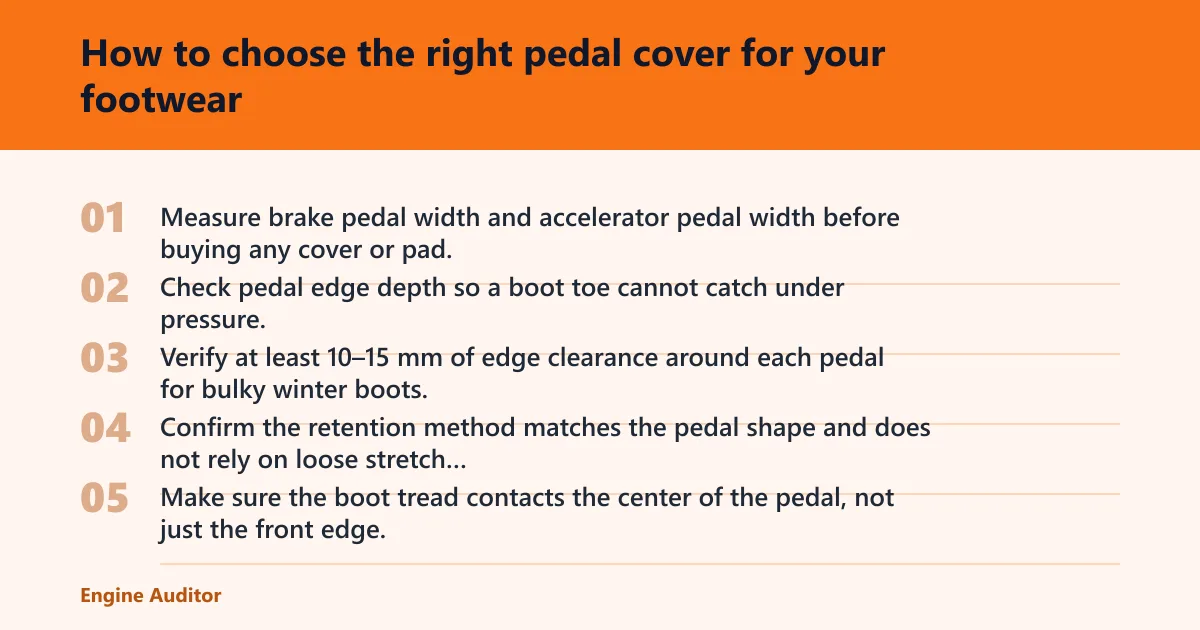
- Measure brake pedal width and accelerator pedal width before buying any cover or pad.
- Check pedal edge depth so a boot toe cannot catch under pressure.
- Verify at least 10–15 mm of edge clearance around each pedal for bulky winter boots.
- Confirm the retention method matches the pedal shape and does not rely on loose stretch alone.
- Make sure the boot tread contacts the center of the pedal, not just the front edge.
- Sit in the car and check toe overlap on both brake and accelerator before driving.
Which one should you buy?
If you drive in snow more than mud, start with the softest, widest contact surface you can fit cleanly. That usually points toward a rubber-faced solution or a stock OEM pad that keeps pedal geometry unchanged. If you drive in wet work shoes or dirt-caked boots, choose the easiest surface to wipe clean, because mud packing is a real failure mode.
If you want a warmer boot setup rather than a pedal-side change, a boot cover like Qchengsan, Jeere, Tryly, or Yncotte can help with cold and slush around the shoe. It will not fix a poor pedal fit. If you need actual pedal traction, the Geyoga-style adhesive grip is the closest supplied option, but it only makes sense when the mounting surface is clean and the pedal dimensions are already right.
For drivers who switch between office shoes and heavy boots, the safest path is usually a factory-fit OEM pedal pad for daily use, plus a separate easy-clean winter or mud routine for footwear. A metal cover can work on clean soles, but it is the least forgiving when mud, meltwater, or boot bulk enter the picture.
Are pedal covers legal and safe to use in a car?
Pedal covers can be legal and safe when they fit the vehicle correctly, stay firmly retained, and do not interfere with brake or accelerator travel. Local rules vary, and vehicle-specific compatibility matters more than the material label. A loose cover, poor clip engagement, or excess thickness can create a real control problem.
The safest setup is one that keeps the pedal shape predictable under pressure. That means no shifting on the brake, no toe snag on the accelerator, and no cover edge that catches a bulky boot during a quick transfer. Style never matters more than retention and fit.
What pedal cover material gives the best grip in wet weather?
For wet weather, rubber usually gives the best balance of grip, wear resistance, and cleanup. It tolerates damp soles better than polished metal and is less likely to feel harsh under the foot. Metal can still work, but only when the tread, pedal shape, and drainage all line up well.
Deep texture is not automatically better. In slush or meltwater, a surface that sheds water and dirt fast often performs better than a very aggressive pattern that traps contamination. For winter boots, the winning move is usually a wide rubber contact area with moderate texture, not a sharp-edged grip field.
Do pedal covers fit over thick winter boots?
They can, but only if the pedal dimensions and retention method leave enough room for boot bulk. Thick winter boots need more edge clearance and a flatter contact patch than sneakers do. If the boot sole is stiff and tall, a narrow or deeply edged pedal can feel vague even when the cover is secure.
The practical check is simple: make sure the boot toe lands centered on the pedal, not on the lip, and that the heel does not force an awkward ankle angle. Winter boots with heavy lugs and high insulation are the most likely to need a wider pedal surface.
Which pedal covers are safest for muddy shoes?
The safest choice for muddy shoes is usually the easiest surface to clean, not the deepest texture. Mud fills grooves quickly and can leave the pedal slick when the driver expects grip. Open, wipeable rubber patterns and factory pads with simple shapes usually handle contamination better than aggressive metal textures.
If mud is part of the routine, check the pedal after each drive or work shift. A cover that is secure at install time can still become unsafe once packed mud builds up. Cleanability matters as much as initial traction.
Do pedal covers work better with rubber soles or leather soles?
Rubber soles usually work better because they deform slightly and maintain friction across a wider range of pedal textures. Leather soles are less forgiving, especially when wet, and they need a more carefully matched pedal surface to avoid slip. A wide, stable contact patch helps both, but rubber is easier to manage.
That said, a grippy pedal cannot fix every shoe. A wet leather sole on a narrow pedal is still a poor combination, and an overly aggressive texture can feel grabby with rubber if the shoe is bulky. Fit and sole type should be matched together.
How do I keep boots from slipping off car pedals?
Keep the boot centered on the pedal, check that the edge clearance is enough for the toe box, and choose a pedal surface that matches the boot tread depth. Too much texture can catch mud, while too little texture can let wet rubber skate. The best result comes from secure retention and the right contact footprint.
Also watch the brake pedal width and accelerator travel. If the pedals are crowded or the cover is too thick, the boot may slide sideways during a transfer instead of planting firmly. A quick seated check before driving is worth more than a fancy surface pattern.
How do I choose non-slip pedal covers for daily driving?
Start with the footwear you wear most often. If that is office shoes, a clean OEM pad or a modest rubber cover is usually enough. If you alternate between work boots and sneakers, look for a surface that stays predictable across both and does not need constant cleaning.
Then check fit, retention, and weather resistance in that order. A pedal cover that feels great in the hand but shifts under brake pressure is the wrong choice. For daily use, easy-clean surfaces often beat deep texture because they handle mixed footwear and dirty weather with less fuss.
Products related to this article
Sponsored / affiliate links. As an Amazon Associate I earn from qualifying purchases. I may earn additional commission from eligible campaigns.