What Is a Clutch Pedal and How Does It Work?
The clutch pedal is the driver control for separating the engine from the transmission; pressing it moves the release mechanism, and full release restores power flow for driving and gear changes. Ignore bad pedal feel or abnormal travel, and you can face hard shifting, clutch slip, drag, or expensive transmission damage. This guide explains how the clutch pedal works, what normal feel looks like, and how to read common failure symptoms.
What a clutch pedal does
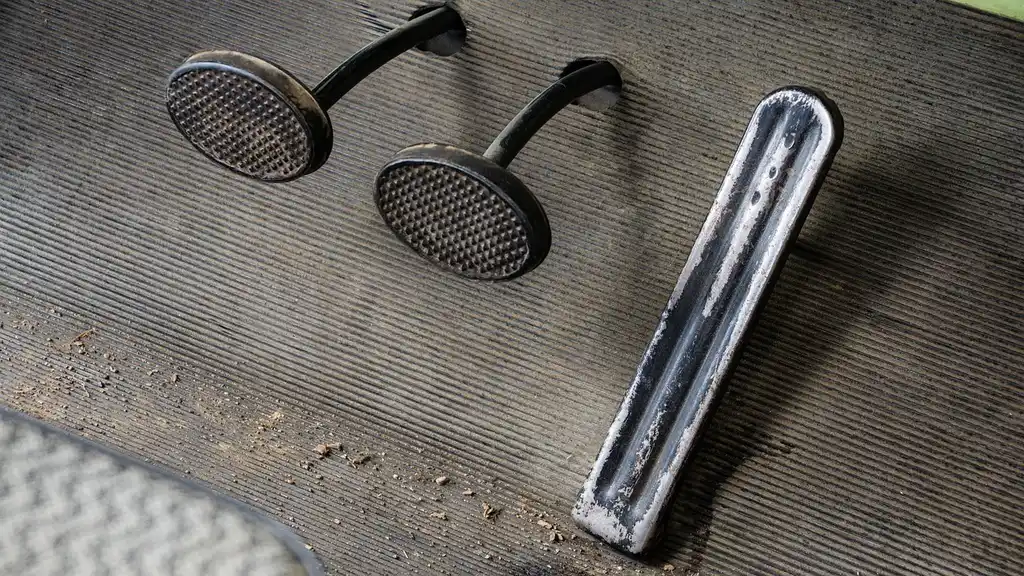

The clutch pedal is the input used to command the clutch release system, not the clutch itself. The clutch is the mechanical unit between the engine and transmission that engages and disengages power flow by friction. The pedal moves a linkage or hydraulic system that tells that unit when to separate and when to clamp again.
Pedal input and clutch disengagement
When the pedal is pushed, the release mechanism reduces the clutch’s clamping load. That lets the friction disc stop clamping tightly against the flywheel, so the engine and transmission can turn at different speeds for starting, stopping, and shifting. That is why the pedal matters for smooth gear changes.
Normal pedal travel and free play
A healthy clutch pedal usually has some free play near the top of its travel, then a smooth increase in resistance. Free play is the small amount of movement before the release mechanism starts working. Too little free play can hold parts partly loaded; too much can leave the clutch hard to disengage.
What changes when you press the pedal
Picture a car that shifts cleanly at a steady engagement point every time. The pedal moves, the release system acts, and the clutch separates just long enough for the shift. If the same pedal suddenly feels sticky, sinks too far, or changes where it takes hold, that points to a fault in the pedal path, fluid path, or release hardware.
Clutch parts and power flow
The clutch sits between the engine and transmission. The flywheel attaches to the crankshaft and gives the clutch one friction surface. The friction disc is the driven element attached to the driven shaft. The release bearing works with the diaphragm spring, which provides the pressure force that lets the clutch engage and disengage.
Flywheel and friction disc
The flywheel stores energy and provides a smooth surface for the clutch to clamp against. The friction disc transmits power by friction when it is squeezed between the flywheel and pressure plate. When the pedal is pressed, that squeeze is reduced and power transfer pauses so the transmission can be shifted without grinding.
Diaphragm spring and release bearing
The diaphragm spring is the spring element that creates the clamp load needed for engagement. The release bearing transfers force to the spring during disengagement and can rotate while the pedal is held down. If this bearing wears, pedal effort can change and disengagement may become rough or noisy.
How the clutch sits between engine and transmission
A clutch is a mechanical device used in the transmission system of a vehicle. It engages and disengages the transmission system from the engine, and it is fixed between the engine and the transmission. That placement is why a pedal fault can feel like a drivability problem even before the transmission itself has a problem.
Hydraulic clutch systems
Some cars have clutches that work hydraulically. In those systems, the pedal pushes a master cylinder, fluid moves through a line, and the slave cylinder acts on the release mechanism. A low reservoir level should trigger an immediate leak inspection, because air or fluid loss can make pedal response erratic.
Master cylinder function
The master cylinder stores and pushes fluid when the pedal is pressed. If the pedal sinks, stays down, or feels inconsistent, check the fluid level and look for leaks at the master cylinder, line connections, and the pedal area. A wet firewall or damp pushrod boot often points to master cylinder trouble.
Slave cylinder function
The slave cylinder receives hydraulic pressure from the master cylinder and operates the clutch mechanism. On some vehicles it is mounted on the side of the clutch housing, where leaks may be easier to spot. Some slave cylinders also have a bleed nipple used for bleeding air from the system.
Hydraulic fluid and air in the system
Hydraulic clutch fluid should meet the vehicle maker’s specified standard. Examples cited in service data include SAE J1703 and DOT 3 under FMVSS 116, but those are not universal substitutes for every vehicle’s required fluid. Some cars use a mineral-based fluid and it should not be mixed with glycol-based fluid. Hydraulic fluid is highly poisonous and corrosive, and air in the system can cause erratic pedal response. (Howacarworks)
Suppose the pedal comes back slowly after a shift and then feels normal again for a few presses. That pattern often points to air, a weak seal, or a fluid leak rather than a problem inside the transmission. The fix path starts with inspection, not guesswork.
Cable and linkage systems
Not every clutch uses hydraulics. Some use clutch linkage to transfer force mechanically from the pedal to the fork. These systems use levers and rods, and some include a pushrod and bell crank. Cable systems use a cable in place of fluid, but the job is the same: move the release mechanism with controlled pedal travel.
Clutch linkage parts
Linkage wear often shows up as lost free play, rough movement, or an engagement point that drifts over time. Check pedal pivots, bushings, return springs, adjustment points, and any rods or levers in the path. A dry or worn pivot can make the pedal feel heavy even when the clutch itself is still usable.
How cable systems move the release fork
In a cable setup, pedal motion pulls the cable, which moves the fork and release bearing. That mechanical path is simple, but stretch, fraying, or poor adjustment can change how far the fork moves. If the clutch starts to drag near the floor, cable slack or wear is a likely suspect.
What wear changes pedal feel
Wear in the pedal pivot, cable, fork, or release bearing can alter resistance and the point where the clutch begins to engage. A high engagement point often means reduced travel or wear in the mechanism. A low or vanishing engagement point can mean the system is not fully releasing, even if the pedal still returns.
What a healthy clutch pedal feels like
A healthy clutch pedal returns smoothly, stops at the same place each time, and has a predictable engagement point. You should feel consistent free play, smooth return, and no sticking, sinking, or harsh resistance. The pedal should not change character from one drive to the next without a clear reason.
Consistent return and engagement point
When the system is normal, the pedal springs back in a controlled way and the clutch takes up at roughly the same spot every time. That repeatability matters. A moving engagement point can point to fluid loss, air, cable stretch, or wear in the release parts.
Signs the system is behaving normally
Normal operation usually means shifts go in without grinding, the clutch does not drag at a stop, and the pedal feels the same cold or warm. The car should launch without shudder from the clutch side, and the pedal should not need extra pumping to work.
A common first-timer mistake is treating a slightly higher engagement point as “normal for age” and ignoring the rest of the pedal feel. If the point is rising and the pedal also feels softer, the system is telling you something is changing.
Clutch pedal symptom table
This table ties pedal behavior to the most likely fault areas, the urgency, and the first checks. Use it as a guide, not a final diagnosis. Hydraulic and cable systems fail in different places, but the pedal symptom often points you to the right branch quickly.
| Pedal behavior | Likely causes | Urgency | First inspection steps |
|---|---|---|---|
| Spongy or erratic | Air in the hydraulic system, low fluid, leaking master cylinder, leaking slave cylinder | High. Inspect before more driving. | Check reservoir level, inspect for wet fittings or boots, confirm the correct fluid type, look for air entry points |
| Stays down | Master cylinder internal bypass, damaged return spring, binding pedal pivot, cable failure on mechanical systems | High. Loss of normal shifting is likely. | Check pedal return spring, pedal pivot, linkage movement, fluid level, and visible leaks at the master or slave cylinder |
| Goes to the floor | Severe hydraulic leak, air in the system, failed master cylinder seals, disconnected linkage | Critical. Often not safe to continue driving. | Look for fluid loss, inspect under the dash and at the transmission housing, test whether the pedal returns with help from the spring |
| Hard to press | Binding release bearing, damaged diaphragm spring, seized linkage, misrouted cable, worn pivot points | Moderate to high. Damage can spread. | Check pedal pivots and linkage joints, listen for noise at release, verify the cable or rod path is straight and free-moving |
| Changes engagement point | Wear in the friction disc, cable stretch, fluid level change, small leaks, release mechanism wear | Moderate. Watch for progression. | Note whether the change is gradual or sudden, inspect fluid level, check free play, and verify smooth release travel |
| Sticky return or poor disengagement | Dry pedal pivot, binding cable, weak return spring, contaminated hydraulic components | High if shifts begin to grind or drag. | Inspect the pedal box, cable routing, spring condition, and any fluid contamination around hydraulic parts |
What to check first
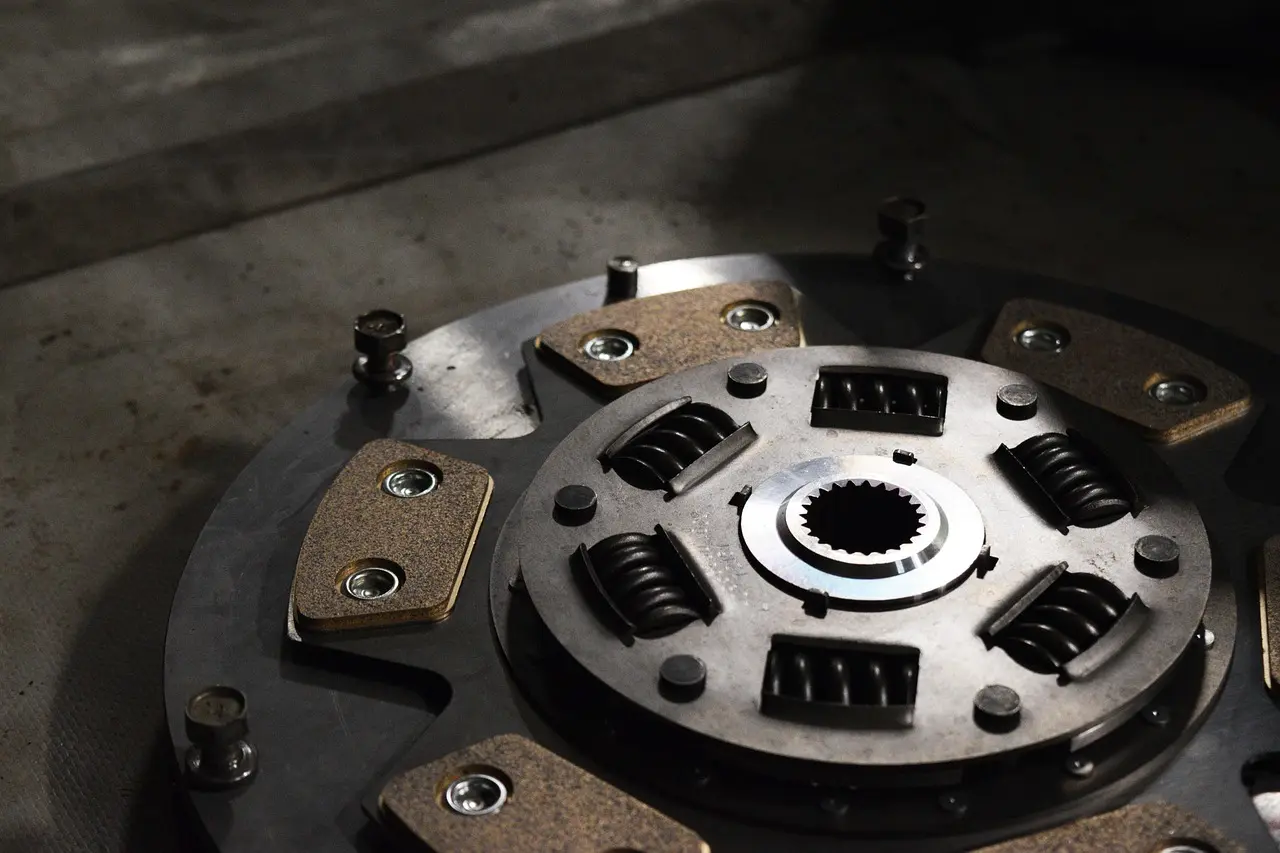
If the clutch pedal stops disengaging properly, start with the easiest outside checks. For hydraulic systems, inspect the reservoir level and look for leaks at the master cylinder, line, and slave cylinder. For cable or linkage systems, inspect the pedal pivot, return spring, cable, rods, and adjustment points before assuming the clutch inside the bellhousing has failed.
Fluid level and visible leaks
For a hydraulic clutch, the first step is the fluid reservoir and the surrounding area. A low reservoir level should trigger an immediate leak inspection. Do not refill and move on without finding the leak path, because air can enter and the pedal can fail again quickly.
- Check the clutch fluid reservoir level against the vehicle’s service information.
- Inspect the master cylinder, slave cylinder, line fittings, and dust boots for wetness.
- Confirm the fluid type matches the vehicle’s specification before adding any fluid.
- Look for pedal movement that changes after a few presses, which can point to air or internal bypass.
- If the pedal still sinks or fails to release the clutch, stop driving and inspect further.
Linkage, pedal pivot, and return spring checks
In cable and mechanical systems, look for free movement at the pedal pivot, the cable path, and any rods or levers. A weak return spring can leave the pedal down or slow to rise. If the pedal is heavy, sticky, or does not return to the same point, a mechanical bind may be the cause.
When to inspect the release mechanism
If the pedal feels normal but the clutch still drags, slips, or refuses to release fully, the issue may be inside the bellhousing. That points toward the release bearing, diaphragm spring, friction disc, or pressure plate. At that stage, continued driving can create more damage, so towing is often the safer call.
Frequently asked questions
What is a clutch pedal for?
The clutch pedal lets you disconnect engine power from the transmission long enough to start, stop, and shift. It does that by moving the release system, which reduces the clamp on the clutch plates. A healthy pedal gives you predictable control over that separation and reconnection.
How does a clutch work?
A clutch uses friction to connect and disconnect power between the engine and transmission. The flywheel, friction disc, pressure plate, release bearing, and diaphragm spring work together so power flows when the clutch is engaged and pauses when the pedal commands disengagement.
Is the clutch pedal part of the transmission system?
Yes, in the driver-control sense. The pedal is not inside the transmission, but it is part of the transmission system’s control path because it operates the clutch that connects the engine and transmission. A fault in the pedal path can keep the clutch from releasing properly.
What happens when you push down the clutch pedal?
Pushing the pedal moves the release mechanism, either through hydraulics or linkage. In a hydraulic system, depressing it forces fluid through to the slave cylinder, which operates the mechanism that engages and disengages the clutch plates. The clutch then stops clamping the flywheel tightly so you can shift.
Why does the clutch pedal stay down?
A pedal that stays down often points to a hydraulic leak, air in the system, a failed master cylinder, a weak return spring, or a binding pedal pivot. On cable systems, a stretched or failed cable can do the same thing. If the pedal will not return, treat it as urgent.
Why does my clutch pedal go to the floor?
When the pedal goes to the floor, the system is usually losing pressure or movement somewhere in the path. Common causes include a failed master cylinder, a leak at the slave cylinder, air in the hydraulic line, or a disconnected mechanical linkage. That symptom often means the car should not keep driving.
Why is my clutch pedal spongy or erratic?
A spongy or erratic pedal usually means compressible air, low fluid, or internal hydraulic wear. Check the reservoir level first, then inspect for leaks. If the vehicle uses a specific hydraulic fluid, match that specification exactly and do not mix fluid types unless the service data says it is allowed.
How does a hydraulic clutch pedal work?
The pedal pushes the master cylinder, which sends fluid pressure to the slave cylinder. The slave cylinder then moves the clutch release mechanism. This arrangement gives smooth pedal action when everything is sealed and full of the correct fluid, but leaks or air quickly change the feel.
What should I check if the clutch pedal stops disengaging properly?
Start with fluid level, visible leaks, pedal return, and free play. Then check the linkage or hydraulic parts for binding, depending on the system. If the pedal feels normal but disengagement is poor, the release bearing, diaphragm spring, or clutch disc may need inspection inside the bellhousing.
Products related to this article
Sponsored / affiliate links. As an Amazon Associate I earn from qualifying purchases. I may earn additional commission from eligible campaigns.