Brake Pedal Pushed to the Floor: The Real 9 Causes
When you press the brake pedal and it sinks straight to the floor with no resistance, it points to one of 9 possible causes, from a fluid leak or worn master cylinder to a failing brake booster. Driving on it risks a total loss of stopping power at the worst possible moment. This guide covers all 9 causes, how to diagnose which one you have, and what to do right now.
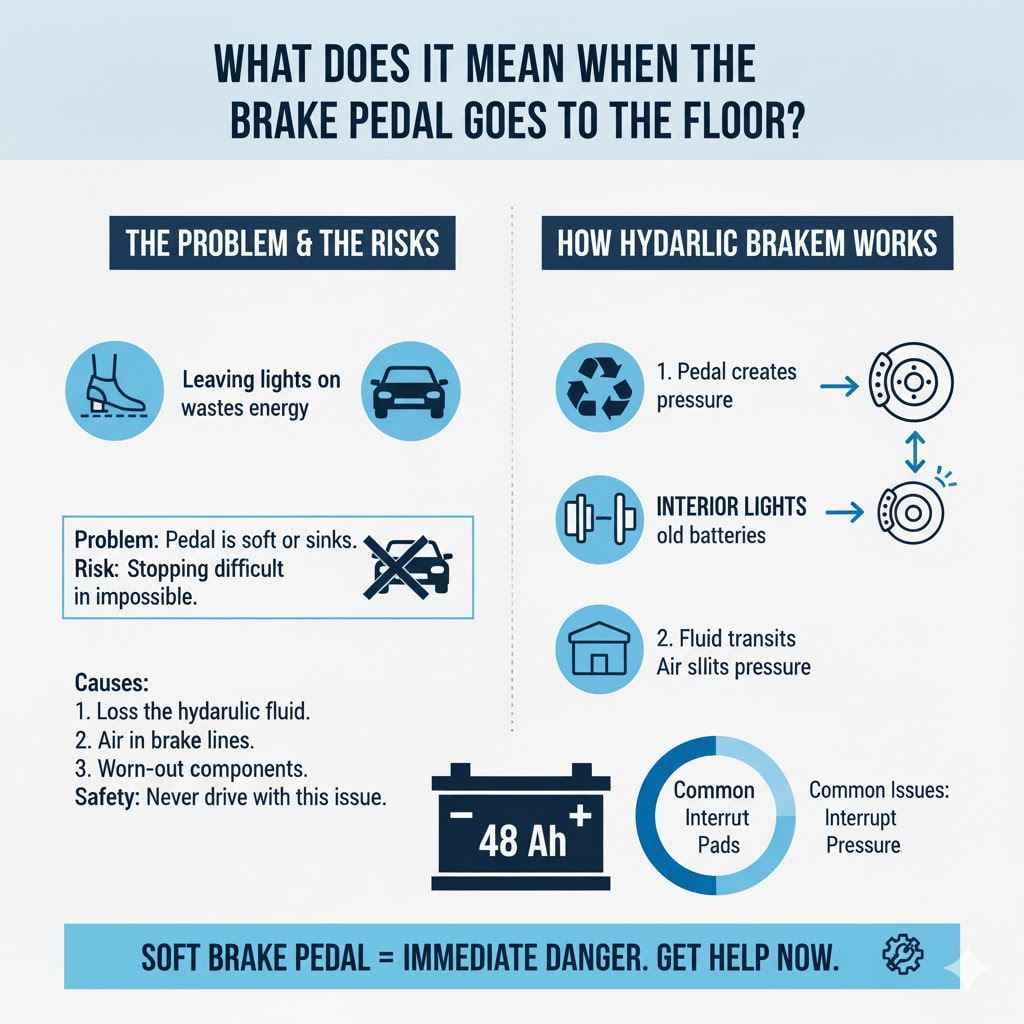
What Does It Mean When The Brake Pedal Goes To The Floor?
Best Brake Fluid Pick
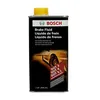
BOSCH Extended Life Brake Fluid – $19.99
This guide’s prevention section says replace fluid every 2-3 years, since old fluid absorbs moisture and rusts internal parts — this is the DOT3/4/5.1 fluid to do it with.
- Best for: the routine 2-3 year fluid replacement this guide recommends
- Why we picked it: trusted brand, compatible with DOT3, DOT4, and DOT5.1 systems
- Main drawback: flush requires bleeding all 4 wheels afterward
Compare more brake fluid care options
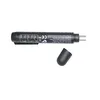 Option 1 ITEQ Tester Pen – $13.99
|
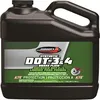 Option 2 Johnsen’s 1-Gallon DOT-4 – $33.30
|
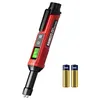 Option 3 KAIWEETS Tester Pen – $19.99
|
As an Amazon Associate we earn from qualifying purchases.
When you push the brake pedal and it drops to the floor, your brakes are not working properly. Normally, the brake pedal should feel firm and start slowing the car right away. If the pedal is soft or goes down too far, something is stopping the brakes from building enough pressure. This can make stopping difficult or even impossible. The most common reason is a loss of hydraulic pressure in the brake system. Other causes include leaks, air in the lines, or worn-out parts.
How The Brake System Works
Understanding the basics helps to see why this problem is so serious. Most cars use a hydraulic brake system. When you press the pedal, it pushes fluid through lines to each wheel. This fluid pressure squeezes the brake pads or shoes, slowing the car. If anything stops the system from building or holding pressure, the pedal will sink. It is never safe to drive a car with this problem.
Main Causes Of A Brake Pedal That Can Be Pushed To The Floor
Several things can make your brake pedal go soft or hit the floor. Some are more common than others, but all can be dangerous. Here are the main causes:
- Brake Fluid Leak
- Worn Master Cylinder
- Air in the Brake Lines
- Damaged Brake Lines or Hoses
- Failed Brake Caliper or Wheel Cylinder
- ABS System Malfunction
- Low Brake Fluid Level
- Leaky or Faulty Brake Booster
- Incorrect Brake Installation or Adjustment
Let’s look at each cause in detail.
1. Brake Fluid Leak
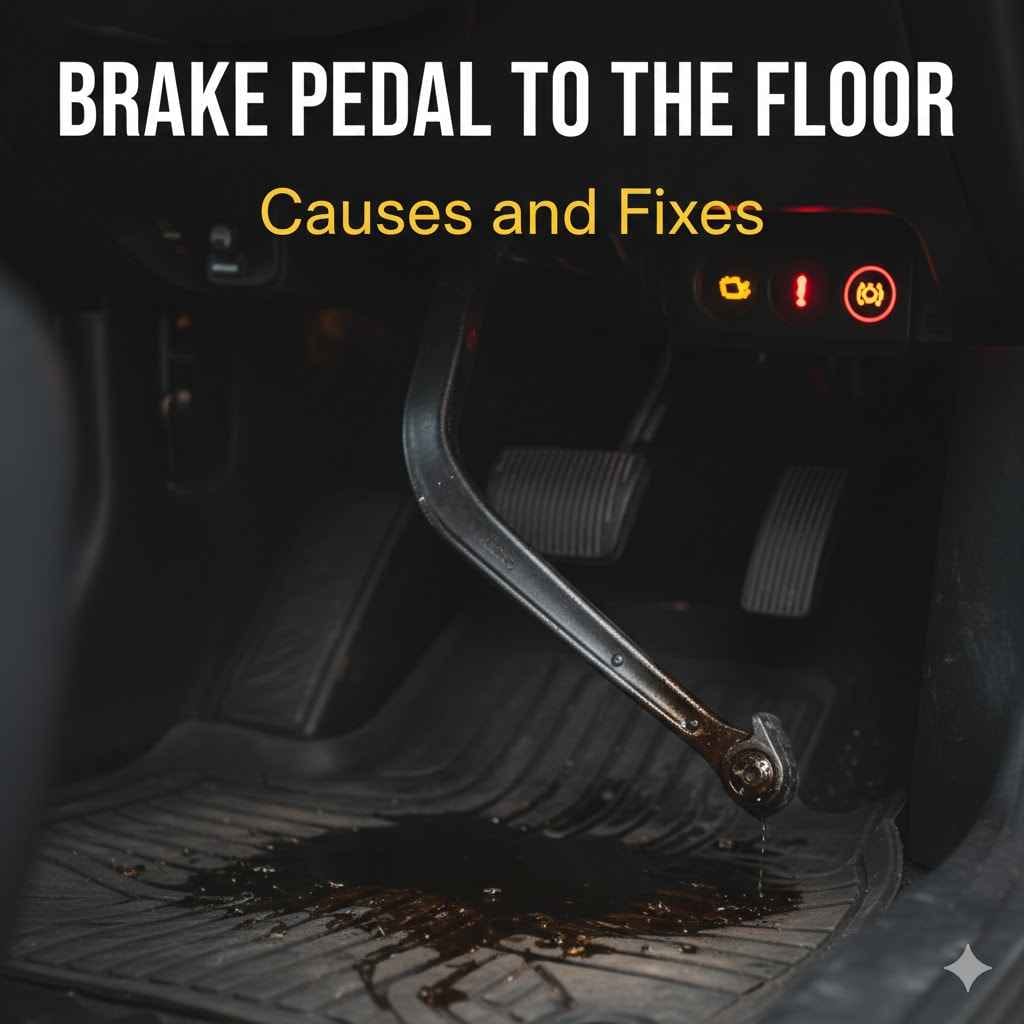
A brake fluid leak is the most common reason for a brake pedal to go to the floor. The system needs a sealed path for fluid pressure. A leak anywhere—at the master cylinder, brake lines, hoses, calipers, or wheel cylinders—breaks this seal. You may notice fluid under the car, near a wheel, or below the brake pedal. In severe cases, the fluid level in the reservoir drops quickly. Even a small leak can cause big problems. Always check for leaks if you notice a soft pedal.
2. Worn Master Cylinder
The master cylinder is the heart of your brake system. It creates the pressure that moves brake fluid to all four wheels. Inside, rubber seals keep fluid where it belongs. Over time, these seals can wear out or crack. When this happens, fluid slips past the seals instead of building pressure. You may see fluid leaking from the master cylinder, or just notice that the pedal feels soft and sinks slowly. Replacing a worn master cylinder is often the only solution.
3. Air In The Brake Lines
Brake fluid is not compressible, but air is. If air gets into the brake lines, pressing the pedal compresses the air instead of moving fluid to the brakes. This makes the pedal feel spongy or lets it sink to the floor. Air can enter the system during repairs, after a fluid change, or through leaks. Bleeding the brakes removes air and restores firm pedal feel. This is a common issue after brake work if the system isn’t bled properly.
4. Damaged Brake Lines Or Hoses
The brake system uses metal lines and rubber hoses to move fluid. Over time, these parts can rust, crack, or get damaged. A rusty line may burst, or a hose could split. This causes a sudden loss of pressure, and the pedal drops to the floor. Sometimes, you can see the damage under the car. Replacing the damaged part and bleeding the brakes is the only way to fix this problem.
5. Failed Brake Caliper Or Wheel Cylinder
The calipers (for disc brakes) or wheel cylinders (for drum brakes) use hydraulic pressure to push the pads or shoes against the rotor or drum. If the seals inside these parts fail, fluid leaks out. You may notice a puddle near a wheel or see fluid on the tire or inside the drum. This not only makes the pedal go soft but can also reduce braking power for that wheel.
6. Abs System Malfunction
Modern cars use an Anti-lock Braking System (ABS) to keep the wheels from locking up. The ABS uses valves and pumps to control brake pressure. If a valve sticks open or a pump fails, it can allow fluid to bypass the brakes, causing the pedal to sink. You might see the ABS warning light. While rare, this problem should be checked by a professional.
7. Low Brake Fluid Level
If you don’t have enough brake fluid in the reservoir, there won’t be enough to push pressure to all the wheels. This can happen due to leaks or as brake pads wear down. The pedal may slowly get softer over time. Topping up the fluid helps short-term, but you must find out why the level dropped. Never ignore a low fluid warning.
8. Leaky Or Faulty Brake Booster
The brake booster helps make the pedal easier to press. It uses vacuum (or sometimes hydraulics) to amplify your foot’s force. If the booster leaks or fails, the pedal can become soft and may go to the floor, especially when the engine is off. Sometimes, you’ll hear a hissing sound or notice the engine running rough when you brake.
9. Incorrect Brake Installation Or Adjustment
If someone works on the brakes and doesn’t assemble them correctly, you may have a soft pedal. Common mistakes include not bleeding the brakes, using the wrong parts, or not adjusting the brakes properly. This is more common after DIY repairs.
If your pedal feels wrong after brake work, have a mechanic check the system.
Signs And Symptoms To Watch For
Knowing the signs of a brake problem can help you react quickly. Here are some symptoms to watch for:
- Pedal sinks slowly: If the pedal drops slowly, it often means a leak or worn master cylinder.
- Pedal is soft or spongy: Air in the lines or low fluid can cause this feeling.
- Brake warning light: Most cars have a brake warning light on the dashboard. If it comes on, check the brakes right away.
- Fluid on the ground: Puddles of clear or slightly yellowish fluid under your car may be brake fluid.
- Longer stopping distances: If your car takes longer to stop, there may be a brake issue.
- Hissing sound when braking: A leaking brake booster can make this noise.
If you notice any of these symptoms, take action quickly. Brake failures can be sudden and dangerous.
How To Diagnose A Brake Pedal That Goes To The Floor
Diagnosing this problem is not always simple, but you can use some steps to narrow down the cause. Here’s a practical approach:
Step 1: Check The Brake Fluid Level
Open the hood and look at the brake fluid reservoir. It’s usually on the driver’s side, near the back of the engine bay. The fluid should be between the “MIN” and “MAX” lines. If it’s low, check for leaks and top it up with the correct fluid type.
Step 2: Look For Leaks
Inspect under the car, around each wheel, and under the brake pedal for signs of fluid. Brake fluid is usually clear or yellowish and feels slippery. If you see any leaks, do not drive the car.
Step 3: Pump The Brake Pedal
With the engine off, pump the brake pedal several times. It should get firmer as you pump. If not, there may be air in the lines or a master cylinder issue.
Step 4: Check Brake Lines And Hoses
If you have basic tools and knowledge, look under the car at the metal brake lines and rubber hoses. Check for rust, cracks, or wet spots. Damaged parts need replacing.
Step 5: Test The Brake Booster
With the engine off, press the pedal several times to remove any vacuum. Then, hold the pedal and start the engine. The pedal should drop slightly. If it doesn’t, the booster may be faulty.
Step 6: Bleed The Brakes
If you recently had brake work, there may be air in the lines. Bleeding removes air and restores proper pressure. This is a job for someone with experience, as mistakes can make the problem worse.
Step 7: Scan For Abs Faults
If you have an OBD-II scanner, you can check for ABS codes. This is helpful if the ABS warning light is on. Faulty ABS parts need professional repair.
Risks Of Driving With A Brake Pedal That Goes To The Floor
Driving with a soft brake pedal is extremely risky. Here’s why:
- Loss of control: You may not be able to stop in time to avoid a crash.
- Increased stopping distance: Even if the brakes work sometimes, it takes longer to stop.
- Total brake failure: The system could fail completely at any moment.
- Legal issues: Driving a car with bad brakes can lead to tickets or lawsuits if you cause a crash.
Never drive a car if you suspect brake problems. If you must move it, drive at very low speeds and avoid busy roads. Have it towed to a repair shop for safety.
How To Fix A Brake Pedal That Goes To The Floor
Fixing this problem depends on the cause. Here are the main solutions:
Find And Repair Leaks
If you find a brake fluid leak, replace the damaged part—whether it’s a line, hose, caliper, or cylinder. After repairs, always bleed the brakes to remove air.
Replace Worn Or Faulty Parts
A bad master cylinder, caliper, wheel cylinder, or booster must be replaced. Use quality parts and follow proper installation steps.
Bleed The Brake System
After any brake work, bleeding is needed to remove air. This can be done using:
- Manual bleeding: One person pumps the pedal while another opens the bleeder valve at each wheel.
- Pressure bleeding: Uses a special tool to force fluid through the system.
Bleed until only clear fluid comes out, with no bubbles.
Top Up Or Replace Brake Fluid
If the fluid is low or dirty, top up or flush and replace it with the correct type. Old fluid can absorb moisture, which leads to rust and soft pedal feel.
Adjust Or Reinstall Brakes Properly
If the brakes were installed or adjusted incorrectly, fix the installation and adjust as needed. This often requires experience and special tools.
Abs Repair
If the ABS is faulty, repairs may involve replacing the pump, valve, or control module. This is best handled by a professional with the right equipment.
How Much Does It Cost To Fix?
Repair costs vary widely depending on the cause. Here’s a comparison of average costs:
| Problem | Average Cost (USD) |
|---|---|
| Brake Fluid Leak Repair | $100 – $350 |
| Replace Master Cylinder | $250 – $550 |
| Brake Line Replacement | $150 – $400 |
| Replace Caliper/Wheel Cylinder | $150 – $350 per wheel |
| ABS System Repair | $300 – $1,200 |
| Brake Booster Replacement | $300 – $800 |
These are just averages. Luxury or imported cars may cost more. Always get a detailed quote before agreeing to repairs.
Can You Fix This Problem Yourself?
Some brake repairs are possible for skilled DIYers, but many need special tools and knowledge. Here’s a quick overview:
| Repair | DIY Difficulty | Best for Pros? |
|---|---|---|
| Top Up Brake Fluid | Easy | No |
| Bleed Brakes | Medium | Sometimes |
| Replace Master Cylinder | Hard | Yes |
| Replace Brake Lines | Hard | Yes |
| ABS Repair | Very Hard | Yes |
If you are not sure, it is safer to have a professional mechanic fix brake problems. Mistakes can lead to dangerous failures.
Preventing Brake Pedal Problems
You can reduce the risk of brake problems with regular care:
- Check brake fluid every month. Top up as needed.
- Inspect for leaks under the car and around wheels.
- Have brakes checked at every oil change or at least twice a year.
- Replace brake fluid every 2-3 years, even if it looks clean.
- Fix minor issues quickly before they get worse.
Many drivers don’t realize that old or dirty brake fluid can slowly damage parts inside the system. Moisture in the fluid leads to rust, which can cause slow leaks or make rubber seals fail. Flushing the fluid regularly is a small investment that can prevent big repair bills.
Two Common Mistakes Drivers Make
- Ignoring a soft pedal: Some drivers think a spongy pedal is not urgent. This is a mistake. Brake issues can get worse fast, leading to total failure.
- Just topping up fluid: Adding fluid without finding the cause of the low level is risky. You could be masking a dangerous leak.
Real-world Example
Consider this: A driver notices the brake pedal feels soft and sometimes sinks lower than usual. She adds brake fluid, but a week later, the pedal goes to the floor at a stoplight. She barely avoids an accident. At the shop, the mechanic finds a small leak in a rear brake line and a worn master cylinder. Both are replaced, and the brakes work perfectly again. This story shows how small warning signs can quickly turn into big problems.
When To Call A Professional
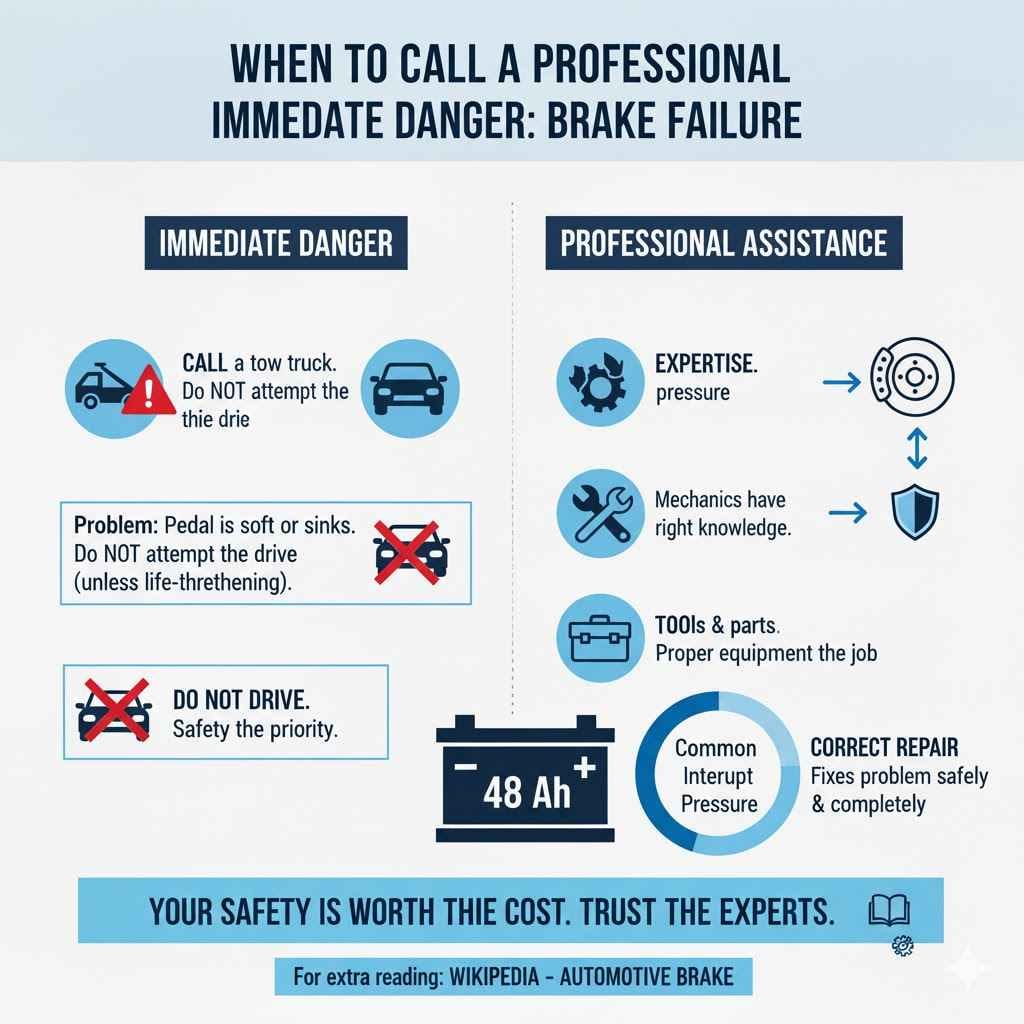
If your brake pedal goes to the floor, it is almost always an emergency. Call a tow truck, not a friend. Do not try to drive unless it’s a matter of life and death. Professional mechanics have the experience, tools, and parts to fix the problem correctly.
Your safety is worth the cost.
For extra reading on how brakes work and why maintenance is important, see the detailed explanation at Wikipedia.
Frequently Asked Questions
Why Does My Brake Pedal Go To The Floor But The Fluid Is Full?
This usually means there is air in the brake lines or a problem with the master cylinder. Sometimes, internal leaks in the master cylinder do not cause fluid loss, but make it impossible to build pressure.
Can I Drive My Car If The Brake Pedal Goes To The Floor?
No. It is dangerous to drive with a soft or sinking brake pedal. You may not be able to stop in an emergency. Have the car towed to a repair shop.
How Often Should I Change My Brake Fluid?
Most experts recommend changing brake fluid every 2-3 years, or as suggested in your car’s manual. Moisture can build up over time, reducing braking power.
What Does It Mean If My Brake Pedal Only Goes To The Floor Sometimes?
This can be a sign of an intermittent leak, a failing master cylinder, or a problem with the ABS system. It is unsafe and should be checked right away.
Is Fixing A Soft Brake Pedal Expensive?
The cost depends on the cause. Simple fixes like bleeding the brakes or topping up fluid are cheap. Replacing the master cylinder, brake lines, or ABS parts can be more expensive. Always get an estimate before repairs.
A brake pedal that can be pushed to the floor is one of the most dangerous problems your car can have. Acting quickly and getting professional help is the best way to stay safe and protect your car. Never ignore brake issues—your safety is always worth it. See also is pedal commander worth it reddit users share the truth.