Best oil for Chevy engines: pick the right viscosity
For most Chevy gas engines, read the oil cap and the owner’s manual, then buy the viscosity they list. If both grades are approved, I pick the lighter one for winter starts and the heavier one for towing, hot weather, or high mileage. Wrong viscosity can hurt cold cranking, raise wear, and trim fuel economy. This guide gives a Chevy-specific decision tree by engine family, climate, mileage, and duty cycle.
This guide is part of our Chevy vehicles guide: models, issues, and buying tips series.
Best oil for Chevy engines: what actually decides the viscosity
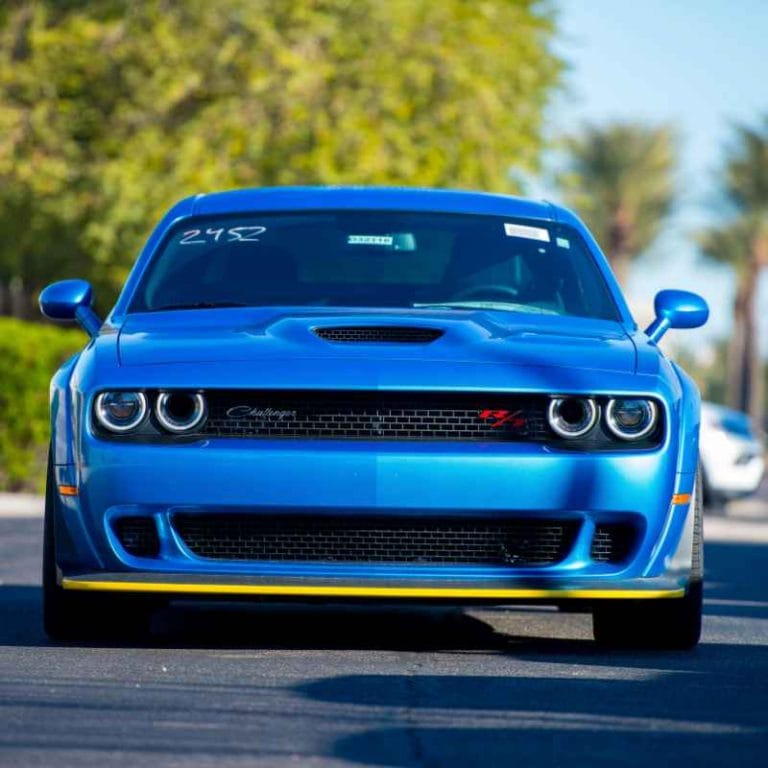
The grille badge matters less than the engine under it. A Malibu four-cylinder, a Silverado V8, and a Duramax diesel do not follow the same oil rules, even when they sit in the same driveway. The manual, the spec line, and the engine design decide the grade.
Engine family matters more than model name
Many newer Chevrolet vehicles use full synthetic motor oil, and the manual usually names the exact grade. Common Chevy oil recommendations often include grades such as 0W-20, 5W-20, 5W-30, 10W-30, and 15W-40. Chevy four-cylinder engines often call for 0W-20 or 5W-20 full synthetic oil, while many Chevy V6 engines use 5W-30 and many small-block Chevy V8s frequently use 5W-30 full synthetic.
That is why a Silverado is not a single answer. A Silverado 2.7L turbo may use 0W-20. A Silverado 5.3L or 6.2L V8 may use 0W-20 or 5W-30 depending on year. The same is true for Equinox and Malibu: many Equinox models use 0W-20 full synthetic oil, and Malibu engines commonly use 0W-20 in newer models and 5W-30 in some older versions.
Why climate, mileage, and duty cycle change the answer
Ambient temperature changes how fast oil moves at start-up. Severe service changes how hot the oil runs once the engine is working. Mileage changes how much internal clearance and oil consumption the engine may have. Those three factors can push a manual-approved choice toward one grade or the other.
Severe service means towing, idling, hot climates, and stop-and-go use. That matters most on trucks and SUVs, because they often carry load, sit at idle, or pull trailers. It can change the oil interval, and sometimes the manual allows a second viscosity for that use pattern.
Where dexos approval fits in
Dexos is General Motors’ oil specification for many Chevy gasoline and diesel engines. Approval matters more than bottle branding. A bottle that says synthetic is not enough if it lacks the right GM approval line for the engine.
Dexos1 is the gasoline-engine specification for many gasoline engines. Dexos2 shows up in some diesel and select gasoline applications, and Chevrolet diesel engines typically call for diesel-rated oil meeting dexos2 or a recent API CK-4-type specification. That approval line belongs next to the viscosity, not behind it.
What oil does my Chevy need?
Check the owner’s manual first, then match the oil cap and VIN. The manual usually lists the recommended oil, the oil capacity, and the approval specification. If the cap and the manual disagree, the manual wins.
Start with the owner’s manual, not the shelf label
The manual tells you the exact viscosity, the approval spec, and the oil capacity with filter replacement. That last part matters. Overfill can aerate the oil and underfill can starve the engine, so capacity is part of the job, not an afterthought.
For modern Chevys, the manual often points to full synthetic. That does not mean every Chevrolet needs the same synthetic oil, only that the engine was designed around a specific grade and spec.
Check VIN, engine code, and model year
VIN decode, engine code, and model year narrow the search fast. Two Silverado 1500s from the same year can carry different engines and different oil calls. A small-block V8 and a turbo four-cylinder can sit in the same body style and still need different oil.
- Read the owner’s manual oil page.
- Confirm the engine code or VIN.
- Check the oil cap label.
- Match the viscosity and approval spec.
- Verify oil capacity with the filter change noted.
Read the oil cap and the spec line together
The cap often gives the first clue, but the spec line is the final filter. Look for dexos1 on gasoline engines and dexos2 or another diesel-rated approval where the engine calls for it. If the cap says 0W-20 and the manual lists 0W-20 or 5W-30, the manual still decides which one is permitted.

Chevy oil viscosity decision table

This table uses four inputs: engine family, ambient temperature range, towing or other severe service, and mileage. It gives a practical starting point, then sends you back to the manual before purchase. That last step is the one that prevents expensive mistakes.
| Engine family | Ambient temperature range | Towing or severe service | Mileage | Recommended viscosity choice | Verify in manual checkpoint |
|---|---|---|---|---|---|
| Modern four-cylinder or turbo gasoline engine | Cold to moderate | Light use | Any | 0W-20 | Confirm dexos1 and exact grade on the oil cap/manual |
| Modern four-cylinder or turbo gasoline engine | Hot climate | Towing, idling, stop-and-go | Higher mileage | 0W-20 if listed; use 5W-30 only if the manual allows it | Check whether the manual lists a second approved viscosity |
| Many V6 engines | Moderate to hot | Mixed driving | Moderate to higher mileage | 5W-30 | Confirm whether a newer engine calls for 0W-20 instead |
| Small-block V8 | Moderate | Work-duty or towing | Higher mileage | 5W-30 | Check for 0W-20 on newer V8s before buying |
| Older V8 with wear history | Hot climate | Light to moderate use | High mileage | 10W-30 if the manual permits it | Confirm engine-specific approval; do not assume all older V8s accept it |
| Duramax diesel or other Chevy diesel | Cold to hot, by model year | Towing, hauling, idle time | Any | 15W-40 in some work-duty applications; otherwise follow the listed diesel grade | Verify dexos2 or API CK-4 or newer in the manual |
How to read the four inputs
Engine family sets the baseline. Ambient temperature shapes cold-start flow. Severe service can push the choice toward the viscosity the manual allows for higher heat and load. Mileage helps decide whether a permitted thicker grade is worth considering because of wear or oil consumption.
Use the table as a filter, not a replacement for the manual. If the manual lists only one viscosity, buy that one. If it lists two, choose the lighter grade for cold-start priority and the heavier grade for heat, towing, or wear history.
0W-20, 5W-30, 10W-30, and 15W-40 choices by engine family
0W-20 is a common modern Chevy choice for fast cold-start flow and newer turbocharged or efficiency-focused engines. 5W-30 is the common middle ground for many older V6 and V8 engines, including many small-block and higher-mileage cases. 10W-30 is an older or high-mileage fallback that still needs engine-specific confirmation. 15W-40 is a heavy-duty diesel viscosity used in some Duramax and work-duty applications.
Verify in the manual before you buy
The manual overrides the chart. That is true even when a friend, parts counter, or forum post says a thicker oil “protects better.” If the book says 0W-20 and the engine is a modern GM design, that is the starting point until the manual gives a second approved grade.
Is 0W-20 or 5W-30 better for my Chevy?
Neither is better in the abstract. The better grade is the one the engine was designed for, with the manual-approved alternative chosen only when GM allows it. 0W-20 usually favors cold-start flow and efficiency-focused engines, while 5W-30 is common in many older V6 and V8 applications.
Cold-start flow versus hot-running margin
0W-20 moves faster on cold starts. That helps when the engine sees winter mornings or short trips. 5W-30 carries a slightly thicker hot viscosity, which can help in some older or harder-working engines if the manual gives that option.
Going thicker than listed can slow cold flow and raise pumping effort. Going thinner than listed can reduce pressure margin in an engine that was not designed around it. Both moves can create the wrong tradeoff.
Where each grade shows up in newer and older Chevy engines
Many newer Chevy four-cylinders use 0W-20 or 5W-20 full synthetic oil. Many newer Chevy V8s may specify 0W-20 for efficiency. Many small-block Chevy V8s frequently use 5W-30 full synthetic. That split is why the engine family matters more than the badge.
What happens if you go thicker or thinner than listed
Too thick on a cold morning can delay oil movement to bearings and lifters. Too thin in a heat-soaked, worn engine can reduce pressure and increase consumption. A manual-approved second viscosity is one thing; guessing is another.
What does dexos mean on Chevy oil bottles?
Dexos is General Motors’ oil specification for many Chevy gasoline and diesel engines. On gasoline engines, dexos1 is the key label to watch. On diesel applications and some select gasoline uses, dexos2 may appear, often paired with diesel-rated oil requirements.
dexos1 for gasoline engines
Dexos1 matters because it is an approval, not a marketing slogan. A bottle that meets the viscosity grade but misses the approval can be the wrong oil for the engine. For many gasoline Chevys, dexos1 is the line that protects the buy decision.
dexos2 and diesel-rated oils in select applications
Chevrolet diesel engines typically require diesel-rated oil meeting dexos2 or API CK-4 or newer. That is common in Duramax applications and other diesel-duty use. Viscosity still varies by model year, so the approval spec and the grade both need checking.
How to avoid non-approved oils that only say synthetic
“Synthetic” on the bottle does not tell the whole story. Read the approval line, then match it to the manual. If the manual calls for dexos1 and the bottle lacks it, keep shopping. If the manual calls for diesel-rated dexos2 or API CK-4 or newer, do not substitute a gasoline-only product.
Does towing, idling, or hot weather change the oil I should use?
Severe service usually changes the interval first, not the grade. But when GM allows two viscosities, towing, idling, hot climates, and stop-and-go use can make the heavier approved grade the better fit. Trucks and SUVs see those conditions more often than commuter cars.
What severe service changes first: viscosity or interval
Shorter intervals are often used under severe service. The oil gets hotter, works harder, and carries more contamination. If the manual lists two viscosities, the service pattern can justify choosing the heavier approved one, but only within the manual’s range.
Why trucks and SUVs get the hardest use cases
Silverado and similar trucks tow, idle, haul, and crawl in traffic more than a commuter car. That is where oil choice and oil capacity matter together. The right viscosity does not fix a low sump, and the right sump fill does not excuse the wrong grade.
Do older Chevy V8s need higher-viscosity oil?
Not automatically. Many small-block Chevy V8s frequently use 5W-30 full synthetic, and some older or high-mileage engines may use 10W-30 if the engine-specific guidance allows it. Wear history matters more than old habits from the parts counter.
Small-block and high-mileage engines
Older Chevy small-blocks and tired high-mileage engines sometimes tolerate a slightly thicker grade if the manual or engine builder allows it. That is a wear-management call, not a universal rule. Carbureted vintage engines and modern direct-injection or turbo engines should not be lumped together.
When 10W-30 is used as a fallback
10W-30 can make sense as an older or high-mileage fallback, but it still needs engine-specific confirmation. It is not a standing substitute for every older Chevy V8. A manual, service bulletin, or engine builder note should be the final word.
Chevy diesel oil choices, including Duramax
Duramax diesel engines usually need diesel-rated oil, and the viscosity can change by model year. In some work-duty applications, 15W-40 is the right fit. In other years, the manual may call for a different diesel-grade viscosity, so the book has to settle it.
Why diesel-rated oil matters
Diesel oil is built for soot loading, heat, and the demands of compression-ignition service. That is why Chevrolet diesel engines typically require diesel-rated oil meeting dexos2 or API CK-4 or newer. A gasoline dexos1 oil is not the same thing.
When 15W-40 appears in work-duty use
15W-40 shows up most often in heavy-duty diesel use, especially where load, heat, and long running time are part of the job. It is not the default for every Chevy diesel, and it is not a better choice just because the engine works hard.
Why model year can change the spec
Duramax oil calls can shift with emissions hardware, bearing design, and calibration changes. That is why model year and exact engine code matter. The owner’s manual beats a general diesel chart every time.
Frequently asked questions
What oil does my Chevy engine need?
The owner’s manual is the most reliable source for the exact oil, and it should override any generic chart. Check the viscosity, the approval spec, and the oil capacity together. Then confirm the engine code or VIN so you do not buy the right oil for the wrong engine family.
Is 0W-20 or 5W-30 better for my Chevy?
Use the grade the manual lists first. If both are approved, 0W-20 usually helps cold starts and newer efficiency-focused engines, while 5W-30 often fits many older V6 and V8 applications. Pick the one that matches your climate, duty cycle, and engine approval.
Can I use a different viscosity in my Chevy if it gets hot outside?
Only if the manual allows a second viscosity. Hot weather and towing can make the heavier approved grade the better choice, but thicker oil is not a blanket fix. If the engine is designed for one grade only, keep that grade and adjust the service interval instead.
What does dexos mean on Chevy oil bottles?
Dexos is General Motors’ oil specification for many Chevy gasoline and diesel engines. Dexos1 is the gasoline-engine spec, and dexos2 appears in some diesel and select gasoline applications. The approval line matters more than “synthetic” on the front of the bottle.
Does towing or idling change the oil I should use?
Towing, idling, hot climates, and stop-and-go use count as severe service. That can shorten the oil interval and, when the manual allows two grades, it can justify the heavier approved viscosity. Trucks and SUVs see this more often than daily-driven sedans.
How do I find the exact oil for my Chevy by VIN or engine code?
Use the VIN, engine code, and model year to identify the engine family, then match that to the owner’s manual and oil cap label. Those details matter because two same-year Chevys can call for different viscosities. The manual should still be the final check before purchase.
Do older Chevy V8s need higher-viscosity oil?
Not by default. Many small-block Chevy V8s frequently use 5W-30 full synthetic, and some high-mileage engines may accept 10W-30 if the engine-specific guidance allows it. Vintage carbureted engines and modern DI or turbo engines need separate treatment.
Is synthetic oil required for modern Chevys?
Many newer Chevrolet vehicles use full synthetic motor oil, and several modern engines are designed around it. That does not mean every Chevy is the same, or that any synthetic will do. The manual still decides the grade and the approval spec.
Products related to this article
Sponsored / affiliate links. As an Amazon Associate I earn from qualifying purchases. I may earn additional commission from eligible campaigns.