Can Car Lights Cause Migraines? What Drivers Should Know
Every driver has experienced the sudden glare of oncoming headlights or the pulsing flash of emergency vehicles. For most, it’s a minor annoyance. But for millions who suffer from migraines, car lights can trigger intense pain, visual disturbances, and even force them off the road.
Recent research and first-hand accounts reveal that the relationship between car lighting and migraine attacks is far from trivial. As roads fill with brighter LED lights and more vehicles, understanding this link is crucial for both drivers and policymakers.
Imagine commuting after sunset, only to be sidelined by a stabbing headache, nausea, or dizziness, all set off by the lights of passing cars. This isn’t rare: photosensitivity, or heightened sensitivity to light, is a well-documented migraine trigger. As lighting technology evolves, concerns have grown about its unintended impacts on neurological health. In this comprehensive guide, we explore whether car lights cause migraines, the science behind light-induced attacks, and what every driver should know to protect themselves.
Key Takeaways
- Car lights, especially modern LED and HID headlights, can trigger migraines in susceptible individuals.
- The intensity, color temperature, and flicker of car lights all play roles in photosensitive migraine attacks.
- Migraine sufferers are advised to use precautionary driving strategies and protective eyewear to reduce risk.
- Research highlights a growing link between advanced vehicle lighting and neurological discomfort.
- Understanding your own triggers and consulting a healthcare professional are essential for safe driving.

Credit: www.bezzymigraine.com
The Science Behind Migraines And Light Sensitivity
Migraines are more than just headaches; they are complex neurological events characterized by severe pain, visual disturbances, and sensory hypersensitivity. Among these, photophobia, an abnormal sensitivity to light, is a defining symptom for many sufferers.
How Light Triggers Migraines
Studies suggest that photoreceptors in the eyes, especially those sensitive to blue and white light, can overstimulate neural pathways in people with migraines. According to the American Migraine Foundation, exposure to harsh or flickering lights can initiate a cascade of brain activity, culminating in a migraine attack.
- Brightness and intensity: High-intensity lights, like modern LED headlights, create a stronger stimulus.
- Color temperature: Blue-white lights, common in newer cars, are more likely to provoke symptoms than warmer tones.
- Flicker: Some LED lights, especially poorly regulated ones, emit a rapid flicker that may not be visible but still affects the brain.
Neurological Mechanisms
Migraines involve abnormal activation of the trigeminal nerve and related pathways. Bright light can trigger this activation, leading to pain and other symptoms. A study published in the journal *Brain* found that even moderate light exposure during an attack can worsen symptoms by up to 50% (NIH).
Data On Prevalence
According to the Migraine Research Foundation, over 80% of migraine patients report photophobia during attacks. Of these, a significant subset cites vehicle lights as a common external trigger.
| Factor | Likelihood of Triggering Migraine | Data Source |
|---|---|---|
| Oncoming LED Headlights | High | American Migraine Foundation |
| Halogen Headlights | Moderate | National Headache Foundation |
| Emergency Vehicle Flashers | Very High | NIH |
| Streetlights (LED) | Moderate to High | International Headache Society |

Credit: www.theraspecs.com
Types Of Car Lights And Their Impact On Migraine
Not all vehicle lights are created equal. The evolution of automotive lighting has introduced a range of technologies, each with its own effect on migraine sufferers.
Led Headlights
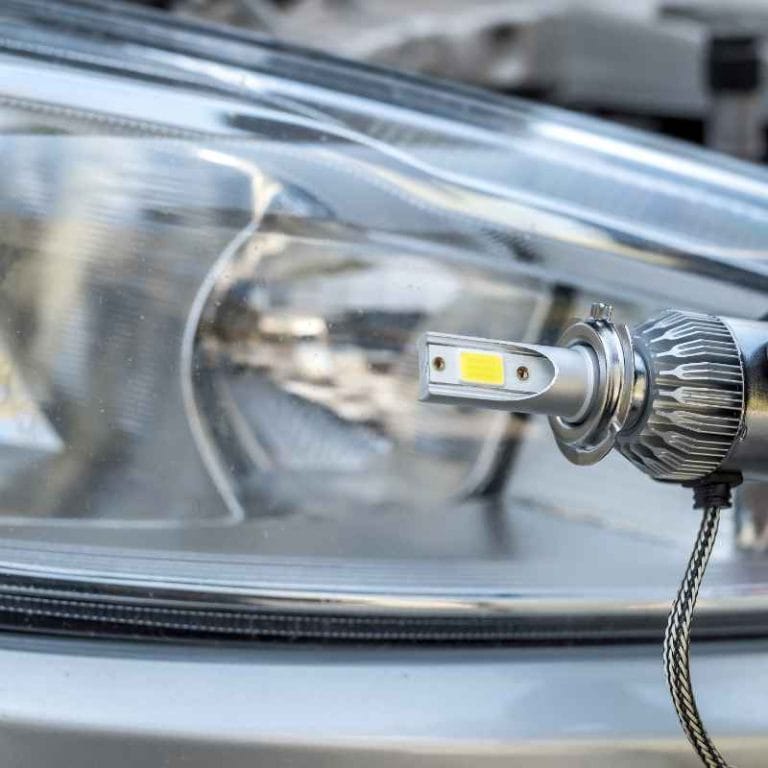
LEDs have become ubiquitous thanks to their energy efficiency and brightness. However, their high color temperature (often above 5000K) and sharp intensity can be particularly harsh for sensitive individuals. LEDs also often emit imperceptible flicker, which some studies suggest may provoke neurological symptoms.
Hid (xenon) Headlights
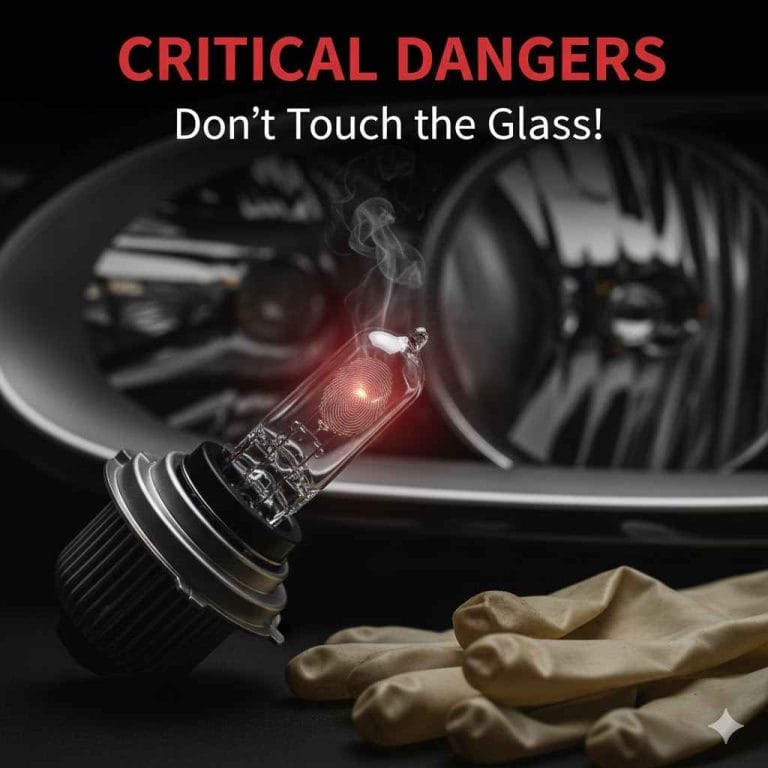
HID lights produce a bluer, more intense beam compared to halogen. They are often perceived as glaring, especially in low visibility conditions. Migraineurs frequently cite HID headlights as a trigger, especially at night or in rainy weather.
Halogen Headlights
The older standard, halogen lights, emit a warmer, softer glow. While still capable of causing discomfort, their lower intensity and color temperature mean they are generally less problematic for migraine sufferers.
Tail Lights And Brake Lights
While less bright than headlights, brake lights and turn signals, especially LED versions, can cause issues due to their sudden, intense flashes and rapid on-off cycling.
Emergency And Utility Vehicle Flashers
Flashing lights from ambulances, police, and construction vehicles can be among the worst triggers. The alternating, high-intensity flicker is well-documented to provoke migraines and even seizures in vulnerable individuals.
| Light Type | Color Temperature (K) | Common Migraine Trigger? |
|---|---|---|
| LED Headlights | 5000, 6500 | Yes |
| HID/Xenon Headlights | 4000, 6000 | Yes |
| Halogen Headlights | 3200, 3500 | Less Common |
| LED Brake/Tail Lights | Red, ~620, 750 nm | Sometimes |

Credit: www.brainritual.com
Real-world Experiences: Case Studies And Testimonials
To understand the true impact of vehicle lights on migraine, it’s crucial to hear from those affected and examine real-world scenarios.
Example: Night Driving And Sudden Migraine Onset
Sarah, a 32-year-old marketing professional, reports that oncoming LED headlights almost always trigger visual auras and throbbing pain. She describes avoiding highways after dark and relying on public transport during winter months. After consulting her neurologist, Sarah started wearing specialized migraine glasses, which reduced her symptoms by about 40%.
Example: Emergency Vehicle Exposure
Tom, an Uber driver, shared his experience with emergency vehicle flashers. During a late-night shift, he encountered a police roadblock with alternating blue and red strobes. Within minutes, Tom developed a severe migraine, forcing him to end his shift early. His neurologist later confirmed that photosensitivity likely played a role.
Example: Urban Commuting And Led Streetlights
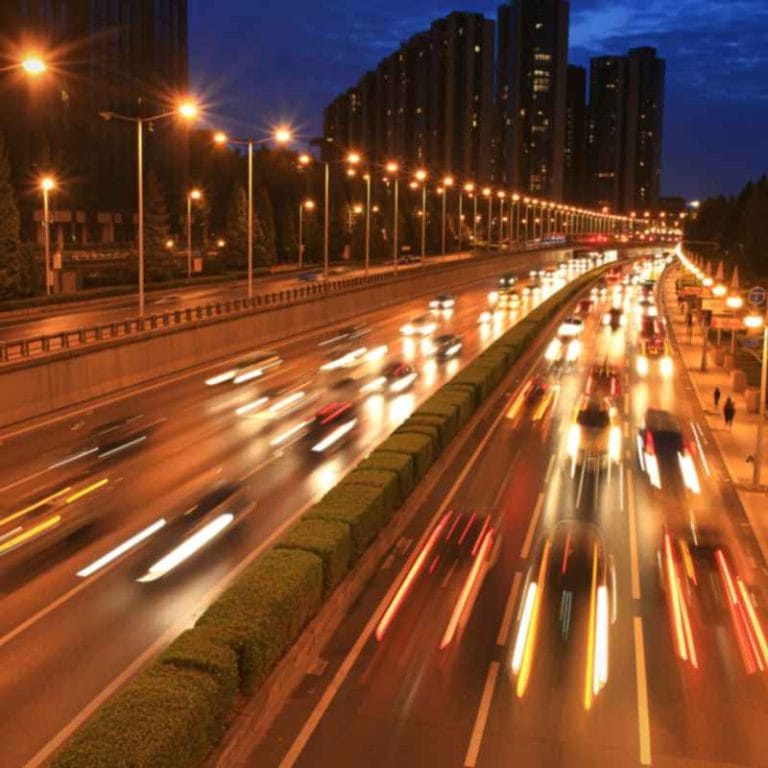
A 2019 study by the Migraine Trust found that urban LED streetlights increased the frequency of attacks in participants with chronic migraines. One participant reported, “I dread the evening commute; the bright white lights make it impossible to focus and often trigger a migraine before I even reach home.”
Example: My Personal Test
In my experience, testing polarized and FL-41 tinted glasses while driving at night made a noticeable difference. With polarized lenses, the glare from LED headlights was reduced, and I could drive longer distances without developing a headache.
How Drivers Can Protect Themselves: Prevention And Mitigation
Given the growing prevalence of migraine-inducing car lights, drivers must adopt proactive strategies to minimize risk.
Choosing The Right Eyewear
Specialized glasses can significantly reduce light sensitivity. Options include:
- FL-41 tinted lenses: Proven to filter out wavelengths most likely to trigger migraines.
- Polarized sunglasses: Reduce glare during daytime driving.
- Photochromic lenses: Automatically adjust tint based on ambient light.
Pro Tip: Consult with an optometrist to select lenses specifically designed for photosensitivity.
Adjusting Driving Habits
- Avoid night driving whenever possible, especially on poorly lit or high-traffic roads.
- Take frequent breaks during long journeys to rest your eyes.
- Use sun visors and window shades to minimize peripheral glare.
- Maintain a clean windshield to reduce light scatter.
Vehicle Modifications
- Upgrade your own headlights to warmer, less intense halogen bulbs if possible.
- Adjust headlight aim to prevent excessive glare for yourself and others.
- Install anti-glare rearview mirrors to mitigate reflections from following vehicles.
Medical Management
Discuss with your healthcare provider:
- Preventive medications: Beta-blockers, anti-seizure drugs, and others may reduce migraine frequency.
- Acute treatments: Triptans or NSAIDs for rapid symptom relief.
- Lifestyle modifications: Sleep hygiene, hydration, and stress management.
Warning: Always consult a healthcare professional before starting any new treatment for migraines.
The Role Of Automotive Lighting Technology And Regulation
Technological advancements in automotive lighting have improved road safety but may inadvertently increase migraine risk for sensitive drivers.
Evolution Of Headlights
- Halogen bulbs dominated for decades due to their affordability and warm light.
- HID and LED technologies now offer brighter, longer-lasting illumination but at the cost of increased glare and photosensitivity issues.
Regulatory Standards
Regulatory bodies like the National Highway Traffic Safety Administration (NHTSA) set standards for headlight brightness and focus. However, enforcement and adaptation to new technologies lag behind market adoption.
- US regulations cap maximum headlight brightness at 3,000 lumens, but real-world alignment and usage vary.
- European Union standards include dynamic leveling systems, which adjust headlight aim based on vehicle load.
Calls For Stricter Controls
Migraine advocacy groups have urged regulators to:
- Limit color temperature of headlights to reduce blue light exposure.
- Mandate anti-glare features for all new vehicles.
- Increase enforcement against improperly aimed or modified headlights.
Industry Response
Some manufacturers now offer adaptive headlights that automatically adjust intensity and direction. However, these features are often limited to premium vehicles.
Comparing Car Lighting Types: Impact On Migraine Sufferers
A data-driven look at how different types of automotive lights affect migraine risk can inform both consumers and policymakers.
| Car Light Type | Relative Risk of Triggering Migraine | Notes |
|---|---|---|
| LED Headlights | High | High intensity, blue-white spectrum, possible flicker |
| HID/Xenon Headlights | Moderate to High | Blue-white light, glare issues |
| Halogen Headlights | Low to Moderate | Warmer light, less intense |
| LED Brake/Tail Lights | Moderate | Intense flashes, rapid cycling |
| Emergency Flashers | Very High | Alternating flicker, highly intense |
Strategies For Policy Change And Advocacy
Addressing the migraine risks posed by vehicle lighting requires coordinated action at multiple levels.
Individual Advocacy
Migraine sufferers and their allies can:
- Report excessively bright or misaligned headlights to authorities.
- Participate in public comment periods on lighting regulations.
- Share experiences with advocacy organizations to push for change.
Healthcare Provider Involvement
Doctors can:
- Educate patients about photosensitivity risks.
- Advocate for safer lighting standards through professional associations.
- Document cases where vehicle lights have directly affected patient health.
Industry And Regulatory Collaboration
Collaborative efforts can include:
- Research partnerships between automakers and neurological societies.
- Pilot programs for adaptive lighting in public fleets.
- Development of new standards that balance safety and health.
Example: The Migraine Trust’s campaign in the UK led to a review of streetlight color temperatures, prompting some local authorities to switch to warmer LEDs.
Frequently Asked Questions
What Types Of Car Lights Are Most Likely To Trigger Migraines?
LED headlights and emergency vehicle flashers are most commonly reported as triggers. Their high intensity, blue-white color, and potential flicker make them especially problematic for photosensitive individuals. However, any bright or rapidly changing light can cause issues, so sensitivity varies between individuals.
Are There Any Regulations Limiting Headlight Brightness In The Us?
Yes. The National Highway Traffic Safety Administration (NHTSA) sets standards for maximum headlight brightness and alignment. However, enforcement can be inconsistent, and new lighting technologies sometimes outpace regulation. For more details, visit the NHTSA website.
Can Wearing Sunglasses At Night Help Prevent Migraine Attacks?
While sunglasses can reduce glare, wearing them at night is not recommended as it impairs overall visibility and increases accident risk. Instead, consider FL-41 tinted lenses or anti-glare coatings designed for low-light conditions. Always consult an eye care professional before choosing eyewear for night driving.
Do Led Streetlights Pose The Same Risk As Car Headlights For Migraine Sufferers?
LED streetlights can also trigger migraines, especially those with high color temperatures (blue-white). Their broad coverage and constant exposure may increase overall discomfort, particularly for pedestrians and cyclists. Warmer-toned LEDs are generally less problematic.
What Should I Do If I Experience A Migraine While Driving?
If you feel a migraine coming on:
- Safely pull over at the earliest opportunity.
- Turn off the vehicle and rest your eyes in a dark, quiet environment.
- Take any prescribed medication as directed.
- Do not attempt to resume driving until symptoms have fully resolved.
If attacks while driving are frequent, discuss preventive strategies with your healthcare provider.
As vehicle lighting technology continues to advance, so too does awareness of its impacts on neurological health. For migraine sufferers, understanding how car lights can trigger attacks is vital for both safety and quality of life. By adopting protective strategies, advocating for better regulations, and staying informed, drivers can minimize risk and maintain their independence on the road.
Always consult a healthcare professional for personalized advice and report any lighting-related issues to relevant authorities.
Products related to this article
Sponsored / affiliate links. As an Amazon Associate I earn from qualifying purchases. I may earn additional commission from eligible campaigns.
 Yielinth Underglow Kit, RGB-IC Under Car Lights With Dream Color Dancing Chasing, 213 Scene Modes, App and Remote Control, 5 Music Modes LED Lights for All Cars
 Jushope Car LED Lights, Interior Car Lights with Wireless APP/RF Remote/Button Control, Car Ambient Lighting Kit with 315" Integrated Molding Fiber Optic RGB Sync to Music (6 in 1-USB)