What To Do If Electric Car Runs Out Of Power A Genius Fix
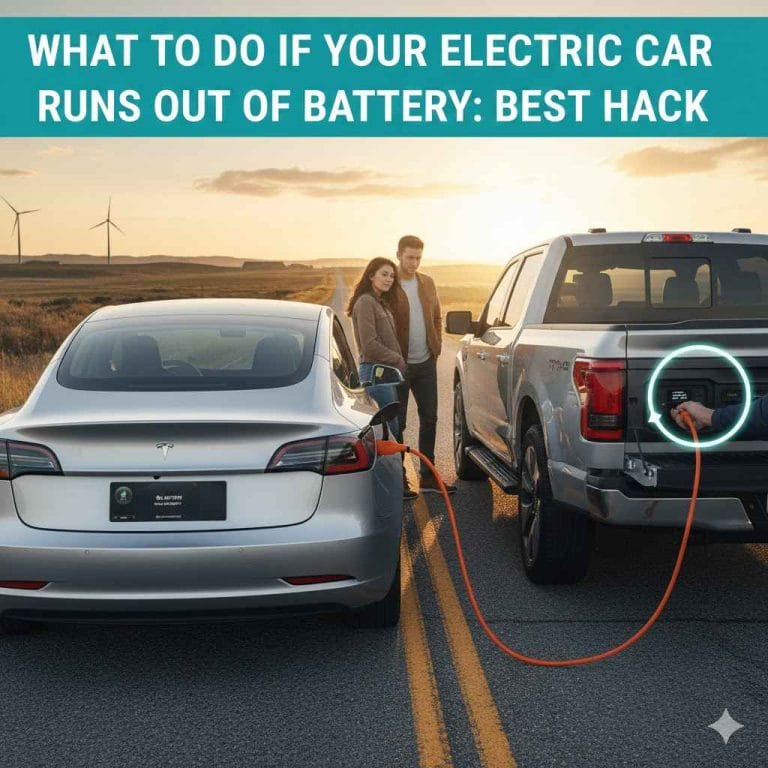
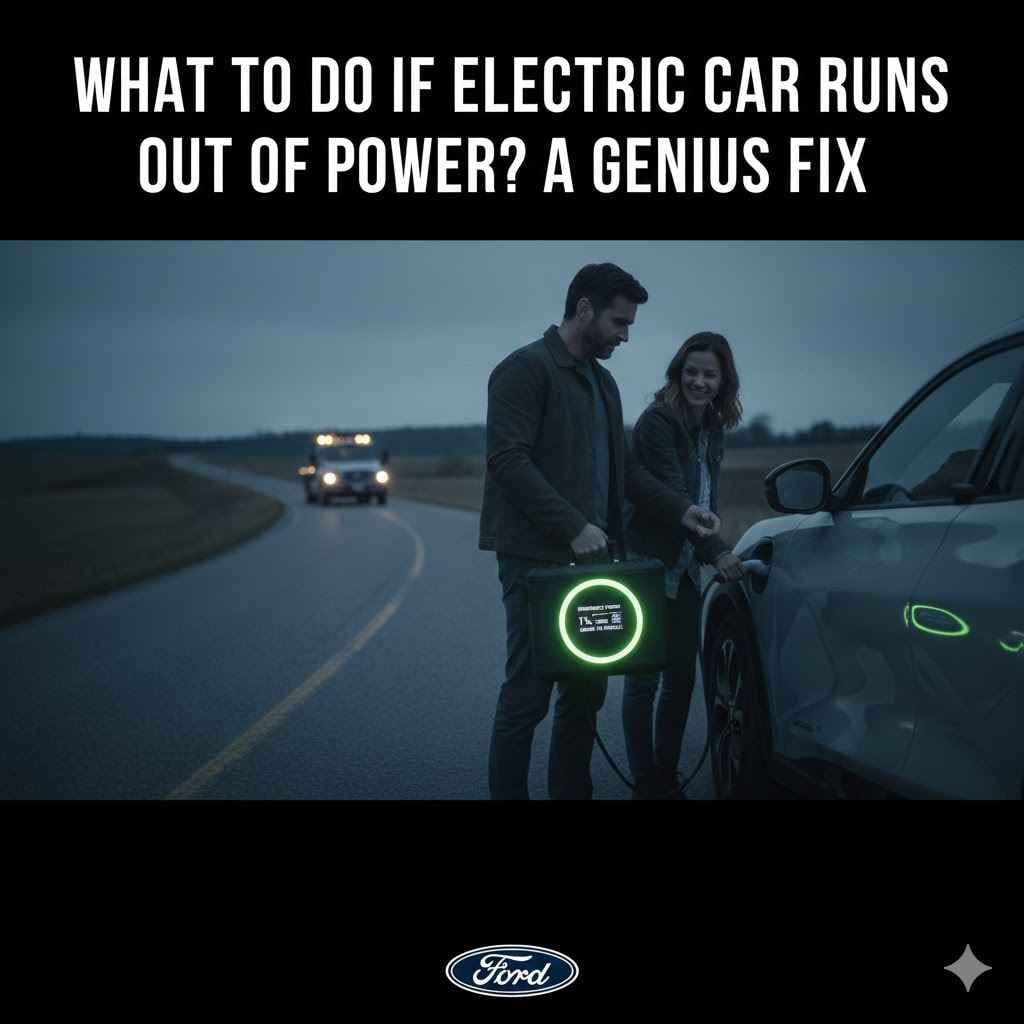
If your electric car runs out of power, first pull over safely and turn on your hazard lights. Your best options are to call a mobile EV charging service for a direct charge, contact your roadside assistance provider for a tow to the nearest station, or use a portable Level 1 charger if you can access a standard outlet.
Seeing your electric car’s battery percentage drop to zero can feel like a nightmare. This fear, often called “range anxiety,” is a big worry for many drivers. You might imagine being stranded in the middle of nowhere. But don’t worry! Running out of power in an EV is not as scary as it sounds. You have several great options to get you back on the road. This guide will show you exactly what to do, step by step. We have a genius fix that turns this stressful moment into a minor inconvenience. Let’s get you prepared and confident for any journey.
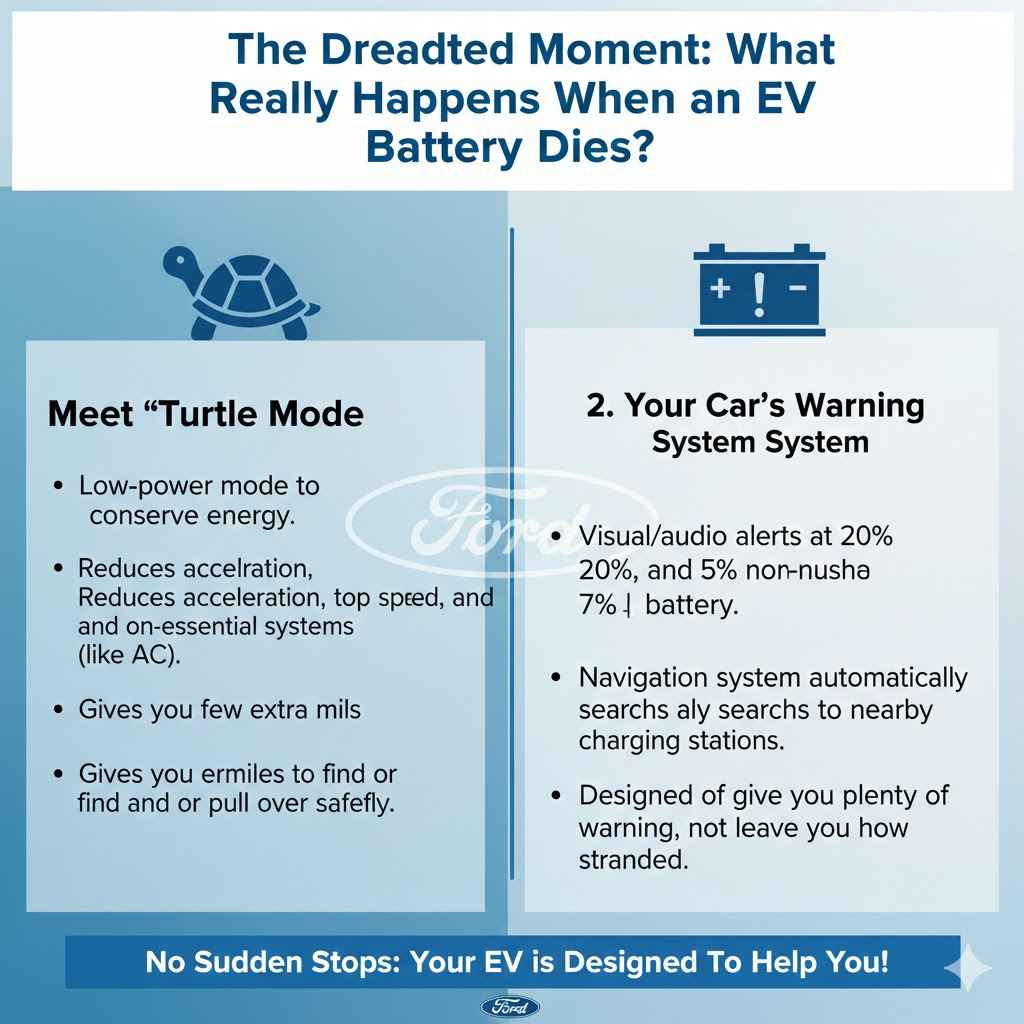
The Dreaded Moment: What Really Happens When an EV Battery Dies?
First, let’s clear up a common myth. Your electric car won’t just die suddenly in the middle of traffic. Unlike a gas car that sputters and stops, an EV gives you plenty of warning. It’s designed to help you, not leave you stranded without notice.

EUHOMY
EUHOMY 19qt 12 Volt Refrigerator, -4℉~68℉ Electric…
- Package Inclusions & 2 Year Tech Support; EUHOMY electric cooler is equipped with 100/240V AC and 12/24V DC adapters and can be us…
- Powerful Compressor & APP Control; The compact and portable 12v cooler boasts a large 19Quart capacity. It can function as either…
- Magnetic Sealing Design & Excellent Thermal Insulation; The 12v refrigerator's lid features a unique magnetic design that ensures…
As an Amazon Associate I earn from qualifying purchases.
Meet “Turtle Mode”
When your battery gets critically low, your car will enter a low-power mode. Many drivers call this “turtle mode” because a turtle icon might appear on your dashboard. This mode is a lifesaver. It reduces power to non-essential systems like air conditioning and limits your acceleration and top speed. The car is telling you, “Hey, we need to find a charger right now!” You will feel the car become slower, but it will still drive. This gives you a few extra miles to find a safe place to pull over or even reach a nearby charger.
Your Car’s Warning System
Long before turtle mode, your car will start giving you alerts. You will see and hear warnings when the battery drops to 20%, 10%, and 5%. The navigation system might even automatically search for the nearest charging stations. Your car does everything it can to get your attention. So, a dead battery rarely comes as a complete surprise.
Your First Steps: What to Do Immediately
The moment you realize you might not make it to a charger, your actions in the next few minutes are crucial. Stay calm and follow these simple steps to ensure your safety.
1. Stay Calm and Pull Over Safely
Panic is your enemy. Remember, you have time. Your car will not shut off instantly. Look for the safest possible place to stop. This could be a parking lot, a wide shoulder on the road, or a quiet side street. Avoid stopping in a lane of traffic or on a blind curve. Your safety is the number one priority.
2. Turn on Your Hazard Lights
As soon as you pull over, turn on your hazard lights (the button with the red triangle). This makes your vehicle visible to other drivers, which is especially important at night or in bad weather. It signals that you have a problem and helps keep you safe while you figure out your next move.
3. Assess Your Location
Take a look around. Where are you? Note the street name, nearest exit number, or any landmarks. This information will be vital when you call for help. You can use your phone’s map app to get your exact location. Knowing where you are makes it much easier for help to find you quickly.
4. Conserve Remaining Power
Even when you’re stopped, your car uses a small amount of power for lights and other systems. To save every last bit of energy for your hazard lights and electronics, turn off anything you don’t absolutely need. This includes:
- Climate control (heater or air conditioning)
- Radio or infotainment screen
- Interior lights
This ensures your 12-volt battery (which powers your car’s basic electronics) stays charged so you can keep your hazard lights on and your phone charged.
The “Genius Fix”: Your Options for Getting a Charge
The “genius fix” isn’t a secret trick; it’s knowing you have more options than you think. Being stranded doesn’t mean your day is ruined. Here are the best ways to get power back into your EV and continue your journey.
Option 1: Mobile EV Charging Services (The Modern Solution)
This is one of the best and most convenient solutions. Think of it like a gas can for your EV. Mobile EV charging services are companies that will drive to your location and give your car enough of a charge to get to the nearest charging station. They bring a powerful, portable battery right to you.
Services like SparkCharge have vans equipped with mobile chargers. You can request them through an app, just like a ride-share service. A technician arrives, plugs in your car, and in about 30 to 60 minutes, you’ll have 15-25 miles of range. It’s fast, efficient, and designed specifically for this situation.
Option 2: Roadside Assistance (The Classic Go-To)
Good old roadside assistance is still a fantastic option. Major providers like AAA have adapted to the rise of electric vehicles. When you call them, be sure to tell them you are driving an EV that has run out of power. They have two main ways to help:
- Mobile Charging Trucks: Some roadside assistance trucks are now equipped with mobile chargers. They can give you a quick boost on the spot, similar to the dedicated services mentioned above.
- Flatbed Towing: If a mobile charging truck isn’t available, they will send a flatbed tow truck to take your car to the nearest charging station. This is the safest way to tow an EV.
Many new EVs come with a few years of free roadside assistance. Check your vehicle’s warranty or documents to see if you are covered. You can learn more about EV-specific roadside assistance from trusted sources like the U.S. Department of Energy.
Option 3: The Portable EV Charger (Your Personal Lifesaver)
This is where you can be your own hero. A portable Level 1 charger is a cable that allows you to plug your EV into any standard 120-volt wall outlet—the same kind you use for your phone or a lamp. Many EVs come with one of these chargers stored in the trunk.
If you run out of power near a friendly business or home, you could ask if you can plug in for a while. This method is slow. It adds only about 3-5 miles of range per hour. However, an hour of charging could be enough to get you to a fast-charging station a few miles away. Keeping this charger in your car at all times is a simple and brilliant way to be prepared.
A Word on Towing Your Electric Car
If towing is your only option, it is extremely important to do it correctly. You cannot tow an electric car like a traditional gas car with two wheels on the ground. Most EVs have motors connected to the wheels, and towing them improperly can cause serious, expensive damage to the electric motor and battery.
Always insist on a flatbed tow truck.
A flatbed truck lifts the entire car off the ground. This is the only manufacturer-approved way to tow almost all electric vehicles. When you call for a tow, repeat this clearly: “I have an electric vehicle and I need a flatbed tow truck.” This will save you from a massive headache and a costly repair bill later.
Prevention is the Best Fix: How to Avoid Running Out of Power
The best way to deal with a dead EV battery is to never have one. With a little planning, you can make range anxiety a thing of the past. Here’s how to stay charged and confident.
Know Your Car’s True Range
The range advertised by the manufacturer is an estimate. Your real-world range will change based on several factors:
- Weather: Cold weather can reduce battery range by up to 30% because the battery is less efficient and you’re using the heater. Hot weather also affects range as you use the air conditioner.
- Speed: Driving at high speeds on the highway uses more energy than driving at lower speeds in the city.
- Terrain: Driving uphill requires much more energy than driving on flat ground.
- Driving Style: Aggressive acceleration and hard braking use more power. A smooth driving style is more efficient.
Pay attention to your car’s range estimator and learn how your driving habits affect it. After a few weeks, you’ll have a great feel for what your car can really do.
Plan Your Route with Chargers in Mind
For daily driving, you probably charge at home and never worry. For longer trips, planning is key. Use apps like PlugShare, A Better Routeplanner (ABRP), or your car’s built-in navigation system to map out charging stops along your route. These apps show you where stations are, if they are available, and what level of charging they offer.
A good rule of thumb is the “ABC” rule: Always Be Charging. If you stop for lunch or shopping and there’s a charger available, plug in. Even 20 minutes can add a significant amount of range.
Create an EV Emergency Kit
Just like a first-aid kit, an EV emergency kit can be a lifesaver. Keeping a few key items in your trunk gives you peace of mind. Here is a handy checklist:
| Item | Purpose |
|---|---|
| Portable Level 1 Charger | Allows you to plug into any standard 120V wall outlet for an emergency charge. |
| Heavy-Duty Extension Cord (12-gauge) | Gives you extra reach if the outlet isn’t close to your car. |
| Roadside Assistance Contact Info | Have the number for AAA or your car’s provider saved in your phone and written down. |
| Reflective Triangles or Flares | Increases your visibility if you are stuck on the side of the road. |
| Phone Power Bank | Ensures your phone stays charged so you can call for help or check maps. |
| First-Aid Kit | A basic kit for any minor injuries. |
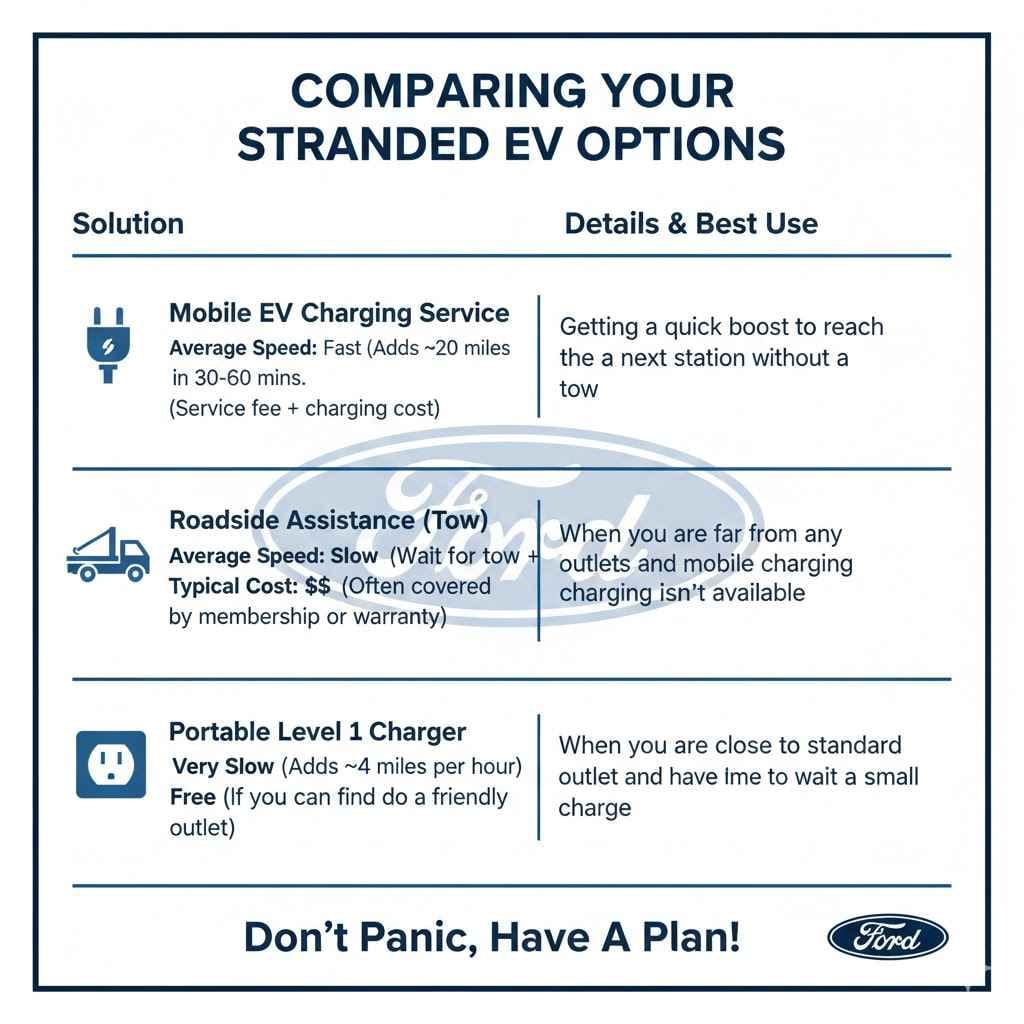
Comparing Your Stranded EV Options
Feeling overwhelmed by the options? Don’t be. Each one has its pros and cons. Here’s a simple table to help you decide which solution is best for your situation.
| Solution | Average Speed | Typical Cost | Best For |
|---|---|---|---|
| Mobile EV Charging Service | Fast (Adds ~20 miles in 30-60 mins) | $$ (Service fee + charging cost) | Getting a quick boost to reach the next station without a tow. |
| Roadside Assistance (Tow) | Slow (Wait for tow + travel time) | $ (Often covered by membership or warranty) | When you are far from any outlets and mobile charging isn’t available. |
| Portable Level 1 Charger | Very Slow (Adds ~4 miles per hour) | Free (If you can find a friendly outlet) | When you are close to a standard outlet and have time to wait for a small charge. |
Frequently Asked Questions (FAQ)
1. Can an electric car run out of power suddenly?
No, it’s nearly impossible for an EV to die suddenly. The car gives you multiple warnings as the battery gets low. It will also enter a reduced-power “turtle mode” to conserve energy and give you several miles to pull over safely.
2. How far can an EV go on 0% battery?
Most EVs have a small buffer of energy even after the display reads 0%. This can range from a couple of miles to over ten, depending on the car model and driving conditions. However, you should never rely on this buffer. Treat 0% as your absolute limit and find a charger immediately.
3. Does roadside assistance cover EV charging?
Yes, most major roadside assistance providers, like AAA, have updated their services for EVs. They can either send a truck with a mobile charger to give you a boost or provide a flatbed tow to the nearest charging station. Check your specific plan for details.
4. Is it bad for the battery to run it to zero?
It’s not ideal. Regularly draining your lithium-ion battery completely can degrade its long-term health and reduce its overall lifespan. It’s best to keep your battery between 20% and 80% for daily use and only charge to 100% for long trips. Running it to zero once in an emergency won’t cause major damage, but you shouldn’t make it a habit.
5. Can you push an electric car?
Yes, you can push an EV if it’s in neutral. However, they are very heavy, so it’s not easy. If the 12-volt battery dies, you may not be able to shift it into neutral, making it impossible to push. This is why keeping the 12-volt battery healthy is important.
6. What is a portable EV charger?
A portable EV charger is a charging cable that you can keep in your car. The most common type is a Level 1 charger, which plugs into a standard 120-volt household outlet. It charges very slowly but is an excellent emergency tool for getting a few miles of range.
7. How long does a mobile charge take?
A mobile charging service can typically provide enough power to get you to a nearby station in about 30 to 60 minutes. They usually aim to add 15-25 miles of range, which is more than enough to solve your immediate problem.
Conclusion: Drive with Confidence
Running out of power in your electric car might be your biggest fear, but it doesn’t have to be. Your car is designed to give you plenty of warning, and you have powerful, modern solutions at your fingertips. From on-demand mobile charging services to simple preparation with a portable charger, you are never truly alone or without options.
The “genius fix” is understanding these tools and having a plan. By knowing what to do and taking a few simple steps to prepare, you can eliminate range anxiety for good. So charge up, plan your trips, and enjoy the smooth, quiet, and exciting ride. You’ve got this!
Related pick: Check today's price on Amazon