Best Place to Take a Car With Electrical Problems for Fast Fixes
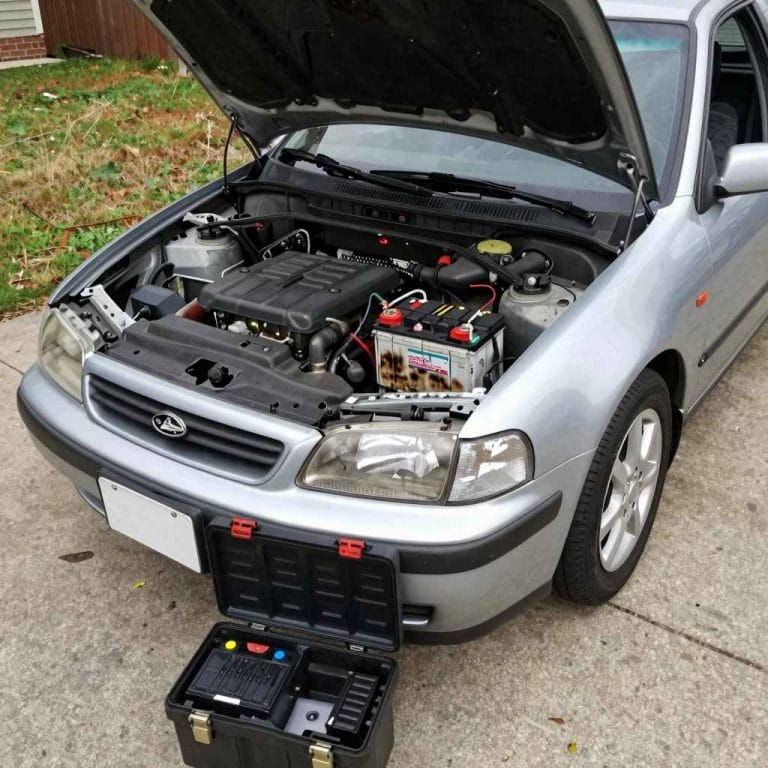
If your car suddenly flashes a warning light or refuses to start, the problem could be electrical. Modern vehicles have complex electrical systems that power everything from headlights and radios to advanced safety features. Electrical issues can be confusing and stressful, especially if you rely on your car every day.
Choosing the best place to repair these problems is important—not just for your wallet, but for your safety and peace of mind.
You might wonder: Should I go to a local mechanic, a dealership, or a specialized auto electrician? Is it safe to visit a quick-service shop, or should I look for a certified repair center? With so many choices, it’s easy to feel lost. This article will break down your options, explain what really matters, and help you avoid common mistakes. You’ll also discover non-obvious tips, practical advice, and real examples so you can make the right decision for your car’s electrical problems.
Why Electrical Problems Need Special Attention
Car electrical issues are different from regular mechanical problems. While a flat tire or worn brakes are easy to spot, electrical faults can be invisible and unpredictable. A loose wire, failing sensor, or dead battery might cause random warning lights, poor performance, or even a complete breakdown.

ecocstm
41 PCS Terminal Removal Tool Kit, Depinning…
- Package Include: 41 PCS electrical pin removal tool kit includes 14 PCS single pin extractor, 20 PCS Double Pin Extractor, 1 PCS t…
- Wide Application: The pins terminals removal tools suitable for most connector terminal which can be used for most cars,truck, mot…
- High Quality: The depinning tools kit are made of premium quality steel and plastic, strong and durable, would not easily get out…
As an Amazon Associate I earn from qualifying purchases.
Modern cars often have complex computer systems (called ECUs) that control everything from engine timing to airbags. Diagnosing these problems requires special equipment and up-to-date training. Sometimes, a simple blown fuse is the issue, but other times, the problem is hidden deep in the wiring or electronics.
Ignoring electrical issues can lead to bigger problems. For example, a weak alternator might drain your battery, leaving you stranded. Faulty sensors can cause the engine to run poorly, hurt fuel economy, or damage important components. That’s why it’s critical to find the right expert as soon as you notice something is wrong.
Common Signs Of Car Electrical Problems
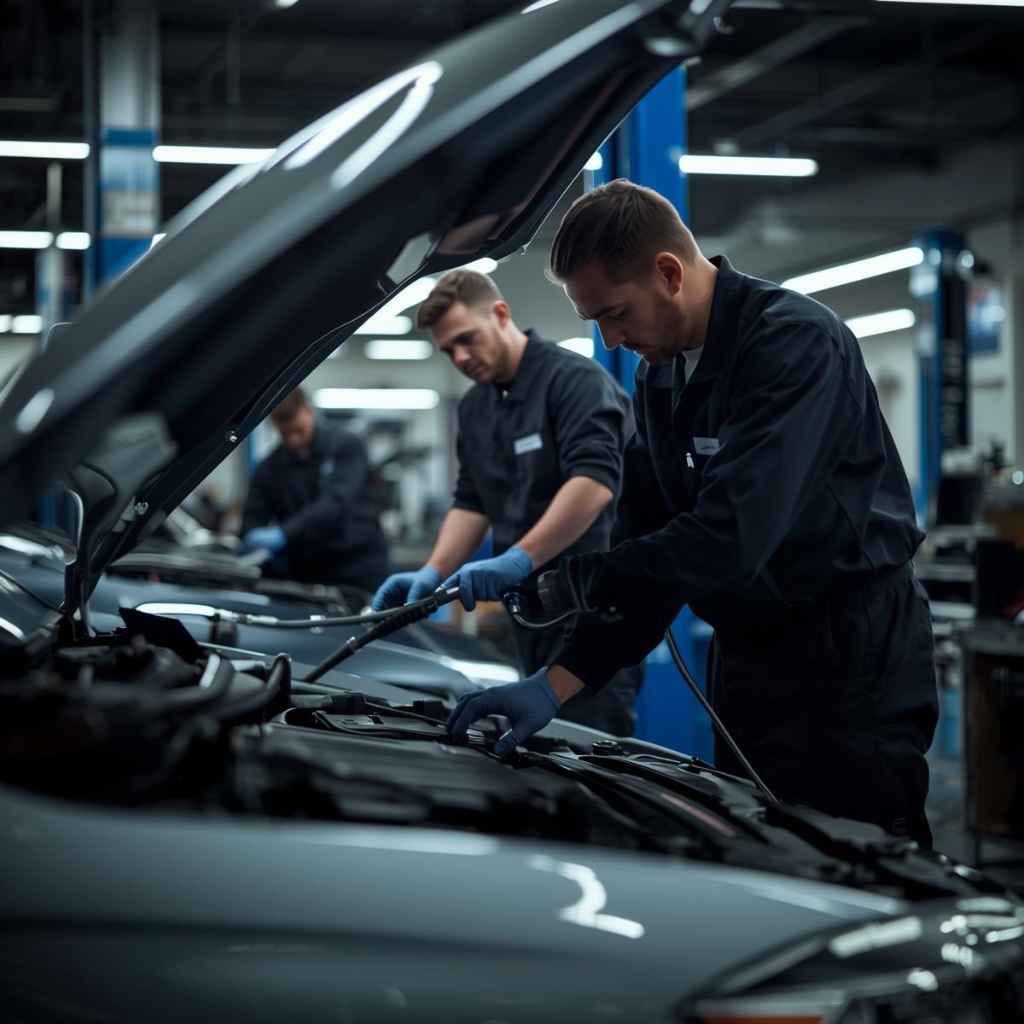
Before you choose where to go, it’s good to know the most common symptoms. If you notice one or more of these signs, your car likely has an electrical issue:
- Engine will not start or cranks slowly
- Dashboard warning lights stay on or flash randomly
- Headlights or interior lights are dim or flicker
- Power windows, locks, or seats work inconsistently
- Radio, navigation, or infotainment systems fail to turn on
- Burning smell coming from the dashboard or fuse box
- Battery dies quickly or needs frequent jump-starts
Sometimes, these symptoms appear only in certain weather, after rain, or when using several electrical accessories at once. If you notice anything unusual, it’s best to get your car checked soon.
Types Of Places To Take A Car With Electrical Problems
Not all repair shops are the same. Some specialize in engines, others in brakes, and a few focus only on electrical systems. Here are the main types of places you can consider:
- Dealership Service Centers
- Independent Auto Repair Shops
- Specialized Auto Electricians
- National Chain Service Centers
- Mobile Auto Electricians
- Quick Service Shops (Oil Change Centers)
- Do-It-Yourself (DIY) with Professional Consultation
Let’s look at each option in detail, compare their strengths, and explain when each is the best choice.
Dealership Service Centers
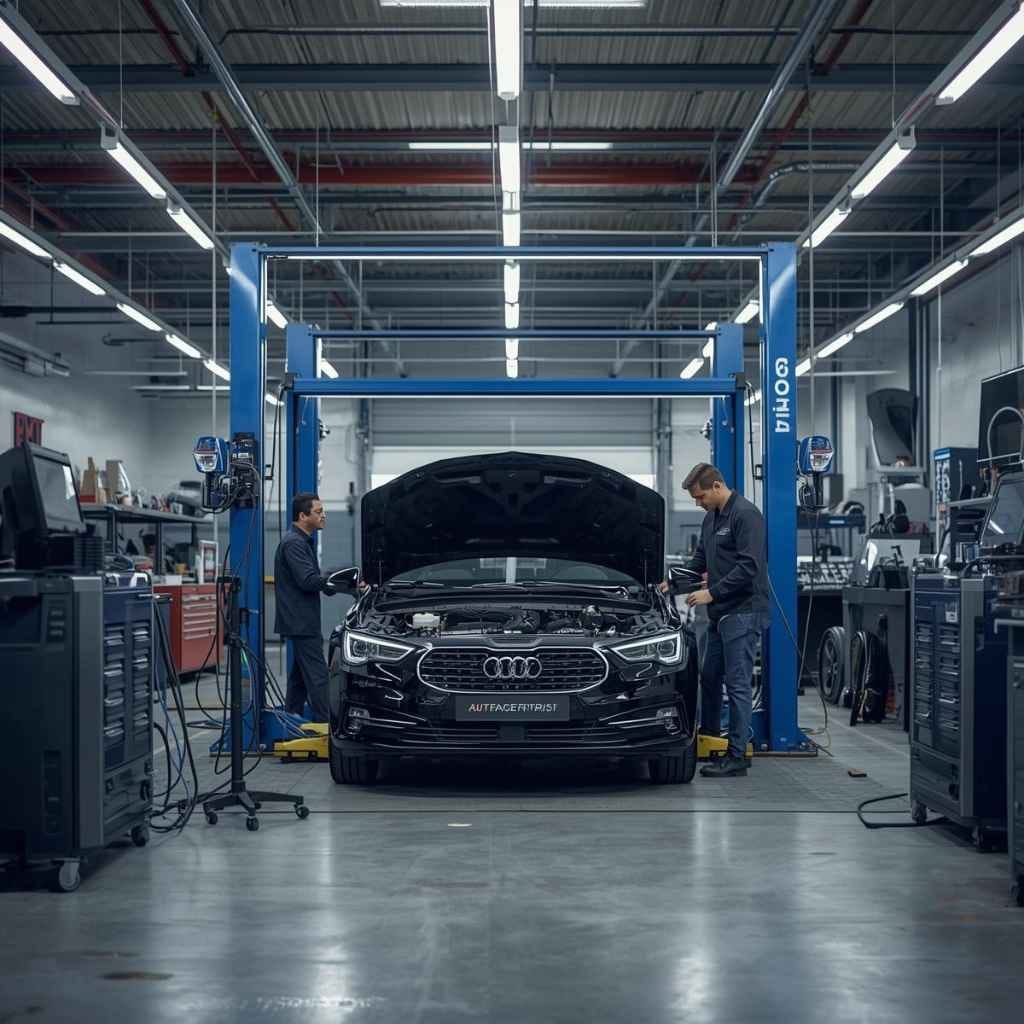
When your car is still under warranty, or if it’s a newer model with advanced technology, a dealership is often the safest bet. Dealerships have direct access to factory-trained technicians, specialized diagnostic tools, and up-to-date technical information. This is especially important for brands with unique electronics, such as BMW, Mercedes, Tesla, or even newer Toyotas and Hondas.
Dealerships use original equipment manufacturer (OEM) parts, which are usually higher quality and ensure compatibility. They can also update your car’s software, which is sometimes needed to fix electrical glitches.
However, the main downside is cost. Dealerships tend to be more expensive than independent shops. Wait times may also be longer, especially for popular models. But if your electrical problem is complex, involves safety features (like airbags or anti-lock brakes), or your car’s warranty is still active, the dealership is the most reliable place.
When To Choose A Dealership
- The car is under factory warranty or extended warranty
- Advanced electrical issues (hybrid, electric vehicle, or luxury brands)
- Recalls or software updates are needed
- You want only genuine OEM parts
Real Example
A 2021 Honda Accord with a lane-keeping system error should go to the dealership. That’s because the fix may require a software update or factory recalibration, which only the dealership can do correctly.
Independent Auto Repair Shops
Independent repair shops are everywhere. Many are family-owned, and some have served local communities for decades. These shops often have experienced mechanics who can handle a wide range of electrical problems, from simple battery replacements to complex wiring faults.
Independents typically charge less than dealerships, and you may get more personal service. They can use either OEM or high-quality aftermarket parts, depending on your preference and budget.
However, not all independent shops are equally skilled with electrical issues. Some focus mainly on mechanical repairs and may lack the latest diagnostic tools or specialized training. It’s important to check if the shop has an ASE-certified technician who understands automotive electronics.
When To Choose An Independent Shop
- The car is out of warranty
- Electrical problems are basic (battery, alternator, starter, fuses)
- You want to save money without sacrificing quality
- You have a trusted mechanic with electrical experience
Non-obvious Tip
Ask if the shop has a scan tool that can read manufacturer-specific codes (not just basic OBD-II codes). Many electrical issues don’t show up on cheap, universal scanners.
Specialized Auto Electricians
Auto electricians are experts in diagnosing and repairing car electrical systems. They often handle problems that regular mechanics cannot solve, such as:
- Rewiring the car after a fire or accident
- Fixing advanced sensors, modules, or computer networks
- Upgrading or troubleshooting custom electronics (alarms, stereos, remote starters)
- Solving battery drain or parasitic draw issues
These specialists use advanced diagnostic tools and have deep knowledge of both old and new electrical systems. Their labor rates can be higher than general mechanics, but their ability to solve hard-to-find problems can save you money and time in the long run.
When To Choose An Auto Electrician
- Electrical problem is rare, persistent, or unsolved after several attempts
- Multiple systems are malfunctioning at once (e.g., lights, locks, and dashboard)
- Aftermarket accessories are involved
- Your car was flooded, burned, or in a crash affecting the wiring
Non-obvious Tip
Auto electricians can often repair or rebuild components (like alternators or modules) instead of replacing them, which can save money and reduce waste.
National Chain Service Centers
Brands like Firestone, Pep Boys, Midas, and Goodyear offer electrical repair services in many cities. These national chains have standardized processes, clear pricing, and access to a wide range of parts.
The main advantage is convenience and speed. You can usually get an appointment quickly, and most locations have evening or weekend hours. Chains are a good choice for common electrical issues like battery or alternator replacement, starter problems, or fixing lights.
However, these centers may not handle advanced diagnostics or rare electrical faults. Their staff may have high turnover, and the most experienced technicians are not always available.
When To Use A National Chain
- You need a quick solution for a basic electrical issue
- Your car is a common make and model
- You want upfront pricing and a national warranty
Example
If your battery dies and you need a replacement before a road trip, a national chain can get you back on the road fast.
Mobile Auto Electricians
In many cities, you can now call a mobile mechanic or auto electrician who will come to your home, office, or even the roadside. These professionals carry diagnostic tools and can solve many electrical issues on-site.
This service is especially useful if your car won’t start or it’s unsafe to drive. Mobile electricians can fix batteries, alternators, starters, fuses, and sometimes more complex problems. They save you the trouble of towing your car to a shop.
However, mobile repair is not ideal for major wiring repairs or situations where the car must be lifted or taken apart. Also, not all areas have reliable mobile electricians.
When Mobile Electricians Make Sense
- Car will not start, and you are stuck at home or work
- The problem is likely simple (battery, fuse, alternator)
- You want to avoid towing fees
- You prefer convenience and flexible scheduling
Non-obvious Tip
Mobile electricians can often diagnose the issue for a small fee, even if you choose to get repairs done elsewhere. This can help you avoid misdiagnosis at a shop.
Quick Service Shops (oil Change Centers)
Shops like Jiffy Lube or Valvoline focus on basic maintenance but usually offer simple electrical services: battery testing, battery replacement, and sometimes bulb or fuse replacement.
These shops are fast and inexpensive for minor electrical work, but they are not equipped for advanced diagnostics. If your problem is more than a dead battery or blown fuse, look elsewhere.
When A Quick Service Shop Is Enough
- You know your battery is old and just need a replacement
- A single light bulb or fuse needs changing
- You want a fast, low-cost solution
Caution
If a warning light stays on after a battery or fuse is changed, go to a qualified repair shop. Quick shops may not reset or diagnose deeper issues.
Do-it-yourself (diy) With Professional Consultation
If you have some car knowledge, you might try to diagnose or fix minor electrical problems yourself. You can buy an OBD-II scanner to read error codes or watch online tutorials for simple repairs. For example, replacing a battery, fuse, or bulb is within reach for many people.
However, car electronics are more sensitive than ever. A small mistake—like disconnecting the battery the wrong way or shorting a wire—can cause big problems. If you’re unsure, get advice from a professional before starting.
When Diy Makes Sense
- Problem is minor and you have repair experience
- You want to save on labor costs
- You have access to professional advice (online forums, local experts)
Non-obvious Insight
Some auto parts stores offer free battery testing, code reading, or even loaner tools. This can help you diagnose an issue before visiting a shop.
How To Choose The Best Place For Your Electrical Problem
It’s not just about the type of shop. The right choice depends on your specific situation, the car’s make and age, your budget, and the problem itself.
Here’s a quick comparison to help you decide:
| Type of Shop | Best For | Cost | Typical Wait Time | Warranty |
|---|---|---|---|---|
| Dealership | New cars, complex issues, warranty | High | 2-7 days | Factory/extended |
| Independent Shop | Older cars, basic issues, personal service | Moderate | 1-3 days | Varies |
| Auto Electrician | Hard-to-find faults, custom work | High | 2-5 days | Specialist |
| National Chain | Common repairs, convenience | Low-Moderate | Same day | National |
| Mobile Electrician | No-start, on-site repairs | Moderate | Same day | Limited |
| Quick Service Shop | Batteries, bulbs, fuses | Low | Same day | Limited |
| DIY | Simple fixes, experienced owners | Lowest | Varies | None |
Key Factors To Consider When Choosing
1. Type Of Problem
Not all electrical issues are equal. A dead battery or blown fuse is simple. A mysterious short circuit or computer fault needs advanced skills. If you’re not sure, get a diagnosis before agreeing to major repairs.
2. Car Make And Model
Some cars have unique electrical systems. European, hybrid, and luxury vehicles often need special tools or software. Always ask if the shop has experience with your car’s brand.
3. Warranty And Insurance
If your car is still under warranty, let the dealership handle repairs. Some extended warranties or insurance policies only cover work done at authorized centers.
4. Cost And Value
Cheapest is not always best. A low price might mean quick fixes, not long-lasting solutions. Ask for a written estimate and warranty before authorizing repairs.
5. Technician Training
Look for ASE-certified or manufacturer-trained technicians. This ensures they understand modern electrical systems.
6. Reviews And Reputation
Check online reviews, ask friends, or search for complaints. A shop with a history of successful electrical repairs is less likely to misdiagnose your problem.
Practical Example
If your 2017 Ford F-150’s dash lights start flickering and the windows stop working, but your local shop can’t find the issue, an auto electrician with Ford experience is your best next step. They have the knowledge and tools to find issues in the truck’s body control module.
Common Mistakes To Avoid
Many car owners waste time and money by making these mistakes:
- Going to a shop that lacks diagnostic tools for your car’s brand
- Replacing parts (battery, alternator) without a full diagnosis
- Ignoring small electrical problems until they become big
- Believing any mechanic can fix any electrical issue
- Not asking about parts and labor warranties
- Failing to get a written estimate before repairs
The Importance Of Proper Diagnosis
A wrong diagnosis can cost you hundreds of dollars. Some shops just swap out parts until the problem disappears—this is called “parts cannon” repair. Instead, a good technician will:
- Use a professional scan tool to read all error codes
- Check wiring diagrams and service bulletins
- Test components before replacing them
- Explain the problem and solution clearly
If a shop offers to fix your electrical problem without checking these things, consider going elsewhere.
What To Expect During An Electrical Repair
Here’s a typical process when you take your car in:
- Initial inspection: Technician listens to your symptoms and checks the basics (battery, fuses, connections).
- Diagnostic scan: Advanced scan tools read error codes and live data from the car’s computers.
- Pinpoint testing: Multimeter or oscilloscope tests on specific wires, sensors, or modules.
- Estimate: Shop provides a written estimate for parts and labor.
- Repair: Faulty parts replaced or repaired. Wiring fixed if needed.
- Verification: All systems tested to ensure the problem is solved.
- Documentation: You receive a report of what was done and any warranty information.
Data: Average Cost Of Common Car Electrical Repairs
It’s helpful to know what you might pay for common electrical repairs. Here’s an overview:
| Repair Type | Average Cost (USD) | Time Required |
|---|---|---|
| Battery Replacement | $100 – $300 | 30-60 minutes |
| Alternator Replacement | $400 – $900 | 1-2 hours |
| Starter Replacement | $350 – $800 | 1-2 hours |
| Fuse or Relay Replacement | $30 – $150 | 30-60 minutes |
| Wiring Repair | $150 – $1,000+ | 1-6 hours |
| Computer/Module Replacement | $500 – $2,000+ | 1-3 hours |
These are average ranges. Actual prices depend on your car, location, and shop rates.
Non-obvious Insights For Car Owners
- Modern cars “remember” battery changes. Some require a reset after installing a new battery. If not done, you may see warning lights or poor performance.
- Moisture is an invisible enemy. Small leaks (like around the windshield) can let water into wiring, causing random electrical issues. If your problems start after heavy rain, mention this to the shop.
- Aftermarket electronics can cause trouble. Poorly installed alarms, radios, or dashcams are a common source of electrical problems. Always share details with your technician.
When To Get A Second Opinion
If a repair shop cannot clearly explain the problem, or if multiple repairs have failed, get a second opinion. Complex electrical issues can be tricky, and a fresh set of eyes may catch something others missed.
Why Not All Shops Are Equal
Some shops invest heavily in training and equipment; others do not. The best place for your car’s electrical issue is one that:
- Has proven experience with your make and model
- Explains repairs in simple language
- Offers a warranty on parts and labor
- Uses up-to-date diagnostic tools
Don’t be afraid to ask questions or request proof of certification.
Resources For Further Reading
For more information about car electrical systems and repair standards, you can visit the National Institute for Automotive Service Excellence (ASE).
Frequently Asked Questions
What Is The Most Common Electrical Problem In Cars?
The most common electrical problem is a dead battery, followed by alternator failure and blown fuses. These issues often cause the car not to start or warning lights to appear.
Can A Regular Mechanic Fix Electrical Problems?
Many regular mechanics can fix basic electrical issues like batteries, alternators, and starters. For advanced problems involving wiring, sensors, or computers, a specialized auto electrician is a better choice.
How Do I Know If My Car’s Problem Is Electrical Or Mechanical?
If your car shows random warning lights, electrical accessories stop working, or the engine cranks but does not start, the issue is likely electrical. Mechanical problems usually involve noise, vibration, or lack of movement.
Is It Safe To Drive With An Electrical Problem?
It depends on the issue. If warning lights are flashing, or safety systems are affected, do not drive until the problem is checked. For small issues (like a single blown light bulb), it may be safe for a short trip.
How Much Does It Cost To Fix Car Electrical Problems?
Costs vary widely. Simple repairs like battery or fuse replacement are $30–$300. Complex wiring or computer issues can cost $500–$2,000 or more. Always get a written estimate before authorizing repairs.
Choosing the right place for car electrical problems can save you time, money, and stress. Think carefully about your situation, ask questions, and don’t settle for less than professional, clear service. Your car—and your safety—deserve it.
Related pick: Check today's price on Amazon
Products related to this article
Sponsored / affiliate links. As an Amazon Associate I earn from qualifying purchases. I may earn additional commission from eligible campaigns.