Best Leather Cleaners for Seats & Wheels (2026): we compared
For most car owners, the best leather cleaner depends on the job: I use a pH-balanced cleaner on seats, a degreasing cleaner on oily steering wheels, a spray-and-wipe product for routine dust, and a cleaner with UV protection for sun-hit leather. Pick the wrong product and you can leave a slick wheel, strip dye, or dry out the hide fast. This guide compares cleaners by use case: seats, steering wheels, light maintenance, and UV protection.
Quick comparison
| Product | Badge | Best for | Price | ||
|---|---|---|---|---|---|
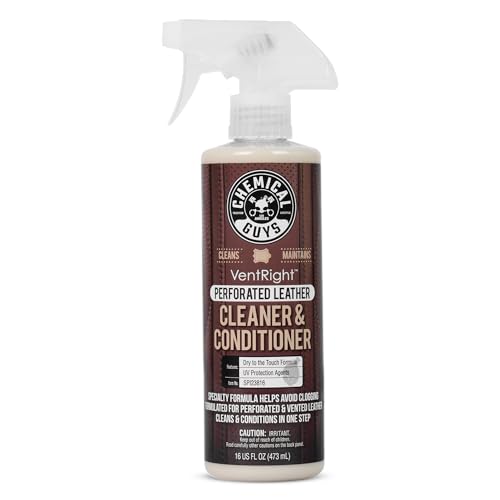 |
Chemical Guys, VentRight Leather Cleaner & Conditioner,Chemical Guys | Also great | Ventilated seat formula | $14.99
Price as of 4 Oct 2026
|
View |
 |
SONAX Premium Class Leather Cleaner | Powerful FoamingSONAX | Upgrade pick | Foaming formula for stains | $20.61
Price as of 4 Oct 2026
|
View |
 |
Autoglym Leather Clean & Protect Complete Kit – UltimateAutoglym | Pair with it | Complete cleaning and care kit | $95.59
Price as of 4 Oct 2026
|
View |
 |
Weiman Leather Cleaner, Conditioner & Protector, CarWeiman | Budget pick | Cleaner, conditioner, and protector | $9.98
Price as of 4 Oct 2026
|
View |
The table below separates cleaning jobs, not one bottle for every surface. High-contact steering wheels need lower residue risk than seat panels, and perforated seats need different tool pressure than a solid wheel rim.
According to Best Leather Cleaner And Conditioner For Car Seats – 2026 Reviews — AutoWash Basics rates Chemical Guys Leather Cleaner and Conditioner Kit 9.5.
How we chose
I centered the comparison on four things: pH balance and leather safety, residue risk on steering wheels, cleaning strength versus routine maintenance, and whether the product adds UV protection. Tool compatibility matters too, because a microfiber towel and soft brush affect finish more than most buyers expect.
I also separated coated leather, faux leather, vinyl, and perforated leather. That matters because a cleaner that is fine on a seat bolsters can feel too slick on a wheel, and a fast wipe formula can be the wrong choice for deep grime.

Leather Honey Leather Cleaner: best for non-toxic all-leather cleaning
Leather Honey Leather Cleaner fits buyers who want a non-toxic, fragrance-free option for daily-driver interiors. Based on the spec sheet and review coverage, it is a strong choice for coated leather seats, steering wheels, faux leather, and vinyl, especially when the goal is safe dirt removal without a perfumed interior finish.
Its main strength is compatibility. Mechanic Insider notes that it is EPA Safer Choice certified, and it is commonly positioned for all leather colors, including white. That makes it a practical pick when one household product has to cover seats, wheel, and mixed interior trim.
The drawback is simple: a gentle cleaner does not always cut heavy oily buildup on a steering wheel fast enough. For greasy rims or long-unattended seats, it may need a second pass with a soft brush and a careful wipe-down.
Why it fits seats and steering wheels
On seats, this kind of cleaner works well when the leather has dust, light body oils, or surface grime. On steering wheels, the non-toxic and fragrance-free profile is useful because the wheel is touched constantly and is often cleaned more often than the seats.
A cleaner like this also makes sense in cars used by families, rideshare drivers, or anyone sensitive to heavy scents. If the goal is safe maintenance rather than aggressive restoration, it fits the brief.
Where it can be used: leather, faux leather, and vinyl
That broader compatibility helps when an interior mixes coated leather, faux leather bolsters, and vinyl panels. It reduces the chance of buying one cleaner for seats and another for trim that looks like leather but is not.
For perforated surfaces, the application still needs restraint. Light spray onto a microfiber towel is safer than soaking holes or flooding seams.
When to avoid overuse
Overuse is the real risk. Too much liquid can leave a tacky feel in stitch lines, and too much rubbing can make coated leather look shiny before it looks clean.
Use the smallest amount that lifts soil. Wipe dry immediately with a clean microfiber towel.
Chemical Guys Leather Cleaner and Conditioner Kit: best for deeper two-step care
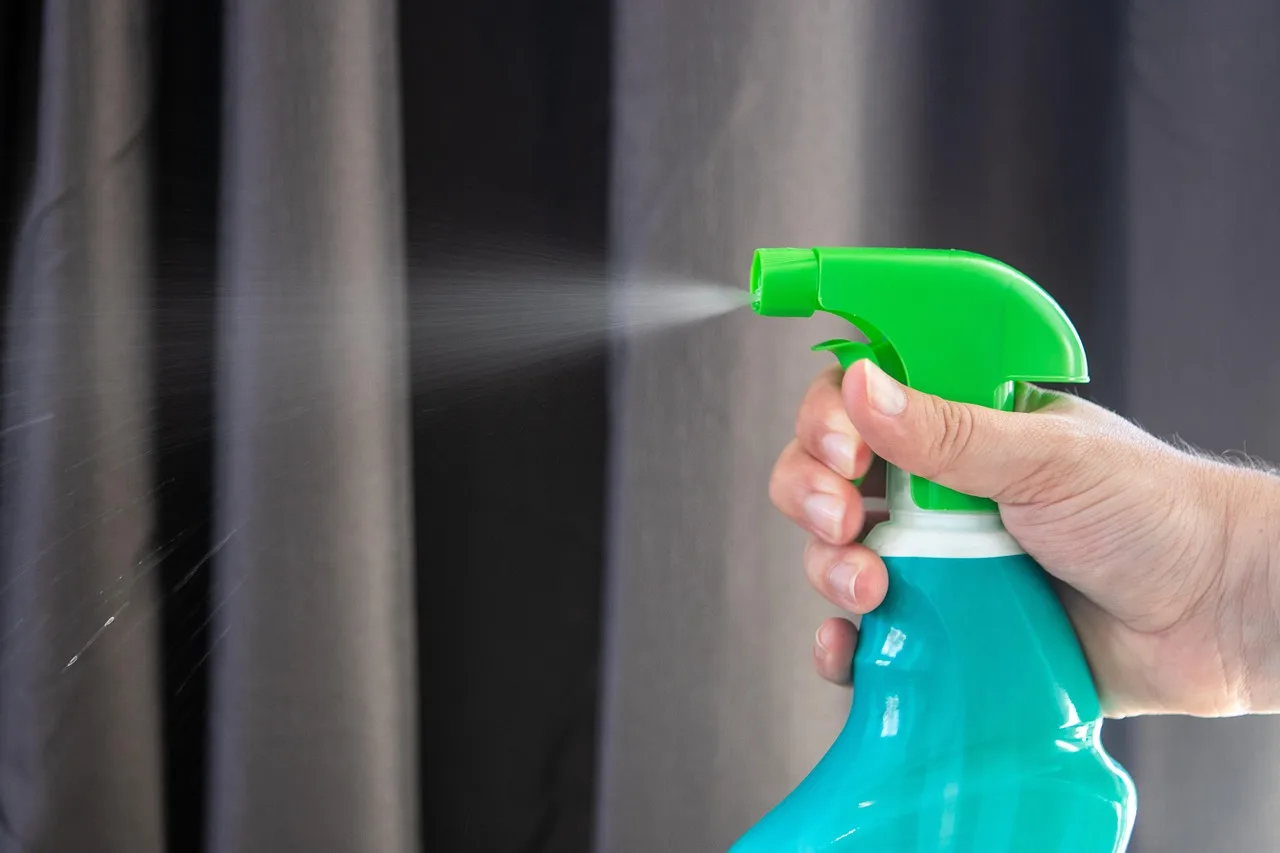
This two-step kit fits buyers who want a separate cleaner and conditioner instead of a single bottle doing both jobs. It is a better match for seats that need cleaning first and then a softer, more finished feel afterward, especially when the leather has lost suppleness from age or sun exposure.
The value of the two-step format is control. Cleaner removes soil and body oils; conditioner adds back a more protected feel. That separation matters on neglected seats, steering wheels that need careful attention, and interior trim that feels dry after long summers.
The drawback is time. Two-step care takes longer, and the conditioner can be the wrong last step on a steering wheel if it is left heavy or not buffed properly. High-contact surfaces punish over-application quickly.
Why the two-step format matters
A separate cleaner and conditioner is useful when the leather has both grime and dryness. Cleaning without conditioning can leave older leather looking flat. Conditioning without proper cleaning can trap dirt under a film.
For buyers who want more control over the finish, that tradeoff is worth it.
Best use cases for seats, steering wheels, and trim
Seats are the natural home for a kit like this. Large panels benefit from the cleaner, and the conditioner can be spread evenly without making the cabin feel greasy.
On steering wheels, the cleaner step is the important one. The conditioner step should be used sparingly, if at all, and always buffed until the grip feels natural.
What the conditioner adds after cleaning
The conditioner helps restore suppleness after dirt is removed. It also gives sun-hit surfaces a better chance of resisting dryness and cracking, though it does not repair existing damage.
That distinction matters on dashboards and top-arc steering wheels. UV exposure is a slow problem, not a quick one.
Weiman Leather Cleaner and Conditioner: best for routine maintenance

Weiman is the routine-maintenance pick. Based on the spec sheet and buyer feedback, it fits drivers who want one bottle for light cleaning, quick conditioning, and a measure of UV protection without moving to a two-step kit.
Car and Driver lists Weiman Leather 3-in-1 as Best Overall, and AutoWash Basics rates Weiman Leather Cleaner and Conditioner 8.5. That combination points to a broad, easy-use product rather than a specialist formula for heavy grime. (caranddriver.com)
The drawback is that one-step convenience can be limiting. If the wheel is oily or the seats are badly soiled, a maintenance formula may take more passes and still leave behind more residue than a dedicated cleaner.
Best for light soil and upkeep
This is the kind of product used after the cabin is already in decent shape. Fingerprints, light dust, and a small amount of body oil are the right targets.
For weekly or biweekly touch-ups, that is enough. For neglected leather, it is usually not enough on its own.
How the UV protection helps sun-exposed areas
UV protection matters most on steering wheels, upper seat bolsters, and dashboards. Those parts take direct sun and tend to fade or dry faster than shaded seat backs.
Protection is not a cure for old damage. It is a preventive layer that helps slow fading and cracking on surfaces that get hit by heat and sunlight often.
Where one-step products make sense
One-step products make sense when speed matters and the leather is already in decent condition. They are also useful for drivers who do not want to stage separate cleaner and conditioner bottles for every touch-up.
The tradeoff is less control. If the finish feels too glossy or the wheel feels slightly slick, that is usually a sign to use less product next time.
Armor All leather care wipes or spray: best for quick touch-ups
Armor All fits the driver who wants the fastest path from dusty to acceptable. Car and Driver names Armor All Interior Leather Care Wipes the Most Convenient option, and Mechanic Insider describes Armor All Car Leather Cleaner Spray with Beeswax as nourishing, which helps explain why these products stay popular for fast interior maintenance.
The drawback is residue control. Wipes and quick sprays are easy to overuse, and steering wheels punish excess faster than seats do. If a wheel feels slick afterward, the issue is usually application amount, not the material itself.
Why wipes are handy for steering wheels
Wipes work well on steering wheels because they give a controlled amount of product and let the user clean grip zones without soaking the surface. That convenience matters when the wheel only needs a light refresh after a commute.
They are also useful in glovebox kits. Fast access usually means more regular cleaning.
Best use cases for light dust and fingerprints
Wipes and light spray formulas are best for dust, fingerprints, and minor transfer from hands or clothing. They are not the right tool for heavy oily buildup or old grime in stitching.
For that kind of soil, a microfiber towel plus a dedicated cleaner usually does better work.
What to watch for with residue
Always buff the wheel after wiping. A clean-looking wheel that still feels tacky is worse than one that still looks slightly dull.
For seats, residue is less dangerous than on a wheel, but it still attracts dust and can create shiny patches on bolsters.
Decision matrix for seats vs steering wheels
This matrix maps leather condition and surface type to the safest cleaner format. It separates residue risk, UV protection, cleaning strength, and the tools that make the job safer on seats versus steering wheels.
| Leather condition | Surface type | Safest cleaner format | Residue risk | UV protection | Cleaning strength | Recommended tools for seats | Recommended tools for steering wheels |
|---|---|---|---|---|---|---|---|
| Light dust | Coated leather | Spray-and-wipe pH-balanced cleaner | Low | Optional | Light | Microfiber towel | Microfiber towel only |
| Light dust | Perforated leather | Spray applied to towel, not directly | Low | Optional | Light | Microfiber towel, soft brush for seams | Microfiber towel |
| Oily grime | Coated leather | Dedicated cleaner, then dry wipe | Medium | Optional | Medium to strong | Microfiber towel, soft brush | Microfiber towel, light agitation only |
| Oily grime | Faux leather or vinyl | Non-toxic cleaner with controlled spray | Medium | Not required | Medium | Microfiber towel | Microfiber towel |
| Drying or dull finish | Coated leather | Cleaner plus conditioner kit | Medium | Useful | Medium | Microfiber towel, applicator cloth | Microfiber towel, very light conditioner use |
| Sun-faded or hot-to-the-touch areas | Seats, bolsters, dashboard edges | Cleaner with UV protection | Low to medium | Strongest value here | Light to medium | Microfiber towel | Microfiber towel, soft brush for seams |
What the matrix means in practice
Light dust calls for the gentlest format. Heavy grime calls for more cleaning strength, but not more product left behind. Drying calls for conditioning after cleaning, and fading calls for UV protection as part of the maintenance plan.
On steering wheels, residue risk matters more than on seats. A formula that feels fine on a seat can make a wheel slippery if it is not buffed completely.
Which one should you buy
Choose the cleaner by the problem in front of you. For a dirty or oily steering wheel, the best fit is a dedicated cleaner with minimal residue, then a dry microfiber wipe. For new leather seats, a pH-balanced maintenance cleaner is safer than a heavy conditioner. If the cabin sees hard sun, choose a product with UV protection. If household safety matters most, go with a non-toxic, fragrance-free formula.
Best pick for a dirty or oily steering wheel
Pick a cleaner that dries clean and does not leave a greasy feel. The best steering wheel choice is the one that removes skin oil without turning the rim slick after the wipe-down.
Best pick for new leather seats
Use the mildest pH-balanced cleaner you can find. New leather usually needs maintenance, not restoration, and too much conditioning can make a fresh seat feel overly coated.
Best pick for sun-exposed interiors
Choose a cleaner-conditioner with UV protection for top surfaces that sit in direct sun. Steering wheels, upper bolsters, and dashboard edges benefit most because they dry and fade first.
Best pick if you want non-toxic and fragrance-free
Choose the formula that states non-toxic and fragrance-free on the label, then keep the application light. Those traits are especially useful in daily-driver interiors, family cars, and smaller cabins where scent lingers.
Frequently asked questions
What is the best leather cleaner for car seats and steering wheels?
The best cleaner depends on the surface and the problem. Seats usually do well with a pH-balanced cleaner or a cleaner-conditioner. Steering wheels need a low-residue formula that removes oil without leaving grip issues. For mixed interiors, one mild cleaner can cover both tasks if it is buffed dry.
Can I use the same leather cleaner on steering wheels and seats?
Yes, if the cleaner is safe for coated leather and leaves little residue. The important difference is application: seats can tolerate a bit more product and conditioning, while steering wheels need a lighter hand and a final dry wipe so the grip stays natural.
Do leather cleaners leave a slippery residue on steering wheels?
They can, especially if too much product is used or if a conditioner is left on the surface. The safest approach is to spray onto a microfiber towel, clean in small sections, and buff until the wheel feels dry. That prevents the tacky or slick feel that drivers dislike.
Should I clean or condition leather first?
Clean first. Dirt, skin oils, and grime need to come off before conditioner goes on, or the conditioner can trap contamination under a film. If the leather feels dry after cleaning, apply conditioner sparingly and wipe away any excess right away.
What cleaner is safest for new leather car seats?
A mild pH-balanced cleaner is the safest starting point for new leather seats. New material usually needs routine soil removal, not heavy restoration. Avoid strong degreasers unless the seats have real buildup, because over-cleaning can leave the finish looking dull or overworked.
How often should I clean leather seats and steering wheels?
For daily-driven cars, steering wheels often need light cleaning every one to two weeks because they collect hand oils quickly. Seats can usually go longer, around monthly maintenance unless spills or heavy use demand more. Sun-exposed areas should be checked more often for dryness and fading.
Products related to this article
Sponsored / affiliate links. As an Amazon Associate I earn from qualifying purchases. I may earn additional commission from eligible campaigns.