How to Clean Car Interior Stains on Fabric Without Damage
Clean car interior stains by blotting first, using the least moisture that lifts the stain, and stopping before the fabric feels soaked. Work from the outside in and dry fast so rings do not form. If you rush, stains spread into seams, leave water marks, or soak the foam backing, which can lead to odor and repeat staining. This guide shows which cleaner and method to use for fresh, set-in, oily, protein, and dye stains on cloth seats and fabric upholstery.
This guide is part of our Car cleaning and restoration series.
What you’ll need


- Vacuum with crevice tool
- Clean microfiber cloths
- Soft brush
- Upholstery cleaner or mild shampoo
- Spray bottle with clean water
- Dry towel
- Fan, if available
- Gloves if the stain is oily or biological
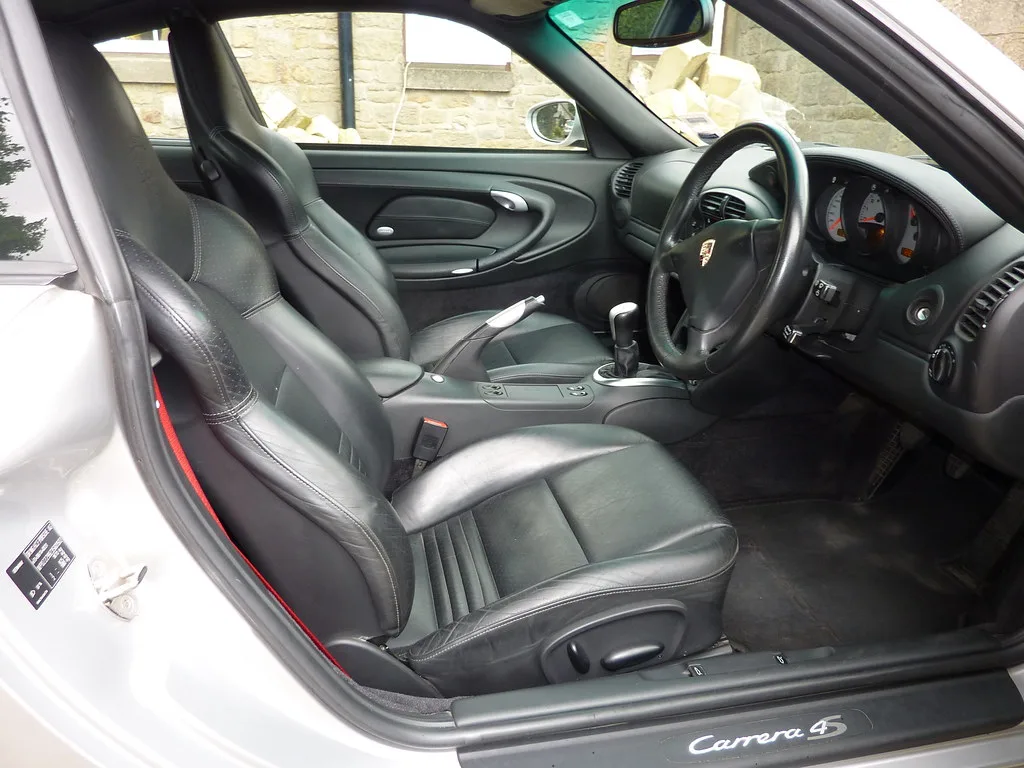
Fabric car upholstery has a soft or woven texture and absorbent fibers, so it traps dirt and moisture easily. A vacuum with a narrow nozzle, a microfiber cloth, and a light-touch cleaner are the safest starting points for most cloth seats.
📊 spot-treating fresh stains within 24 hours. Source: How to Clean Fabric Car Seats: No-Streak Method, Stain Guide & Best….
What should you test before using a stain remover on car fabric?
A hidden-area test checks whether the cleaner changes color, texture, or residue on the fabric before you treat the visible stain. Stop if the test spot darkens unevenly, feels tacky, turns stiff, or leaves a slick film after drying.
How to spot a bad reaction
A color shift can look like a lighter patch, a bleached edge, or dye transfer onto the cloth. Texture change is just as important. If the fibers soften, fuzz up, or feel sticky after a small application, choose a milder product and more blotting.
Where to test
Use an inconspicuous place such as the lower seat edge, back side of a folded seat panel, or under a seat flap. On a headliner, go very lightly; the adhesive is moisture-sensitive, and too much liquid can cause sagging.
How do I clean car interior stains without ruining the fabric?
Start by vacuuming, then match the stain to the safest cleaner, use short dwell times, and blot dry before the foam backing gets wet. Cloth seats clean best in seam-to-seam sections, because random spot-cleaning leaves borders, wicking rings, and uneven color behind.
Step 1: Vacuum the seat, seams, and joints
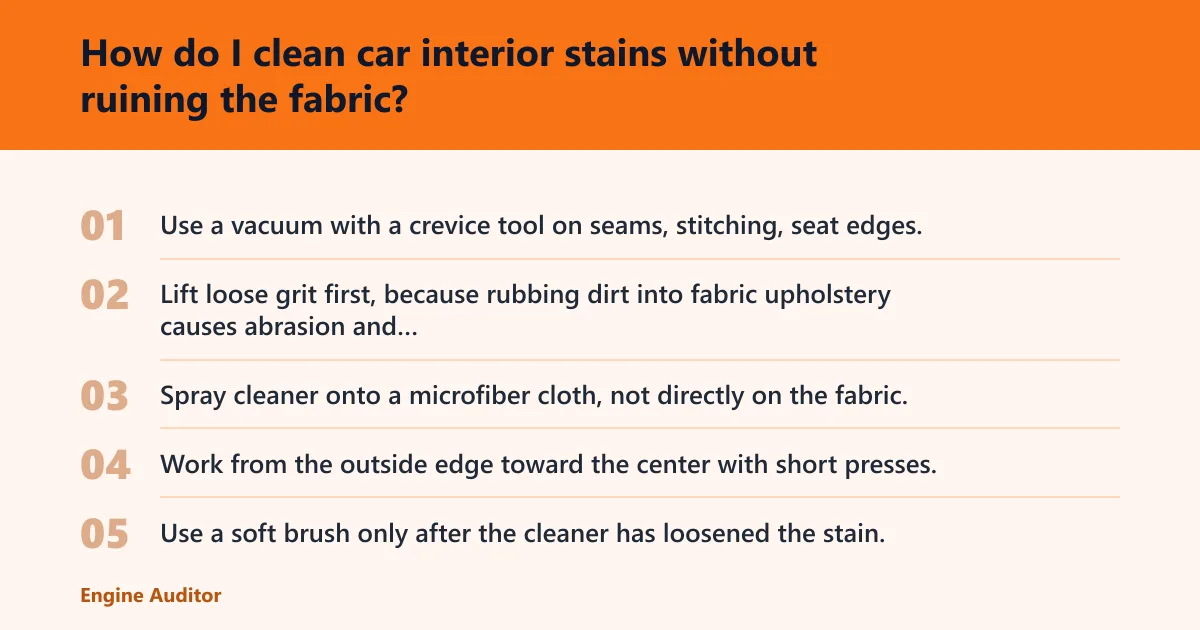
- Use a vacuum with a crevice tool on seams, stitching, seat edges, and between the cushion and backrest.
- Lift loose grit first, because rubbing dirt into fabric upholstery causes abrasion and more visible wear.
Step 2: Choose the safest method for the stain
| Stain type | Safest cleaner | Dwell time | Agitation level | Blotting method | Dry-time warning flags |
|---|---|---|---|---|---|
| Fresh food or drink | Upholstery cleaner sprayed onto a microfiber cloth | 30–60 seconds | Light brush only if needed | Press, lift, re-fold cloth to a clean side | Dark outline at seam, damp cushion edge |
| Grease or body oils | Proprietary upholstery shampoo or cleaner | 1–2 minutes | Light circular brushing | Blot from outside inward | Shiny patch, sticky residue, repeated darkening |
| Mud or tracked dirt | Dry vacuum first, then mild upholstery cleaner | 30–45 seconds | Light agitation after loosening | Lift slurry with microfiber cloth | Grit dragged deeper, crust left in weave |
| Dye transfer | Upholstery cleaner first; stop if color moves | 15–30 seconds | Minimal | Short presses, no heavy rubbing | Fabric lightens or nearby dye smears |
| Pet mess or protein stain | Upholstery cleaner on cloth, then clean water wipe | 30–60 seconds | Light | Blot, then dry towel | Odor remains, stain reappears after drying |
| Tobacco stain | Half methylated spirit, half water mix | Short passes | Very light | Blot immediately | Color change on nearby trim or stitching |
Fresh stains within 24 hours are the best candidates for spot treatment. Older stains need shorter wetting cycles, because re-wetting can pull soil back to the surface as the fabric dries.
Step 3: Blot, agitate lightly, and lift the stain
- Spray cleaner onto a microfiber cloth, not directly on the fabric.
- Work from the outside edge toward the center with short presses.
- Use a soft brush only after the cleaner has loosened the stain.
- Repeat in short passes instead of flooding the area.
Step 4: Reassess before you re-wet
If the stain is fading but still visible, let the area dry partway before another pass. Re-wetting too soon can move pigment into the weave and create a larger halo than the original stain.
Say your coffee spill covers a 3-inch patch on a light gray seat. One damp microfiber pass may lift the top layer, but soaking the spot can push the mark toward the seam and leave a ring after drying.
Step 5: Protect nearby materials
Keep liquid off seat belts, switches, stitching, plastics, and the headliner. Plastic trim should be wiped with a damp cloth, not too much water, and seat belts should be renewed if webbing is frayed, torn, or unstitched.
How wet can you make car upholstery when cleaning?
Wet enough to transfer soil into a cloth, but not so wet that liquid spreads beyond the stain or reaches the foam backing. If the surface glistens, drips, or stays saturated after a blot, you have already used too much product.
Signs you used too much
Too much cleaner shows up as dark borders, recurring stain edges, or a seat that feels damp hours later. Seam rings form when moisture travels along stitching and dries at the edge of the wet area.
How to keep moisture under control
Use small amounts, short dwell times, and clean microfiber cloths. Move away from the seat belt buckle, switch panel, and lower plastic trim so runoff does not pool on adjacent materials. Fabric upholstery should not be soaked because foam can take days to dry. (howacarworks.com)
A common first-timer mistake is spraying the whole seat until it looks evenly wet. That often creates one clean center and one darker border, because the liquid carries dissolved soil outward as it dries.
Can you use carpet shampoo on car seats?
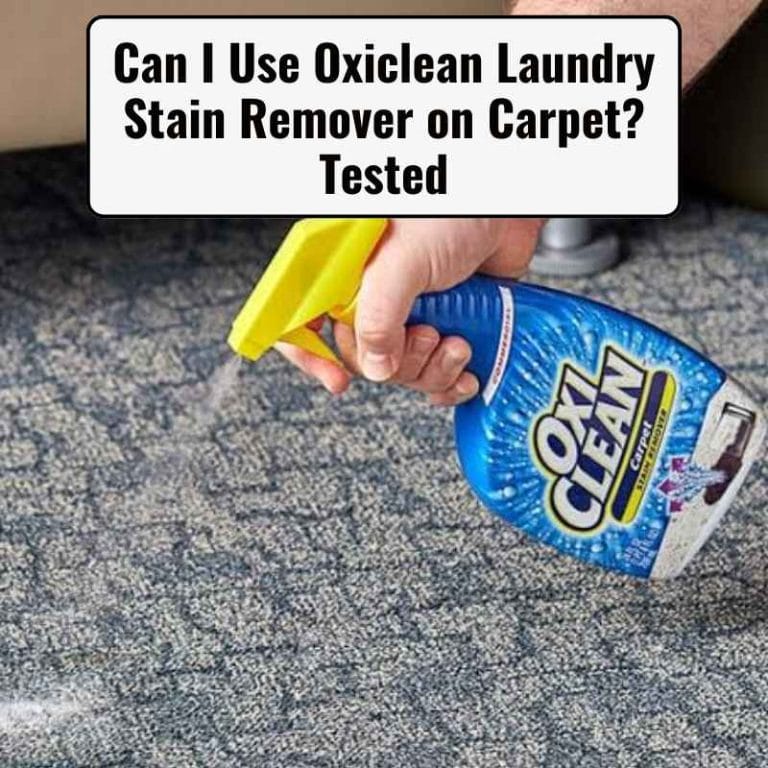
Yes, sometimes, but only after a hidden-area test and only with light application. A dedicated upholstery cleaner is usually the safer default for cloth seats, while carpet shampoo can be useful when it is applied sparingly and worked in with a soft brush.
When carpet shampoo is acceptable
If the product is intended for fabric, passes a spot test, and does not leave tackiness or color change, it can be used on car seat fabric. Spray it onto a microfiber cloth first, then apply in a narrow section.
When to choose a different product
Choose a proprietary upholstery cleaner or shampoo for stubborn stains, especially if the seat is already lightly faded, the weave is open, or the stain is old. Stubborn stains should be treated with a proprietary stain remover or shampoo, tested first.
Why the headliner needs a different touch
The headliner is not the place for broad wet cleaning. Its adhesive is moisture-sensitive, so use minimal pressure and minimal liquid. Too much cleaner can loosen the bond and cause sagging.
How do I dry car seats fast after cleaning?
Dry the area with moving air as soon as the stain is lifted, since slower evaporation can contribute to wicking, odor, and mildew. Open doors or windows when weather allows, or use a fan pointed across the seat rather than directly soaking the fabric again.
Choose the drying method by condition
- In dry weather, open the doors or windows and let air move through the cabin.
- In humid weather, use a fan and keep the vehicle ventilated until the fabric feels cool, not damp.
- In a closed garage, do not leave the car shut with wet seats; moisture can linger in the foam and create odor.
Watch for climate-related risk
High humidity slows evaporation. A damp seat left in a closed garage can sometimes stay wet long enough for mildew to develop. In that situation, use a fan plus open access panels or doors, and keep checking seam edges for hidden moisture.
Common mistakes
The most common damage comes from over-wetting, rubbing, and skipping the hidden-area test. These mistakes are easy to avoid once you treat the seat as absorbent fabric over foam, not a hard surface that can take repeated soaking.
- Rubbing instead of blotting: pushes stain particles deeper into the weave.
- Using too much cleaner: increases seam rings and drying time.
- Skipping the hidden-area test: risks color loss, tackiness, or softened fibers.
- Leaving seats damp in a closed car: raises mildew and odor risk.
- Ignoring seat belts, stitching, and the headliner: can cause trim damage that outlasts the stain.
Suppose a muddy passenger seat looks clean after one pass but still feels damp around the stitching. Stop there, dry it with a fan, and return later if needed instead of adding more liquid and turning one spot into a larger ring.
Frequently asked questions
How do I clean car interior stains without ruining the fabric?
Vacuum first, test the cleaner on a hidden area, then apply the least moisture that lifts the stain. Blot from the outside in with a microfiber cloth, use light agitation only when needed, and dry the area quickly with air movement so the foam backing stays dry.
What is the safest cleaner for car seat fabric?
A dedicated upholstery cleaner is the safest starting point for most cloth seats because it is meant for fabric and can be used sparingly. Spray it onto a microfiber cloth first, test on a hidden area, and stop if you see color shift, tackiness, or residue.
Can I use carpet shampoo on car seats?
Yes, if the shampoo passes a hidden-area test and is applied lightly. Use a soft brush only after the product starts loosening the stain, and keep it away from the headliner and seat belts. If it leaves a sticky feel, switch to a dedicated upholstery cleaner.
How do I remove stubborn stains from cloth car seats?
Use a proprietary stain remover or shampoo, tested first, and work in short passes instead of flooding the spot. For tobacco stains, a half methylated spirit and half water mix is a known option. If the stain has set deeply, reduce wetting and expect partial improvement rather than perfection.
How wet can I make car upholstery when cleaning?
Only damp enough to wet the stained fibers, not the foam underneath. If liquid spreads to the seam, leaves a glossy surface, or keeps the seat cool and damp for hours, that is too much. Keep cleaner off stitching, plastics, and belts to limit runoff.
What should I test before using a stain remover on car fabric?
Test for discoloration, tackiness, softening, and residue on a hidden spot. Let the test area dry fully before judging the result. If the fibers change color, feel sticky, or leave a film, move to a milder cleaner and shorter dwell time.
Products related to this article
Sponsored / affiliate links. As an Amazon Associate I earn from qualifying purchases. I may earn additional commission from eligible campaigns.