Are aftermarket car lights worth it? A buyer’s guide
Aftermarket car lights are worth buying for failed replacements or a targeted visibility upgrade. For appearance-only builds, skip them unless the kit is legal, aimed right, and uses quality bulbs or housings. Bad picks can cut night visibility, blind other drivers, trigger inspection failures, and waste money on parts that age fast.
Verdict

For daily driving, the answer is usually yes only when the aftermarket part restores original function or clearly improves the beam without extra glare. For bad-weather use, fog lights can be worth the spend if the beam is controlled and the housing is meant for it. For styling-only builds, the value is thin and the risk is higher than most buyers expect.
According to Automotive aftermarket – Wikipedia — The U.S. automotive aftermarket is estimated at $516 billion in 2025. (source)
Specs at a glance
| Decision factor | What matters more than the sticker | Practical read |
|---|---|---|
| Light source | LED or halogen choice | LEDs usually draw less power and make less heat than halogen, but only if the housing is built for them. |
| Output | Lumens plus beam pattern | Lumens measure total light output, but they mean little if the cutoff is sloppy or the beam scatters. |
| Lifespan | Claimed hours versus real replacement cycle | Typical fog lights can last up to 30,000 hours, some up to 50,000 hours, yet many drivers still replace them in about 3-6 years. (thedrive.com) |
| Fitment | Projector, reflector, sealed-beam compatibility | A bulb that fits physically can still perform badly in the wrong housing. |
| Compliance | Road legality, SAE or equivalent labels | Legal markings matter more than marketing copy when the car goes on public roads. |
| Install cost | Bulbs, housings, wiring, relays, aiming | The cheapest part can become an expensive job once harnesses, error cancellers, and re-aiming are added. |

Who it is for
This is for drivers replacing a failed OEM lamp, owners chasing better night visibility, and shoppers deciding whether a styling upgrade is worth the legal and installation risk. It is less useful for anyone who wants a bright-number shortcut and expects every housing to behave the same.
Aftermarket lights make the most sense when the factory part is discontinued, overpriced, or weak in the exact housing the car already uses. They make the least sense when the buyer is paying for appearance first and hoping brightness will cover the rest.
What works
Aftermarket lighting works best in three places: replacement, measured visibility gains, and weather-specific auxiliary lighting. A good replacement bulb or housing restores the factory pattern, a good LED setup can reduce power draw and heat, and a good fog light can add usable foreground light in fog, rain, snow, or dust.
Replacement parts that solve a real problem
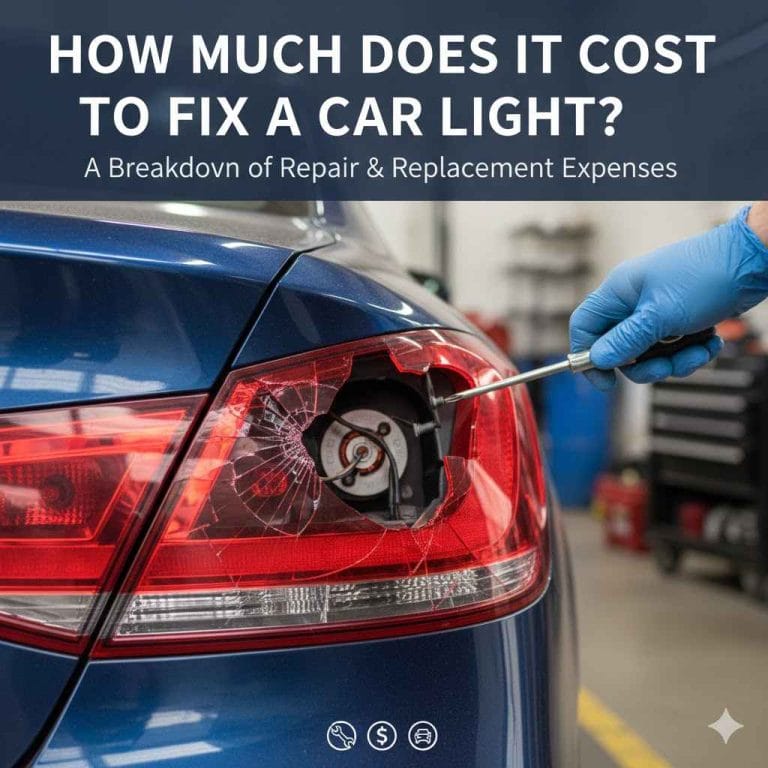
The automotive aftermarket covers parts and accessories sold after OEM sale, including replacement, collision, appearance, and performance parts. That matters because a dead headlight, cracked fog lamp, or cloudy housing is not the same purchase as a style kit. Repair facilities can do the job, or a careful DIY owner can, but the real win is restoring correct output without introducing glare.
For older or discontinued vehicles, aftermarket can be cheaper than OEM and easier to source. That is where the value is most obvious. A clean replacement that matches the original beam shape often beats a tired factory part, even if the box looks ordinary.
LED lighting when the housing is right
LED lighting usually uses less power and makes less heat than halogen, and it can last longer. That does not mean every LED bulb is an upgrade. Housing-specific design matters, because an LED chip in the wrong reflector can throw light everywhere except the road.
Good LEDs are best judged by beam pattern quality, cutoff, and compatibility with the car’s electronics. Lumens are only one clue. A high-lumen bulb with ugly spread is a worse street choice than a modest one with a clean cutoff.
Fog lights for bad weather, not constant use
Fog lights are useful in fog, rain, snow, and dust, and they are not meant to be used all the time. Their job is controlled, low-mounted light that helps the driver see the lane edges and close foreground when weather ruins the main beam.
Compliance matters here. SAE-compliant units and properly aimed lamps reduce the odds of glare and inspection trouble. A fog light that looks bright in a parking lot can still be the wrong tool once the road gets wet and reflective.
What does not
The weak spots are predictable: poor housings, condensation, CAN-bus errors, bad beam control, and marketing that sells brightness without any mention of cutoff. Those failures can leave the car worse than stock. They also turn a simple bulb swap into a chain of extra parts and rework.
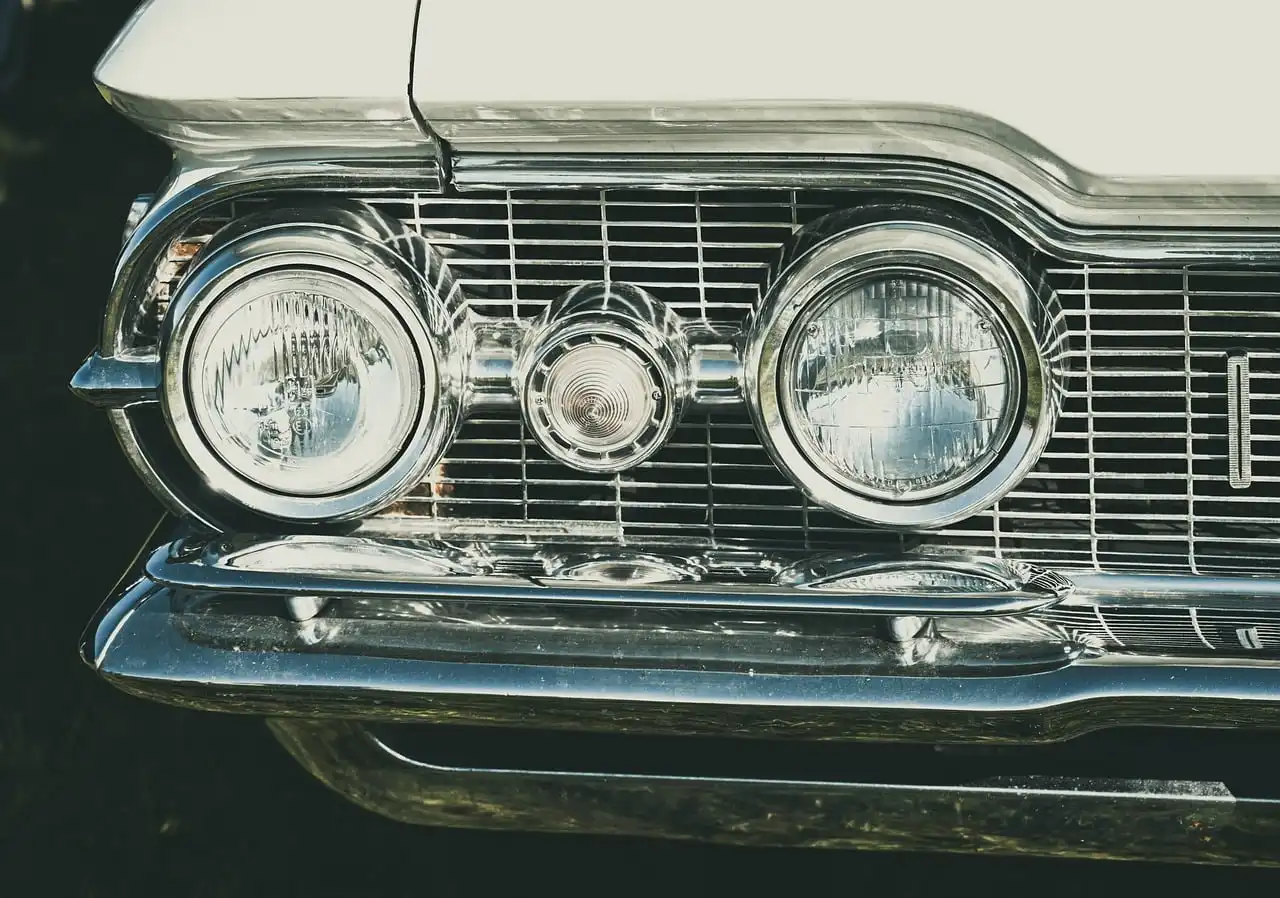
Halogen is still the common OEM baseline for a reason. It is incandescent filament technology, and it makes light from heat. That sounds old-fashioned, but in the correct housing it still produces a sensible beam. Retrofit limits show up when buyers try to force LED bulbs into a reflector that was built around halogen filament geometry.
There is also the issue of glare. Aftermarket headlights can hurt ride quality only indirectly, but they can absolutely hurt other drivers’ comfort and safety if they are mis-aimed or built with poor optics. The same is true for fog lights that are left on constantly.
Pros and cons
- Pros: good replacement parts restore function fast; the right LED setup can cut power draw and heat; fog lights can help in bad weather; older cars sometimes save money versus OEM.
- Cons: the wrong housing can waste output; glare risk is real; CAN-bus and wiring fixes add cost; cosmetic upgrades often age into disappointment.
Are aftermarket car lights worth it?
Yes for failed replacement parts and for carefully chosen visibility upgrades. No for most appearance-only builds, especially when the buyer is counting lumens and ignoring beam shape, legality, and install cost. The real answer depends on the use case, not the marketing term on the box.
Daily driving decision
For daily driving, recommend aftermarket lights only when the part restores OEM function or improves beam control without changing the car’s legal setup. If the housing is projector-based and the replacement is designed for it, the payoff can be good. If not, the risk of glare and rework rises quickly.
Bad-weather driving decision
For bad-weather use, aftermarket fog lights are often worth it if they are compliant and aimed correctly. That is where the beam shape matters most. A low, wide pattern can be genuinely useful in fog, rain, snow, and dust. A bright but uncontrolled lamp is the wrong answer.
Appearance-only decision
For appearance-only builds, the recommendation is usually no. Styling parts can look fine in a lot, then disappoint on the road, where legal risk, condensation, and weak beam control become visible. If the goal is only looks, the buyer should expect extra cost and modest real-world payoff.
Older or discontinued vehicle decision
For older or discontinued vehicles, aftermarket is often the better buy when OEM parts are scarce or priced badly. This is where replacement bulbs, housings, and small adapters can make economic sense. The catch is fitment. If the housing family is wrong, savings disappear into returns and rework.
| Product | Badge | Best for | Price | ||
|---|---|---|---|---|---|
|
Philips H7 X-tremeVision Upgrade Headlight Bulb (Pack of 2)Philips Automotive Lighting | Upgrade pick | Philips H7 X-tremeVision headlight bulbs | $14.66
Price as of 5 Oct 2026
|
View |
 |
Hirificing 2PCS Car LED Headlight Decoder, 9006/9005Hirificing | Pair with it | Hirificing 9006/9005 LED error decoder | $10.99
Price as of 5 Oct 2026
|
View |
| Use case | Legal risk | Install complexity | Visibility gain | Total ownership cost | Recommend? |
|---|---|---|---|---|---|
| Daily driving replacement | Low if compliant | Low to moderate | Moderate to high when matched to housing | Low to moderate | Recommend |
| Bad-weather fog light upgrade | Low to moderate | Moderate | High in fog, rain, snow, dust | Moderate | Recommend |
| Appearance-only LED swap | Moderate to high | Moderate to high | Low to uncertain | Moderate to high | Not recommend |
| Cheap universal bulb in wrong housing | High | Moderate | Unpredictable | High after rework | Not recommend |
| Older car with discontinued OEM part | Low to moderate | Moderate | Moderate to high | Often lower than OEM | Recommend |
Decision matrix: cost, risk, and payoff
The scoring method is simple: legal risk, install complexity, visibility gain, and total ownership cost. A strong buy scores well across all four. A weak buy usually fails one of them badly, often legality or beam pattern quality.
Aftermarket lighting can get expensive quickly because the true cost includes the part, possible wiring, relays, bulbs, housings, aiming, and occasional rework. That is the gap many rankings miss. The sticker price is not the full bill.
When aftermarket beats OEM on price
Aftermarket often beats OEM when the vehicle is older, the part is discontinued, or the OEM assembly is priced like a luxury item. In those cases, a well-matched aftermarket replacement can be the practical choice. The savings are real only if the beam pattern and fitment are correct.
When aftermarket creates extra cost
Aftermarket creates extra cost when a buyer needs anti-flicker parts, decoders, new housings, or repeated aiming to stop glare. CAN-bus problems are common in this category. A cheap LED bulb can become an expensive system once the warning light appears on the dash.
Which aftermarket car lights are actually worth buying?
The ones worth buying are the parts that solve a real use case without breaking the beam pattern or the law. That usually means quality replacement bulbs, matched housings, and properly designed fog lights. It does not usually mean a universal “super bright” kit with vague fitment claims.
Replacement bulbs versus full housings
Replacement bulbs are worth it when the original housing is still healthy and the bulb type matches the optics. Full housings are worth it when the reflector is tired, the lens is damaged, or the factory design is the problem. A new bulb cannot fix a bad shell.
LED upgrades that depend on the housing
LED upgrades are only worth buying when the housing supports that light source. Projector housings are generally more forgiving than reflector units. Sealed-beam fitment is its own issue and should be treated carefully, because the entire optical system was built around a specific bulb and lens shape.
Fog lights worth considering
Fog lights are worth buying when they are SAE-compliant, mounted properly, and used for bad weather. The Hella FF75 is described as a kit that can outperform most factory or aftermarket lights, while the PIAA LP530 LED Fog Light is presented as a lower-power, lower-heat LED option. OFFROADTOWN LED Fog Lights are described as SAE compliant. Those details matter more than raw output claims.
Styling parts to skip
Skip lights that are sold as style first and road use second. If the seller cannot explain housing compatibility, beam control, or legality, the part belongs in the “looks only” bucket. That bucket has the worst odds of paying back the spend.
What should you check before buying aftermarket lights?
Check the housing type, the beam pattern, legal markings, and the real install cost before buying anything. The product may fit the socket and still perform badly. The cheap part can also become the expensive one once wiring, relays, and aiming are added.
Housing type and fitment
Match the lamp to the housing family first: projector, reflector, or sealed beam. LED lighting is housing-specific in practice, even when the box says “universal.” If the fitment is vague, that is usually a warning sign, not a convenience.
Beam pattern and cutoff
Judge the beam pattern before you judge the brightness number. Lumens measure total light output, but they do not tell you where the light goes. A controlled cutoff beats a larger number that scatters across signs, mirrors, and oncoming lanes.
Legal markings and road use
Check for road-legal markings such as SAE compliance where relevant. That matters most for fog lights and any part intended for public roads. A light that is fine off-road may still be a bad buy for commuting if it lacks the right compliance.
Wiring, relays, and installation cost
Budget for wiring changes, relays, anti-flicker hardware, and aiming. Those items are often the difference between a clean install and a headache. Total ownership cost should also include any rework if the first setup throws codes or produces glare.
- Confirm the bulb or housing type already on the car.
- Check whether the intended use is replacement, visibility, or styling.
- Verify road legality and compliance markings.
- Add wiring, relays, decoders, and aiming to the budget.
- Reject any setup that cannot explain beam pattern quality.
When are aftermarket lights better than OEM replacements?
Aftermarket lights are better than OEM replacements when OEM is unavailable, overpriced, or weaker than the matched aftermarket option. They are also better when the goal is a specific upgrade, such as a compliant fog-light beam or a cleaner output from a well-matched LED setup. Price alone is not the only issue.
OEM is still the better buy when the factory optics are already good, the car uses a fussy electronic system, or the aftermarket choice would force extra adapters and troubleshooting. A correct OEM part is often the cheapest part in the long run.
Alternatives

Before spending on a new lighting kit, compare the cost against the simpler fixes. Sometimes the best upgrade is not a new lamp at all, but a proper restore-and-aim job. That is especially true when the existing hardware is structurally fine.
OEM replacement
Philips H7 X-tremeVision Upgrade Headlight Bulb is the safer-style choice when the car needs a replacement bulb rather than a full lighting makeover. Based on the spec sheet and owner feedback patterns, its DOT compliance and twin-pack format are useful, and the claimed extra light can help in ordinary daily driving. The drawback is simple: it is still a bulb, so it cannot fix a tired housing or a bad cutoff.
Higher-quality halogen bulbs
Halogen bulbs remain a sensible baseline when the housing was designed around a filament. They are not the flashiest choice, but they can preserve the original beam pattern better than a mismatched LED retrofit. The trade-off is less efficiency and more heat than LED, so the gains are modest.
Decoder and error-cancel parts
Hirificing 2PCS Car LED Headlight Decoder is a practical add-on only when an LED swap triggers warnings or flicker. Based on the spec sheet and reviews, the plug-and-play approach is appealing for many 9006/9005 setups. The drawback is that a decoder solves an electronics symptom, not a bad beam pattern or a poor fitment choice.
Cloudy-housing restoration
Restoring cloudy lenses often gives more usable light than buying a brighter bulb. That fix keeps the original optics intact and avoids the glare risk that comes from forcing a new light source into a worn shell. It is boring. It also works.
Aim and maintenance before upgrading
Correct aim is the cheapest performance gain in lighting. A clean lens, intact seals, and proper alignment can recover a surprising amount of usable road light. If the car has not had that work in years, it should happen before any upgrade decision.
Frequently asked questions
Are aftermarket car lights worth it?
Yes, but only in the right use case. They are worth it for failed replacements, older vehicles with bad OEM availability, and targeted visibility upgrades that preserve beam quality. They are usually not worth it for appearance-only builds unless the parts are legal, compatible, and properly aimed.
Which aftermarket car lights are actually worth buying?
The best buys are matched replacement bulbs, well-designed housings, and compliant fog lights used for bad weather. A part with a clean beam pattern, proper fitment, and a sane install path is usually better than a brighter part that needs extra adapters and still throws glare.
Do aftermarket LED lights improve visibility?
They can, but only when the housing is designed for them. LEDs often use less power and make less heat than halogen, yet the beam pattern is what determines whether the road looks clearer or just brighter. Lumens help, but they are not the whole story.
Are aftermarket fog lights legal and useful?
They are useful in fog, rain, snow, and dust when they are compliant and aimed correctly. They are not meant to be used all the time. A legal, low, controlled beam is the goal. A bright lamp with poor cutoff is a problem, not an upgrade.
How long do aftermarket car lights last?
Lifespan claims vary, but fog lights can last up to 30,000 hours and some up to 50,000 hours. In real use, many drivers still end up replacing them in about 3-6 years. Heat, vibration, water intrusion, and bad housings shorten that clock fast.
What should I check before buying aftermarket lights?
Check housing type, beam pattern, legal markings, and install cost. Make sure the part matches the vehicle’s projector, reflector, or sealed-beam setup. Then add up wiring, relays, anti-flicker parts, and aiming. If those costs change the deal, the part is not really cheap.
Products related to this article
Sponsored / affiliate links. As an Amazon Associate I earn from qualifying purchases. I may earn additional commission from eligible campaigns.