Can Cold Weather Cause Power Steering Problems? Yes
Winter brings more than just frosty windows and challenging driving conditions, it can also trigger hidden issues within your vehicle’s mechanical systems. Among these, power steering problems are particularly troublesome, often surfacing with the first big drop in temperature. For drivers across cold regions, that mysterious whine or sudden stiffness in the steering wheel isn’t just a passing annoyance; it could be a warning that your power steering system is struggling to cope with the cold.
Understanding how and why cold weather can directly cause or worsen power steering problems is crucial for both safety and the long-term health of your vehicle. This article explores the science behind temperature-induced steering issues, real-world examples, prevention strategies, and the impact on different types of power steering systems. Whether you’re facing your first winter as a car owner or you’re a seasoned driver aiming to avoid expensive repairs, this comprehensive guide is your roadmap to maintaining smooth, safe steering all winter long.
Key Takeaways
- Cold weather can cause fluids to thicken, seals to contract, and components to become brittle, all of which contribute to power steering problems.
- Both hydraulic and electric power steering systems are vulnerable to cold-related issues, but in different ways.
- Preventive maintenance, such as regular fluid checks and using the correct fluid type, can significantly reduce winter steering issues.
- Recognizing early symptoms, like stiff steering, whining noises, or leaks, can help drivers avoid costly repairs.
- Real-world examples and expert advice reveal practical steps for keeping your power steering system reliable in harsh winter conditions.

Credit: www.jcofontario.com
How Cold Weather Affects Power Steering Systems
Fluid Viscosity And Performance
The core of most power steering systems is hydraulic fluid. In cold conditions, this fluid thickens, increasing its viscosity. Thicker fluid doesn’t flow as easily through the system, leading to sluggish or stiff steering. This is especially pronounced in the first few minutes after starting the vehicle, before the engine warms up and helps thin the fluid.
For example, the typical power steering fluid is designed to operate optimally between 32°F and 212°F (0°C to 100°C). At temperatures below freezing, its viscosity can double or triple, placing extra strain on the power steering pump and causing delayed response times.
| Temperature (°F) | Fluid Viscosity (cSt) | Steering Response |
|---|---|---|
| 80°F | 40 | Normal |
| 32°F | 110 | Slightly Sluggish |
| 0°F | 260 | Stiff, Delayed |
Impact On Seals And Hoses
Cold temperatures cause rubber seals and hoses within the power steering system to contract and harden. As a result, these components become less flexible and more prone to cracking or leaking. Even minor leaks can quickly escalate, as the fluid loss further impairs system performance.
Effects On Electric Power Steering (eps)
While electric power steering (EPS) systems don’t rely on hydraulic fluid, they’re not immune to winter woes. Cold weather can impact the electrical components, such as sensors and control modules, potentially leading to delayed response or warning lights. Additionally, battery performance drops in the cold, which can reduce the power available for EPS systems.
Increased Wear And Tear
Repeated exposure to freezing temperatures can accelerate wear and tear on both hydraulic and electric power steering components. For hydraulic systems, increased friction and pressure may cause premature pump failure. For EPS, thermal cycling (repeated heating and cooling) can stress solder joints and wiring.
Real-world Example: Early Morning Steering Stiffness
A common scenario: a driver in Minneapolis starts their car after a night of sub-zero temperatures. The steering wheel feels unusually stiff and makes a groaning sound. After 10 minutes of driving, the steering returns to normal. This is a textbook case of cold-thickened power steering fluid and contracted seals, which ease up as the engine warms.
Credit: parts.gmparts.com
Types Of Power Steering Systems And Their Vulnerabilities
Hydraulic Power Steering
Hydraulic systems use a belt-driven pump and a network of hoses to circulate pressurized fluid. The cold makes the fluid thick, and the pump must work harder, increasing the risk of:
- Pump whine or groaning noises
- Stiff steering, especially at startup
- Leaks from brittle hoses or seals
Example: Older vehicles, such as a 2005 Ford Taurus, often exhibit noisy power steering in winter, a direct result of cold fluid and aged hoses.
Electro-hydraulic Power Steering (ehps)
EHPS combines hydraulic fluid with an electric pump rather than a belt-driven one. While it eliminates some cold-start issues, the fluid still thickens in low temperatures. The electric pump can also be stressed if the battery is weak due to cold weather.
Electric Power Steering (eps)
EPS systems use motors and sensors to assist steering, eliminating hydraulic fluid. While this avoids viscosity issues, EPS is vulnerable to:
- Reduced battery efficiency in cold, leading to weak steering assist
- Moisture-induced corrosion on connectors
- Sensor errors if condensation forms inside modules
Comparison Table: Cold Vulnerabilities
| System Type | Cold Weather Issue | Typical Symptoms |
|---|---|---|
| Hydraulic | Thickened fluid, brittle hoses | Stiff steering, leaks, pump noise |
| EHPS | Thickened fluid, battery strain | Delayed assist, pump whine |
| EPS | Battery issues, sensor errors | Intermittent assist, warning lights |
Pro Tip:
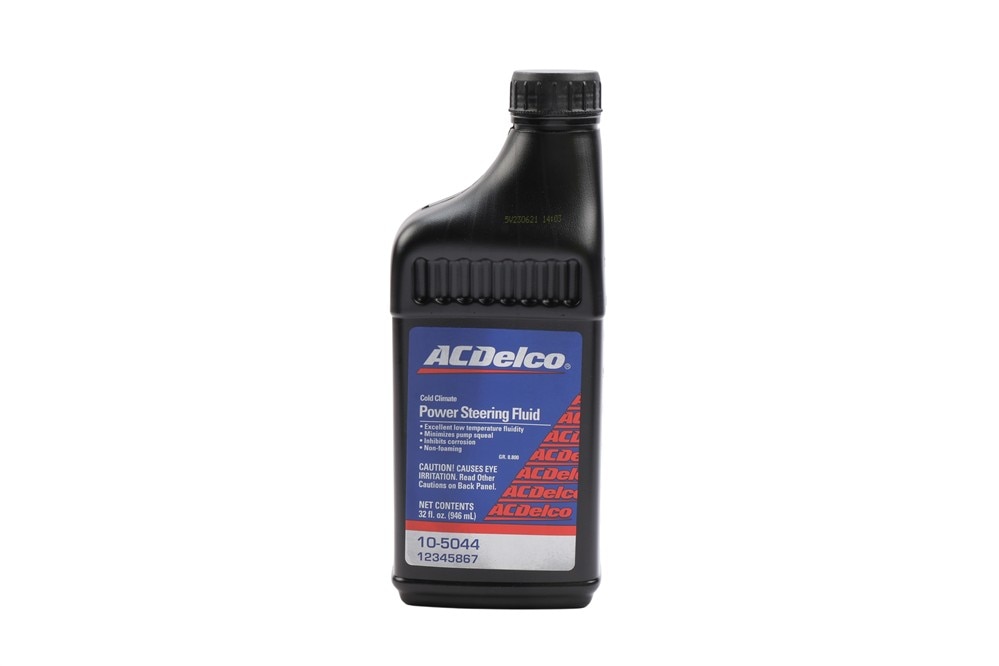
If your car uses hydraulic or EHPS, always check your owner’s manual for the recommended power steering fluid type and consider a fluid formulated for low temperatures.
Common Power Steering Problems Triggered By Cold Weather
Stiff Or Unresponsive Steering
The most obvious symptom is a stiff steering wheel on cold mornings. This occurs as thickened fluid resists movement, or as the electric assist system struggles with low battery output.
Noisy Operation
Cold temperatures can cause the power steering pump to produce a whining or groaning noise. This is typically due to increased fluid viscosity or air bubbles forming in the system.
Fluid Leaks
Contracted seals and hardened hoses are more likely to develop leaks in freezing weather. Even small leaks can lead to a dangerous drop in fluid levels, causing total steering failure.
Warning Lights
For vehicles with EPS, drivers may see a power steering warning light after a cold start. This often resets after the car warms up, but repeated occurrences can indicate a deeper problem.
Temporary Vs. Persistent Issues
Some cold-weather symptoms (like stiffness or noise) may resolve as the vehicle warms up, while others (like leaks or warning lights) can signal a permanent fault that requires repair.
Case Study: Power Steering Failure In Subzero Conditions
A fleet operator in Chicago reported multiple incidents of sudden steering loss during a particularly cold January. Upon inspection, technicians found that several vehicles had developed hairline cracks in the power steering hoses, leading to rapid fluid loss. Switching to a more cold-resistant hose material and pre-winter inspections virtually eliminated the issue the following year.

Credit: www.jcofontario.com
Diagnosing Power Steering Problems In Winter
Initial Checks
When experiencing steering issues on a cold day, begin with a visual inspection:
- Look for fluid leaks or puddles under the car.
- Inspect hoses for cracks or brittleness.
- Listen for unusual noises when turning the wheel.
Fluid Inspection
Check the power steering fluid level and quality. Thick, dark, or milky fluid suggests contamination or degradation. If the fluid appears sludgy, it’s likely too viscous for cold operation.
Battery And Electrical System Test
For vehicles with EPS or EHPS, test the battery voltage. Cold temperatures can reduce battery output by up to 50%, directly affecting electric steering assist.
Scan For Trouble Codes
Modern vehicles often store diagnostic codes related to the power steering system. Use an OBD-II scanner to check for codes, especially if the steering warning light is illuminated.
Example: My Experience Diagnosing Winter Steering Noise
In my experience as a technician, one customer complained of a loud groan during morning commutes. The inspection revealed the power steering fluid was overdue for replacement and had thickened excessively in the cold. A simple fluid flush and switch to a synthetic, low-temperature fluid resolved the issue.
Preventive Measures And Maintenance Tips
Use The Correct Power Steering Fluid
Always use the manufacturer-recommended fluid. Some fluids are specifically formulated for low-temperature operation and remain thin even below freezing.
Regular Fluid Changes
Changing power steering fluid at regular intervals (typically every 50,000 miles or as specified by the manufacturer) helps prevent sludge and maintains system performance in all temperatures.
Inspect And Replace Worn Components
Before winter, check all hoses, seals, and clamps for signs of wear or brittleness. Replace any components that show cracking or stiffness.
Warm-up Procedures
Allowing your engine to idle for a few minutes on extremely cold days helps thin the power steering fluid and lubricate components before driving.
Protect The Battery
Since a weak battery affects both EHPS and EPS, keep the battery terminals clean and consider replacing batteries that are more than 4-5 years old.
Store Indoors When Possible
Parking in a garage or sheltered area can moderate temperature swings, reducing the risk of cold-induced steering problems.
Example: Preventing Issues In A Delivery Fleet
A logistics company operating in Denver found that pre-winter inspections and fluid changes reduced winter power steering issues by over 60%. They also trained drivers to report the first sign of stiff steering or unusual noise, allowing for prompt repairs.
Repair Solutions For Cold-induced Power Steering Problems
Fluid Flush And Replacement
If thickened or contaminated fluid is the culprit, a power steering flush can restore normal operation. Use a synthetic fluid designed for low temperatures for best results.
Hose And Seal Replacement
Cracked or brittle hoses and seals should be replaced with parts rated for cold weather. Some aftermarket hoses offer improved flexibility and resistance to low temperatures.
Pump Or Motor Repair
Persistent noise or loss of assist may indicate a failing power steering pump (hydraulic) or electric motor (EPS/EHPS). Replacement or professional repair is necessary in these cases.
Battery Upgrade
For EPS and EHPS systems, upgrading to a higher-capacity battery or one designed for cold climates can improve steering performance on frigid mornings.
Software Updates
Some modern vehicles receive software updates to improve EPS responsiveness in cold weather. Check with your dealer if such updates are available for your model.
Comparison Table: Repair Costs
| Repair Type | Hydraulic System | Electric System | Typical Cost (USD) |
|---|---|---|---|
| Fluid Flush | Yes | No | $90, $150 |
| Hose/Seal Replacement | Yes | Rare | $200, $400 |
| Pump/Motor Repair | Yes | Yes | $400, $800 |
| Battery Upgrade | No | Yes | $120, $250 |
| Software Update | No | Yes | Varies (Dealer) |
The Science Behind Cold-induced Power Steering Failure
Fluid Dynamics In Low Temperatures
Hydraulic fluid is engineered to resist temperature changes, but molecular friction increases as temperatures drop, making the fluid thicker and more resistant to flow. This is described by the Arrhenius equation, which predicts that viscosity increases exponentially as temperature decreases.
Material Properties Of Hoses And Seals
Rubber, the primary material for steering hoses and seals, becomes less elastic in cold weather. This is due to reduced molecular movement at lower temperatures, making the material hard and brittle. Over time, repeated expansion and contraction cycles can lead to micro-cracks and eventual failure.
Electrical Resistance And Battery Output
For EPS systems, cold weather increases the internal resistance of batteries, reducing their ability to supply high currents. Since electric motors demand significant current during steering maneuvers, any drop in battery performance can result in sluggish or incomplete power assist.
Manufacturer Recommendations
According to the National Highway Traffic Safety Administration (NHTSA), regular inspection and maintenance of steering systems are critical, especially in regions with extreme winter temperatures.
Example: Manufacturer Technical Bulletin
Several automakers have issued technical bulletins advising dealerships to switch to cold-weather rated fluids and to inspect steering components during routine winter maintenance. This proactive approach has reduced warranty claims related to steering failures in cold climates.
Long-term Impact: Ignoring Cold Weather Steering Issues
Safety Risks
Stiff or unresponsive steering is not just inconvenient, it’s dangerous. Delayed or failed steering assist can make it difficult to avoid obstacles or respond to emergencies, increasing the risk of accidents.
Accelerated Wear And Expensive Repairs
Repeated operation with thick fluid or low fluid levels causes excessive wear on the pump, motor, and rack. This can lead to expensive repairs or even total system replacement.
Reduced Vehicle Value
A car with a history of steering problems or leaks can lose value on the used market, as buyers are wary of costly repairs.
Environmental Impact
Leaking power steering fluid is hazardous to the environment. It can contaminate soil and water, and improper disposal is illegal in many states.
Example: Costly Consequences
A driver in Buffalo ignored early winter steering issues, assuming they’d resolve in spring. The result: a failed pump, damaged rack, and a $1,200 repair bill, far more than the cost of preventive maintenance.
Frequently Asked Questions
How Can I Tell If Cold Weather Is Affecting My Power Steering?
Aside from obvious stiffness or noise when turning the wheel, check for leaks under the vehicle, low fluid levels, or a steering warning light on the dashboard. If these symptoms appear only during cold spells and improve as the car warms up, cold weather is likely the cause.
Can Using The Wrong Power Steering Fluid Cause Problems In Winter?
Absolutely. Incorrect fluid may thicken excessively in the cold, leading to sluggish steering or pump damage. Always use a fluid that meets your manufacturer’s specifications, especially if you live in a region with harsh winters.
Is It Safe To Drive If My Steering Feels Stiff Only On Cold Mornings?
It’s not recommended. Even temporary stiffness reduces your control over the vehicle and could indicate underlying issues that might worsen. Address the problem promptly to maintain safety and avoid more expensive repairs.
Will Parking Indoors Eliminate Power Steering Problems In Winter?
While indoor parking can reduce the risk of temperature-related issues by keeping your car warmer, it doesn’t eliminate them entirely. Regular maintenance and fluid checks are still necessary, as even brief exposure to cold can affect the system.
Do Electric Power Steering Systems Need Winter Maintenance?
Yes. While EPS systems lack fluid, they still rely on battery health and moisture-free electrical connections. Check your battery condition, keep connections clean, and consult your manual for any manufacturer-specific winter recommendations.
Resources And Further Reading
For more detailed technical guidance and maintenance tips, consult the Wikipedia entry on Power Steering or your vehicle’s owner’s manual.
Staying proactive about your power steering system during winter can save you from unexpected breakdowns and costly repairs. By recognizing the signs, understanding the science, and following expert maintenance strategies, you’ll ensure safe and confident driving, even in the coldest months.