Why Do Car Brake Discs Warp And How to Prevent It
Modern vehicles rely on precisely engineered components to ensure safety and peak performance. Among these, brake discs—also known as rotors—play a critical role in providing reliable stopping power. However, many drivers experience a common and frustrating issue: brake disc warping. The telltale signs—steering wheel vibrations, pulsating brake pedals, and uneven stopping—raise concerns about both safety and repair costs.
Understanding why brake discs warp, and more importantly, how to prevent it, is essential for every vehicle owner. Whether you drive a family sedan, a high-performance sports car, or a workhorse truck, warped rotors can compromise your braking system and reduce your confidence on the road.
This comprehensive guide dives deep into the causes, symptoms, and preventive strategies for brake disc warping, equipping you with expert insights and actionable steps to maximize your vehicle’s safety and longevity.
Key Takeaways
- Brake disc warping is primarily caused by excessive heat, uneven torque, and material imperfections.
- Symptoms include vibration, pulsating brake pedals, and uneven braking.
- Proper driving habits, maintenance, and component selection significantly reduce the risk of warping.
- Advanced materials and technology can improve disc resistance to heat and deformation.
- Early detection and addressing root causes can prevent costly repairs and enhance safety.

Credit: asgindy.com
Understanding Brake Discs And Their Role
How Brake Discs Work
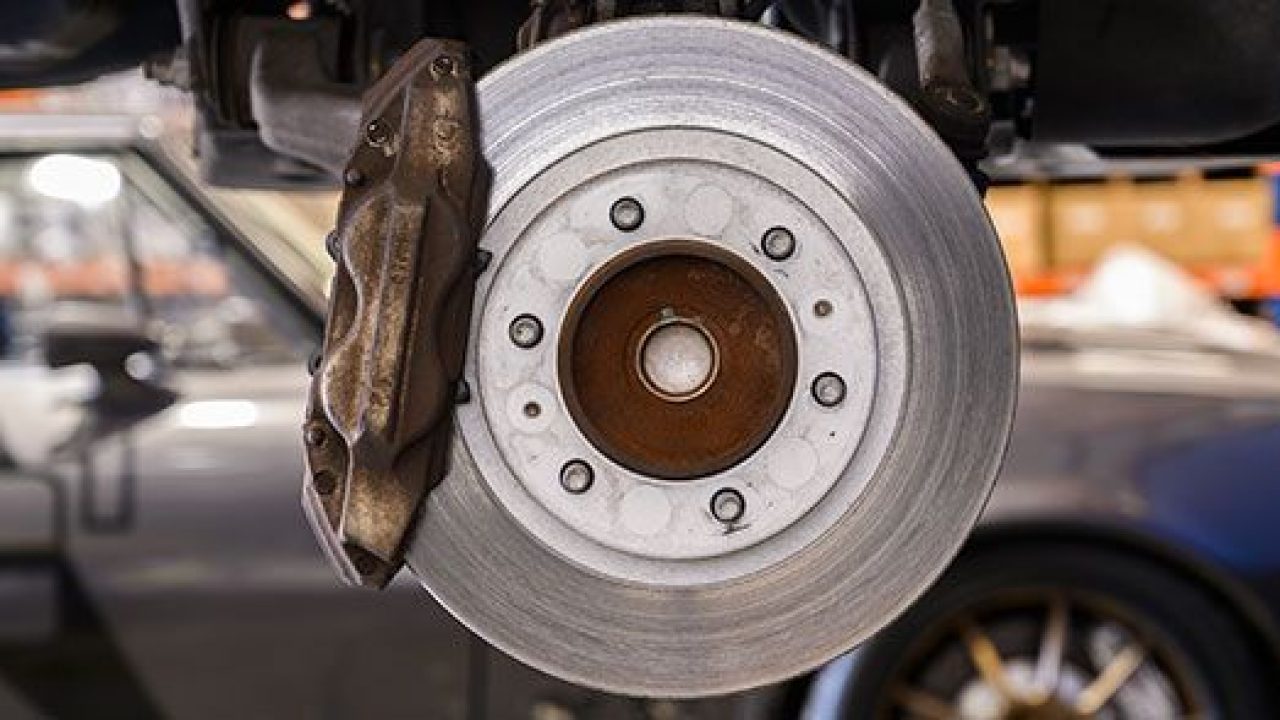
Brake discs are circular metal components mounted to a vehicle’s wheel hub. When you press the brake pedal, hydraulic pressure forces the brake pads against the discs, converting kinetic energy into heat and slowing the vehicle. This friction-based process is essential for effective braking.
The efficiency of this process depends on the surface area and the quality of the contact between the pads and the disc. Modern braking systems are designed to maximize both the contact and the cooling of the discs. The heat generated is managed through airflow around the rotor and the materials used, ensuring the disc doesn’t exceed its thermal limits.
This is why the choice of disc and pad materials, as well as the design, is so crucial in maintaining optimal braking performance.
Types Of Brake Discs
Different vehicles use various types of brake discs, each with unique characteristics:
- Solid Discs: Common in smaller cars; simple and cost-effective. Solid discs are usually found in light vehicles where braking loads are lower. Their straightforward design makes them less expensive but less efficient at heat dissipation.
- Vented Discs: Feature internal vanes for improved heat dissipation; common in most modern vehicles. These vanes allow air to flow through the disc, cooling it more quickly and reducing the risk of overheating.
- Drilled and Slotted Discs: Enhance cooling and gas expulsion; popular in performance and heavy-duty applications. The holes and slots help evacuate gases and debris, preventing pad glazing and maintaining consistent friction.
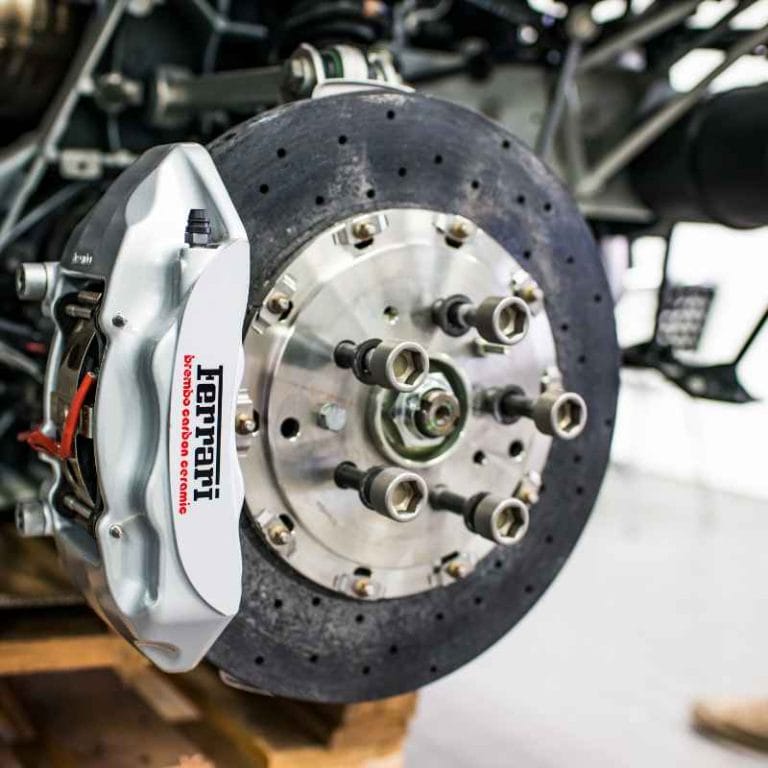
- Carbon-Ceramic Discs: Found in high-performance and luxury cars; offer superior heat resistance. These discs are exceptionally durable, lightweight, and can withstand repeated high-temperature cycles without warping.
| Type | Heat Dissipation | Cost | Typical Application |
|---|---|---|---|
| Solid | Low | Low | Compact cars |
| Vented | Medium | Medium | Sedans, SUVs |
| Drilled/Slotted | High | High | Sports/Performance |
| Carbon-Ceramic | Very High | Very High | Supercars, Racing |
Manufacturers select disc types based on vehicle weight, intended use, and performance requirements. For example, heavy-duty trucks often use vented or slotted rotors to handle increased thermal loads, while supercars rely on carbon-ceramic for extreme conditions. Choosing the right type directly impacts longevity and resistance to warping.
The Importance Of Proper Heat Management
Braking generates substantial heat. If the brake discs cannot dissipate this heat efficiently, they can overheat, leading to thermal expansion. Repeated extreme heating and cooling cycles can compromise the disc’s structural integrity, resulting in warping.
Heat management is vital because excessive temperature can cause not only warping but also brake fade, where the friction material loses effectiveness. Vehicle engineers often design airflow ducts and shields to direct cool air onto the discs. In motorsports, advanced telemetry tracks disc temperatures to ensure they remain within safe limits.
For everyday drivers, understanding how driving habits and environmental conditions impact heat buildup is key to avoiding problems.
Credit: www.r1concepts.com
What Causes Brake Discs To Warp?
Excessive Heat And Thermal Shock
The most common culprit behind warped brake discs is excessive heat, often from:
- Frequent hard braking (e.g., mountain driving, towing, or emergency stops)
- Riding the brakes for extended periods
- Heavy loads that demand greater braking force
When brake discs are exposed to rapid temperature changes, such as splashing through water immediately after heavy braking, thermal shock can occur. This sudden contraction and expansion can distort the disc’s surface.
In urban environments, stop-and-go traffic can also contribute to elevated disc temperatures. For instance, delivery vehicles and buses often encounter these conditions, increasing the risk of warping. Even in normal driving, repeated braking from high speeds—such as during highway exits—can cause temperature spikes.
Uneven Torque During Installation
Improper installation is another leading cause. When lug nuts are not tightened evenly or to the manufacturer’s specification, they can induce uneven pressure across the disc. This uneven torque can cause the disc to warp over time.
Wheel installation is often overlooked, but even a small variance in torque can create stress points. Many mechanics use impact wrenches, which can over-tighten or unevenly tighten bolts unless calibrated. The result is a disc that flexes slightly every time the wheel rotates, eventually leading to permanent deformation.
Pad Material Transfer
Some drivers mistakenly believe that all disc warping is due to bending or distortion. In reality, uneven brake pad material transfer can also mimic warping symptoms. If the pads deposit excessive material onto the disc—often due to overheating or inferior pad compounds—it creates high spots that lead to vibration and pulsation.
Certain pad materials are more prone to transferring material, especially organic or semi-metallic compounds. The process is exacerbated if the brake system is not properly bedded in after installation. High-performance pads typically require a specific break-in procedure to ensure even transfer and optimal contact.
Subpar Materials And Manufacturing Defects
Low-quality discs made from inferior metals or with manufacturing defects are more susceptible to warping. Such discs may have inconsistent density or poor resistance to heat.
Budget discs may use recycled or poorly refined iron, leading to weak spots. Manufacturing defects, such as incomplete casting or improper cooling during production, can introduce microcracks that expand under heat stress. These defects are often invisible until the disc fails under demanding conditions.
Real-world Example: Mountain Descent
Consider a driver descending a steep mountain pass. Frequent, heavy braking causes the discs to heat rapidly. If the vehicle then crosses a stream or encounters rain, the sudden cooling can trigger thermal shock and lead to warping. In a study by the Society of Automotive Engineers, brake discs exposed to temperature gradients above 300°C showed a 45% higher likelihood of distortion compared to those cooled gradually (SAE International).
This scenario illustrates how environmental factors combine with driving habits to create ideal conditions for warping. Drivers in mountainous regions are particularly at risk and should be vigilant about cooling intervals and avoiding sudden water exposure.

Credit: classicmotorsports.com
Common Symptoms Of Warped Brake Discs
Vibrating Steering Wheel
A classic sign of warped rotors is a vibrating steering wheel during braking. This vibration is due to uneven contact between the disc surface and brake pads, sending feedback through the steering system.
The severity of vibration often correlates with the degree of warping. Mild cases may only be noticeable at certain speeds, while advanced warping can cause constant feedback. The vibration can sometimes be mistaken for suspension issues, so accurate diagnosis is essential.
Pulsating Brake Pedal
Another symptom is a pulsating brake pedal. The pedal may feel as though it’s pushing back or pulsating underfoot, especially at higher speeds or during firm braking.
This feedback is caused by the brake caliper compensating for variations in disc thickness or surface irregularities. Drivers may notice this during downhill driving or emergency stops, when the brake system is under maximum load.
Uneven Braking And Noise
Warped discs can cause uneven braking, with the car pulling to one side. You may also hear squealing, scraping, or thumping noises during braking.
These noises result from the pads hitting high spots or areas with excess material deposit. In some cases, the uneven braking may trigger ABS activation even during moderate stops, as the system senses irregular wheel speeds.
Increased Stopping Distance
In severe cases, the stopping distance may increase, compromising overall safety.
This is particularly dangerous in emergency situations, where every meter counts. Warped discs can also reduce confidence in the vehicle, causing drivers to brake earlier and more cautiously, which can affect traffic flow and increase the risk of rear-end collisions.
Case Study: Fleet Vehicles
A delivery company noticed increased complaints of brake vibration among its fleet. Analysis revealed that drivers frequently overloaded vans and practiced aggressive braking. Switching to vented discs and implementing driver training reduced complaints by 60% over 12 months, highlighting the impact of operational habits.
This demonstrates that both hardware upgrades and behavioral changes are critical for maintaining brake health, especially in vehicles subjected to high stress and heavy use.
How To Diagnose Warped Brake Discs
Visual Inspection
Mechanics often start with a visual inspection, looking for discoloration (blue or purple spots), cracks, or uneven wear patterns on the disc surface.
Discoloration indicates hotspots where the disc has exceeded safe temperatures. Cracks and scoring suggest mechanical stress or improper pad contact. However, some warping may not be visible and requires further investigation.
Measuring Disc Thickness
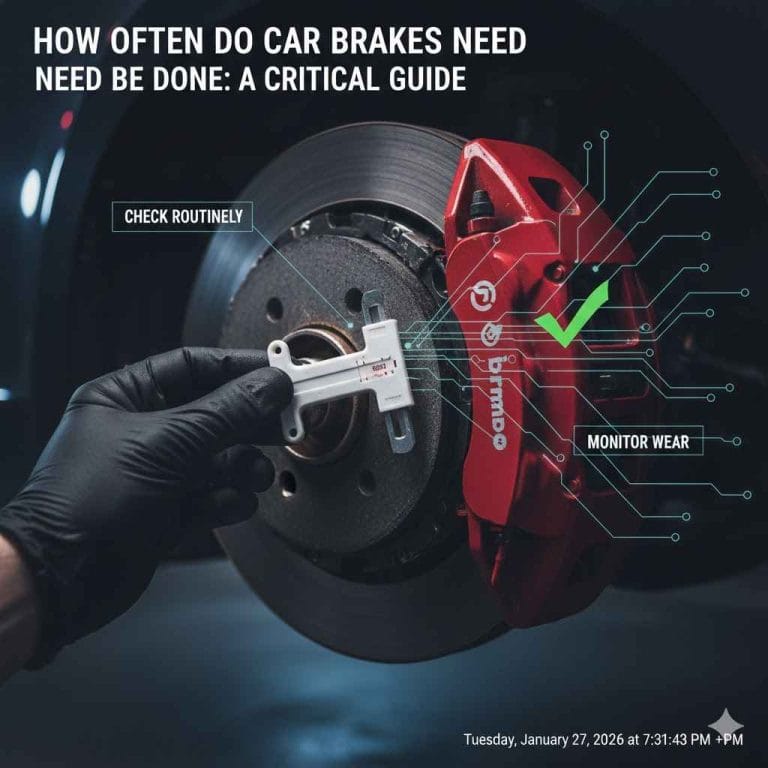
Precision tools like micrometers or dial indicators measure disc thickness at various points. If the variation exceeds the manufacturer’s maximum allowable specification (often around 0.05 mm or 0.002 inches), the disc is likely warped.
Measuring at multiple points around the disc is important, as warping can be localized. Technicians often record readings and compare them to manufacturer guidelines, ensuring objective assessment.
Road Testing
A controlled road test can help confirm symptoms. Technicians note vibrations, pulsations, and noises while braking at various speeds.
Road tests simulate real-world conditions and can reveal issues not detectable during stationary inspections. Advanced shops may use accelerometers or vibration sensors to quantify feedback.
Professional Diagnostic Equipment
Modern repair shops use advanced equipment to measure lateral runout—the side-to-side movement of the disc as it rotates. Excessive runout (>0.1 mm) is a strong indicator of warping.
Lateral runout is measured by placing a dial indicator against the disc while rotating the wheel. The readings help distinguish between true mechanical warping and pad material buildup, which may require different solutions.
| Diagnostic Method | Pros | Cons | Accuracy |
|---|---|---|---|
| Visual Inspection | Quick, No tools needed | Surface issues only | Low |
| Thickness Measurement | Quantitative, Reliable | Requires micrometer | High |
| Road Test | Replicates real-world use | Subjective, skill needed | Medium |
| Lateral Runout | Precise, Comprehensive | Special tools required | Very High |
Example: Diy Diagnosis
A car owner notices brake pulsation at highway speeds. Using a dial indicator, they measure lateral runout and find a 0. 15 mm deviation—well above the 0. 05 mm specification. The discs are confirmed to be warped and replaced, resolving the issue.
DIY diagnosis can save time and money, but requires basic tools and knowledge. Many online resources and automotive forums offer guidance for enthusiasts interested in self-inspection.
The Science Behind Brake Disc Warping
Thermal Expansion And Contraction
When a brake disc heats up, the metal expands. If the temperature is not uniform across the disc, expansion will be uneven, causing the disc to deform. When the disc cools, it contracts, but may not return to its original shape.
Repeated cycles of uneven heating and cooling gradually warp the disc.
The physics behind this process involve complex interactions between material properties, heat transfer, and mechanical forces. Engineers use finite element analysis to predict how discs will behave under stress, helping to design rotors that resist warping.
The Role Of Metallurgy
Disc composition significantly affects heat resistance. High-quality rotors are made from cast iron alloys with carefully controlled carbon content. Inferior discs may have impurities or inconsistent structure, making them more prone to warping. Research from the Royal Society of Chemistry indicates that discs with higher graphite content offer improved thermal stability (RSC Advances).
Manufacturers often add elements like chromium or molybdenum to enhance strength and reduce brittleness. Advanced rotors may include composite layers or surface treatments to further resist deformation.
Brake Pad Interaction
The friction material in brake pads can vary. Some pads are more prone to depositing material onto the disc, especially at high temperatures. This can create uneven surfaces, contributing to the sensation of warping.
Ceramic pads are known for minimal material transfer, while organic pads may leave more residue. The matching of pad and disc materials is vital for maintaining a smooth braking surface and preventing false warping symptoms.
Impact Of Environmental Factors
External factors such as water, road salt, and debris can affect disc cooling and material integrity. For instance, splashing through a puddle with hot discs can increase the risk of thermal shock.
Road salt can accelerate corrosion, weakening the disc and making it more susceptible to cracking and warping. Dust and grit can embed in the pad surface, causing abrasive wear and uneven disc surfaces.
How To Prevent Brake Disc Warping
Adopt Proper Braking Techniques
- Avoid prolonged braking on steep descents—use engine braking when possible.
- Do not ride the brakes in traffic or on hills; allow brakes to cool between uses.
- Gradual braking distributes heat more evenly, reducing thermal stress.
Training drivers in these techniques can significantly extend disc lifespan. For example, commercial vehicle operators benefit from refresher courses on braking strategies.
Use Quality Components
- Choose high-quality brake discs from reputable brands.
- Pair discs with compatible brake pads to avoid uneven material transfer.
- Replace both rotors and pads together for optimal performance.
Investing in branded rotors and pads ensures consistent material properties and compatibility. Cheaper alternatives may save money upfront, but often lead to higher long-term costs due to premature failure.
Ensure Correct Installation
- Always torque lug nuts to the manufacturer’s specification using a calibrated torque wrench.
- Tighten lug nuts in a star pattern to distribute pressure evenly.
- Re-check torque after 50-100 miles of driving, especially after wheel or brake service.
Proper installation prevents mechanical stresses that lead to warping. Many shops now use digital torque wrenches to ensure precision and record readings for customer assurance.
Schedule Regular Maintenance
- Inspect discs and pads during every oil change or at least twice a year.
- Address brake fluid leaks or sticking calipers promptly.
- Replace worn or damaged hardware (e.g., caliper slides, anti-rattle clips).
Routine inspections catch issues early, preventing escalation. Many newer vehicles have brake wear sensors, alerting drivers to maintenance needs.
Upgrade For Demanding Conditions
For vehicles regularly exposed to heavy loads, performance driving, or mountainous terrain, consider upgrading to vented, drilled, or slotted rotors for improved heat dissipation. In extreme cases, carbon-ceramic discs offer maximum resistance to warping.
Performance upgrades can increase upfront costs, but pay off in reduced maintenance and improved safety. Consult your vehicle manufacturer or a specialist for recommended upgrades based on use case.
Real-world Example: High-performance Vehicles
A sports car owner frequently participates in track days. After experiencing repeated disc warping, they upgrade to carbon-ceramic rotors and high-temperature pads. The new setup withstands intense heat cycles, eliminating warping and improving lap times.
This example underscores the importance of matching component capabilities to driving demands. For enthusiasts, investing in high-end parts is often the best solution.
Monitor Driving Habits
Educate all drivers (fleet, family, or employees) on the importance of:
- Not overloading vehicles
- Spacing out braking events
- Avoiding water splashes after hard braking
Driver education is a powerful tool in preventing mechanical failures. Many companies incentivize safe driving habits to reduce fleet maintenance costs.
Table: Preventive Maintenance Checklist
| Preventive Action | Frequency | Benefit |
|---|---|---|
| Inspect brake discs & pads | Every 6 months | Early issue detection |
| Torque check on lug nuts | After every wheel service | Prevents uneven pressure |
| Flush brake fluid | Every 2 years | Prevents corrosion, sticking |
| Replace worn hardware | As needed | Ensures smooth operation |
| Upgrade discs/pads for heavy use | If driving conditions demand | Improves heat resistance |
Cost Implications Of Warped Brake Discs
Repair Vs. Replacement
Warped discs often require replacement, though minor warping may be corrected by machining (resurfacing) the disc. However, machining reduces disc thickness and may not be possible if below the minimum specification.
- Average replacement cost: $250–$600 per axle (parts & labor)
- Machining cost: $30–$50 per disc
- Premium rotors: Up to $2,000+ per set (carbon-ceramic, high-performance)
Prices vary based on vehicle make, model, and the quality of parts used. Luxury vehicles and performance cars typically incur higher costs due to specialized rotors and pads.
Long-term Consequences
Ignoring warped discs can lead to:
- Premature pad wear
- Caliper damage
- Longer stopping distances
- Safety hazards
Continued use of warped discs can also damage wheel bearings and suspension components due to excessive vibration. Repairing secondary damage is often more expensive than replacing the discs promptly.
Insurance And Warranty Coverage
Some extended warranties or maintenance plans may cover brake disc issues, especially if caused by manufacturing defects. Consult your policy or speak with your dealer for details.
Certain manufacturers offer coverage for defects within the first few years or miles. However, wear-and-tear or driver-induced warping is rarely covered, so preventive maintenance remains crucial.
Case Study: Commercial Fleet Roi
A taxi fleet invested in higher-quality vented discs and implemented stricter maintenance protocols. Over 24 months, brake-related downtime dropped by 40%, and total brake system expenses decreased by 28%, demonstrating the tangible financial benefits of prevention.
This illustrates that investing in robust components and proactive care yields measurable savings, particularly for high-mileage vehicles.
Advanced Technologies And Materials In Brake Discs
High-performance Alloys
Recent advancements have introduced composite alloys and high-carbon discs with improved heat tolerance and reduced susceptibility to warping. These materials are increasingly available in aftermarket and OEM applications.
High-carbon rotors dissipate heat more quickly and resist cracking. Composite alloys combine metals for improved strength and lighter weight, enhancing both performance and fuel economy.
Carbon-ceramic Rotors
Once exclusive to race cars and supercars, carbon-ceramic brake discs are now available for high-end road vehicles. They offer:
- Superior heat dissipation
- Exceptional resistance to warping
- Lightweight construction
However, their high cost limits widespread adoption.
Carbon-ceramic rotors can last up to 100,000 miles under normal conditions, far exceeding traditional rotors. They are virtually immune to corrosion and perform consistently in extreme environments, but replacement costs remain prohibitive for most drivers.
Coated And Treated Discs
Manufacturers offer discs with anti-corrosion coatings, cryogenic treatments, and slot/drill patterns to improve performance and longevity.
Cryogenic treatment improves microstructure, enhancing toughness and reducing susceptibility to warping. Anti-corrosion coatings extend disc life, particularly in harsh climates.
Example: Oem Upgrades
The Porsche 911 GT3 uses carbon-ceramic discs as standard equipment. Owners report consistent braking performance even after repeated high-speed stops, with virtually no warping issues over tens of thousands of miles (Car and Driver).
This real-world feedback highlights the value of advanced materials for enthusiasts and professionals seeking reliability under extreme conditions.
Future Trends
Emerging technologies, such as regenerative braking in electric vehicles, may reduce reliance on friction brakes for routine deceleration, potentially decreasing disc temperatures and extending rotor lifespan (U.S. Department of Energy).
As EV adoption increases, friction brakes may become secondary, reducing wear and warping incidents. Manufacturers are also exploring new materials and designs to further improve durability and performance.
Best Practices For Long-term Brake Disc Health
Break-in Procedures
Properly bedding in new brake discs and pads ensures even material transfer and optimal performance. The process typically involves a series of moderate stops from medium speeds, allowing gradual heating and cooling.
Failing to bed in brakes correctly can cause uneven pad deposits and early warping. Manufacturers often provide specific instructions, which should be followed closely for best results.
Environmental Considerations
If you live in an area with frequent rain, snow, or salted roads, regularly rinse the brakes to remove debris, but avoid doing so immediately after heavy braking.
In regions with harsh winters, disc corrosion is a common issue. Using high-quality, coated rotors and regular cleaning helps maintain performance and prevent premature failure.
Routine Monitoring
Stay alert for changes in braking feel, noises, or vibrations. Address issues promptly to avoid escalation.
Keeping a log of brake service intervals and noting any symptoms helps detect problems early. Many shops offer free brake inspections, making it easy to stay proactive.
Professional Servicing
Rely on certified technicians for installation and service. They have the expertise and tools to properly diagnose, repair, and install brake system components.
Professional service ensures that all components are installed to specification, reducing the risk of torque-related warping and other installation errors.
When To Replace Vs. Resurface
Follow the vehicle manufacturer’s recommendations for minimum disc thickness. If warping is severe or the disc is below spec, replacement is the only safe option. Resurfacing may be possible for minor issues, provided the disc remains within allowable limits.
Resurfacing is cost-effective but only viable if the disc retains enough material for safe operation. Always check thickness and consult a professional if unsure.
Environmental Impact
Recycling worn-out discs helps reduce the environmental footprint. Many automotive shops participate in metal recycling programs.
Proper disposal and recycling not only benefit the environment but can also contribute to supply chains for new components, closing the loop on resource usage.
Frequently Asked Questions
What Are The Most Common Signs Of Warped Brake Discs?
The most common signs include vibrating steering wheels, pulsating brake pedals, uneven braking, and unusual noises like squealing or thumping. If you notice these symptoms, have your brakes inspected by a professional as soon as possible.
Symptoms may also include changes in braking performance, such as reduced stopping power or the car pulling to one side. Prompt diagnosis ensures safety and prevents further damage.
Can Warped Brake Discs Be Repaired, Or Must They Be Replaced?
Minor warping can sometimes be corrected by resurfacing (machining) the disc, but this is only possible if the disc remains above the minimum thickness. Severe warping or discs below specification must be replaced for safety.
Always consult a trusted mechanic or service center for advice. Attempting DIY repairs without proper tools and knowledge can compromise safety.
How Can I Prevent Brake Discs From Warping On Long Downhill Drives?
Use engine braking (downshifting), avoid riding the brakes, and take breaks to let the brakes cool. If possible, upgrade to vented or performance discs for improved heat management. Always ensure your vehicle is not overloaded.
Regularly check brake fluid and pad thickness before embarking on long drives. Consider installing temperature sensors or brake cooling kits for extra protection.
Are Certain Vehicles Or Driving Styles More Prone To Warped Discs?
Yes. Heavy vehicles, those frequently towing, and cars used in performance driving or mountainous terrain face higher risks. Aggressive driving and frequent hard braking increase the likelihood of disc warping.
Fleet vehicles, taxis, and delivery vans are especially prone due to constant use and heavy loads. Driver training and upgraded components help mitigate risk.
Do High-performance Or Carbon-ceramic Brake Discs Ever Warp?
Carbon-ceramic discs are highly resistant to warping due to their superior heat tolerance and material properties. While not impossible, warping is extremely rare with these discs, especially compared to traditional cast iron rotors (Wikipedia).
Routine inspection is still important, as damage can occur from impacts or manufacturing defects, albeit rarely.
Maintaining your brake system is not just about comfort—it’s about safety. By understanding why brake discs warp and how to prevent it, you can make informed decisions that protect your vehicle, your passengers, and your wallet. Invest in quality components, practice good driving habits, and stay vigilant with maintenance to ensure smooth, reliable braking for every journey. For more in-depth technical information, consider consulting resources like the National Highway Traffic Safety Administration (NHTSA) and manufacturer service manuals.
Products related to this article
Sponsored / affiliate links. As an Amazon Associate I earn from qualifying purchases. I may earn additional commission from eligible campaigns.