Best Cars with the Most Fun Handling: Driver Favorites
The Honda Civic Type R is the top pick here because it pairs sharp steering, genuine adjustability, a manual gearbox, and usable ride quality better than the more extreme rivals. If you want the most fun handling at legal road speeds, start with steering feel and chassis balance, then judge comfort and running costs.
Top pick: the Civic Type R
The Honda Civic Type R leads this list because it feels eager without needing illegal speeds to come alive. It is front-wheel drive, uses a turbocharged powertrain, and keeps a manual transmission, yet it still has the body control and polish many cars in this class miss. Since its 2023 relaunch, it has been the best-driving FWD car money can buy.
Why it beats rivals on public roads
The Type R does not win by brute force. It wins because the front end is precise, the chassis rotates cleanly when you ask for it, and the car stays composed over broken pavement. That matters more than a peak horsepower figure on a normal road, where traction, steering feedback, and adjustability matter more than outright speed.
It also avoids the two common failure cases in this segment, numb steering and needless harshness. Some hot hatches feel fast but detached; others feel tied down with too-stiff damping. The Civic Type R sits in the better middle ground.
Who should still look elsewhere?
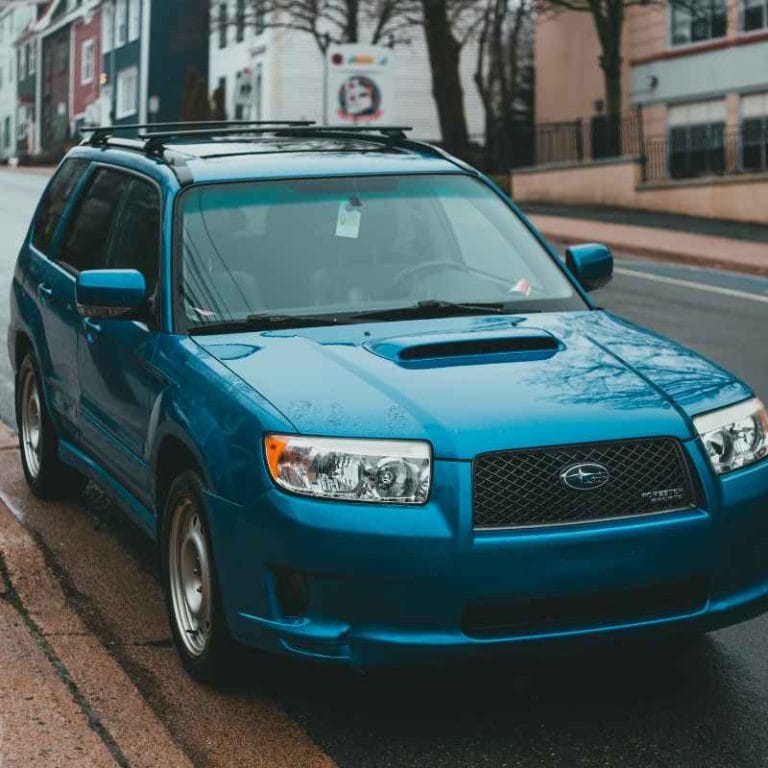
Choose something else if you want softer ride quality, a more upscale cabin, or all-weather traction from all-wheel drive. The Civic Type R is still a front-drive performance car at heart, so buyers who want a luxury lean or snow-belt traction should compare it with the Acura Integra Type S or Subaru WRX.
Quick picks fun-handling scorecard
This scorecard compares the shortlist on the traits that matter most on the road: steering feel, chassis adjustability, normal-speed enjoyment, comfort, manual-shift quality, and ownership risk. The last column is a practical buyer note, not a lap-time ranking.
| Car | Steering feel | Chassis adjustability | Road-speed enjoyment | Daily comfort | Manual-shift quality | Ownership risk | Best for |
|---|---|---|---|---|---|---|---|
| Honda Civic Type R | Very high | Very high | Very high | Good | Excellent | Medium | Driver who wants one car to do almost everything well |
| Hyundai Elantra N | High | High | High | Fair | Good | Medium | Buyer who wants attitude and value |
| Acura Integra Type S | Very high | High | High | Good | Excellent | Medium | Buyer who wants Civic Type R hardware with a quieter, pricier wrapper |
| Volkswagen Golf GTI | High | Medium | High | Very good | Good to very good, depending on model year | Medium | Driver who wants a balanced hot hatch benchmark |
| Mazda MX-5 | Very high | High | Very high | Fair | Excellent | Low to medium | Buyer who wants the cleanest connection per dollar |
| Subaru WRX | Medium | Medium | High | Fair | Good | Medium | All-weather commuter who still wants a manual |
| Alpine A110 R | Very high | Very high | Very high | Good for the class | Not applicable | High | Buyer who wants lightness and precision over practicality |
| Porsche 911 GT3 RS | Extreme | Extreme | Moderate on road, extreme on track | Poor to fair | Not central here | Very high | Track-focused owner with a large budget |
| McLaren 765LT | Extreme | Extreme | Very high | Poor | Not central here | Very high | Experienced buyer who wants hydraulic steering feel and serious pace |
| Caterham Seven | Extreme | High | Extreme at low speed | Poor | Excellent if fitted | Medium to high | Purist who wants back-to-basics feedback above all else |
What makes handling feel fun?
Fun handling comes from steering feel, chassis balance, grip, and feedback working together, not from cornering force alone. A car can be quick and still feel flat. The best road cars give you information through the wheel, respond cleanly to lift-off or throttle input, and stay tied together over imperfect pavement.
Steering feel versus steering quickness
Quick steering only changes how fast the nose points. Feel tells you what the front tyres are doing. A driver-friendly car lets you sense load-up, surface camber, and grip changes through the wheel instead of hiding them behind dead weighting or artificial sharpness.
Balance, rotation, and adjustability
Balance is what the car does mid-corner. A fun chassis will settle naturally, then rotate a little when you trail the brakes or lift the throttle. That is why lift-off oversteer can be entertaining in the right car, while a safe but inert chassis can feel dull even if it posts strong numbers.
Why legal-speed enjoyment matters
Most public roads do not let you explore a car’s limits. That means the best drivers’ cars are often the ones that feel alive at 30 to 60 mph, not the ones that only wake up on track. A common first-timer mistake is buying for peak grip and discovering the car feels sleepy until the speedometer is already too high.
Picture a narrow B-road with patched asphalt and a 55 mph limit. A car with honest steering, a tidy rear end, and compliant damping will feel entertaining because it moves with the road instead of fighting it. A stiffer, more aggressive car can feel like it is asking for a circuit, not a commute.
Are front-wheel-drive cars actually fun to drive?

Yes, if the chassis is tuned for steering feel, rotation, and control rather than only traction off the line. The best front-drive performance cars can feel agile and surprisingly playful on the road, especially when the differential, suspension, and steering calibration work together instead of fighting each other.
Honda Civic Type R
The Civic Type R is the reference point. It is front-wheel drive, uses a turbocharged powertrain, and keeps a manual transmission. Since 2023, it has been the best-driving FWD car money can buy, because it combines precision with real adjustability instead of just front-end grip.
Road verdict: excellent. Track verdict: excellent. It is the safest recommendation for a buyer who wants one car that feels special every day.
Acura Integra Type S
The Integra Type S shares its powertrain with the Civic Type R, but it adds an upscale flavor, a precise shifter, and an improved stereo system. It is still focused, but the Acura tuning makes it easier to live with if you want the same basic dynamic package with a more mature cabin.
Road verdict: very good. Track verdict: very good. It suits buyers who want the hardware without the Civic’s more overt edge.
Volkswagen Golf GTI
The Golf GTI remains the benchmark hot hatch because it balances response, comfort, and usability better than most rivals. The eighth generation keeps the turbocharged four-cylinder formula, though the manual transmission is phased out in 2025. That makes the earlier manual cars more appealing to purists.
Road verdict: very good. Track verdict: good. It is still one of the easiest cars on this list to live with daily.
Hyundai Elantra N
The Elantra N uses a 2.0-liter turbo engine and is offered with a six-speed manual or an eight-speed dual-clutch. It has a lively, slightly mischievous feel, including a lift-off oversteer character that some drivers will love. The trade-off is a stiff ride that can wear thin on rough streets. (Motortrend)
Road verdict: very good if you like attitude. Track verdict: good. It is the pick for buyers who want the chassis to talk back.
Which affordable driver’s cars feel sharpest?

The sharpest affordable cars usually combine light weight, a well-tuned steering rack, and suspension geometry that lets the body settle quickly. Among these picks, the Mazda MX-5 is the cleanest purity play, while the WRX and Elantra N trade some delicacy for traction, torque, or everyday practicality.
Mazda MX-5
The MX-5 is the lightest and most immediate-feeling choice in this group. Its double-wishbone front suspension and multi-link rear suspension help it stay tidy and predictable, and the car’s small size means every steering input matters. Used-example pricing makes it especially compelling for buyers who do not need a rear seat.
Road verdict: excellent. Track verdict: excellent. It is better than many faster cars because it feels alive at sane speeds.
Subaru WRX
The WRX brings all-wheel drive, 268 horsepower, 258 pound-feet of torque, a six-speed manual transmission, and EPA ratings of 21 mpg city and 27 mpg highway. AWD gives it traction and year-round confidence, but that system can dilute some of the delicacy buyers want from a pure handling car.
Road verdict: good. Track verdict: good. It suits buyers who need weather security first and steering delicacy second.
Volkswagen Golf GTI: the GTI sits
The GTI sits in the middle of the pack for outright sharpness, but it rarely feels out of sorts. Its appeal is that it delivers enough feedback and composure to satisfy enthusiasts without punishing passengers. That is why it has remained the hot hatch benchmark across generations.
Road verdict: very good. Track verdict: good. It is the most rounded answer for many daily-driver shoppers.
Hyundai Elantra N: the Elantra N is sharper
The Elantra N is sharper and louder in personality than the GTI. It asks more of the driver, rewards deliberate inputs, and can rotate on lift. That same firmness is why some drivers will find it too stiff for the commute.
Road verdict: very good for enthusiasts. Track verdict: good. Choose it if comfort is secondary to feedback.
Which fun cars are better on road than track?
Some cars feel better on real roads because they are responsive, light, and talkative at modest speeds. These are not always the fastest on a circuit. They are the ones that make an ordinary route feel sharper and more playful without requiring a helmet or huge speeds.
Mazda MX-5: the MX-5 is the clearest
The MX-5 is the clearest example. Its lightness and suspension layout make it entertaining at low and medium speeds, where a heavier car would still be loading up its tyres. On track it stays fun, but the road is where its scale and feedback make the biggest difference.
Alpine A110 R
The Alpine A110 R weighs barely 1,100kg, and Auto Express notes carbon fibre wheels and stickier tyres. That combination gives it huge agility, and its ride quality is excellent for something so focused. It is one of the rare very serious cars that still makes sense on public roads.
Road verdict: excellent. Track verdict: excellent. It is a specialist choice, but not a punishing one.
Acura Integra Type S: the Integra Type S has
The Integra Type S has enough body control and steering precision to feel entertaining on a back road without being so hard-edged that it demands perfect pavement. Its nicer cabin and improved stereo system make it a stronger daily companion than more extreme rivals.
Volkswagen Golf GTI: the GTI remains better
The GTI remains better on road than track because it does not chase aggression for its own sake. It is quick enough, but the bigger win is that it stays supple and useful. That makes it a smart choice for drivers who want a lively chassis without turning every commute into a test session.
Lightweight sports cars and purity
Light cars earn their reputation because they need less tyre, less power, and less speed to feel responsive. They also expose steering and suspension tuning more clearly than heavy cars. That is why purity-focused buyers keep coming back to the MX-5, Alpine A110 R, and Caterham Seven.
Mazda MX-5 used-market value context
Used MX-5 pricing matters because this is one of the few cars where a lower-budget buyer can still get excellent steering and chassis balance without stepping into high-risk ownership. It is also simple enough that running costs usually stay more sensible than on exotic alternatives.
Alpine A110 R ride and grip balance
The A110 R stands out because it pairs serious grip with a ride that remains unusually supple. Many performance specials get caught between firm damping and low-speed harshness. This one keeps its composure while still feeling light and eager.
Caterham Seven back-to-basics feel
The Caterham Seven is the purest form of this idea. Its ultralight roadster layout, small tyre footprint, and instant steering response create a back-to-basics driving experience that is more about sensation than outright speed. It is not the best daily driver, and that is the point.
Road verdict: thrilling but demanding. Track verdict: excellent. This is for buyers who want the most direct link between input and response.
High-end handling weapons
These are not the sensible answers. They are the extreme answers. They make sense for buyers who want near-race-car levels of steering response, chassis control, and aero grip, and who can accept high costs and limited comfort.
Porsche 911 GT3 RS
Auto Express lists the Porsche 911 GT3 RS from £192,600. It uses double wishbone front suspension and four-wheel steering, and According to Porsche, it can make over 400 kg of downforce at speed. The reported 184 mph top speed is almost beside the point; this car is more about chassis precision and aero authority.
Road verdict: extreme and often excessive. Track verdict: extraordinary. It is best for owners who actually need a track weapon.
McLaren 765LT
The McLaren 765LT uses a mid-engined layout, a 720S-based platform, and hydraulic steering. That steering is a major part of its appeal, because it gives the driver more texture than many modern supercars. The result is deep involvement, but daily use is a serious ask.
Road verdict: very involving but hard to justify. Track verdict: excellent. It suits experienced buyers who want feedback above comfort.
Why these are extreme for daily use
Both cars can feel too aggressive for ordinary roads. The Porsche is loaded with aero and track intent; the McLaren asks for attention, space, and money. Neither is a relaxed commuter. They are brilliant, but they are not the easy answer for a daily driver.
How to choose the right one
Start with the roads you actually drive. If your route is broken and slow, a light, talkative car will feel more fun than a hard, track-biased one. If you need winter traction, AWD can help, but it may reduce the purity some buyers want from a rear-drive or front-drive chassis.
- Pick steering feel first. If the wheel does not talk, the rest matters less on a normal road.
- Check chassis balance. You want a car that settles cleanly and rotates predictably, not one that only feels alive at the limit.
- Judge ride quality honestly. A stiff car can be exciting for 10 minutes and tiring after 10 miles.
- Decide how much daily comfort you need. The GTI and Integra Type S are easier to live with than the Elantra N or Caterham Seven.
- Weigh manual transmission quality. The Civic Type R, Integra Type S, MX-5, WRX, and older GTI manuals all have strong enthusiast appeal.
- Factor ownership risk. A used MX-5 or GTI is usually a calmer bet than a GT3 RS or 765LT.
Suppose you want one car for a 20-mile commute, weekend back roads, and the occasional long trip. The Civic Type R or Integra Type S fits better than a stiffer special, because they keep the steering and chassis interest without making every rough patch feel like a penalty.
A common first-timer mistake is buying the most aggressive car in the budget and then discovering it feels too serious at 35 mph. A lighter car with honest feedback often stays fun longer than a heavier one with bigger numbers.
Frequently asked questions
What cars have the most fun handling for everyday driving?
The best everyday fun-handling cars are usually the Mazda MX-5, Honda Civic Type R, Acura Integra Type S, and Volkswagen Golf GTI. They combine steering feel, balance, and usable ride quality, so they stay entertaining at normal road speeds instead of only on track.
Which fun-handling cars are still practical enough to live with daily?
The Civic Type R, Integra Type S, Golf GTI, Subaru WRX, and Hyundai Elantra N are the most practical here. Each gives you real chassis engagement, but they also offer usable cabins, reasonable cargo space, and enough refinement to handle commuting.
What is the best-handling car for the money?
The Mazda MX-5 is the strongest value play if your priority is handling feel per dollar, especially on the used market. If you need a hatchback, the Volkswagen Golf GTI is the broader all-rounder. If you want the sharpest front-drive choice, the Civic Type R leads.
Which affordable driver’s cars have the sharpest steering and chassis?
The Mazda MX-5 is the sharpest affordable answer, followed by the Civic Type R and Hyundai Elantra N for buyers who want more space and power. The WRX is less delicate, but its manual transmission and AWD give it a different kind of appeal.
Which driver-favorite cars balance grip, feedback, and comfort?
The Civic Type R, Acura Integra Type S, and Volkswagen Golf GTI are the best balance picks. The Type R is the most focused, the Integra is the most upscale, and the GTI is the easiest to live with. Each keeps enough feedback to feel special without going overboard.
Products related to this article
Sponsored / affiliate links. As an Amazon Associate I earn from qualifying purchases. I may earn additional commission from eligible campaigns.