Best Used Cars Under $20,000: Reliable Picks Ranked
Toyota Corolla is the safest overall starting point under $20,000 because it combines wide used-market supply, low fuel use, and fewer expensive failure points than many rivals.
Best used cars under $20,000 are usually a Toyota Corolla, Honda Civic, Mazda3, Toyota Camry, Honda Accord, Toyota RAV4, Subaru Forester, or Hyundai Elantra. The safest buys are usually clean-title examples with complete service history, no rust, and roughly 60,000 to 100,000 miles. A bad pick can turn a budget purchase into repair bills, downtime, and financing trouble fast. This guide ranks the best options by reliability, gives the year-mileage sweet spots, and flags the ownership traps that raise real risk.
Used car buy box table
| Rank | Model | Target years | Typical mileage to shop | Price band under $20,000 | Key watchouts | Ownership tradeoffs | Pass/fail check |
|---|---|---|---|---|---|---|---|
| 1 | Toyota Corolla | 2017-2022 | 60,000-110,000 | About $13,000-$19,500 | CVT service history, crash repairs, overdue fluids | Low fuel use and low risk, but modest power and space | Pass: clean title, records, even tire wear. Fail: rust, salvage title, jerky shifting |
| 2 | Honda Civic | 2019-2021 | 55,000-95,000 | About $15,000-$19,900 | CVT service gaps, infotainment glitches, hard urban wear | Better road feel and fuel economy than many rivals, with more market variation | Pass: documented oil changes and brake work. Fail: missing records or warning lights |
| 3 | Mazda3 | 2017-2021 | 50,000-100,000 | About $14,000-$19,500 | Trim mismatch, infotainment wear, accident repairs | More engaging to drive, slightly tighter rear seat and cargo room | Pass: clean title and smooth transmission behavior. Fail: neglected service or body damage |
| 4 | Toyota Camry | 2015-2020 | 65,000-120,000 | About $14,500-$19,800 | Rental wear, high mileage on base trims, poor body repairs | Mid-size comfort and family room, with less nimble feel than compact cars | Pass: straight body, good service history. Fail: flood title or slipping transmission |
| 5 | Honda Accord | 2018-2021 | 60,000-105,000 | About $16,000-$19,900 | Turbo maintenance gaps, CVT service on some 1.5T cars, hard-use fleet history | Large cabin and strong road manners, but fewer clean bargains than Corolla or Civic | Pass: records for oil, coolant, and CVT service. Fail: no paperwork or rough idle |
| 6 | Toyota RAV4 | 2016-2020 | 70,000-120,000 | About $15,500-$19,900 | Accident repair, worn suspension, higher demand pricing | More cargo space and easier loading, but usually costs more than a sedan at the same year | Pass: clean underbody and matched tires. Fail: heavy body rust or drivetrain noise |
| 7 | Subaru Forester | 2017-2020 | 65,000-110,000 | About $14,500-$19,500 | CVT care, oil consumption on some years, suspension wear | Standard AWD and strong visibility, but not the cheapest long-term bet if maintenance is spotty | Pass: CVT fluid history and clean cold start. Fail: warning lights or uneven tire sizes |
| 8 | Hyundai Elantra | 2019-2023 | 45,000-95,000 | About $12,500-$18,500 | Year-specific powertrain issues, missing service records, title problems | Strong feature content for the money, but buyer screening matters more than with Toyota or Honda | Pass: regular maintenance proof and no open safety recalls. Fail: missing history or rough operation |
Top-ranked models at a glance
The Corolla and Civic are the safest value plays if you want the lowest risk per dollar. The Mazda3 follows closely for buyers who care more about steering feel and cabin quality. The Camry and Accord move up in size and comfort, while the RAV4 and Forester add utility. The Elantra is the value play when equipment matters more than resale strength.
Year and mileage targets
For this budget, year and mileage matter more than trim badges. A cleaner 2019 Corolla with 85,000 miles is usually better than a cheaper but wrecked 2016 example, and the same logic applies across the list. Under $20,000, the sweet spot is often the middle of a model run with complete records, not the oldest car with the lowest sticker.
Say your budget is $18,500 and you need a commuter. A 2019 Civic with 78,000 miles and documented CVT fluid changes is a stronger buy than a 2017 Civic with 52,000 miles and no maintenance history. The mileage is only part of the risk picture.
Suppose you find a 2020 RAV4 with 104,000 miles at the same price as a 2018 example with 72,000 miles. The newer SUV may still be the better buy if the history report is clean, the tires match, and the service records show regular fluid work. Condition and records change the math fast.
Inspection and history-report pass/fail checks
- Pass if the title is clean, the odometer is consistent, and the Carfax report shows regular service visits. Fail if the title is salvage, rebuilt, or branded.
- Pass if oil changes, brake work, and major fluid service appear on the record. Fail if maintenance history is thin or missing for long stretches.
- Pass if tire wear is even and all four tires match size and brand. Fail if one tire is new and the others are badly worn, which can hint at suspension or alignment trouble.
- Pass if the scan for warning lights is clear and the test drive is smooth. Fail if the engine hesitates, the transmission shudders, or the brake pedal pulses.
- Pass if rust is light and limited to surface marks. Fail if you see heavy corrosion on frame rails, pinch welds, or suspension parts.
Toyota Corolla
The Corolla is the easiest recommendation for buyers who want the lowest ownership risk under $20,000. Used price bands often run from the low teens for higher-mileage cars to the high teens for cleaner 2019-2022 examples. Fuel economy is strong, and the used market usually offers both sedans and hatchbacks within budget.
Reliability and fuel economy
The Corolla’s reputation comes from simple ownership math: conservative power output, broad parts support, and a long record of durable daily use. Fuel economy is usually one of its main strengths, especially in four-cylinder gasoline trims. The tradeoff is that it will not feel quick, and rear-seat space is only average.
Engine and transmission notes
Look for well-kept four-cylinder cars with complete service records. Later Corolla models in this price range commonly use a continuously variable transmission, so the inspection should focus on smooth operation, clean fluid history if available, and no hesitation from a stop. Avoid cars with missing records, jerky takeoff, or signs of hard commuter abuse.
What are the most reliable used cars under $20,000?
The most reliable used cars under $20,000 are usually the Corolla, Civic, Mazda3, and Camry when they have clean titles, regular service, and reasonable mileage. The safest choices are not the cheapest listings. They are the cars with clear history, no collision issues, and an ownership pattern that fits normal commuting rather than rental or fleet duty.
Honda Civic
The Civic stays near the top because it blends strong fuel economy with a better driving feel than most small cars. Under $20,000, sedan and hatchback versions are both common, though hatchbacks often carry a price premium. Model-year spread matters: a clean 2019-2021 car can fit the budget, but records matter more than the badge.
Sedan and hatchback availability
Buyers should compare body styles, not just listings. The sedan is usually the cheaper route, while the hatchback adds cargo flexibility and often draws stronger demand. That demand can push prices up for the same mileage, so the hatchback may ask more money without changing the mechanical risk much.
Maintenance history and model-year spread
The Civic rewards complete maintenance records because neglected routine service can lead to expensive surprises later. For the 2019-2021 generation, the common automatic-equivalent setup is a CVT, so buyers should verify service intervals and check for smooth operation. Later model years can be good buys, but they are not all equal in price, mileage, or condition.
What to verify before you buy
Check for evidence of regular oil changes, brake service, and CVT maintenance where listed. Review the history report for accident damage and ownership count. If the car has a rough idle, hesitant launch, or warning lights, move on.
Mazda3
The Mazda3 ranks high for drivers who want a compact car that feels more precise on the road. The sedan is easier to find; the hatchback usually costs more.
Driving feel and reliability reputation
The Mazda3 is the best pick here for steering feel and chassis balance. It also has a solid reliability record when serviced on schedule. The main cost tradeoff is a slightly tighter back seat and cargo area than the Corolla or Civic, especially in sedan form.
Sedan versus hatchback trims
The sedan generally brings lower purchase prices. The hatchback gives you more cargo flexibility and often a more upscale look, but the price spread can be meaningful under a fixed budget. Compare year, mileage, and equipment before deciding, because trim levels can change the cabin feel more than the drivetrain does.
Technology and content by trim
Higher trims may add a nicer cabin, better screen integration, and extra comfort features. Lower trims are simpler and can be the better value if reliability is the main goal. A buyer should confirm which features are present on the exact car, because similar model years can differ a lot by trim.
Toyota Camry
The Camry is the midsize answer for buyers who want more comfort, more rear-seat room, and a calmer ride. Under $20,000, the usual shopping zone is higher-mileage 2015-2020 cars or cleaner examples with more miles on the clock. It works well for families that need a larger cabin without jumping to an SUV.
Comfort and family use
The Camry is one of the easiest family cars to live with because the rear seat and trunk are both useful. It rides more quietly than most compact cars and handles road trips well. The downside is that some shoppers will find the steering less engaging than a Civic or Mazda3.
Powertrain choices under $20,000
Most shoppers should lean toward the mainstream four-cylinder rather than chasing a more complex setup just to save a few hundred dollars. Clean, regular service matters more than a slightly lower sticker price. Look closely at the transmission behavior and avoid examples with vague service records or signs of rental use.
Mileage threshold guidance
For the Camry, around 80,000 to 110,000 miles can still make sense if the car is clean and well maintained. Once mileage rises, the condition gap between two similar listings matters more than the odometer itself. A tired, poorly kept Camry is a worse bet than a higher-mileage one with full records.
Honda Accord
The Accord is the roomiest sedan on this list for many buyers, and it often feels a size class above the Civic. It is a strong choice for taller drivers and anyone who wants more back-seat space without moving to an SUV.
Interior space and road use
The Accord gives you a large cabin, a useful trunk, and a stable feel on the highway. That makes it a strong commuter and family car. Pricing can run higher than the Civic because shoppers value the extra space, so condition and mileage need to line up with the budget.
Turbo versus non-turbo engine notes
Some Accord trims use turbocharged engines, and the purchase decision should focus on service history rather than the word turbo itself. The key risk is not the badge. It is a poor maintenance record, skipped oil changes, or a car that has been driven hard and serviced late.
Trim and year selection
Within budget, choose the cleanest recent-year car you can afford with records. Avoid gambling on a bargain that lacks service proof. If a 1.5T car is on your shortlist, inspect the idle, the cooling system records, and the transmission service history where available. A well-kept Accord can be a long-term buy; a neglected one is expensive for a budget shopper.
Are used SUVs or sedans better value under $20,000?
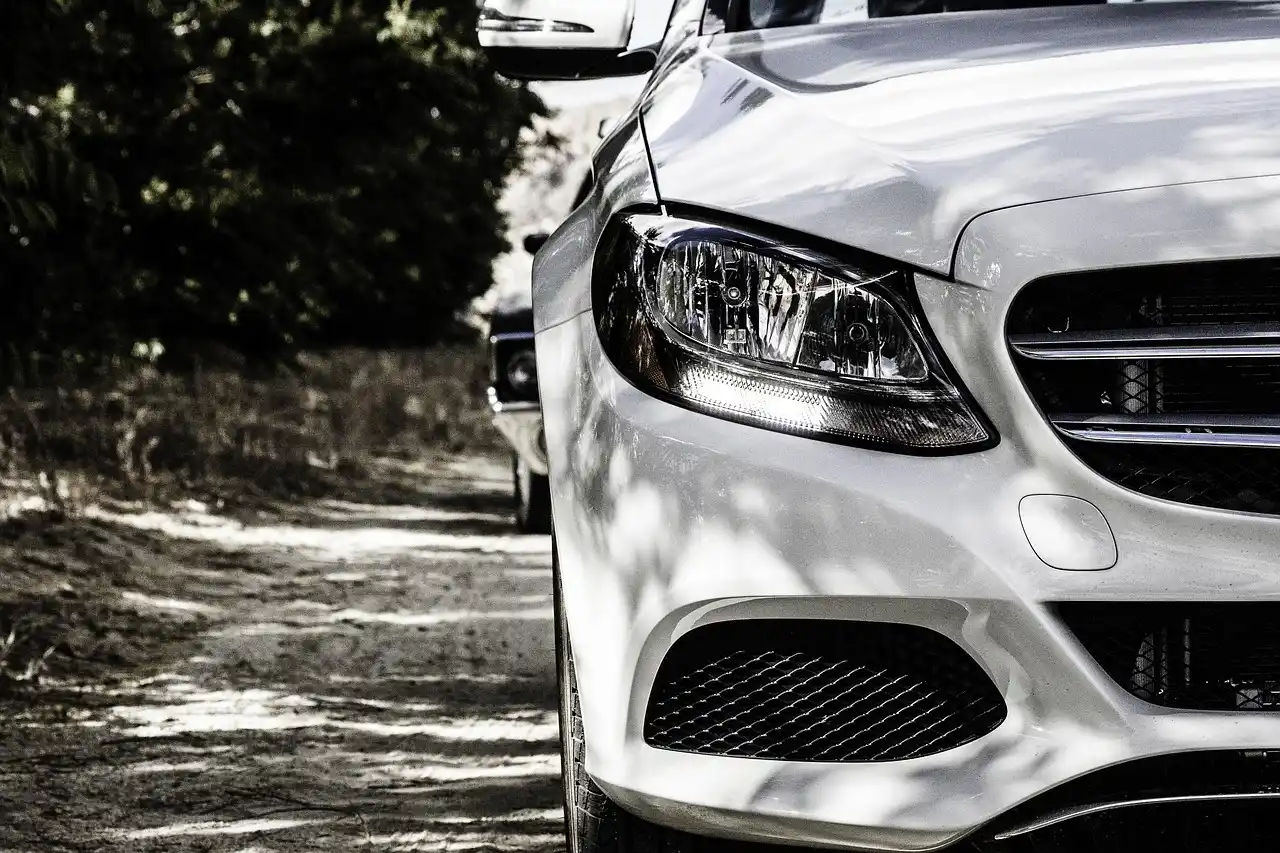
For pure value, sedans usually win because they buy more reliability, better fuel economy, and lower purchase prices per mile. SUVs buy you cargo height, easier loading, and winter confidence when AWD is included. The right answer depends on whether you need space more than efficiency and lower running costs.
Toyota RAV4 price, cargo space, and AWD availability
The RAV4 is the strongest SUV choice here because it combines good cargo space with broad market demand and available AWD on many examples. Used prices often sit above comparable sedans at the same year and mileage, so you may need to accept a higher-mileage SUV to stay under budget. That is normal, but the history report must be clean.
Mileage-versus-age tradeoff
A newer RAV4 with more miles can be smarter than an older one with lower miles if the service history is stronger and the body is cleaner. The reverse can also be true. For SUVs, hidden wear often shows up in suspension parts, brake condition, and underbody corrosion, not just in the engine bay.
Best fit for family and utility buyers
The RAV4 makes the most sense for families who need easy cargo loading and a taller seating position. If your needs are mainly commuting and parking, a Camry or Civic often gives better value. SUV demand can push prices higher, so do not pay a premium for body style alone.
Is the Subaru Forester the winter pick?
The Forester is a strong winter and bad-weather choice because AWD is standard and visibility is one of its best traits. Under $20,000, it often competes with the RAV4 on price but can offer more confidence in snow. The tradeoff is that you must check maintenance history closely, especially on CVT-era cars.
Standard AWD and visibility
The Forester’s standard AWD helps in snow, rain, and rough access roads. Its upright shape also makes it easy to place in traffic and parking lots. Buyers who live with steep driveways or frequent winter storms may value that more than the slightly lower running costs of a sedan.
CVT-era cautions to check
Look for records that show regular drivetrain maintenance, not just oil changes. A clean test drive should feel smooth at low speed and on light acceleration. Avoid cars with mismatched tires, warning lights, or any sign that the transmission is hunting, shuddering, or delayed off the line.
Snow and bad-weather use cases
The Forester is best for buyers who actually need winter traction, higher ground clearance, or easy access to trailheads and unplowed streets. If those needs are rare, a Corolla or Camry with winter tires may be the cheaper long-term answer. AWD helps, but it does not erase bad maintenance.
Hyundai Elantra
The Elantra is the value play for buyers who want more features for the money. Under $20,000, it often offers newer model years, lower mileage, or more safety tech than a similarly priced Corolla or Civic. The tradeoff is that year-specific reliability matters more here, so screening must be stricter.
Feature value and safety tech
The Elantra can bring a strong equipment list for the price, including driver-assistance features on some trims. That makes it attractive for first-time buyers who want modern safety content without spending more. Confirm the exact feature set on the car in front of you, because trim levels vary a lot.
Warranty transfer caveats
Do not assume a remaining warranty automatically follows the car in full. Transfer details depend on model year, mileage, and what the original coverage includes. Check the specific owner coverage for the car you are considering, and do not count on warranty value to make up for poor maintenance.
Year-specific reliability cautions
With the Elantra, the service record matters more than the badge. Look closely at the car’s maintenance history, title status, and warning lights. If the listing is light on records or the asking price seems far below the market, treat that as a risk signal rather than a bargain.
How do you choose the right one?
Match the car to your use case first, then use mileage and records to decide between listings. Commuters should start with Corolla, Civic, or Mazda3. Families should compare Camry, Accord, and RAV4. Winter buyers should look closely at Forester and RAV4. If you want the best value on features, the Elantra deserves a look, but only with a strong history report.
Use Kelley Blue Book to sanity-check asking price
Use Kelley Blue Book as a market benchmark, not a final verdict. Compare the asking price against trim, condition, mileage, and region, because local supply can shift values a lot. A fair price for one ZIP code may look too high or too low in another.
Use Carfax and a pre-purchase inspection
Carfax is useful for accident history, title status, service records, ownership count, and odometer verification. Pair it with a pre-purchase inspection so you can catch body damage, fluid leaks, brake wear, and suspension problems that a history report will not show. Skip any car with salvage history or obvious neglect.
A common first-timer mistake is choosing the lowest sticker price and then paying for tires, brakes, fluids, and a transmission service in the first month. That can erase the savings quickly. A cleaner, better-documented car often costs less over the next two years.
Frequently asked questions
Which used cars under $20,000 have the lowest maintenance costs?
The Corolla and Civic usually sit near the low end for routine maintenance costs, with the Camry close behind in many markets. The Mazda3 also stays reasonable if it has been serviced on time. Models with missing records or heavy wear can erase that advantage quickly.
How many miles is too many for a used car under $20,000?
There is no single cutoff, but mileage above 100,000 should raise the bar for records, inspection quality, and price. A clean 110,000-mile car can be better than a neglected 70,000-mile car. History, rust, and maintenance matter more than a round number alone.
What should I check before buying a used car with 80,000 miles?
At 80,000 miles, check the history report, tire wear, brake life, fluid condition, and service records first. Then test the transmission for smooth shifts and listen for suspension noise over bumps. If the car has no paper trail, treat the missing records as a real risk.
Which used cars under $20,000 are best for families?
The Camry, Accord, and RAV4 are the best family picks because they offer more cabin space or cargo room than compact sedans. The Corolla and Civic can still work for smaller households. Choose the body style that fits child seats, luggage, and daily parking without stretching the budget.
What year and mileage should I target to stay under $20,000?
The exact sweet spot changes by model, trim, and region, so verify pricing against KBB before you go too far.
Products related to this article
Sponsored / affiliate links. As an Amazon Associate I earn from qualifying purchases. I may earn additional commission from eligible campaigns.