How to Remove Sticky Residue From Car Interior Surfaces
Use the mildest solvent that fits the surface: warm soapy water first on most cabin parts, then about 90-percent isopropyl alcohol for hard plastics and screens, and WD-40 only on stubborn adhesive on hard surfaces that can be wiped fully clean afterward. The wrong cleaner can haze soft-touch trim, stain leather, or leave a slick film.
What you’ll need


- Microfiber cloths
- Cotton swabs
- 90-percent isopropyl alcohol
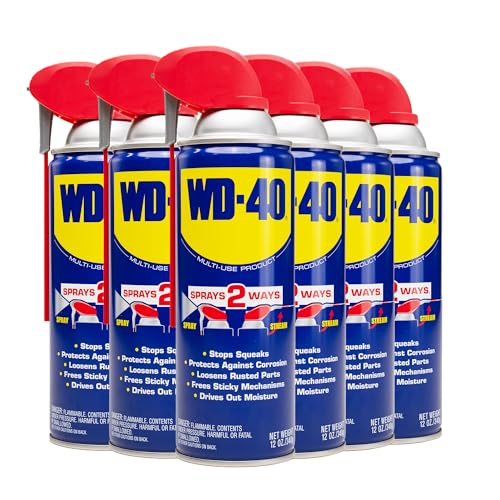
- WD-40
- Plastic pan scraper
- Razor scraper for glass or metal only
- Dry-cleaning solvent
- White vinegar, dish soap, and warm water
- Clean dry cloth for the final wipe
Remove residue in 5 steps
- Identify the surface first. Match the remover to the material before you touch the spot. Hard plastics, glass, and metal can take more than soft-touch trim, leather, or coated screens.
- Test a hidden spot. Test a hidden spot behind a panel edge, under a trim lip, or inside a door pocket, and wait about 30 seconds before proceeding. Stop if the finish lightens, clouds, or feels soft.
- Apply the least amount that works. For liquid cleaners, start with 1 to 2 drops on a microfiber cloth or cotton swab, then check the spot before adding more. For oily residue, use one short mist or a single wipe, not a soak.
- Lift, do not grind. Wipe with a microfiber cloth. Use a plastic pan scraper on hard plastic if the adhesive has lifted but still clings. Reserve a razor scraper for glass or metal only.
- Remove the film and dry the area. Wipe the cleaned spot with a fresh microfiber cloth until it feels dry, then inspect under angled light for haze or streaks. If it still feels slick, repeat the final wipe with a clean cloth.
What to use by interior surface
| Surface type | Safest first choice | Second choice | Tools | Contact time | Red-flag warnings | What to do if it hazes or smears |
|---|---|---|---|---|---|---|
| Soft-touch plastic | Warm soapy water on a microfiber cloth | Very light alcohol on cloth only, if the finish is hard-coated and passes a hidden test | Microfiber cloth, cotton swab | 5 to 10 seconds | Do not use a metal blade. Do not rub hard, or you can mark the coating. | Stop at once, wipe with plain water on a cloth, then dry. If the spot stays tacky, leave it alone and use a surface-safe interior cleaner later. |
| Glossy infotainment screens | 90-percent isopropyl alcohol on a microfiber cloth | Dry microfiber cloth after the adhesive softens | Microfiber cloth, cotton swab for edges | 5 to 15 seconds | Keep liquid out of open seams and off exposed wires. Alcohol can dull finishes if it is too strong or overused. | Switch to a dry cloth, then clean once more with a barely damp microfiber to clear any streak. |
| Textured dashboard trim | 90-percent isopropyl alcohol applied with a cotton swab | WD-40 on a cloth for stubborn adhesive on hard trim | Microfiber cloth, cotton swab, plastic pan scraper | 10 to 20 seconds | Textured grain traps residue. Alcohol can haze some coatings, and overspray can reach nearby rubber seals. | Wipe the grain with a fresh microfiber cloth, then follow with a plain damp cloth to clear any oily film. |
| Vinyl | Warm soapy water | Light alcohol on a cloth only after a spot test | Microfiber cloth | 5 to 10 seconds | Do not soak seams. Never treat vinyl like glass. | If the area looks cloudy, stop and wipe with plain water before drying. |
| Leather | Dry microfiber cloth to lift loose residue | Very light soap solution on a barely damp cloth, then dry immediately | Microfiber cloth | Brief wipe only | Avoid alcohol, WD-40, and scrapers. Wet leather can darken or stiffen. | If the finish looks dull or smeared, wipe once with a clean damp cloth, then dry fully. Stop if the surface feels tacky. |
| Fabric | Dry-cleaning solvent by blotting | White vinegar, dish soap, and warm water for stubborn residue on spill-resistant fabric only | Microfiber cloth, clean dry cloth | 10 to 30 seconds | Do not scrub. Do not flood upholstery or padding. | Blot with a dry cloth to pull up solvent or vinegar film, then let the area air dry. |
| Vent slats | 90-percent isopropyl alcohol on a cotton swab | Folded microfiber cloth for wider slats | Cotton swab, microfiber cloth, plastic pan scraper only if the slat is hard plastic and broad | 5 to 10 seconds | Keep fluid off vent motors, backlighting, and open edges. | Wipe dry with a fresh swab or cloth. If the finish hazes, stop and use plain water on a cloth. |
Which cleaner should you use first?
Start with the cleaner that matches the surface, not the stickiness level. For hard plastics, screens, and small crevices, 90-percent isopropyl alcohol is the fastest safe first try. For stubborn adhesive on hard surfaces, WD-40 can soften the mess, but it must be wiped off fully.
For fabric and carpet spots, dry-cleaning solvent is the better first choice because it is meant to be blotted, not scrubbed. For residue that sits on a washable, stubborn patch, a mixture of dish soap and white vinegar in two cups warm water can help, but it needs a rinse afterward.
Match alcohol to hard surfaces and crevices
Use 90-percent isopropyl alcohol on hard plastic, glossy screens, and tight areas around buttons where residue hides. Put it on a microfiber cloth or cotton swab, never straight into a switch bank. Keep it away from exposed wires, and stop if the finish starts to haze.
Use WD-40 only on hard, wipeable trim
WD-40 softens sticky messes on hard surfaces. Apply it to a white cloth or rag, let it sit briefly, then wipe clean and follow with a dry microfiber cloth. Do not treat it as safe for leather, soft-touch trim, or every plastic panel.
Reserve dry-cleaning solvent for fabric and carpet
On upholstery and carpeting, blot with dry-cleaning solvent instead of scrubbing. That reduces the chance of driving the residue deeper into fibers. Finish with a dry cloth so the spot does not stay damp or oily.
Use vinegar only for stubborn washable residue
For residue that stays after mild soap, a white vinegar mix can help on washable hard surfaces and some carpet spots. Mix dish soap and white vinegar with two cups warm water, apply lightly, then rinse with a clean damp cloth. Dry the area after that.
How do you clean vents and buttons?
Use a cotton swab or folded microfiber cloth, not a blade, on vents and buttons. These areas catch residue in seams, and cleaner can run into switches or backlighting if you flood them. Work slowly, then dry each edge before moving on.
Suppose a 1-inch sticker ring sits around a climate button. A swab dampened with alcohol can lift the glue from the edge without pressing liquid into the switch gap. If it starts to smear, switch to a dry swab and let the area dry before another pass.
What should you avoid on soft-touch and leather?
Avoid metal scrapers on anything that can scratch or cut easily. That means soft-touch plastic, leather, coated trim, and most vinyl skins. Avoid soaking these surfaces, and stop if the cleaner makes the area look cloudy, smeared, or tacky.
Picture a soft-touch dash with tape residue near a stitched seam. A razor scraper may remove the glue, but it can also bite into the coating. Use a microfiber cloth with a little alcohol instead, then wipe dry before the finish resets.
Common mistakes
- Using too much solvent at once. That spreads the film and can push residue into grain or stitching.
- Scrubbing in circles. That grinds glue deeper into texture and can leave a glossy patch.
- Leaving oily cleaner behind. WD-40 and some adhesive softeners need a second wipe with a clean cloth.
- Using the same cloth on screens and leather. That can move grit from one surface to another.
- Skipping a hidden test. A coating that survives one panel can still haze on a different trim finish.
How do I remove sticky residue from car interior plastics without scratching them?
Start with a microfiber cloth and 90-percent isopropyl alcohol on the cloth, not on the panel. Let it sit for a few seconds, then wipe in one direction. If the residue is still there, use a plastic pan scraper on hard plastic only, then finish with a dry cloth.
A gentle plastic scraper is safer than a metal blade on cabin trim, but it can be too soft for old glue. If the plastic has a textured grain or a soft-touch coating, stay with the cloth and swab approach instead of scraping.
Can I use rubbing alcohol on car dashboard residue?
Yes, on hard dashboard plastics and screens, 90-percent isopropyl alcohol is a strong first choice. Put a little on a microfiber cloth or cotton swab, work the spot, and wipe it dry. Do not flood the dash, and do not use it on exposed wires or damaged trim.
Alcohol can dull some finishes if it is too strong or used again and again on the same spot. If the panel starts to haze, stop, wipe with a plain damp cloth, and dry it fully before trying anything else.
What removes sticker glue from car interior trim safely?
For hard interior trim, the safest fast options are 90-percent isopropyl alcohol first, then WD-40 on a white cloth if the glue is stubborn. Both should be wiped off fully afterward. On soft trim, use only a damp microfiber cloth and a hidden test before any solvent.
Razor scrapers are useful on glass or metal, and paint scrapers are effective over large areas, but neither belongs on soft-touch trim, leather, or most coated cabin parts. If the trim is matte or rubberized, treat it as fragile until a test spot proves otherwise.
Will WD-40 damage plastic or vinyl in a car interior?
WD-40 can soften adhesive on hard surfaces, but it should not be treated as safe for every plastic or vinyl part inside the car. Use it only on wipeable, hard trim, then clean off the oily film. Keep it away from leather, soft-touch coatings, and screens.
If it leaves a slick feel after the first wipe, follow with a clean microfiber cloth lightly dampened with warm soapy water. That final pass matters. It removes the film that would otherwise collect dust and leave the panel looking greasy.
How do I get adhesive off leather or soft-touch interior surfaces?
Use the least aggressive option: a dry microfiber cloth first, then a barely damp cloth with mild soap if the residue remains. Do not use razor blades, WD-40, or strong alcohol on leather or soft-touch trim. Those materials can darken, haze, or feel tacky after cleaning.
If the residue is old tape glue, work in short passes and dry the surface each time. If the cleaner smears instead of lifting the glue, stop and let the area dry before trying again. That is often safer than adding more solvent.
What is the safest way to remove residue from car vents and buttons?
The safest method is a cotton swab dampened with 90-percent isopropyl alcohol, followed by a dry swab or microfiber cloth. That keeps liquid out of switch gaps and vent mechanisms. Keep the cleaner light so it does not run under backlit buttons or into moving parts.
For small corners, a folded microfiber cloth works better than a scraper. If residue sits in vent slats, clean one slat at a time and dry as you go. That limits streaks and keeps the finish from looking cloudy.
How do I clean old tape residue off car interior panels?
Old tape residue usually needs a two-stage approach: soften it, then remove the film. Start with alcohol on hard panels or WD-40 on hard wipeable trim, then lift the softened glue with a microfiber cloth. Finish with a second cloth so the panel does not stay oily.
If the panel is fabric, use dry-cleaning solvent and blot only. If the residue came with dust, sunscreen, smoke tar, or a drink film, clean the dirt layer first or the glue will smear and drag across the surface instead of lifting cleanly.
What should I avoid using on sticky residue inside a car?
Avoid aggressive scraping on soft surfaces, harsh tools on coated trim, and soaking any interior material that can absorb liquid. Keep metal blades away from leather, soft-touch plastic, vinyl, screens, buttons, and vent slats. Alcohol should never be poured into open edges or used repeatedly on the same finish without testing.
If a cleaner causes haze, smears the spot, or leaves a film, stop and switch to a dry microfiber wipe before trying a different product. The safest cleanup is usually the one that removes glue without leaving another problem behind.
Products related to this article
Sponsored / affiliate links. As an Amazon Associate I earn from qualifying purchases. I may earn additional commission from eligible campaigns.