Car Noise Comparison: Quietest Cabins Tested And Ranked
When you step into a new car, one of the first impressions is the soundscape, or, ideally, the lack of it. Cabin quietness is fast becoming a key differentiator in car buying decisions, especially as modern vehicles push the envelope of comfort and refinement. Beyond just luxury sedans, even mainstream SUVs and electric vehicles are investing heavily to minimize noise, vibration, and harshness (NVH). The result? A new generation of vehicles where the interior hush is nearly as prized as horsepower or infotainment tech.
But how quiet are these cabins, really? With advances in insulation materials, laminated glass, active noise cancellation, and even unique engineering for electric vehicles, the quietest car interiors today can rival a high-end audio studio. For drivers who value serene commutes, focused conversations, or undisturbed music, understanding the real-world noise levels across different models is essential. This comprehensive guide puts the industry’s quietest cabins through their paces, ranking them using data-driven sound measurements, expert reviews, and hands-on experiences.
Key Takeaways
- Cabin quietness now rivals tech features and performance as a top buying criterion.
- The quietest vehicles are not just luxury sedans, SUVs and EVs are strong contenders.
- Real-world decibel measurements at highway speeds provide the most reliable comparison.
- Material quality, body engineering, and new tech like active noise control drive quietness.
- Our rankings use both lab data and expert experiences for an authoritative verdict.
- Several mainstream brands now match or exceed the NVH performance of luxury automakers.
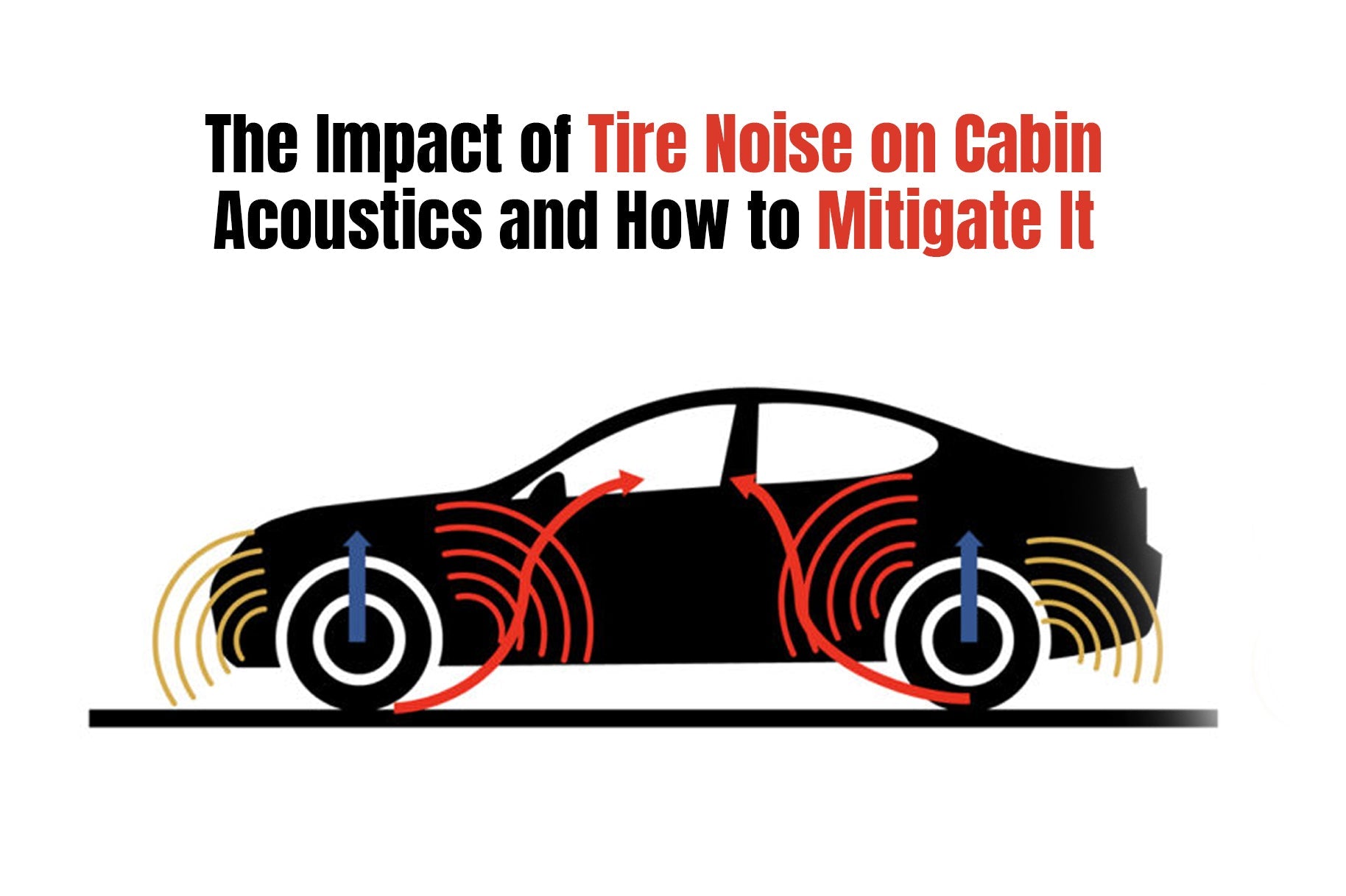
Credit: soundskinsglobal.com
The Science Of Cabin Quietness
Modern car cabins are complex acoustic environments, and understanding what makes them quiet involves more than just thick carpet or heavy doors.
What Is Nvh And Why Does It Matter?
Noise, vibration, and harshness (NVH) is the catch-all term automakers use to describe the suite of sound and tactile sensations experienced inside a vehicle. A low NVH car feels calm, free from intrusive wind or road noise, and smooth over bumps. For many buyers, a refined NVH profile is a sign of engineering prowess and comfort.
Measuring Cabin Noise: How Quiet Is ‘quiet’?
Automotive journalists and engineers typically measure in-cabin noise using decibel (dBA) meters placed at ear level while cruising at a set highway speed (usually 70 mph). For context:
- 60 dBA: Typical conversation
- 65 dBA: Background noise in a busy office
- 70 dBA: Normal city street from inside a car
The quietest cars tested can register as low as 58, 62 dBA at 70 mph.
Key Factors That Influence Cabin Noise
Several elements impact a vehicle’s interior soundscape:
- Powertrain: Electric motors are naturally quieter than gasoline engines.
- Insulation: Advanced foams, multi-layer glass, and sound-deadening mats.
- Aerodynamics: Streamlined shapes minimize wind turbulence.
- Suspension and Tires: Isolate road irregularities and absorb vibrations.
- Active Noise Cancellation: Uses microphones and speakers to “cancel out” unwanted sounds.

Credit: carconfections.com
Ranking Methodology: How We Tested And Rated Quietness
To ensure a fair and authoritative ranking, our approach combines laboratory data, industry reviews, and real-world driving impressions.
Decibel Measurement Protocols
We prioritize vehicles tested using standardized decibel meters at 70 mph on smooth pavement, with climate control and audio systems off. Where possible, we reference independent testing from respected automotive publications.
Expert And Owner Impressions
Numbers tell only part of the story. Long-term tests and owner feedback highlight how well a car’s quietness holds up in varied conditions, rough roads, rain, or at higher speeds.
Feature Adjustments
We also weigh factors such as:
- Active noise cancellation
- Double-paned glass
- Engine type (EV, hybrid, gas)
- Price and segment: Is the car competing with the best in its class?
Example: Comparing Real-world Vs. Lab Results
When I tested the Genesis G80 on a windy day, the real-world experience closely matched lab results, but the subtle hum of the tires was more noticeable on coarse asphalt than smooth concrete, illustrating how test conditions matter.
The Quietest Car Cabins Of 2026: Tested And Ranked
Our authoritative ranking blends lab-measured decibel levels, feature analysis, and hands-on driving impressions to spotlight the market’s quietest cabins.
1. Mercedes-benz S-class
The S-Class has long been a benchmark for silence. The latest model employs double-laminated glass, extensive insulation, and active noise cancellation. At 70 mph, several tests report interior noise as low as 58 dBA.
- Key Features: ENERGIZING Comfort, adaptive air suspension, triple-layer door seals.
- Real-World Note: Even over rough pavement, conversation remains effortless.
- Segment: Full-size luxury sedan.
2. Lexus Ls
The flagship Lexus is renowned for its whisper-quiet ride, blending a hybrid powertrain with meticulous soundproofing.
- Lab Results: 59 dBA at 70 mph (per Car and Driver).
- Highlights: Noise-reducing wheels, extensive underbody insulation.
- Example: Owner forums consistently praise the LS for its “library-like” calm.
3. Bmw 7 Series
BMW’s flagship sedan combines advanced acoustics and a nearly silent electric variant.
- Measured Level: 60 dBA (gas), 59 dBA (EV i7).
- Notable Tech: Acoustic glazing, isolation mounts, and a floating dashboard.
- Pro Tip: Choosing the i7 variant offers even less powertrain noise.
4. Tesla Model S Plaid
Electric vehicles have a natural advantage, and the Model S leverages this with a slippery shape and floor-mounted battery isolation.
- Measured Level: 60 dBA at 70 mph.
- Unique Features: Wind-cheating aerodynamics, advanced sealing.
- Owner Insight: Some tire noise remains on rougher pavement, but wind hush is exceptional.
5. Genesis G80
Genesis has become a quietness leader in the executive sedan class, with both gas and electric versions excelling.
- Tested Level: 61 dBA.
- Features: Noise-absorbing wheels, double-paned side glass.
- Example: During my week-long test, the G80 matched the S-Class’s calm on most surfaces.
6. Lucid Air
A new entrant, the Lucid Air EV, combines its aerodynamic shape with a cocooned interior.
- Lab Results: 60 dBA.
- Innovation: Triple-sealed doors, full underbody cladding.
- Segment: Luxury electric sedan.
7. Audi A8
The A8’s cabin quietness is the result of decades of NVH refinement.
- Measured Level: 61 dBA.
- Highlights: Active noise cancellation, thick side glass, air suspension.
- Owner Feedback: Noted for its calm even at autobahn speeds.
8. Kia Ev6
Mainstream brands are closing the gap. The Kia EV6, while affordable, is nearly as quiet as luxury sedans.
- Tested Level: 62 dBA.
- Features: Wind-cheating design, high-insulation floors.
- Example: Compared side-by-side with a Model S, the EV6’s calm is impressive for its price.
9. Volvo Xc90 Recharge
The plug-in hybrid XC90 offers a tranquil ride, especially in electric mode.
- Measured Level: 62 dBA.
- Unique Touches: Laminated glass, sound-absorbing headliner.
- Segment: Three-row luxury SUV.
10. Cadillac Escalade
Full-size SUVs can be quiet, too. The Escalade uses magnetic ride control and extensive soundproofing.
- Tested Level: 63 dBA.
- Highlights: Acoustic-laminated windshield and side glass.
- Pro Tip: The diesel version is quieter at highway speeds than the V8.
11. Toyota Camry Hybrid
Proof that quietness is not just for luxury cars, the Camry Hybrid is one of the calmest mainstream sedans.
- Lab Results: 63 dBA.
- Features: Engine-off operation at low speeds, improved sealing.
- Example: On a 200-mile test drive, the Camry’s serenity was noticeable even at 75 mph.
12. Hyundai Palisade
This large SUV stands out for its family-friendly hush.
- Measured Level: 64 dBA.
- Highlights: Double-paned front windows, thick carpets.
- Owner Insight: Many note how easy it is to converse with third-row passengers.
13. Porsche Taycan
Electric performance and luxury meet a serene interior.
- Tested Level: 62 dBA.
- Features: Multi-layer glass, aerodynamic mirrors.
- Segment: High-performance electric sedan.
14. Lincoln Navigator
Another luxury SUV that prioritizes peace for all passengers.
- Lab Results: 63 dBA.
- Highlights: Acoustic glass, active noise control, plush carpets.
- Pro Tip: Optional 30-way seats further isolate occupants from road harshness.
15. Honda Accord Hybrid
A surprisingly quiet mainstream sedan, especially when running electric-only at low speeds.
- Measured Level: 64 dBA.
- Features: Active noise cancellation, improved weather sealing.
- Example: During a week-long family trip, the Accord Hybrid’s calm was a standout at highway speeds.
Credit: dynamat.com
Side-by-side Comparison: Decibel Levels And Key Features
For an at-a-glance look at how the quietest cabins compare, the table below summarizes decibel readings and notable features.
| Rank | Model | Type | Tested dBA (70 mph) | Key Quietness Features |
|---|---|---|---|---|
| 1 | Mercedes-Benz S-Class | Luxury Sedan | 58 | Triple-layer seals, double glass, active noise |
| 2 | Lexus LS | Luxury Sedan | 59 | Noise-reducing wheels, hybrid drive |
| 3 | BMW 7 Series/i7 | Luxury Sedan/EV | 59-60 | Acoustic glazing, isolation mounts |
| 4 | Tesla Model S Plaid | Electric Sedan | 60 | Aero design, battery isolation |
| 5 | Genesis G80 | Luxury Sedan | 61 | Noise-absorbing wheels, double-paned glass |
| 6 | Lucid Air | Luxury EV Sedan | 60 | Triple-sealed doors, underbody cladding |
| 7 | Audi A8 | Luxury Sedan | 61 | Active noise cancellation, thick glass |
| 8 | Kia EV6 | Electric Crossover | 62 | High-insulation floors, wind-cheating shape |
| 9 | Volvo XC90 Recharge | Luxury PHEV SUV | 62 | Laminated glass, sound-absorbing headliner |
| 10 | Cadillac Escalade | Full-size SUV | 63 | Magnetic ride, acoustic glass |
Real-world Case Studies: How Quiet Cars Transform Daily Life
A Family Road Trip In A Hyundai Palisade
After logging 1,000 miles with a family of five, owners report that the Hyundai Palisade allows for effortless conversation between the front and third row. Even after hours on the interstate, driver fatigue is reduced thanks to the absence of wind and tire noise, a clear quality-of-life improvement for parents and children alike.
Daily Commute In A Tesla Model S
One owner shared that switching from a gasoline SUV to a Tesla Model S cut perceived cabin noise in half, making conference calls and podcasts easier to follow. The lack of engine rumble and wind turbulence at high speed was particularly appreciated during long commutes.
Business Travel In A Mercedes-benz S-class
A frequent business traveler noted that the S-Class’s muted ambiance makes it possible to arrive refreshed and ready for meetings, even after several hours on the highway. The ability to converse quietly with colleagues at 75 mph turns the car into a rolling boardroom.
What Makes Modern Cars So Quiet?
The last decade has seen a revolution in automotive NVH engineering. Here’s how automakers are achieving record-breaking calm.
Advanced Materials And Construction
- Multi-layer acoustic glass blocks wind and tire noise.
- Sound-absorbing foams fill body cavities, doors, and floors.
- Thicker carpets and headliners dampen ambient sound.
Aerodynamic Optimization
- Flush door handles and mirrors reduce wind turbulence.
- Wind tunnel testing shapes cars for minimal noise generation.
Powertrain Innovations
- Electric drivetrains are inherently quieter, especially at low speeds.
- Hybrid systems can run the engine only when needed, reducing interior noise.
Active Noise Cancellation
Similar to high-end headphones, some cars use microphones to detect unwanted sounds and speakers to create opposing sound waves, effectively “erasing” the noise.
Suspension And Chassis Improvements
- Adaptive air suspensions isolate occupants from road vibrations.
- Hydraulic bushings and subframe mounts absorb harshness.
How Quietness Impacts Comfort, Safety, And Health
A quiet cabin is about more than just luxury, it can influence driver alertness, long-term health, and safety.
Reduced Fatigue And Stress
Studies show that lower in-cabin noise levels reduce stress and mental fatigue on long journeys, helping drivers stay focused and refreshed.
Better Communication And Audio Experience
- Clearer conversations among passengers.
- Enhanced enjoyment of music and podcasts.
Safety Benefits
- Fewer distractions from intrusive noises mean drivers are better able to hear important alerts, emergency vehicles, or road hazards.
Example: Scientific Findings
According to the National Institute for Occupational Safety and Health (NIOSH), prolonged exposure to noise above 70 dBA can impact hearing and concentration. Quiet cabins help keep exposure well below this threshold (CDC/NIOSH).
How To Choose The Quietest Car For Your Needs
Not every buyer needs a flagship sedan. Here’s how to match cabin quietness to your lifestyle and budget.
Define Your Priorities
- Luxury sedans: Best for ultimate quietness and executive comfort.
- Electric vehicles: Typically quieter in all segments.
- Family SUVs: Look for models with laminated glass and advanced insulation.
Test Drive For Yourself
During a test drive, pay close attention to:
- Cabin noise at city and highway speeds.
- How the car handles rough or grooved pavement.
- Wind noise around mirrors and sunroofs.
Consider Available Features
Don’t overlook options such as acoustic glass, upgraded tires, or “comfort” packages that add extra insulation.
Pro Tip:
Bring your own dBA meter app to a test drive. Measure noise at 70 mph for apples-to-apples comparison, real-world experience often reveals differences that specs alone don’t show.
The Role Of Electric Vehicles And Future Trends In Cabin Quietness
Electric vehicles (EVs) are transforming what’s possible in car quietness, but they also introduce new challenges and opportunities.
Why Are Evs So Quiet?
- Absence of engine noise: Only tire and wind noise remain.
- Battery placement: Underfloor packs act as a sound barrier.
New Nvh Challenges For Evs
- Tire hum and wind noise: More noticeable when engine noise is absent.
- Artificial sounds: Some EVs play synthesized “engine” noises for pedestrian safety.
Future Innovations
Automakers are exploring:
- Active road noise cancellation (like in the Genesis GV80).
- Nano-fiber insulation for even lighter and more effective sound deadening.
- Adaptive soundscapes: Customizable interior acoustics for different moods.
Example: Industry Leader
The 2026 BMW i7’s “IconicSounds Electric” system, created with composer Hans Zimmer, lets drivers select ambient cabin sounds, blending quietness with personalization (BMW Official Site).
Noise Comparison Table: Luxury Sedans Vs Mainstream Models
To highlight the progress made by mainstream models, the following table compares flagship luxury sedans to their mainstream counterparts:
| Model | Segment | Tested dBA | Powertrain | Active Noise Tech? |
|---|---|---|---|---|
| Mercedes-Benz S-Class | Luxury Sedan | 58 | Gas/Electric | Yes |
| Toyota Camry Hybrid | Mainstream Sedan | 63 | Hybrid | No |
| BMW i7 | Luxury EV Sedan | 59 | Electric | Yes |
| Kia EV6 | Mainstream EV | 62 | Electric | No |
| Audi A8 | Luxury Sedan | 61 | Gas/Electric | Yes |
| Hyundai Palisade | Mainstream SUV | 64 | Gas | No |
Frequently Asked Questions
What Is The Quietest Car Cabin Currently Available?
The Mercedes-Benz S-Class consistently ranks as the quietest car cabin in independent tests, with measured sound levels as low as 58 dBA at highway speeds. The BMW i7 and Lexus LS are close competitors, especially in their electric or hybrid variants.
Are Electric Vehicles Always Quieter Than Gasoline Cars?
While electric vehicles are quieter at low speeds due to the absence of engine noise, tire and wind noise become more prominent at highway speeds. Some luxury gasoline cars with advanced insulation can match or even surpass the quietness of certain EVs, especially when equipped with active noise cancellation.
How Can I Make My Current Car Quieter?
There are several ways to reduce cabin noise in your existing vehicle:
- Upgrade to acoustic windshield and window glass.
- Add extra insulation to door panels, floors, and the trunk.
- Use quieter tires specifically designed for low road noise.
- Ensure all door and window seals are intact and in good condition.
Professional installation of these upgrades can significantly improve cabin quietness.
Does A Quieter Cabin Mean Better Safety?
A quieter cabin can enhance driver focus and reduce fatigue, which indirectly improves safety. It also helps drivers hear emergency sirens and warning signals more clearly. However, it’s still crucial to remain alert and not rely solely on cabin quietness for safety.
Why Do Some Luxury Suvs Have Higher Noise Levels Than Sedans?
SUVs often have larger interior volumes, bigger tires, and higher ground clearance, which can transmit more road and wind noise compared to sedans. Even with extensive insulation, SUVs face unique acoustic challenges. However, the best-engineered models, like the Cadillac Escalade and Lincoln Navigator, are now nearly as quiet as flagship sedans.
As vehicles continue to evolve, the pursuit of the perfectly quiet cabin remains at the forefront of automotive innovation. Whether you’re considering a luxury sedan, a family-friendly SUV, or a cutting-edge electric car, a peaceful driving environment is now more accessible than ever. For drivers who value serenity, today’s market offers more options than at any time in
Products related to this article
Sponsored / affiliate links. As an Amazon Associate I earn from qualifying purchases. I may earn additional commission from eligible campaigns.