What Car Compare Tool: How It Works And Why It Helps
Comparing cars used to mean poring over brochures, visiting dealership after dealership, and scouring online forums for reliable information. Today, car compare tools have revolutionized the process. These platforms empower buyers with instant access to specifications, real-world reviews, pricing, and side-by-side comparisons, making shopping for a new vehicle faster, smarter, and more transparent. Whether you’re a first-time buyer, an auto enthusiast, or a fleet manager, leveraging a car compare tool can be the difference between a satisfying purchase and buyer’s remorse.
Car buyers are faced with a dizzying array of options, over 300 new models are available in the US alone each year. With prices, features, and specs varying widely, making a confident decision is daunting without structured help. Car compare tools eliminate guesswork by consolidating data from manufacturers, third-party testers, and user reviews.
This article explores how these tools work, why they’re indispensable, and how you can use them to make the best automotive choices.
Key Takeaways
- Car compare tools provide instant access to side-by-side vehicle specifications, pricing, and features.
- They streamline the decision-making process, saving buyers time and reducing confusion.
- Using these tools can reveal hidden differences and help prioritize features based on personal needs.
- Real-world examples show improved buyer satisfaction and better value for money.
- Integration of expert reviews and user feedback enhances trust and transparency.
- Data-driven tables and actionable lists help clarify complex information for all types of buyers.

Credit: www.kombativ.com
What Is A Car Compare Tool?
Car compare tools are digital platforms designed to help users evaluate multiple vehicles simultaneously. These tools aggregate data from automakers, review sites, and sometimes government agencies, presenting it in a clear, interactive format. Users can select cars by make, model, year, and trim, and view detailed specifications, features, safety ratings, pricing, and even owner feedback.
How Car Compare Tools Have Changed The Buying Process
Historically, buyers relied on print materials and dealership salespeople. This approach was time-consuming and often biased. Today, most buyers start their research online; according to a 2026 report by Cox Automotive, 74% of car buyers use online comparison tools before visiting a dealership (Cox Automotive). These tools streamline research, enabling buyers to shortlist vehicles in hours rather than weeks.
Types Of Car Compare Tools
There are several types:
- Manufacturer websites: Provide comparisons within their brand.
- Third-party platforms: Offer cross-brand comparisons (e.g., Edmunds, Kelley Blue Book).
- Dealer tools: Sometimes integrate comparison features for local inventory.
Some tools also include calculators for cost of ownership, insurance estimates, and loan projections, further aiding informed decisions.
Core Features
Most car compare tools offer:
- Specification comparisons: Engine, transmission, dimensions, performance metrics.
- Feature lists: Infotainment, safety, comfort, and convenience features.
- Pricing: MSRP, incentives, dealer pricing.
- Ratings: Crash tests, reliability scores, customer reviews.
- Ownership costs: Fuel economy, insurance, maintenance, depreciation.

Credit: www.digitalapi.ai
How Car Compare Tools Work
Understanding the mechanics behind car compare tools is crucial for getting the most value from them. These platforms leverage vast databases, user-friendly interfaces, and real-time data updates.
Data Aggregation
Car compare tools collect information from multiple sources:
- Manufacturer databases: Official specs and pricing.
- Third-party reviewers: Performance tests, expert opinions.
- Government agencies: Safety ratings (e.g., NHTSA, IIHS).
- User feedback: Real-world reliability, comfort, and satisfaction scores.
By cross-referencing these sources, tools ensure accuracy and up-to-date information.
User Interface And Customization
A hallmark of effective car compare tools is their intuitive interface. Users typically:
- Select up to four vehicles for comparison.
- Customize by year, trim, and optional packages.
- Sort features by importance (e.g., safety, technology, fuel efficiency).
Some platforms offer interactive charts and visualizations for easier digestion of complex data.
Example: Comparing Sedans In Practice
When using Edmunds’ car compare tool, select three midsize sedans: Toyota Camry, Honda Accord, and Mazda6. The tool instantly populated a table with specs like horsepower, trunk volume, fuel economy, and safety features.
| Feature | Toyota Camry | Honda Accord | Mazda6 |
|---|---|---|---|
| Horsepower | 203 hp | 192 hp | 187 hp |
| Fuel Economy (Combined) | 32 mpg | 33 mpg | 29 mpg |
| Trunk Volume | 15.1 cu ft | 16.7 cu ft | 14.7 cu ft |
| Safety Rating (NHTSA) | 5 stars | 5 stars | 5 stars |
This immediate side-by-side comparison made it clear which car best matched my priorities, fuel economy and trunk space.
Integration With Other Tools
Many compare tools integrate:
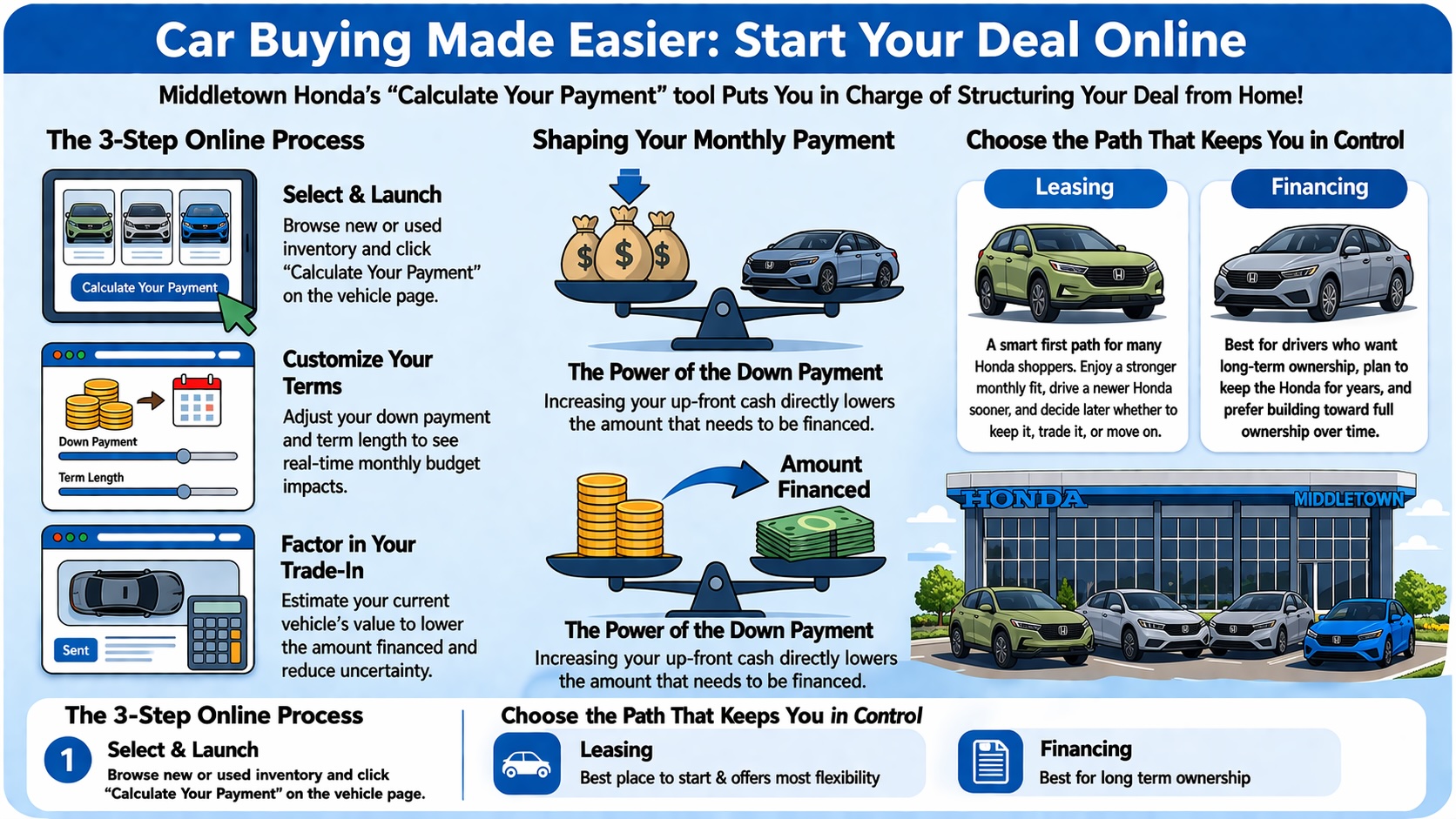
- Loan calculators: Estimate monthly payments based on selected vehicles.
- Insurance estimators: Project coverage costs.
- Trade-in evaluators: Calculate value of current vehicles.
This integration streamlines the research and purchasing process, reducing friction for buyers.
Pro Tip
Always verify the data on the car compare tool with official manufacturer sources, especially for newer models or trims. Updates can lag behind real-world changes.
Why Car Compare Tools Help Buyers
The benefits of car compare tools go beyond simple convenience, they fundamentally improve the quality of decision-making.
Enhanced Transparency
By consolidating data from unbiased sources, car compare tools reduce the reliance on potentially biased dealership information. Buyers can see which claims are backed by real-world testing and user reviews.
Time And Cost Savings
A 2026 study by the National Automobile Dealers Association found that buyers who used comparison tools spent 40% less time researching and saved an average of $1,200 by negotiating with better information (NADA Research).
Improved Satisfaction
Knowing your chosen vehicle fits your needs, whether it’s cargo space, safety, or tech features, boosts post-purchase satisfaction. Compare tools help prevent costly mistakes and regrets.
Example: Family Suv Purchase
A family looking for a three-row SUV used a compare tool to analyze the Honda Pilot, Toyota Highlander, and Ford Explorer. They prioritized:
- Safety ratings
- Third-row space
- Infotainment features
The tool revealed the Highlander offered superior third-row comfort but the Pilot had higher crash-test scores. By weighing these features side-by-side, the family made an informed decision and reported high satisfaction after purchase.
Identifying Hidden Differences
Compare tools often reveal less obvious distinctions. For example, two vehicles might have similar horsepower, but one offers a smoother transmission or better warranty coverage. These details are hard to spot without structured comparison.
Customization For Unique Needs
Buyers with specific requirements (e. g. , towing capacity, hybrid options, advanced driver assistance systems) can easily filter and compare across dozens of models. This customization is invaluable for business buyers, enthusiasts, and those with special needs.
Credit: www.middletownhonda.com
Key Features To Look For In A Car Compare Tool
Choosing the right car compare tool is essential for meaningful comparisons. Below are the most important features to consider.
Comprehensive Data Sets
The best tools aggregate:
- Manufacturer specs
- Third-party reviews
- Safety and reliability scores
- Ownership cost estimates
A tool lacking in any area can leave buyers with an incomplete picture.
User Reviews And Real-world Feedback
Platforms that incorporate user feedback provide insight into:
- Long-term reliability
- Comfort and usability
- Unexpected issues
This data complements expert reviews and can highlight problems missed during initial testing.
Visual Comparison Tables
Interactive tables help users quickly grasp differences. Look for tools that allow:
- Sorting and filtering by feature.
- Highlighting best-in-class specs.
- Saving comparisons for later reference.
| Criteria | Edmunds | Kelley Blue Book | Manufacturer Site |
|---|---|---|---|
| Cross-brand Comparison | Yes | Yes | No |
| User Reviews | Yes | Yes | Limited |
| Ownership Cost | Yes | Yes | No |
| Local Inventory Integration | No | Yes | Yes |
Mobile Accessibility
Many buyers use smartphones during research. Choose a tool with a responsive, mobile-friendly interface.
Privacy And Security
Trustworthy tools do not require excessive personal data and clearly explain how your information is used.
Real-world Examples And Case Studies
Car compare tools have proven their value in diverse scenarios. Here are three cases that highlight their impact.
Case Study 1: Fleet Manager Optimizing Purchases
A logistics company needed to replace 10 vans. The manager used a compare tool to analyze models from Ford, Ram, and Nissan. By comparing payload, fuel economy, and maintenance costs, the manager chose the Ford Transit, which offered the best balance of price and reliability.
The company reported a 15% reduction in annual maintenance expenses.
Case Study 2: First-time Buyer Avoids Costly Mistake
A recent college graduate considered buying a used luxury sedan. After using a compare tool, she discovered a similar-priced midsize car offered better fuel economy and lower insurance costs. The tool’s ownership cost calculator revealed savings of $800 per year.
She ultimately purchased the midsize car and was satisfied with its performance and cost.
Case Study 3: Electric Vehicle Comparison
A couple interested in electric vehicles compared the Tesla Model 3, Nissan Leaf, and Chevrolet Bolt. The tool highlighted differences in range, charging time, and available tax incentives. The Bolt’s lower price and comparable range made it the best fit for their budget and driving needs.
Comparing Car Compare Tools: Features And Usability
Not all car compare tools are created equal. Here’s a comparative look at leading platforms.
Major Platforms Overview
| Platform | Strengths | Weaknesses |
|---|---|---|
| Edmunds | Detailed specs, user reviews, expert ratings | No direct inventory links |
| Kelley Blue Book | Ownership cost, local inventory, trusted pricing | Limited in-depth reviews |
| Car and Driver | Editorial insights, performance metrics | Less user-generated feedback |
| Manufacturer sites | Accurate official specs, promotional offers | Cannot compare across brands |
Usability And Interface
Top tools feature:
- Intuitive navigation
- Visual side-by-side tables
- Customizable filters
The Edmunds interface allows drag-and-drop car selection, quick sorting by price, and easy access to user reviews.
Data Accuracy
Most reputable tools update data monthly or quarterly. Always check for the latest information, especially for new model releases.
Integration And Support
Some platforms offer customer support chat, video reviews, and integration with dealership inventory. These features can speed up the buying process.
How To Use A Car Compare Tool Effectively
Maximizing the value of a car compare tool requires thoughtful use. Here’s a step-by-step guide.
Step 1: Define Your Priorities
List your must-have features, such as:
- Safety technology
- Fuel efficiency
- Cargo space
- Budget
Focus on features most relevant to your lifestyle.
Step 2: Shortlist Vehicles
Select 3-4 models that meet your criteria. Avoid overwhelming yourself with too many choices.
Step 3: Use The Compare Tool
Input your shortlisted vehicles. Examine:
- Performance metrics
- Key features
- Price and incentives
- Ownership costs
Use visual tables and filters to highlight critical differences.
Step 4: Consult Reviews And Ratings
Read both expert and user reviews. Look for patterns in reliability, comfort, and usability.
Step 5: Check Local Inventory And Offers
If the tool links to local dealerships, compare available vehicles and current incentives.
Step 6: Finalize Your Decision
Print or save your comparison results. Visit dealerships with your research in hand to negotiate confidently.
Warning
Don’t rely solely on online tools. Always test drive your shortlisted vehicles to confirm comfort and performance.
Common Pitfalls And How To Avoid Them
Even with powerful tools, buyers can fall into common traps. Here’s how to avoid them.
Overemphasizing One Feature
Focusing too much on a single spec (e. g. , horsepower) can lead to overlooking essential factors like safety or comfort. Use the tool’s filters to balance priorities.
Ignoring Total Cost Of Ownership
MSRP isn’t the whole story. Consider:
- Maintenance
- Insurance
- Fuel
- Resale value
Ownership cost calculators are invaluable for long-term planning.
Trusting Outdated Data
Some tools lag in updating specs or pricing. Always cross-check with manufacturer sites and recent reviews.
Skipping User Feedback
Expert reviews are important, but real-world user feedback highlights issues like reliability and ergonomics.
Example: Avoiding Buyer’s Remorse
A buyer fixated on performance chose a sporty coupe, only to find insurance and maintenance costs were much higher than expected. Using a comprehensive compare tool with ownership cost data could have prevented this mistake.
Frequently Asked Questions
What Information Do Car Compare Tools Typically Include?
Car compare tools typically provide vehicle specifications, pricing, safety ratings, ownership costs, expert reviews, and user feedback. Some platforms also offer calculators for fuel economy, insurance estimates, and local inventory availability. For specialty vehicles, you may find towing capacity and technology features as well.
Are Online Car Compare Tools Free To Use?
Most car compare tools are free, especially those hosted by third-party review sites or manufacturers. Some premium platforms may charge for advanced features like in-depth ownership cost analysis or personalized recommendations. Always check for hidden fees before using a tool.
Can I Compare Used Vehicles As Well As New Ones?
Yes, many car compare tools allow comparison of both new and used vehicles. Used car comparisons may include additional details like certified pre-owned status, vehicle history reports, and mileage. Some platforms also highlight local used inventory and pricing trends.
How Reliable Is The Data Provided By Car Compare Tools?
The reliability of data depends on the platform’s sources and update frequency. Reputable tools draw from official manufacturer databases, government safety ratings, and regularly updated user reviews. It’s recommended to cross-check critical specs with manufacturer websites for the latest information.
Do Car Compare Tools Help With Negotiating At Dealerships?
Yes, bringing comparison results from a car compare tool to a dealership can strengthen your negotiation position. Dealers are more likely to match prices and offer incentives when you demonstrate knowledge of competing models and features. Some tools even link to local dealership offers for easy reference.
Car compare tools have become a cornerstone of smart automotive shopping. They empower buyers with transparency, efficiency, and confidence, making the process less stressful and more rewarding. Whether you’re seeking the best family SUV, optimizing a fleet, or hunting for a performance sedan, leveraging a robust car compare tool ensures you make a decision backed by data, real-world insights, and expert analysis.
As the automotive market evolves, these tools will only grow in importance, helping buyers find the perfect match without compromise.
Products related to this article
Sponsored / affiliate links. As an Amazon Associate I earn from qualifying purchases. I may earn additional commission from eligible campaigns.